Start with how you want your jeans to feel
Jeans are easier to shop for when you begin with the job they need to do. Are you looking for a relaxed pair for weekends, a neat everyday option, or denim you can dress up with a shirt and jacket? Think about the shoes and tops you wear most often. A pair that looks appealing on its own may be less useful if its length or shape works with only one outfit.
Bring your usual shoes to mind before trying on different cuts. Jeans worn with flat shoes may need a different hem length from those worn with a heel. You do not need to settle every styling question at once, though. First, find a pair in which you can sit, walk and move comfortably. Then consider whether its proportions suit the rest of your wardrobe.
Understand rise before choosing a size
Rise describes the distance from the crotch seam to the top of the waistband. A low rise sits below the natural waist, a mid rise generally sits around the hips or just below the waist, and a high rise reaches closer to or above the natural waist. These labels are only a starting point: the same rise can sit differently on people with different torso lengths and body shapes.
Try a few rises rather than assuming one is right for you. The waistband should stay comfortably in place when you walk and sit, without digging in or leaving a large gap at the back. Notice where a tucked-in top meets the waistband, too. If you often wear shorter jackets or tucked shirts, that meeting point can have as much effect on the finished outfit as the jeans themselves.
Choose a leg cut for the silhouette you want
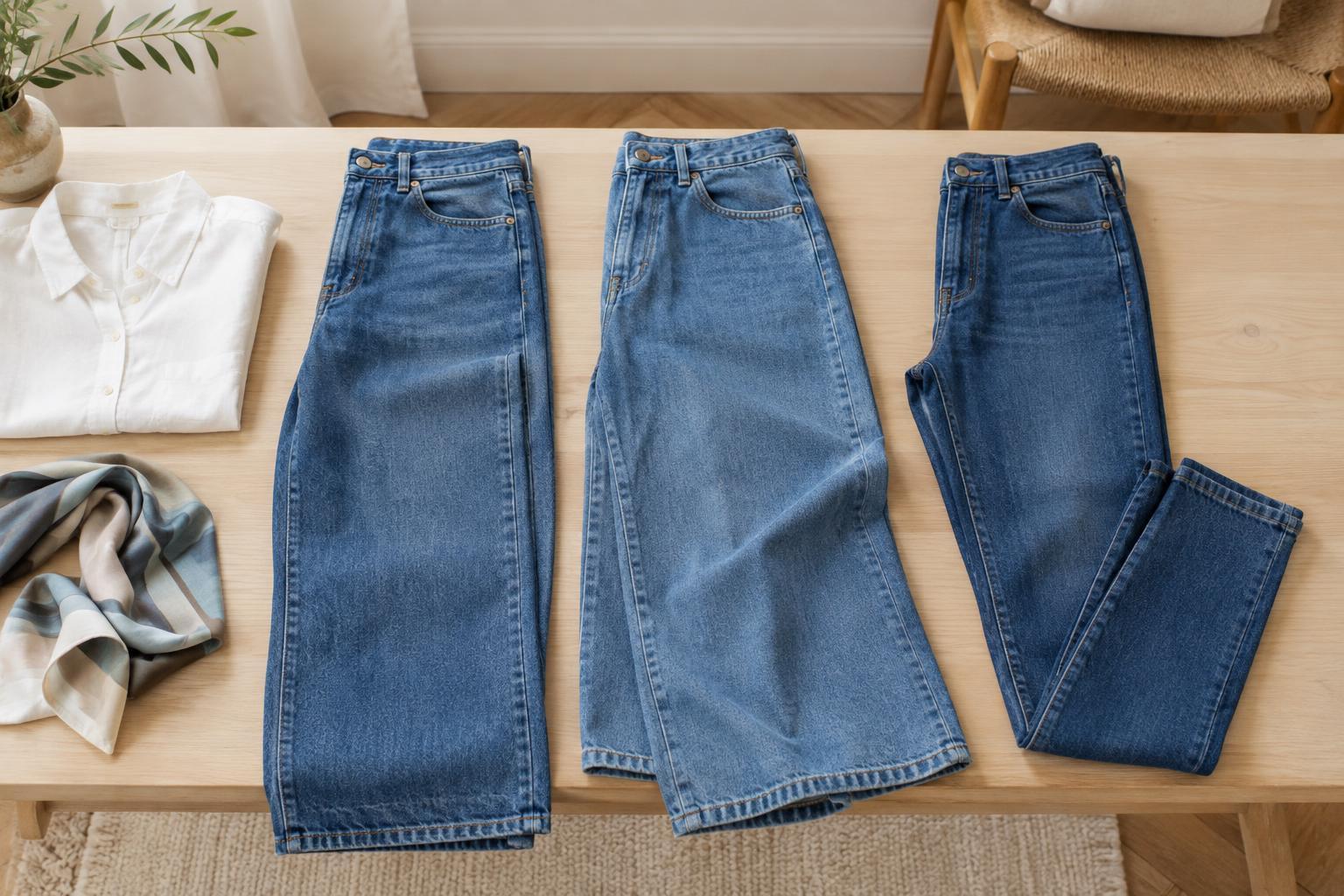
A straight leg runs with a fairly consistent width from thigh to hem and can be a flexible first choice. A slim leg sits closer to the body without being as close-fitting as a skinny cut. Wide-leg jeans create more volume through the leg, while a bootcut or gentle flare becomes wider below the knee. The names are useful, but the shape you see in the mirror matters more than the label on the tag.
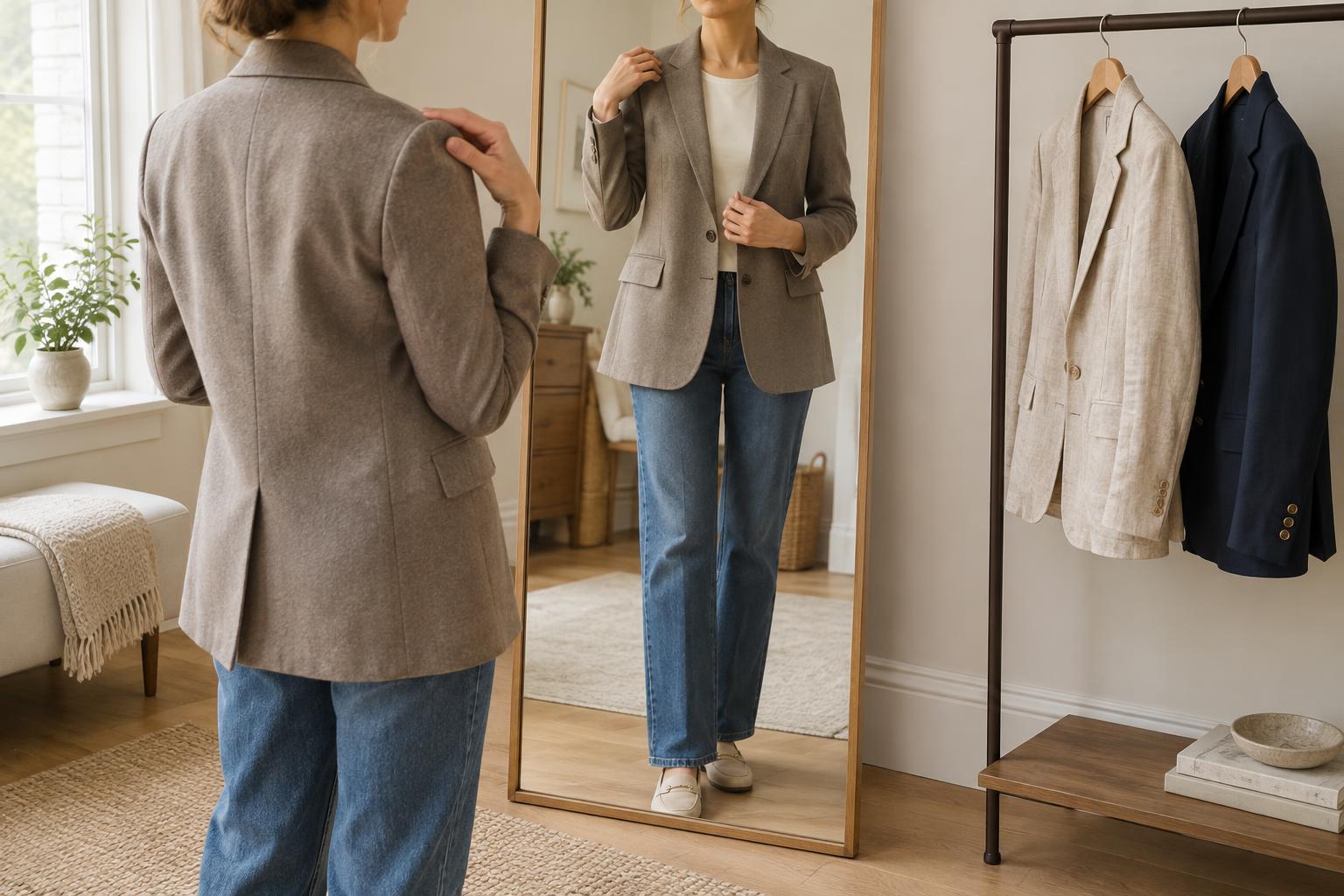
Look at the whole outline, not just the waistband. With a fuller leg, a more fitted top or a defined waist can provide balance; with a slimmer leg, a loose shirt or knit can add contrast. These are options, not rules. Check where the hem falls with your most-worn shoes. A cropped leg shows more ankle and footwear, while a longer hem creates a different line and may need altering to avoid dragging.
Know what stretch changes—and what it does not
Denim made entirely from cotton often feels firmer at first. Denim with a small amount of stretch fiber may feel easier to move in straight away, particularly when sitting or bending. More stretch can make jeans feel closer-fitting and softer, but it does not necessarily solve a poor cut. If the waistband pinches or the seams pull uncomfortably, try another size or shape rather than relying on the fabric to give.
Read the fabric label when comparing pairs. Stretch content is one clue, but two pairs with similar labels can still feel different because of their fabric weight and construction. In the fitting room, sit down, take a few steps and bend your knees. Pay attention to whether the jeans move with you and return to a shape you like. Comfort should last beyond the first minute in front of the mirror.
Make the final choice with your wardrobe in mind
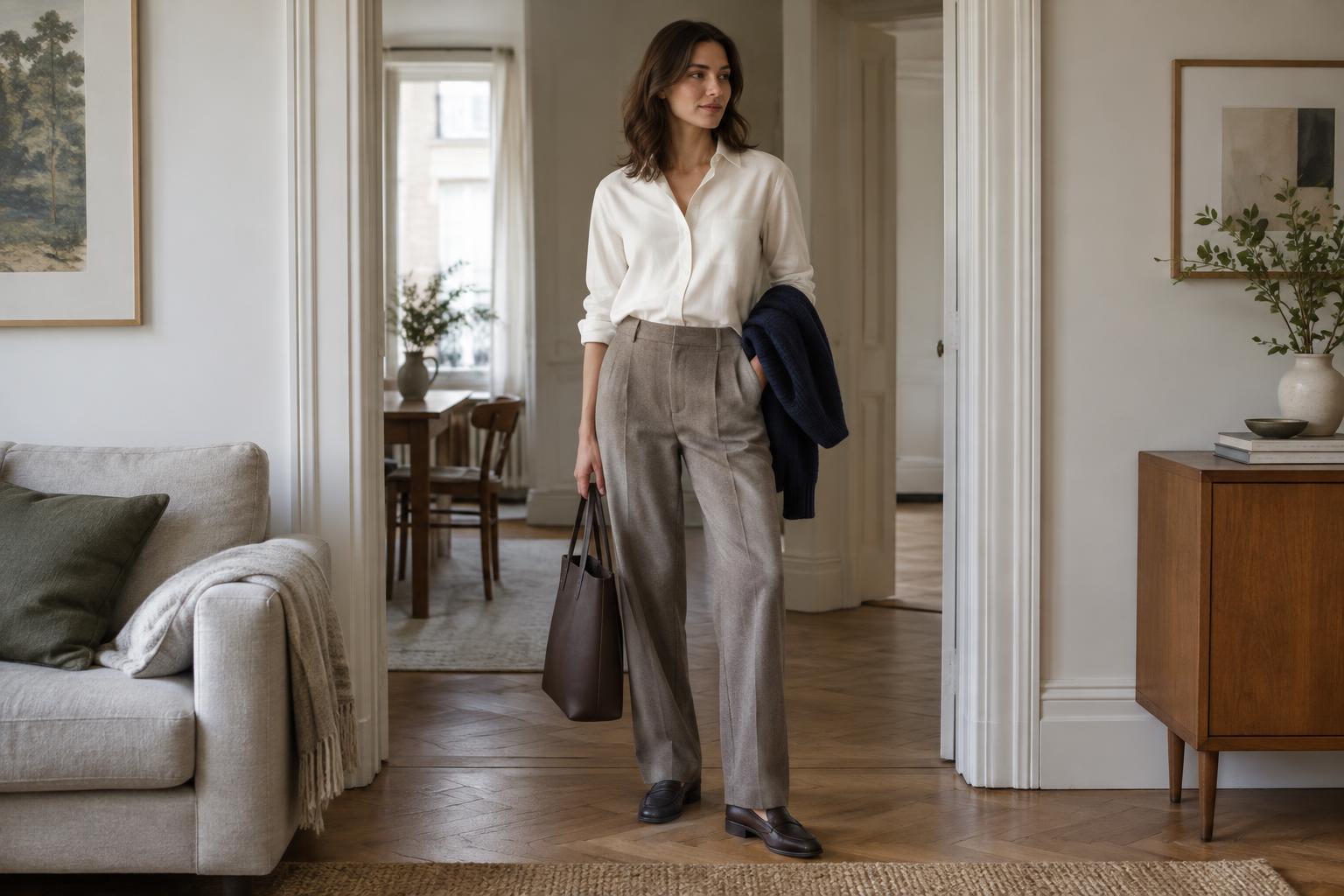
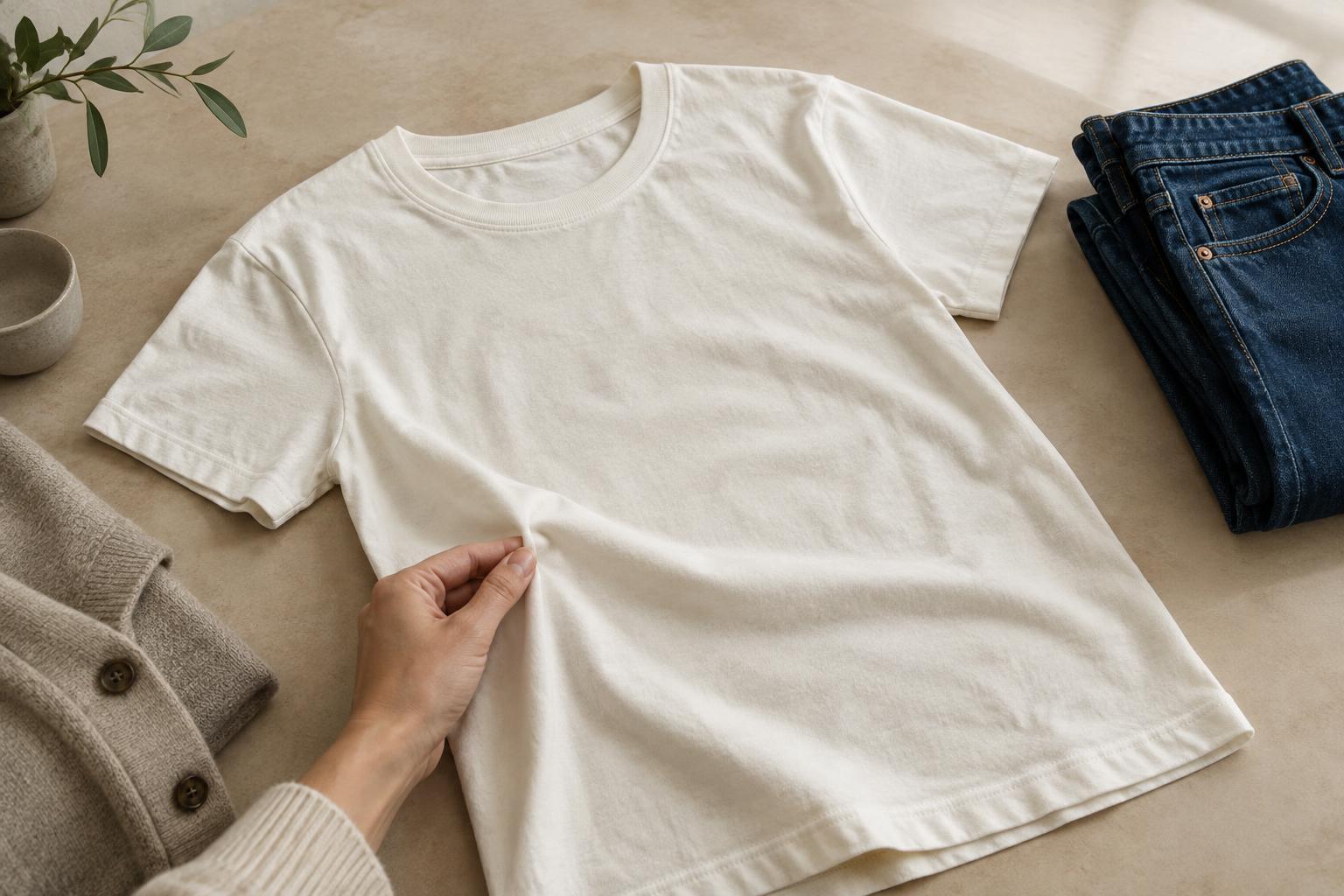
Once a pair passes the comfort test, picture three outfits you could make with clothes you own. For a simple, French-inspired approach to everyday dressing, try jeans with a plain knit and loafers, a crisp shirt and flats, or a jacket and understated accessories. A scarf can add color near the face without requiring a different pair of jeans. These combinations work best when the denim feels natural to wear, not like a costume.
Before buying, check the fit from the side and back as well as the front. Look for a waistband that stays put, a seat that feels comfortable and a hem length you can use or realistically alter. If two pairs meet those needs, choose the one you can imagine reaching for more often. The best starting pair is not a particular rise or trendy cut; it is the pair that makes getting dressed simpler.