Begin with the wardrobe, not the accessory
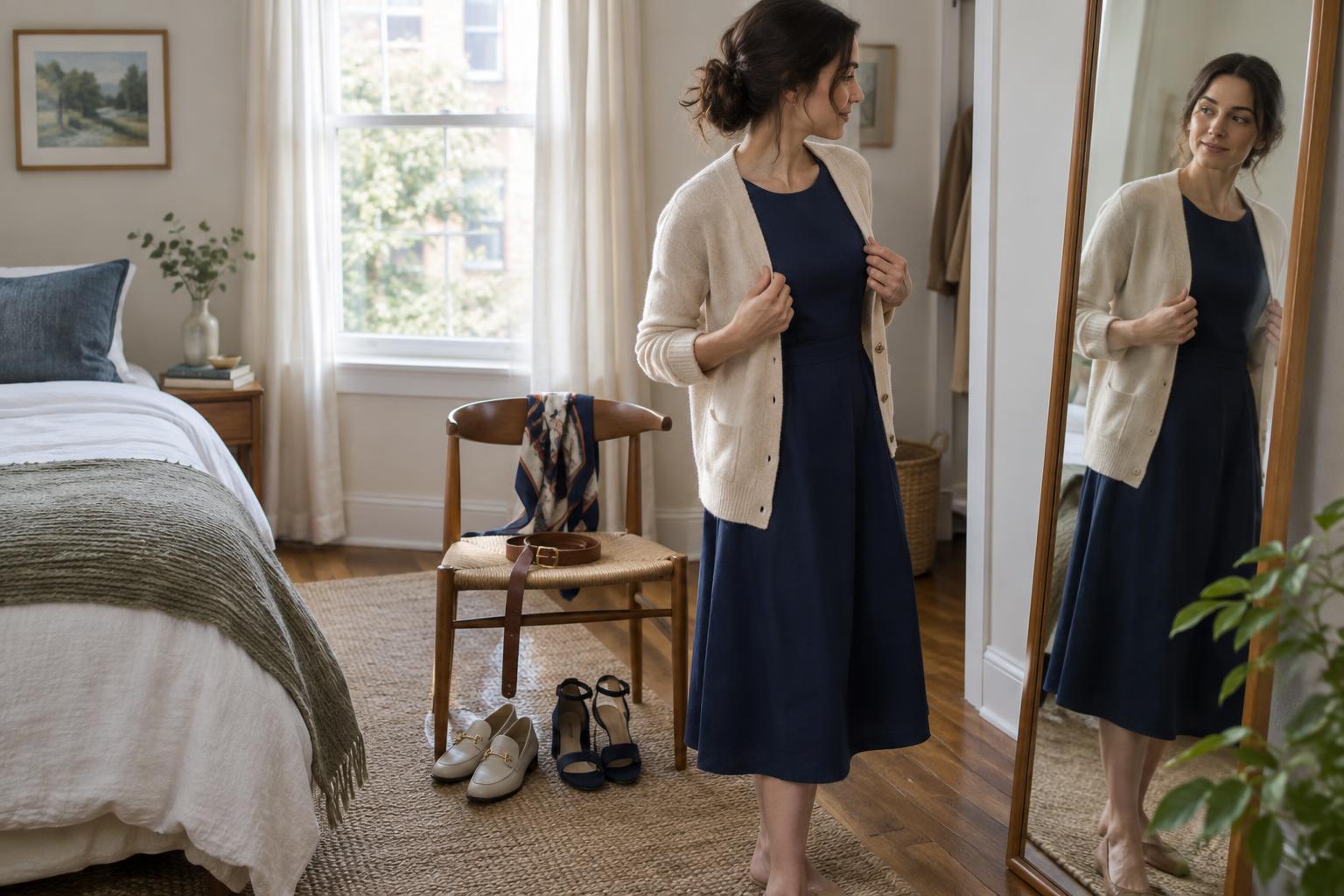
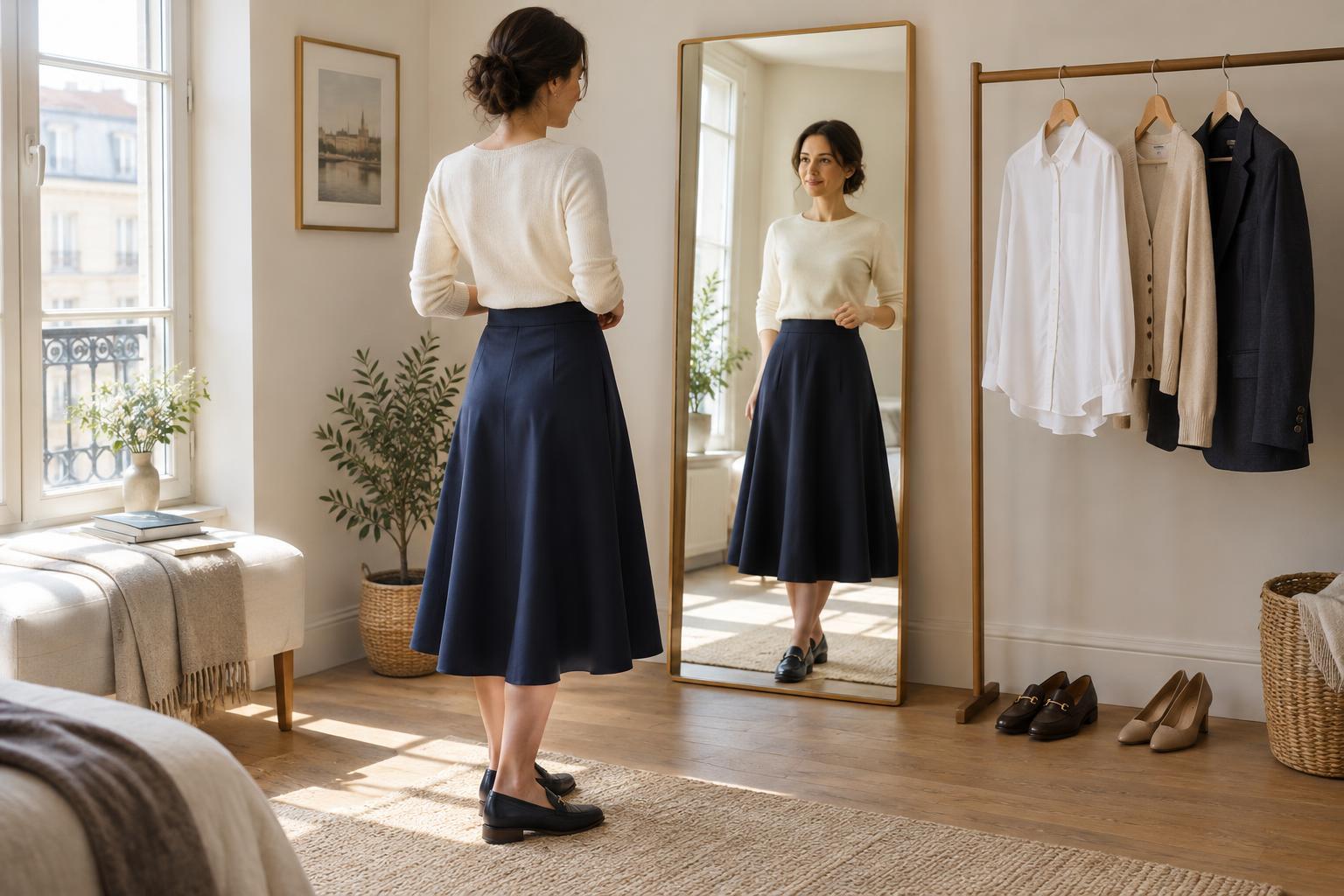
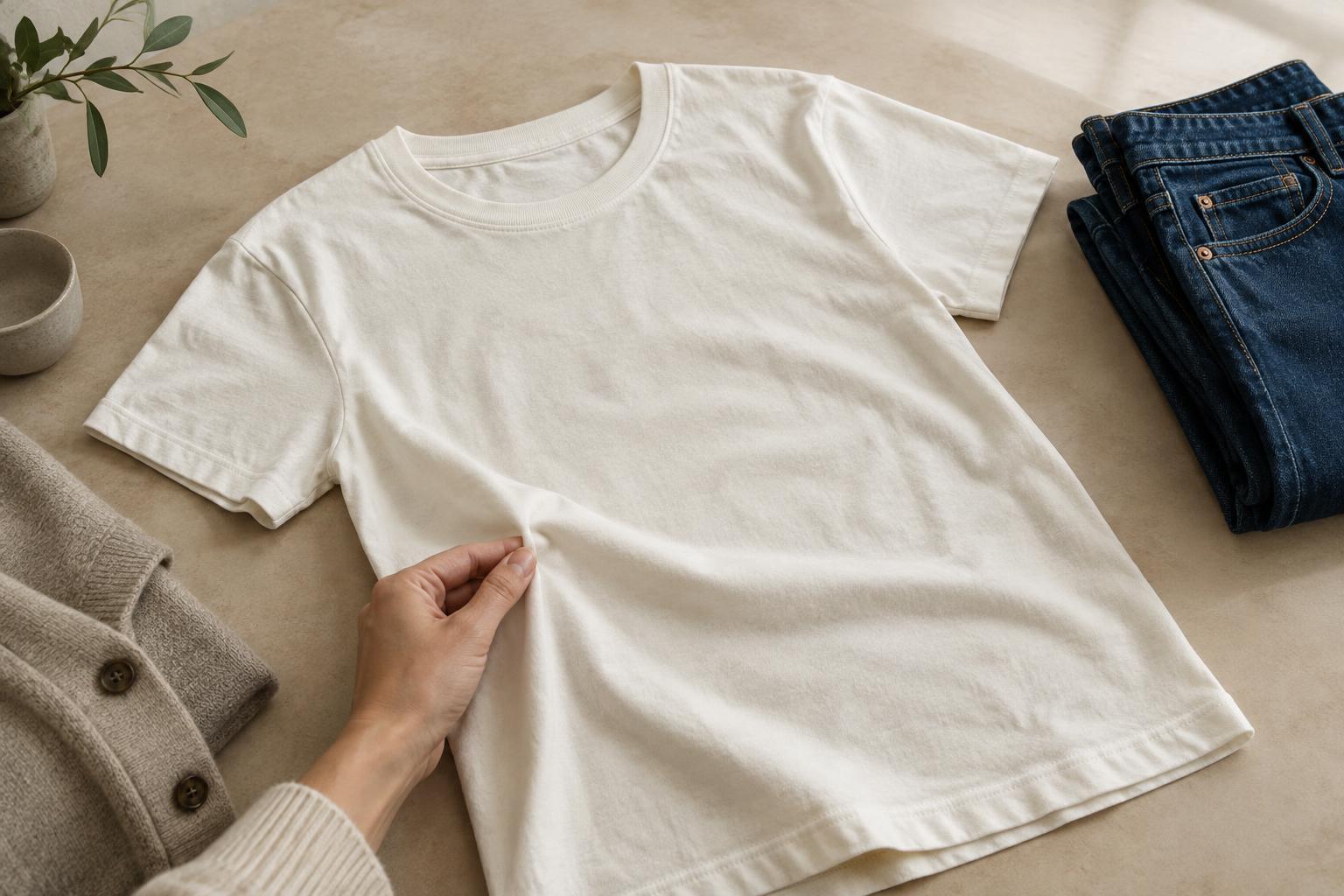
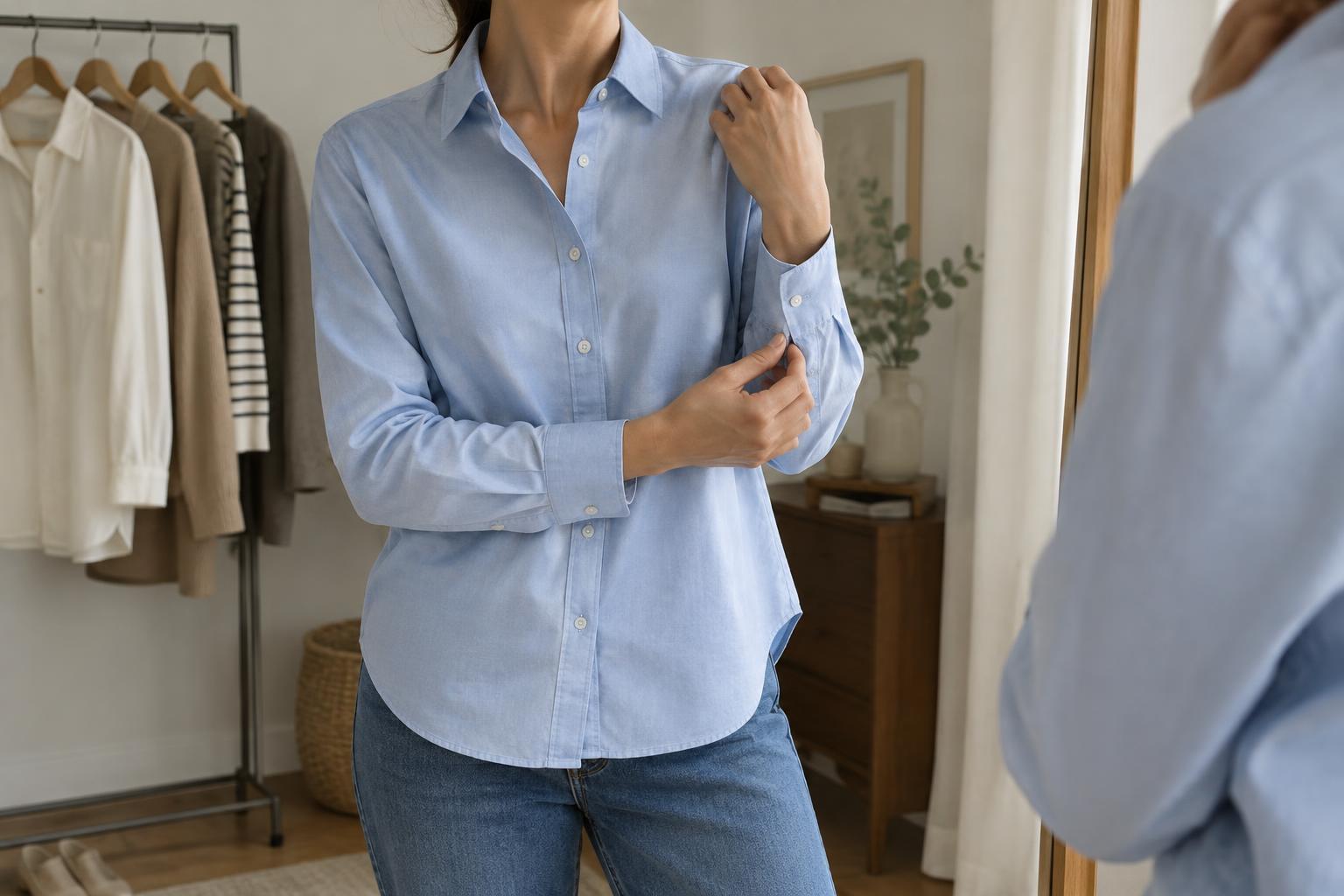
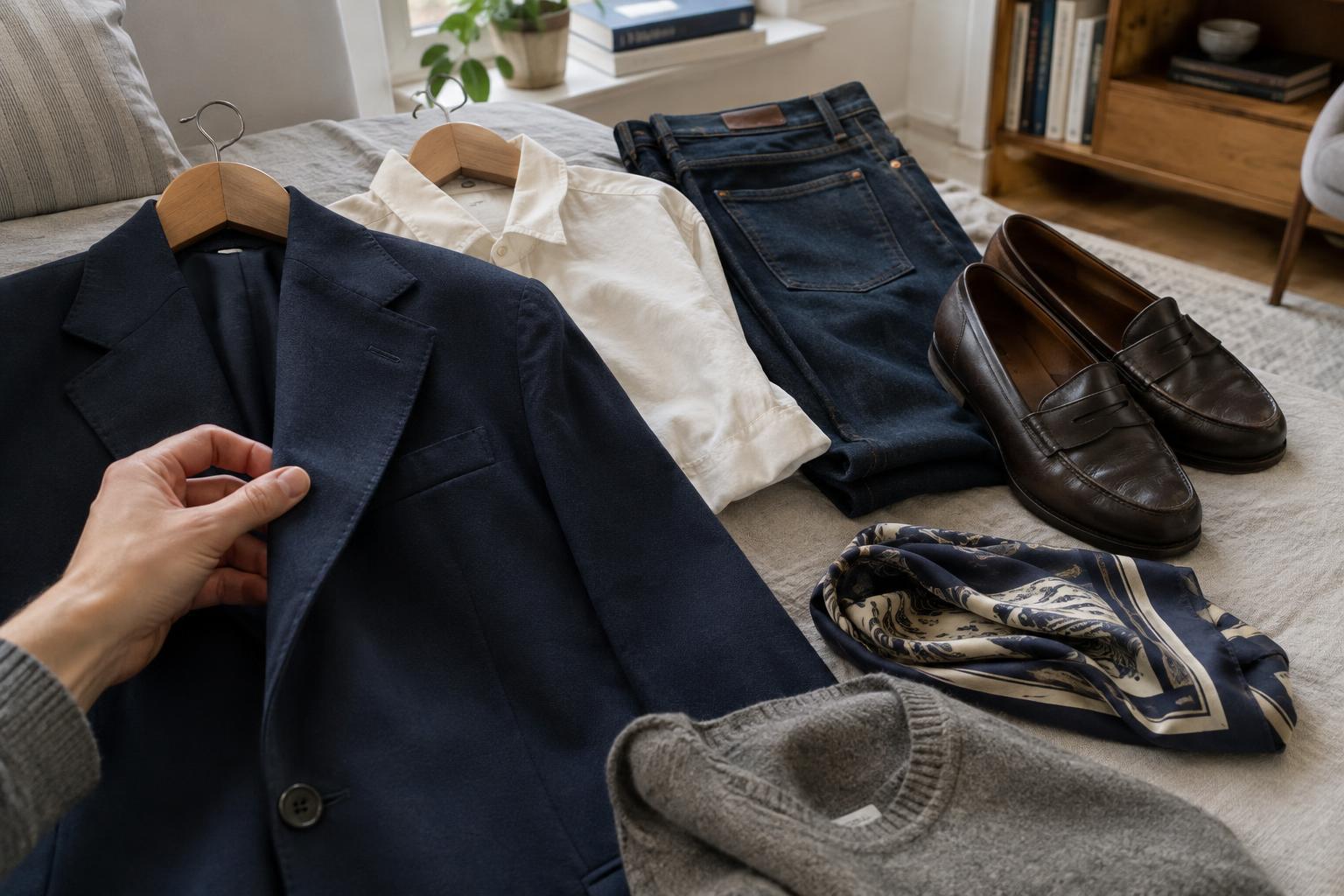
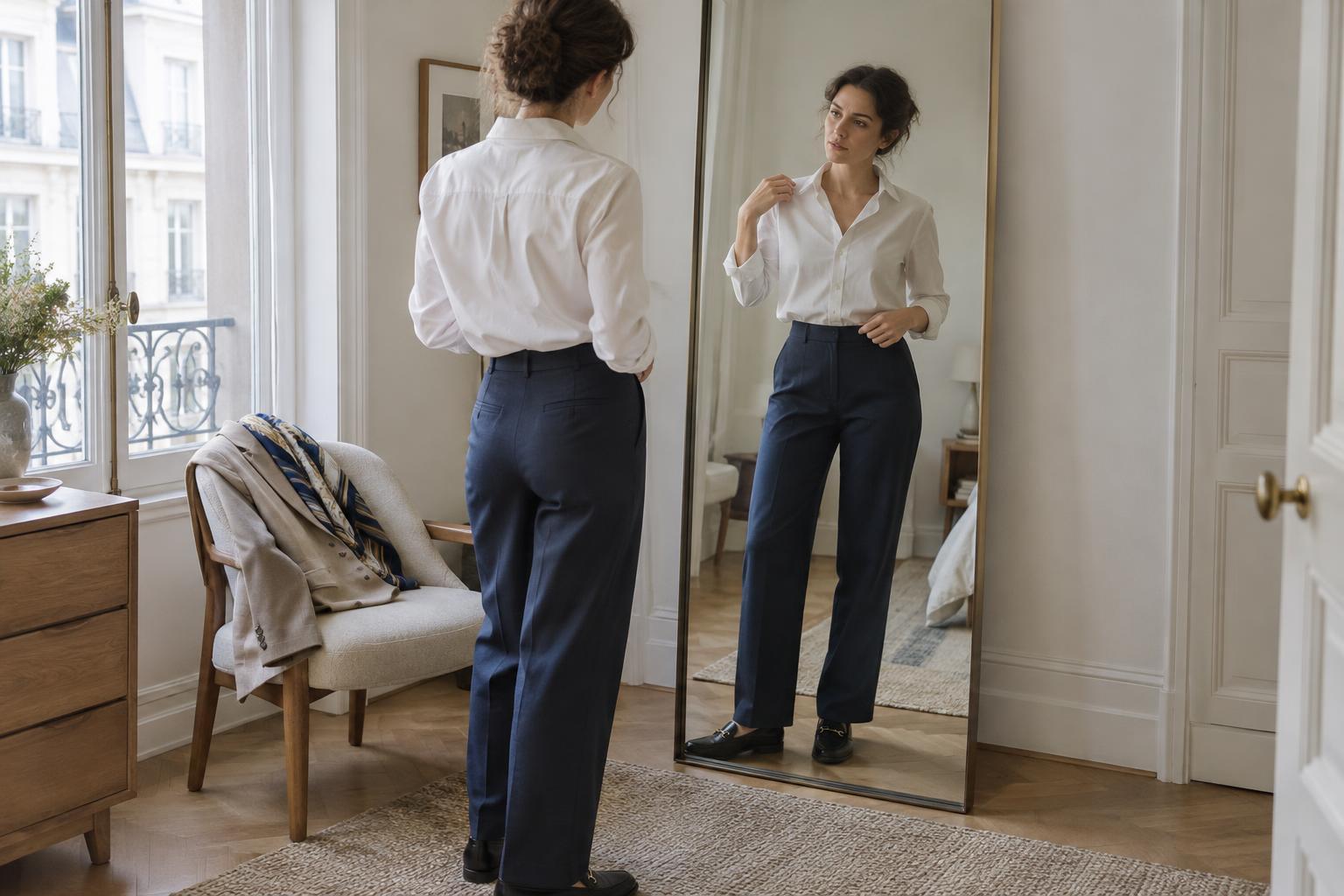
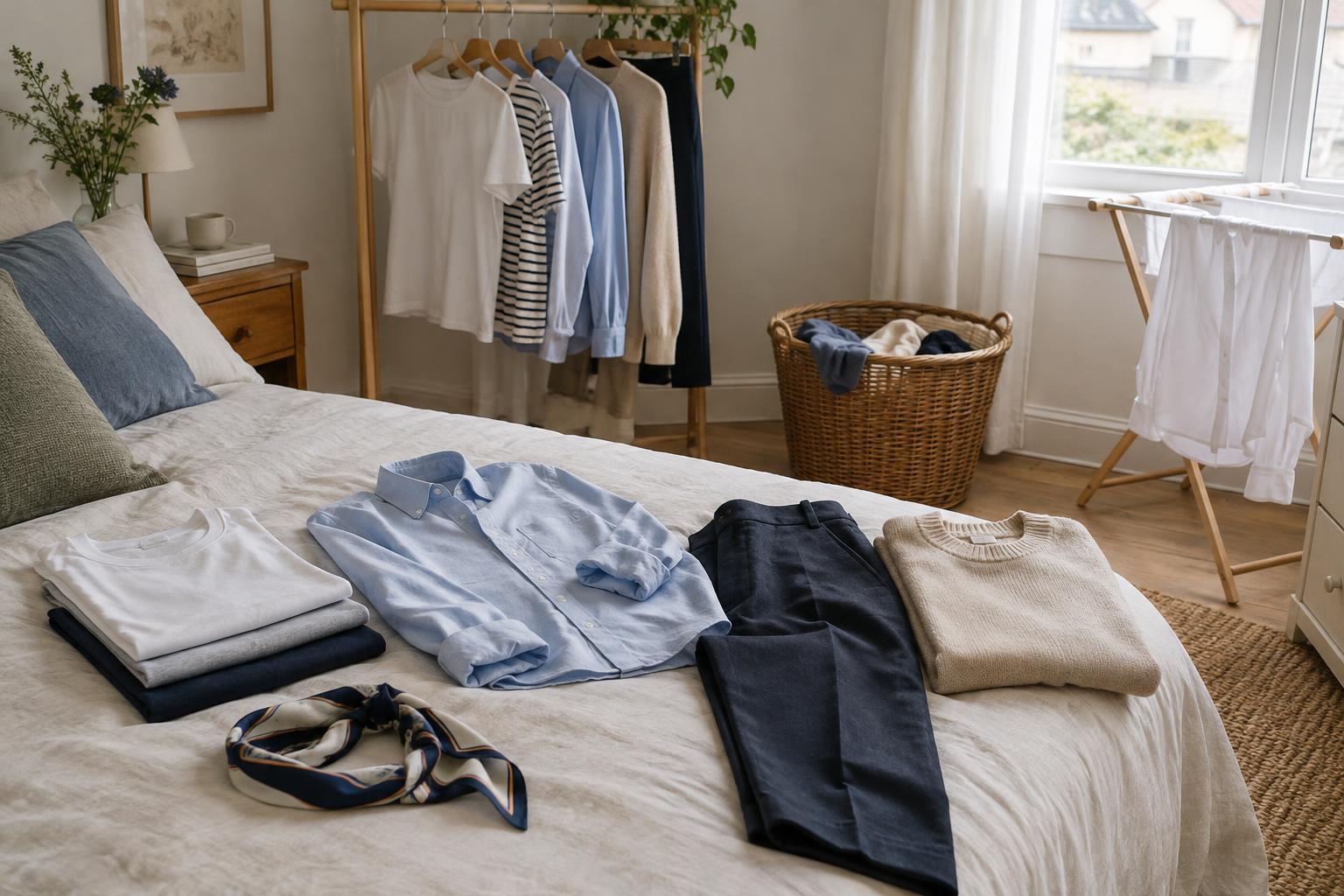
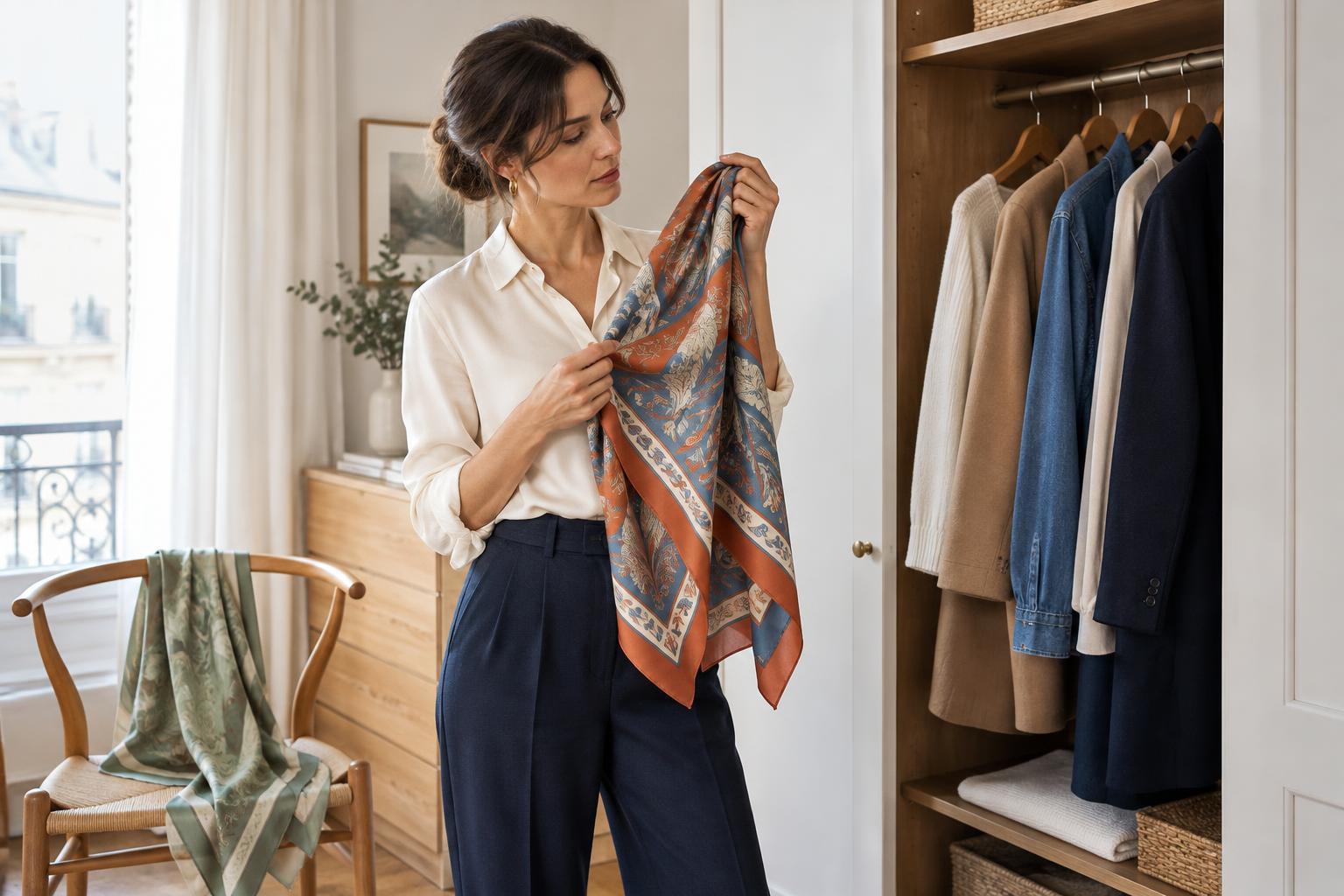
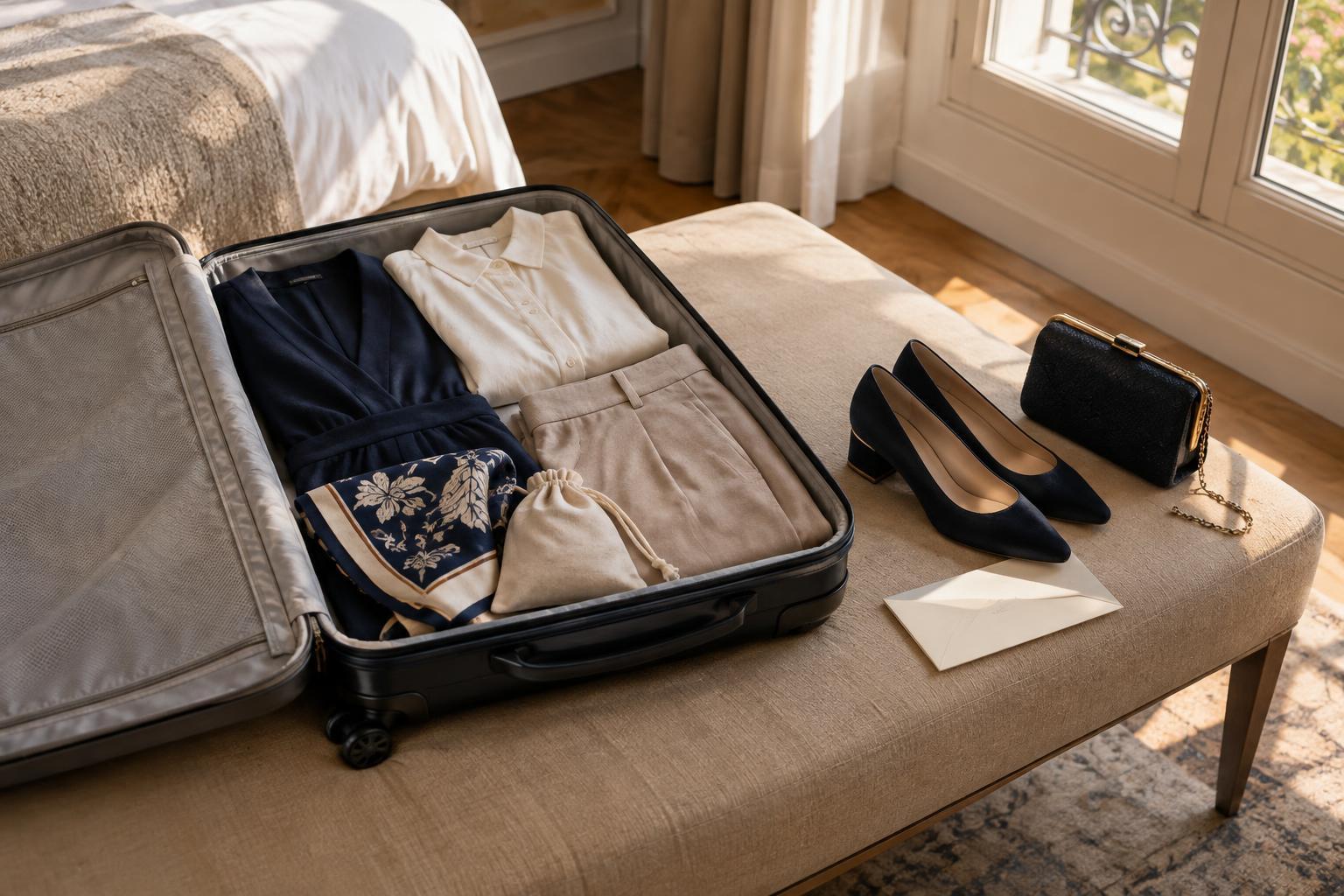
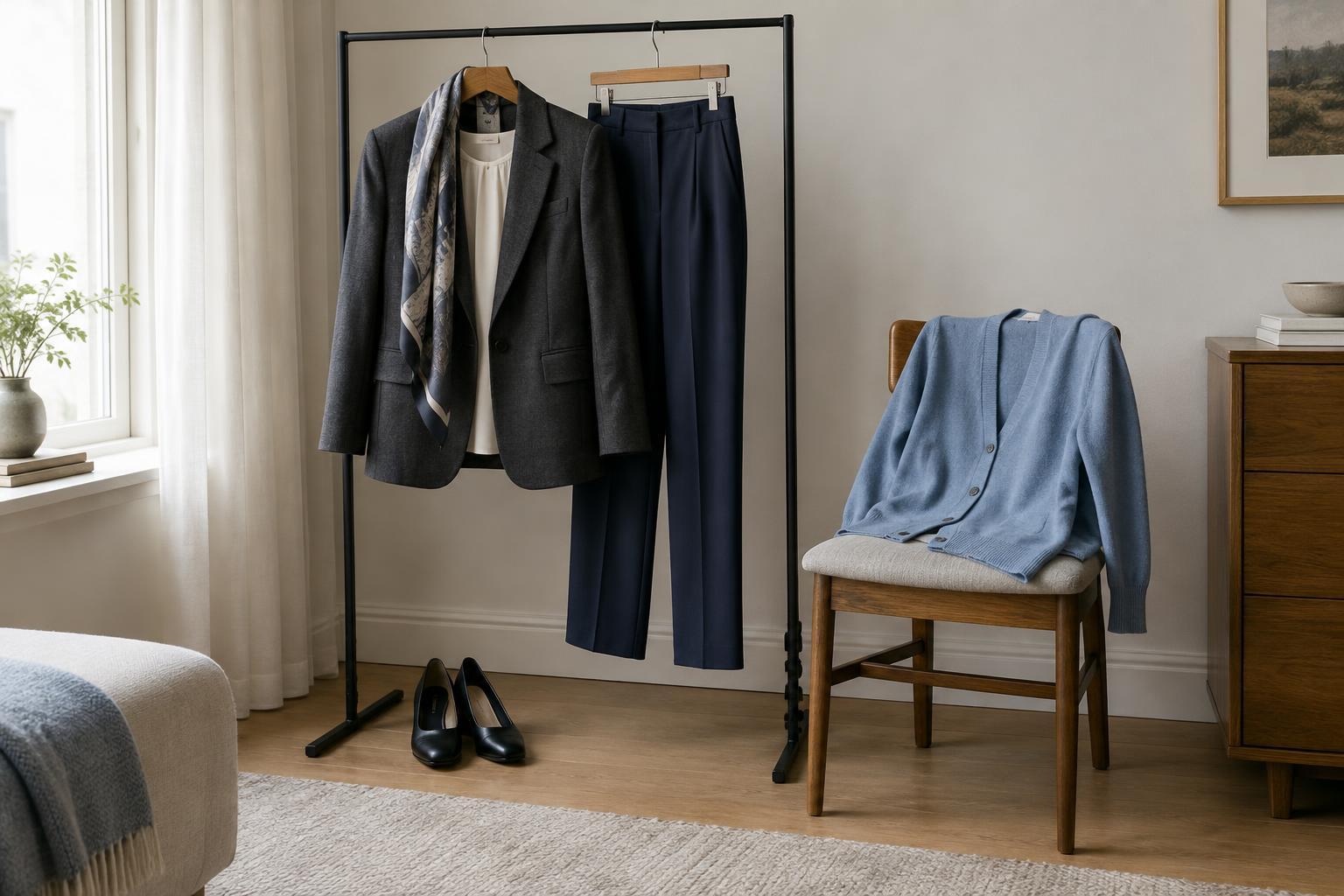
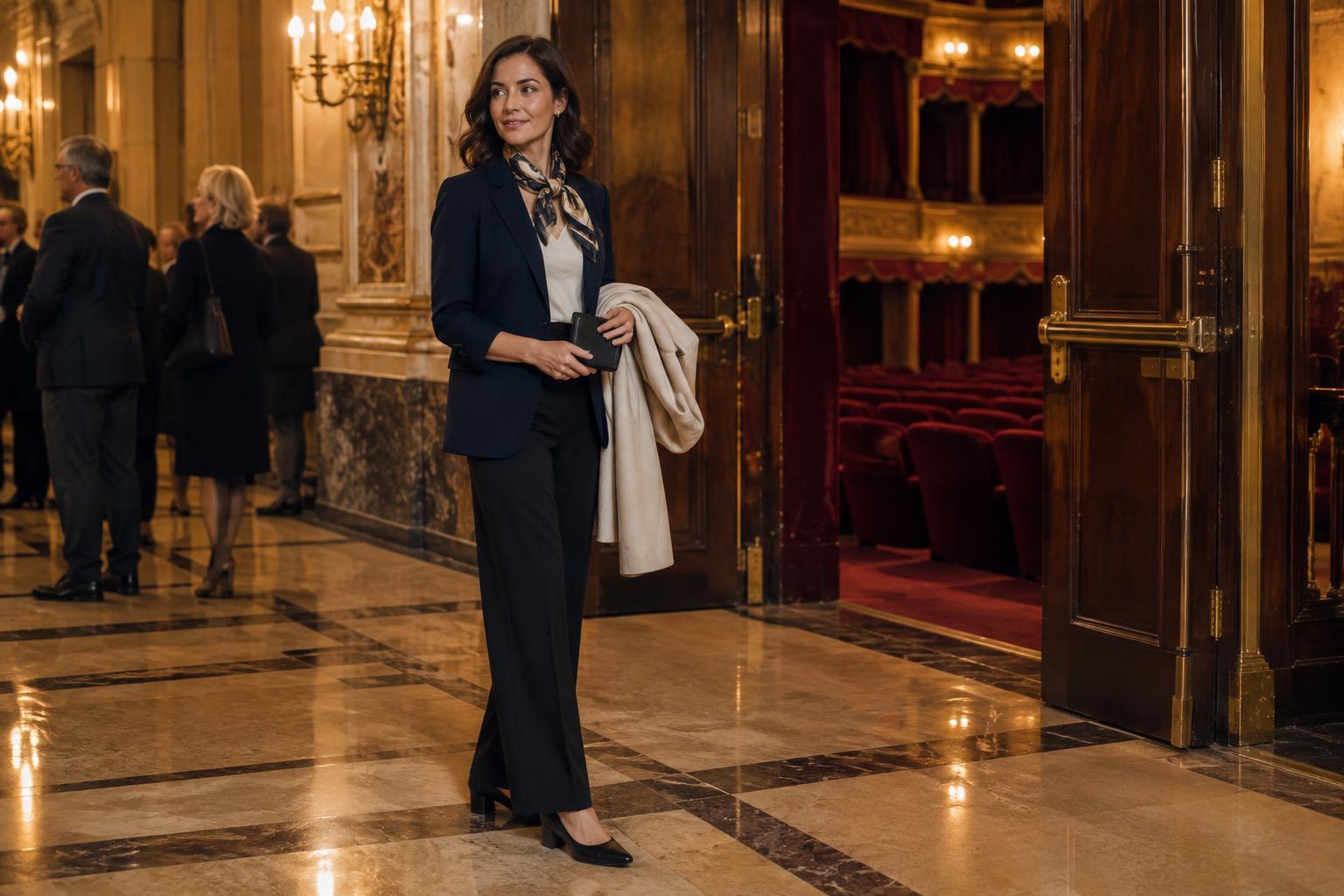
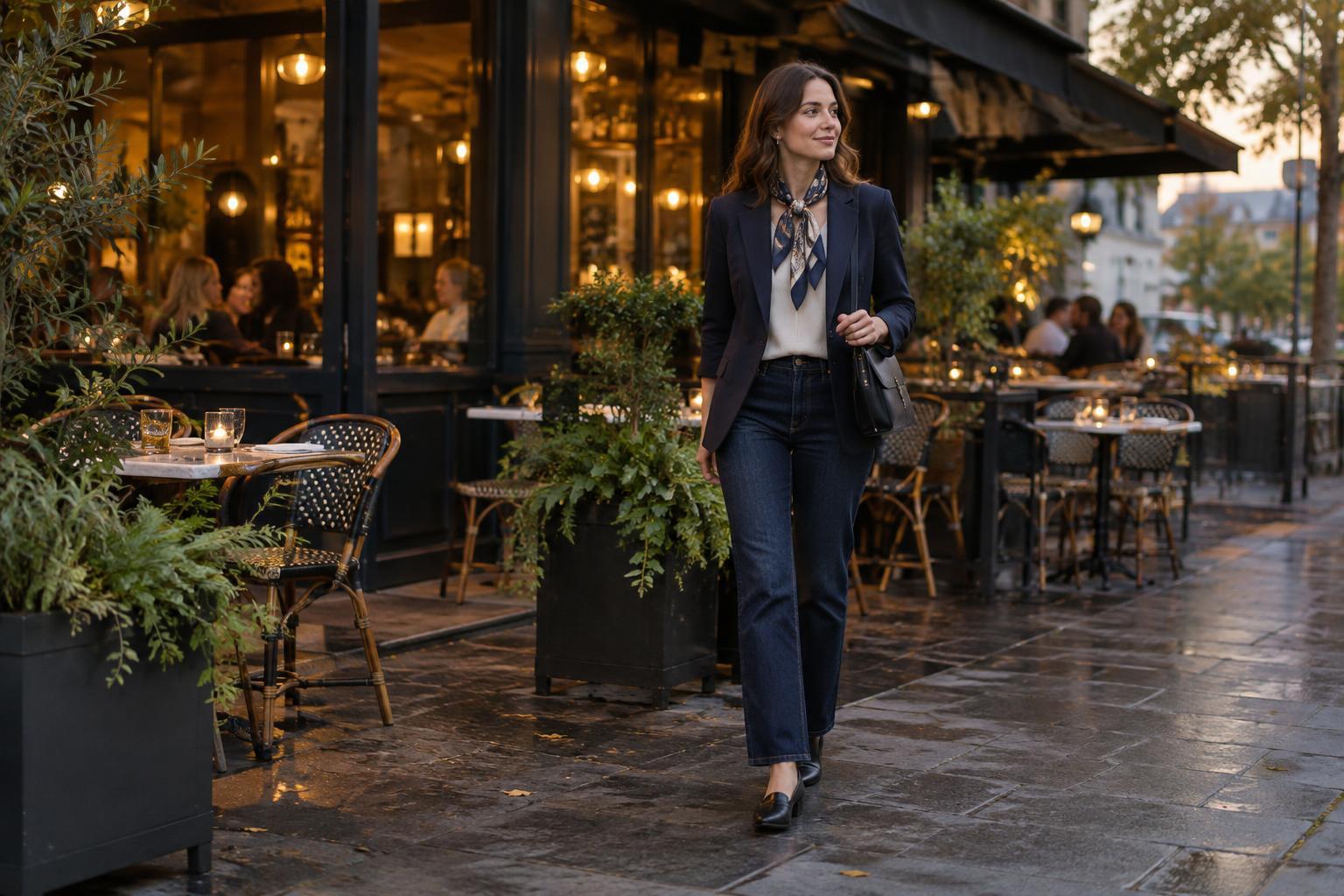
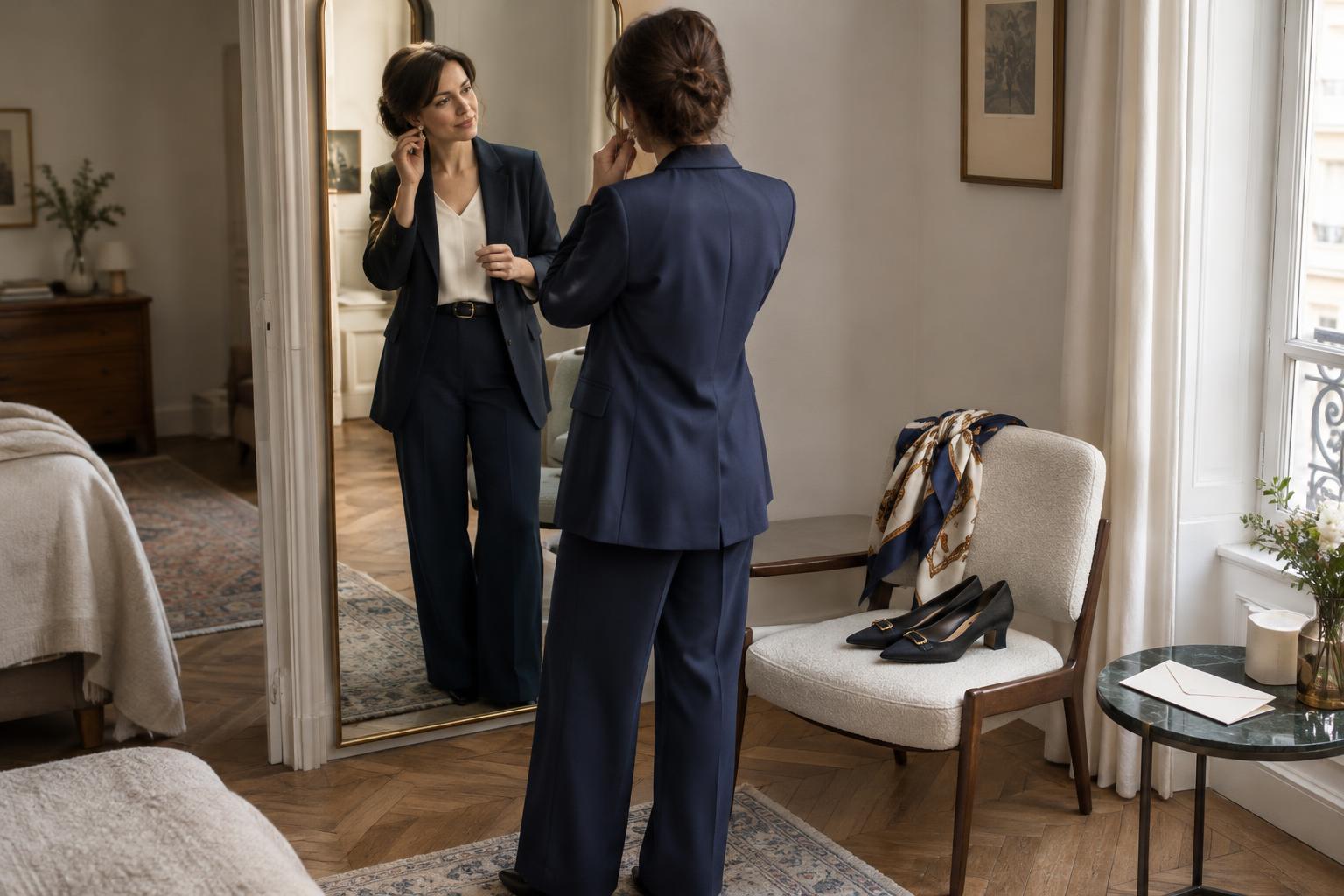
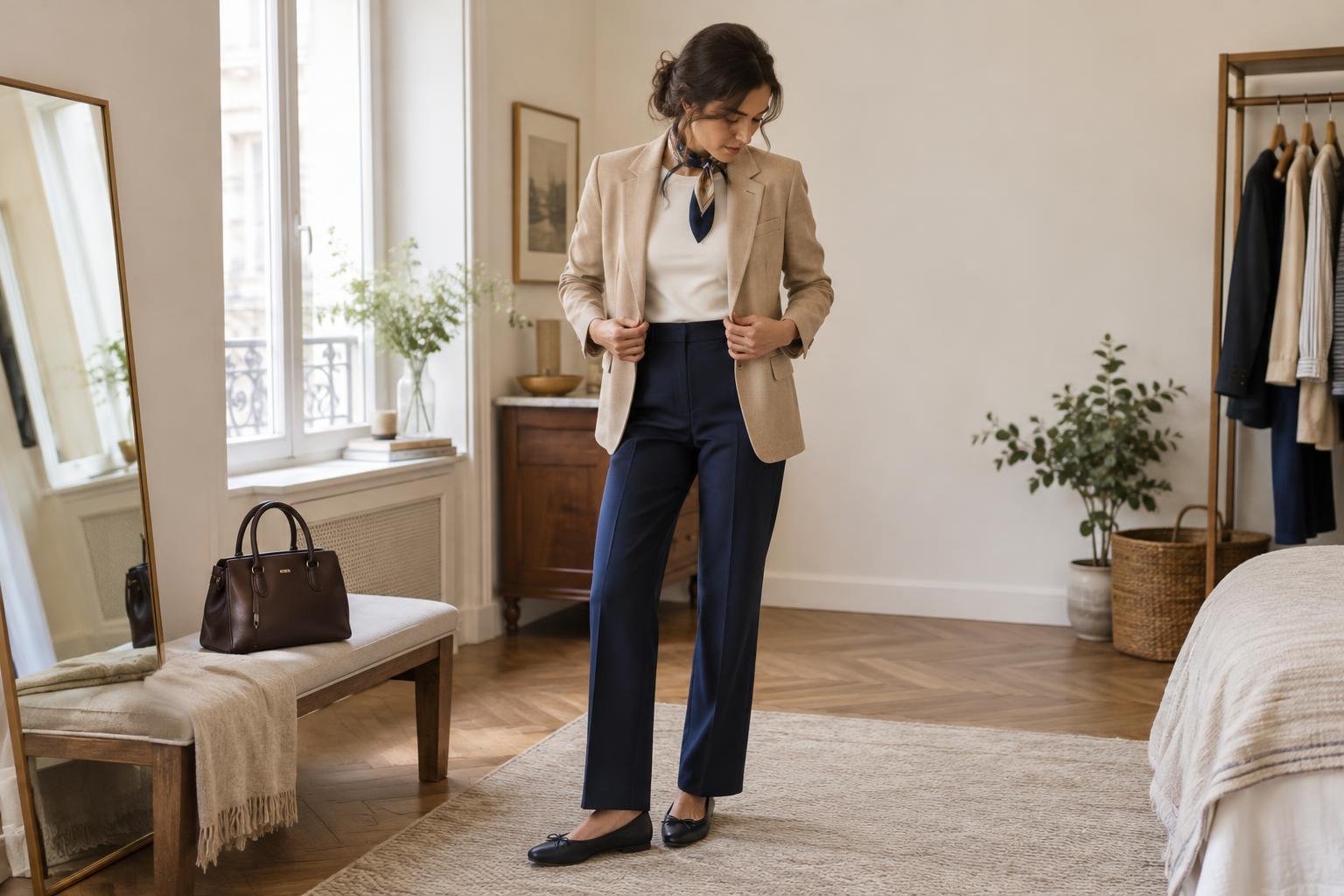
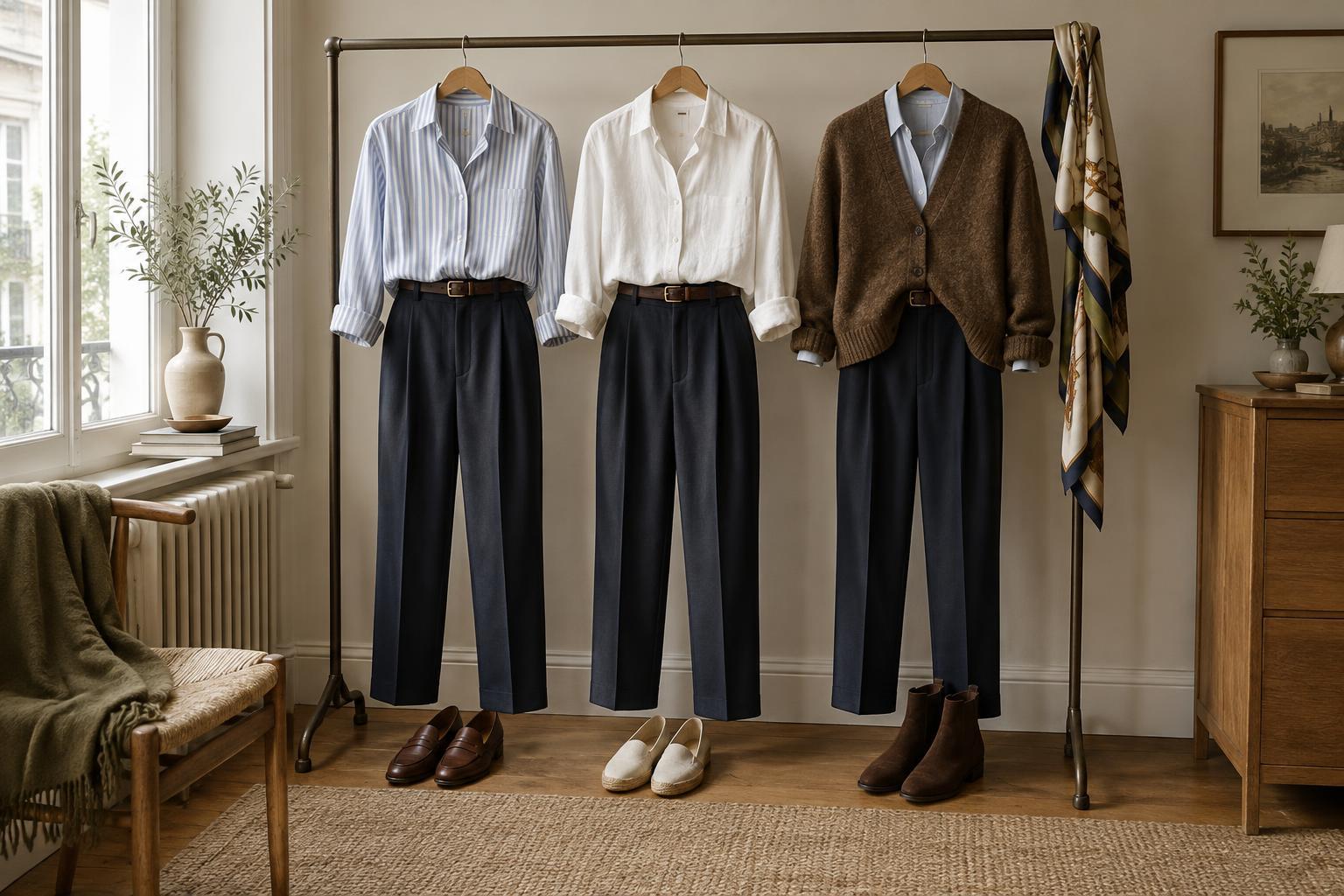
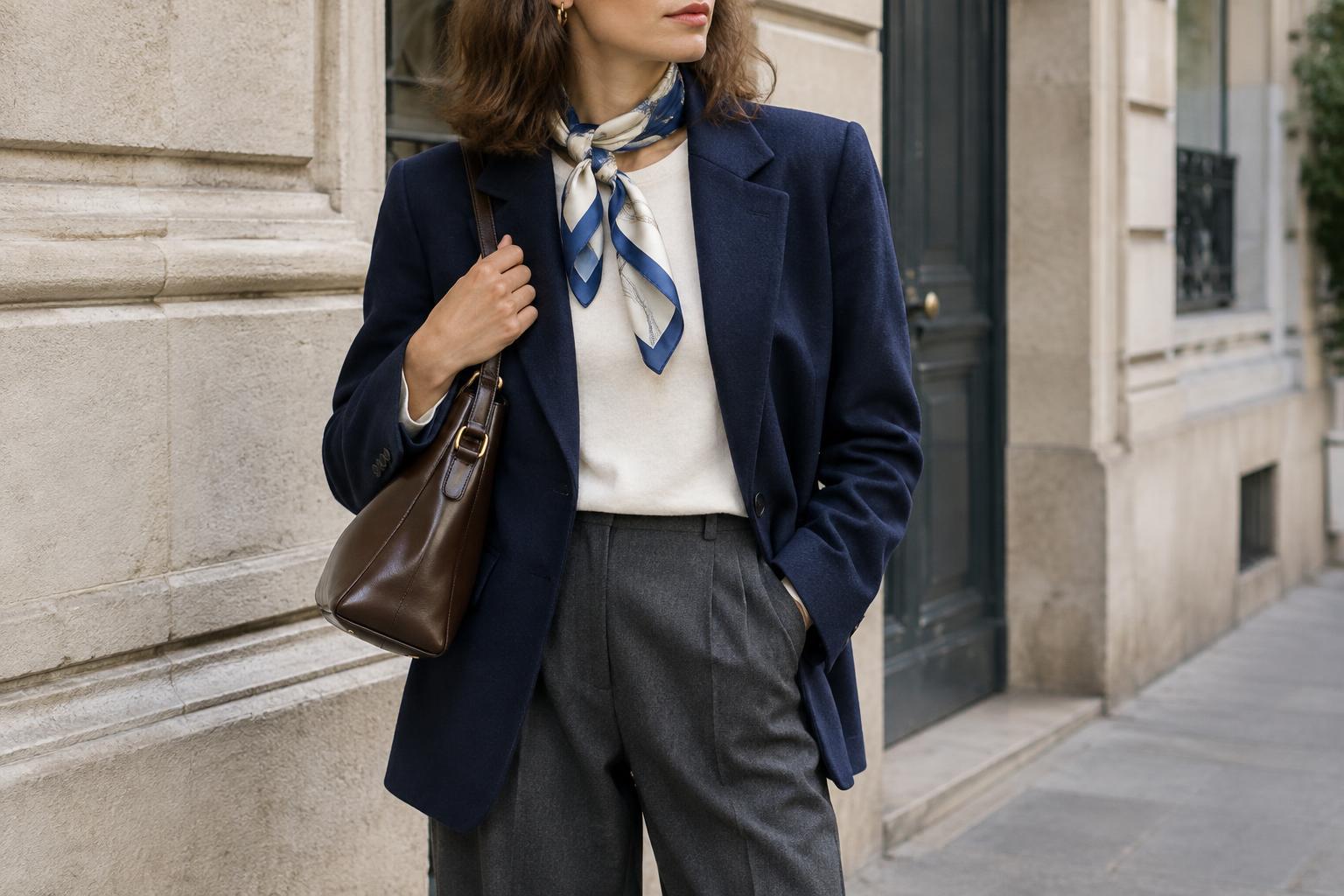
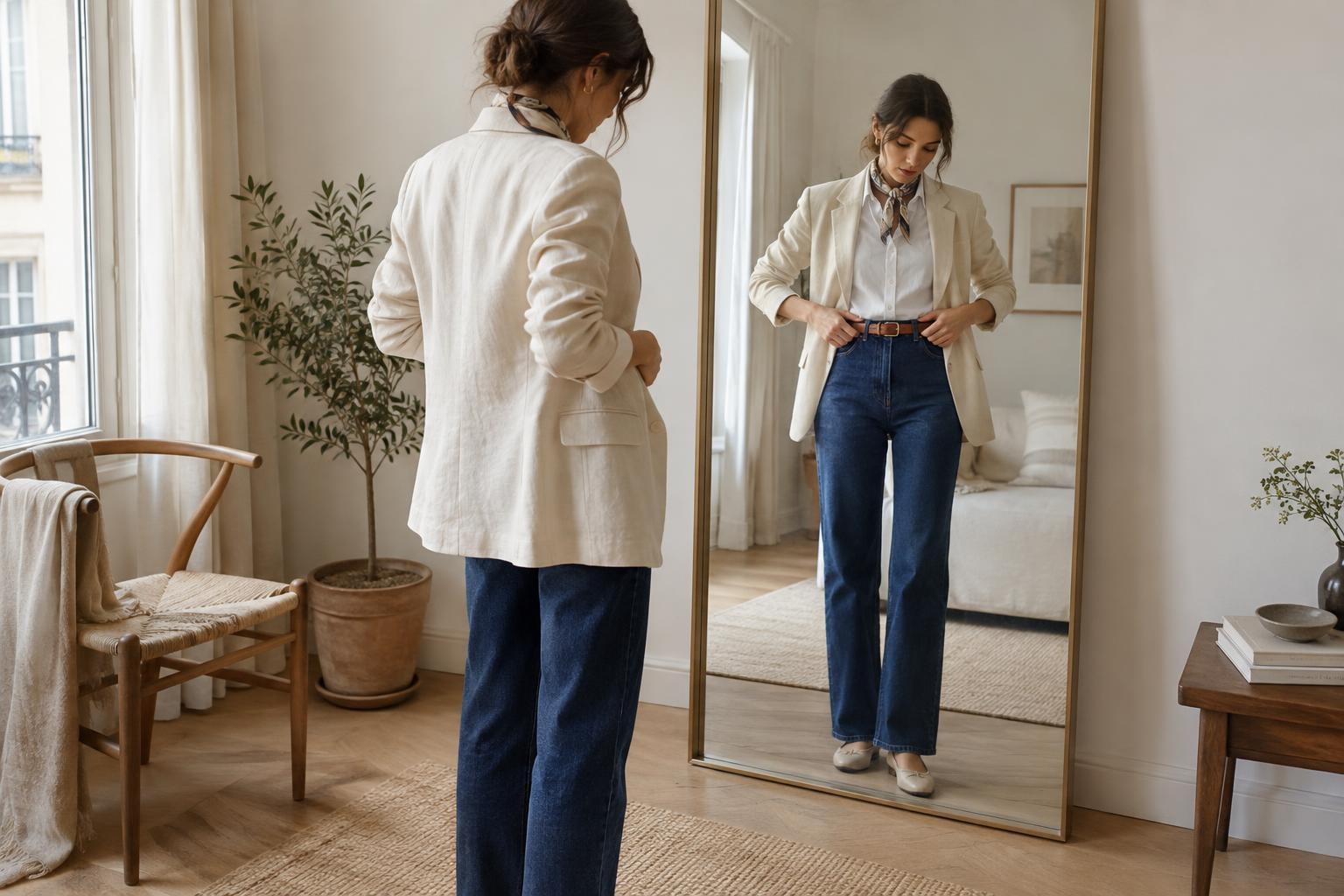
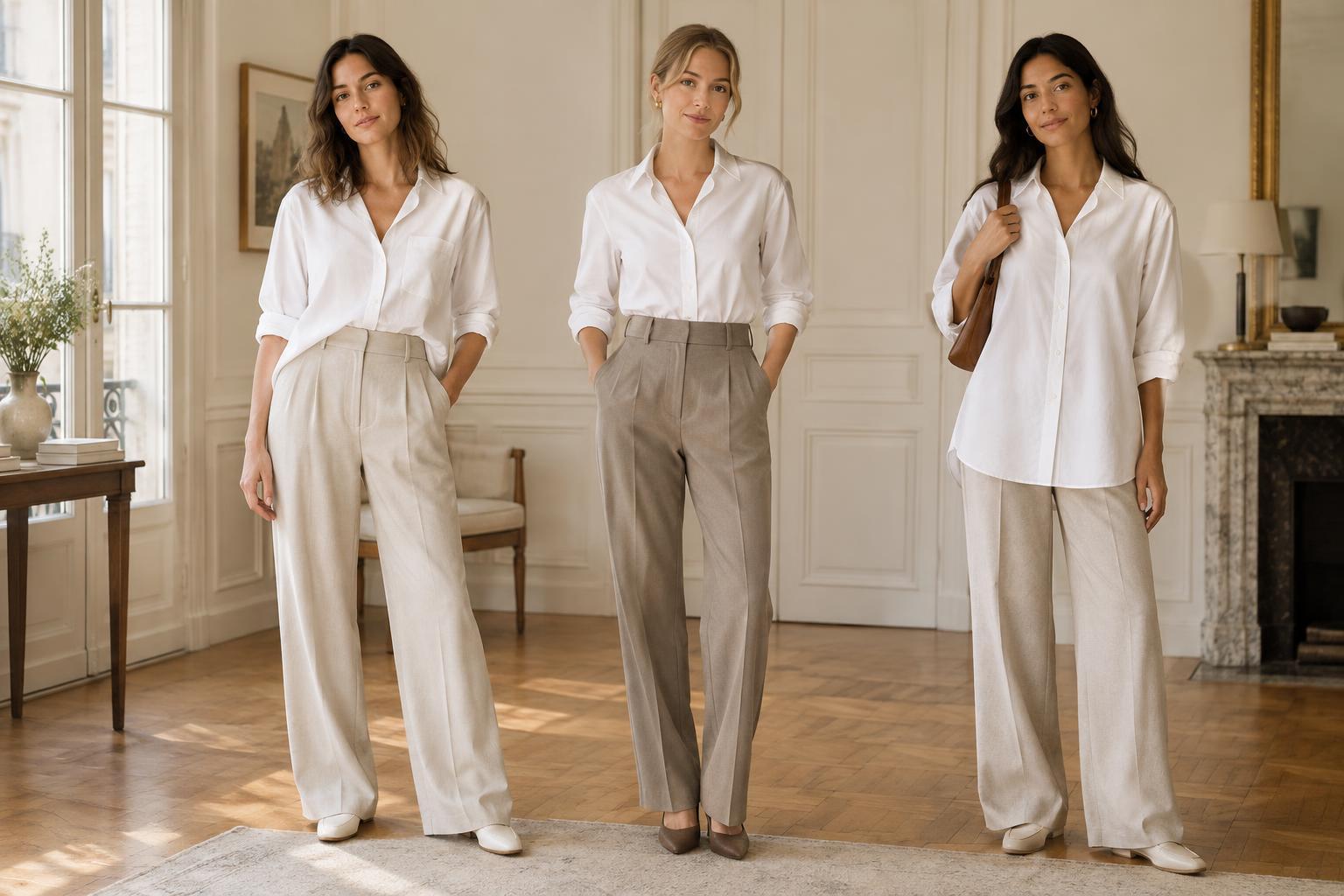
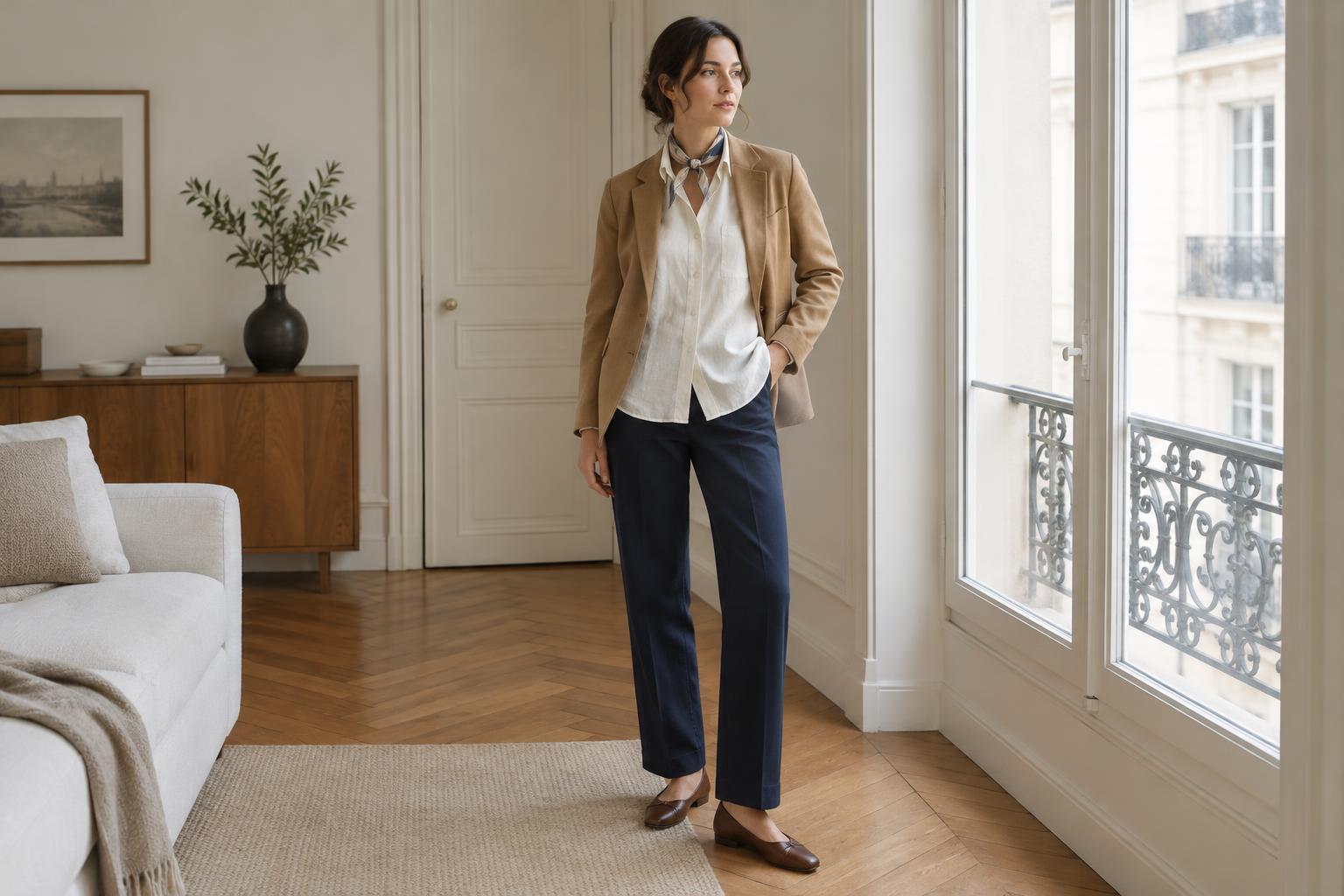
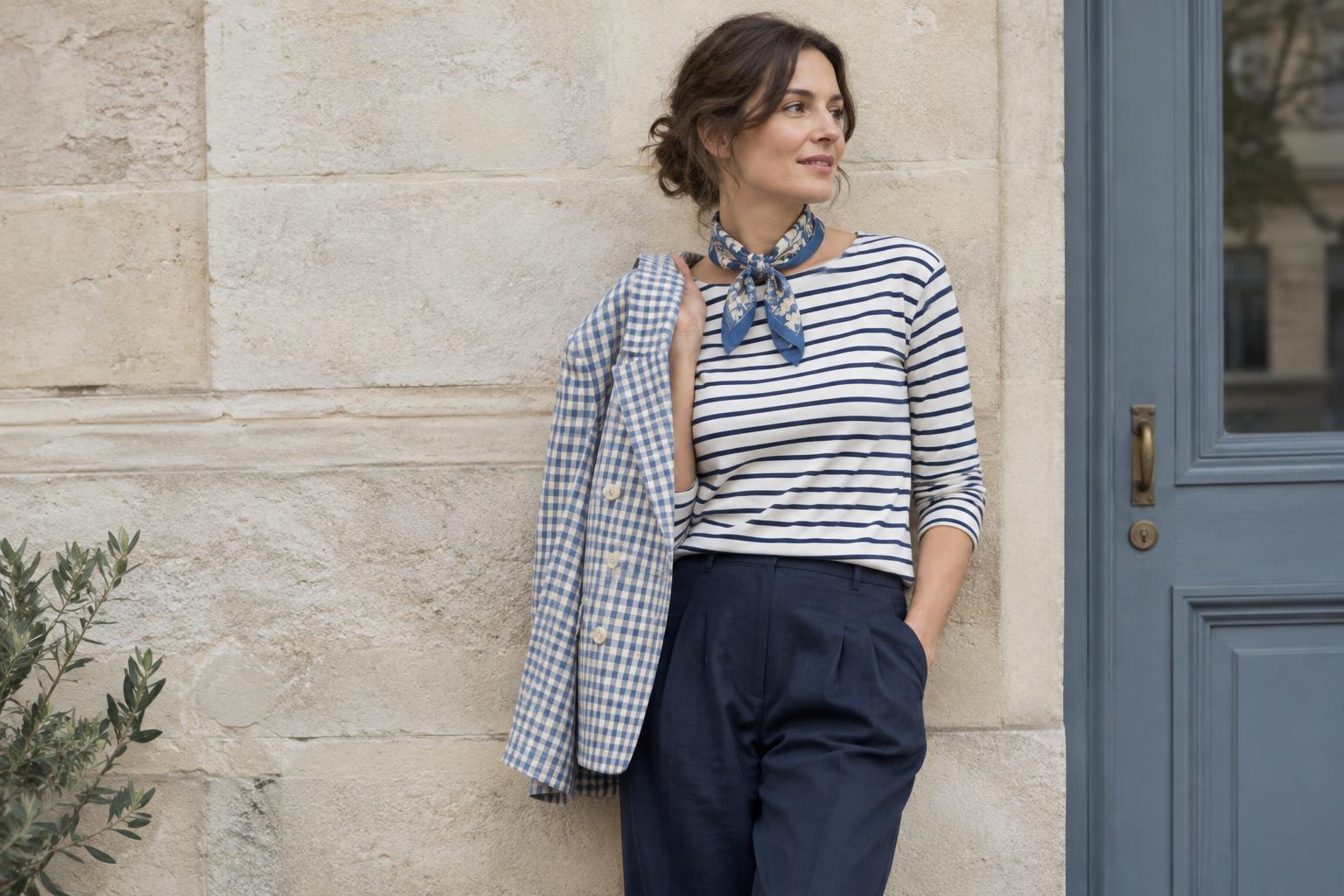
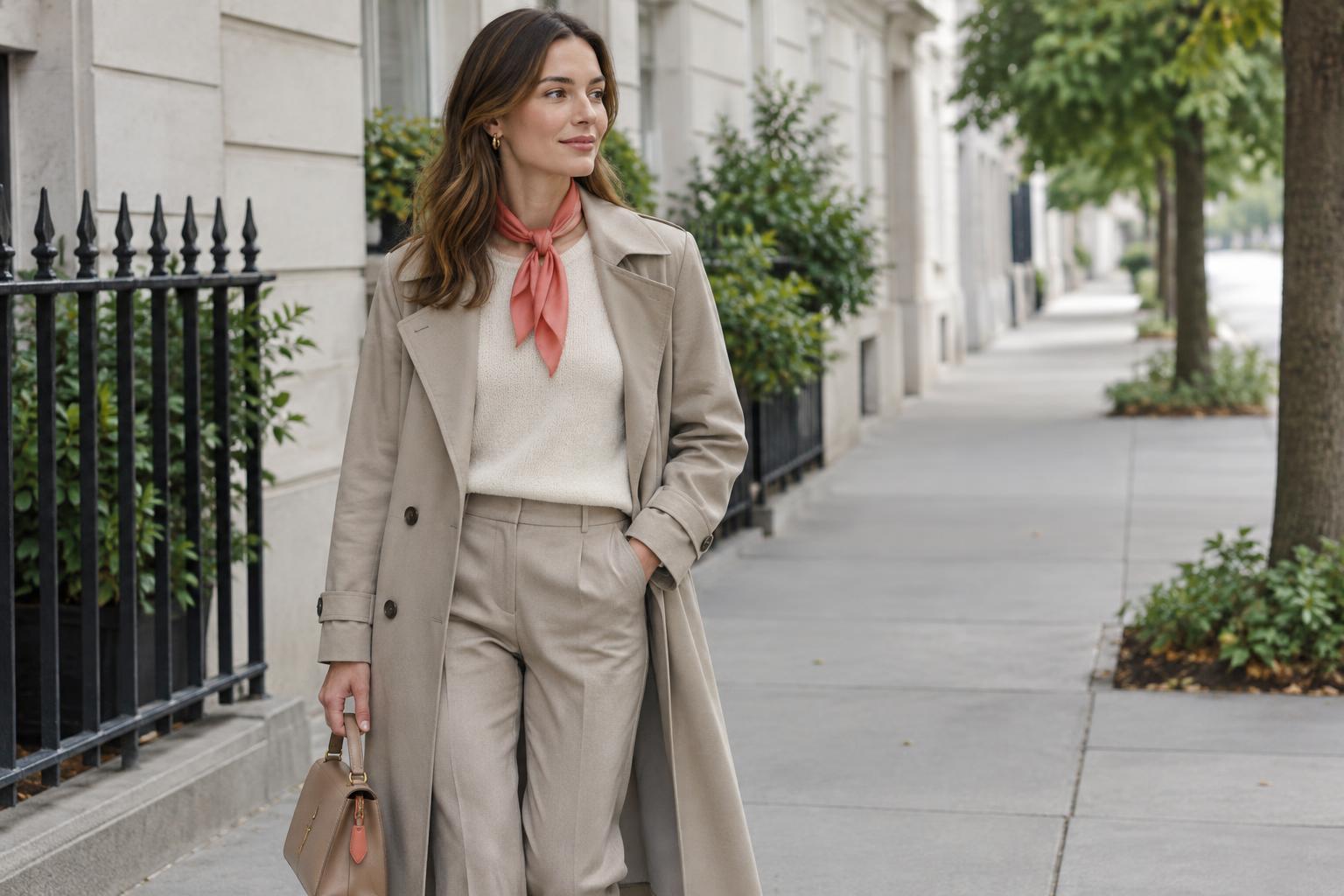
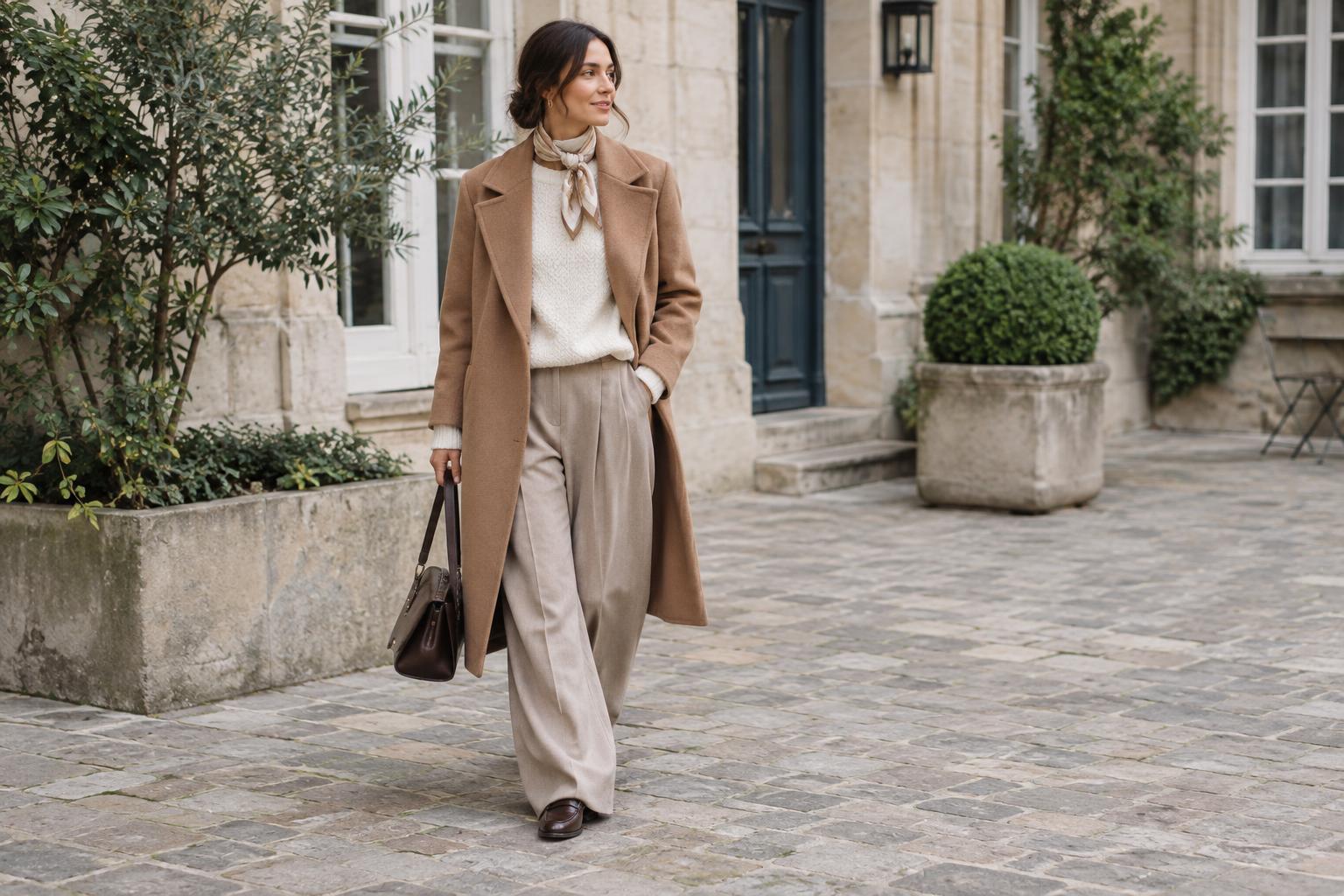
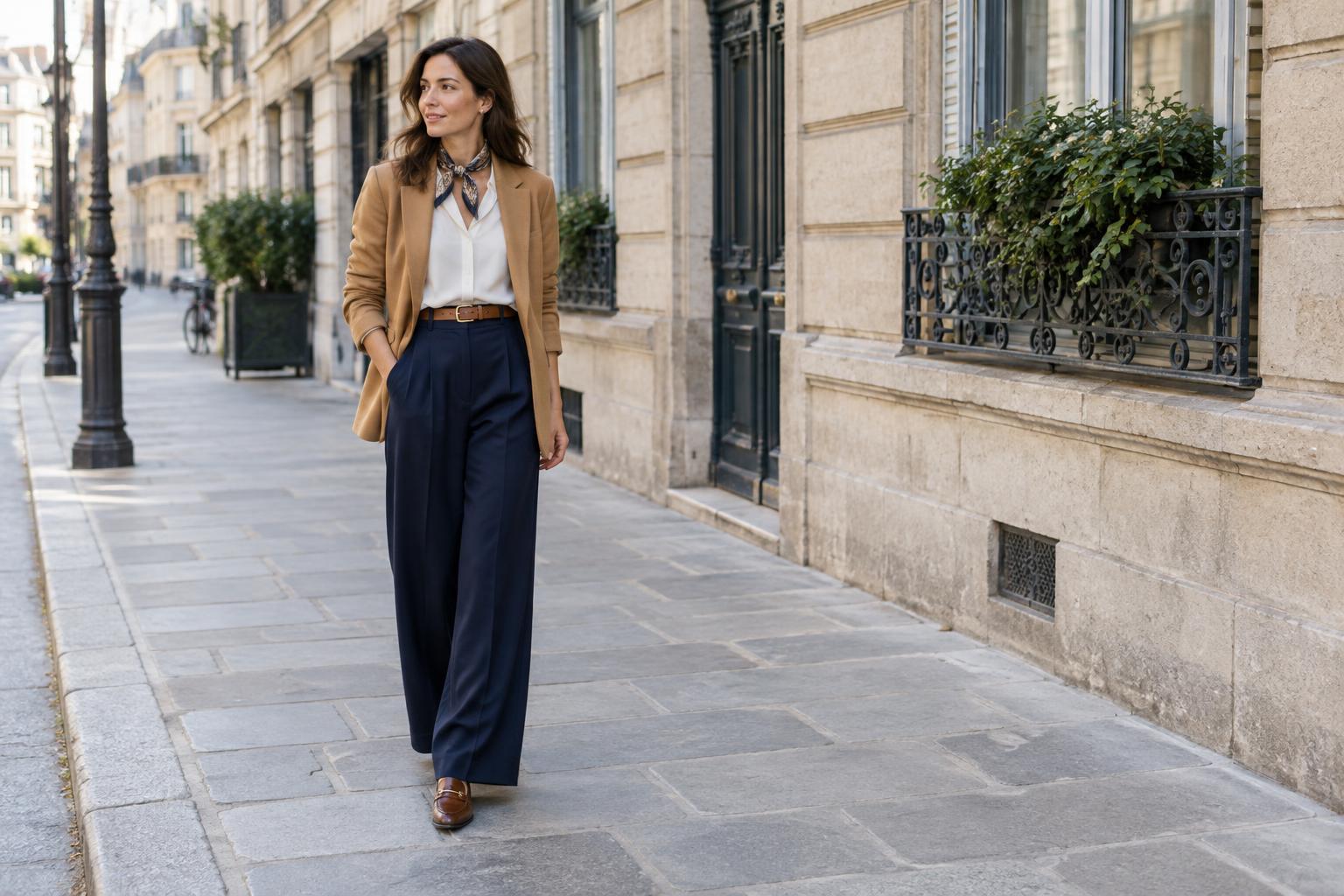
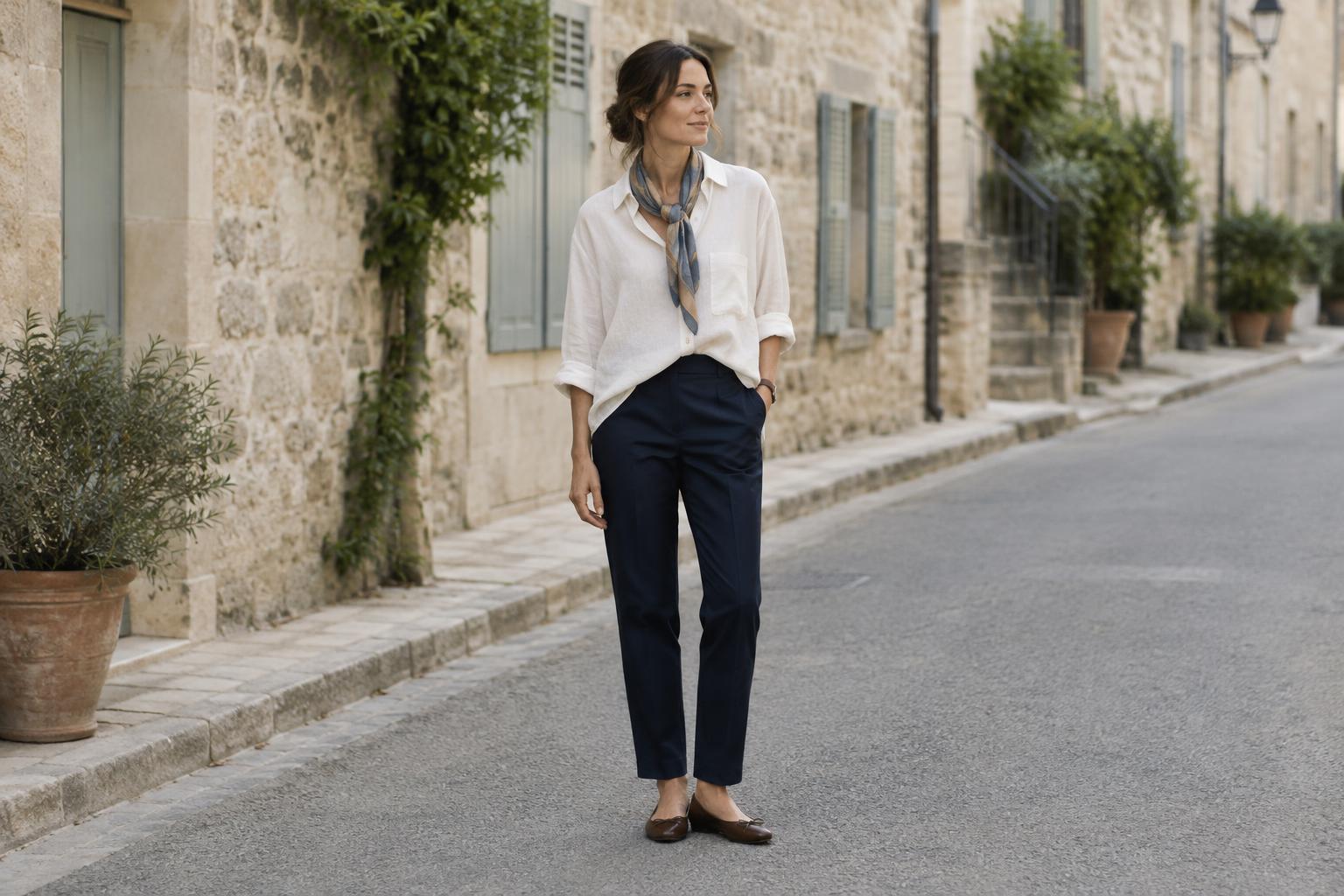
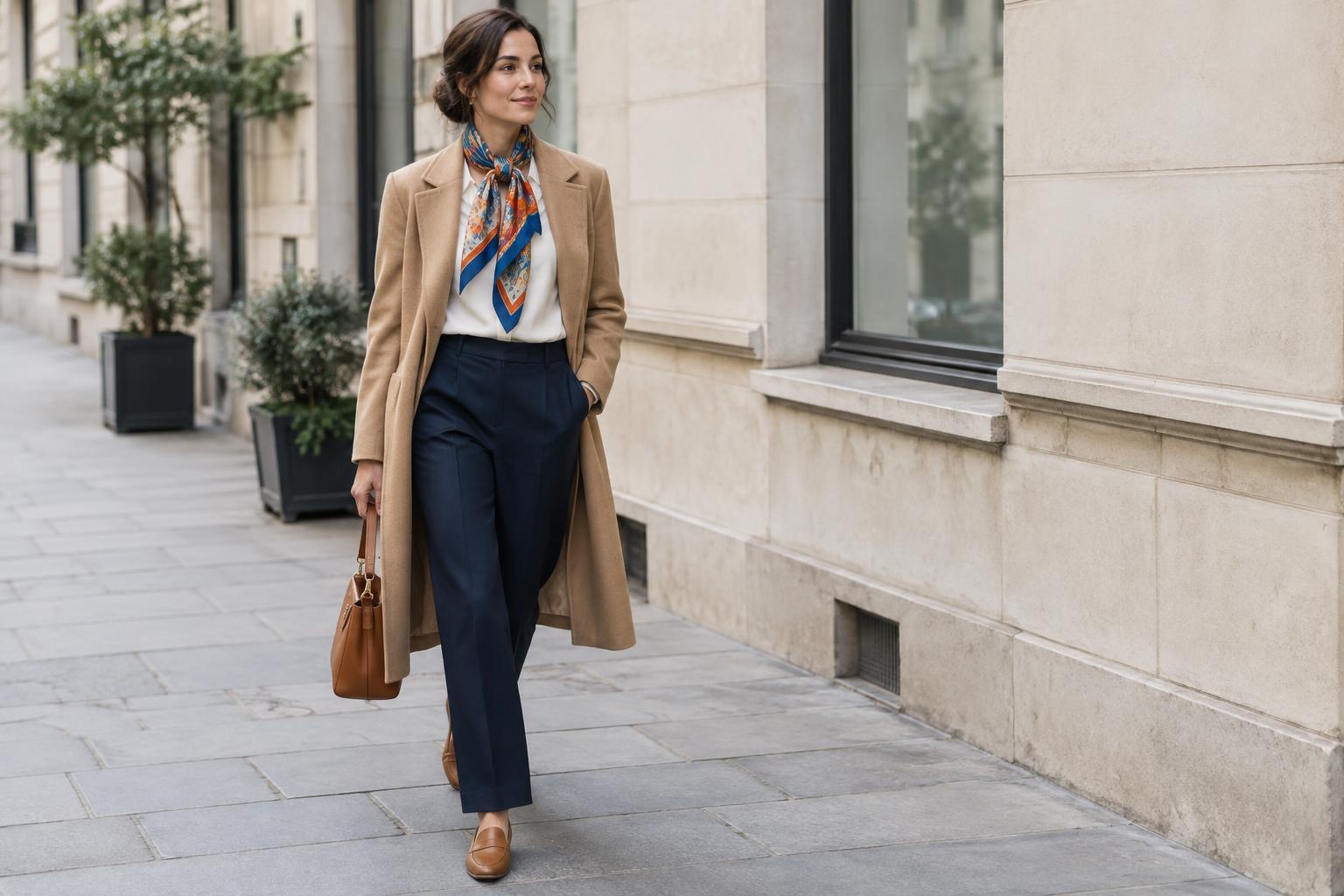
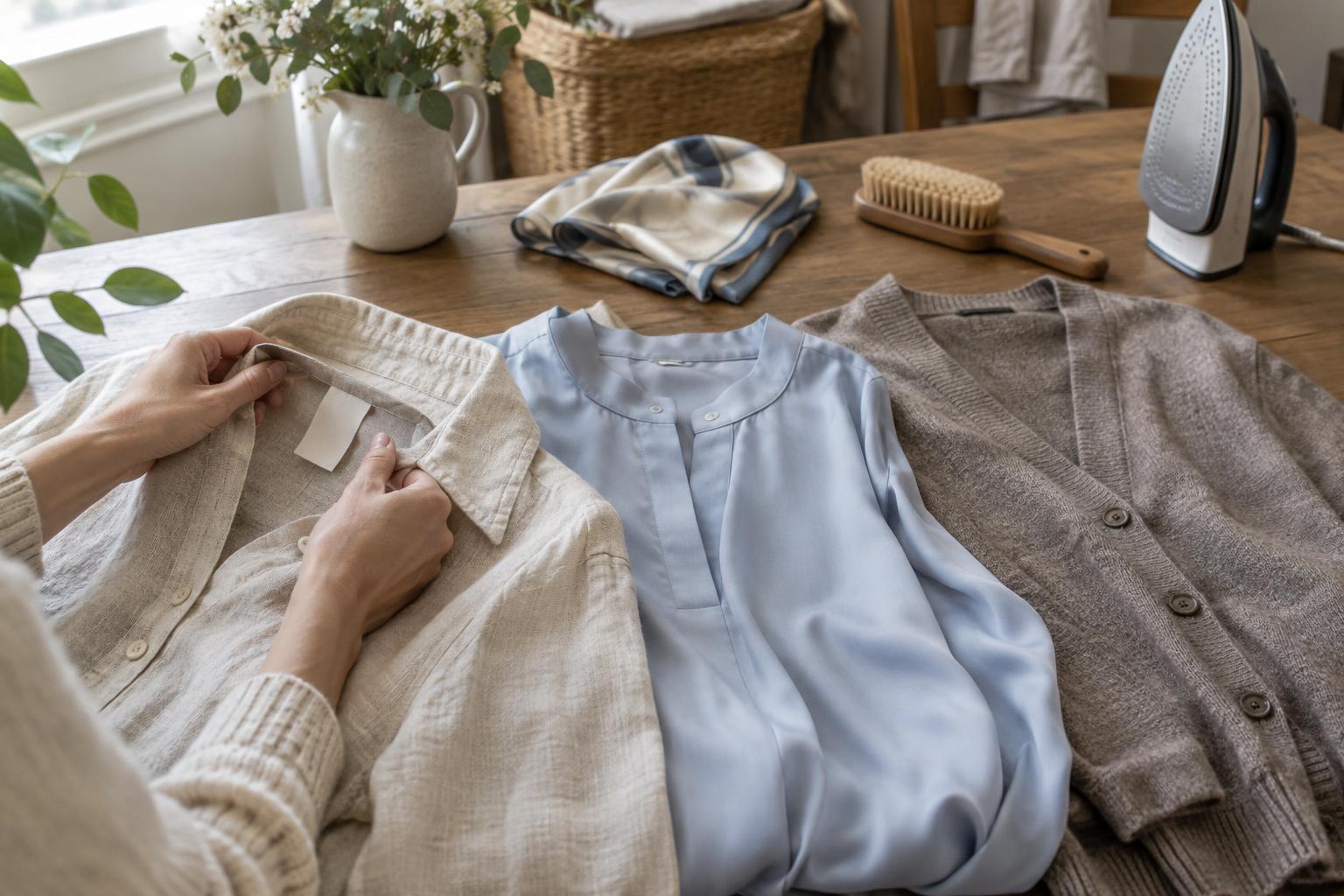
UniqueYou’s approach is most useful when the question is not simply “Which scarf looks beautiful?” but “What will I wear it with?” Set out two or three outfits you reach for often: perhaps a dark coat and jeans, a light shirt and tailored trousers, or a plain dress reserved for dinners. Notice whether those outfits need warmth, a softer line around the face, or a small point of color. A scarf that solves one of those needs has a clearer role than a purchase made only because its pattern catches your eye.
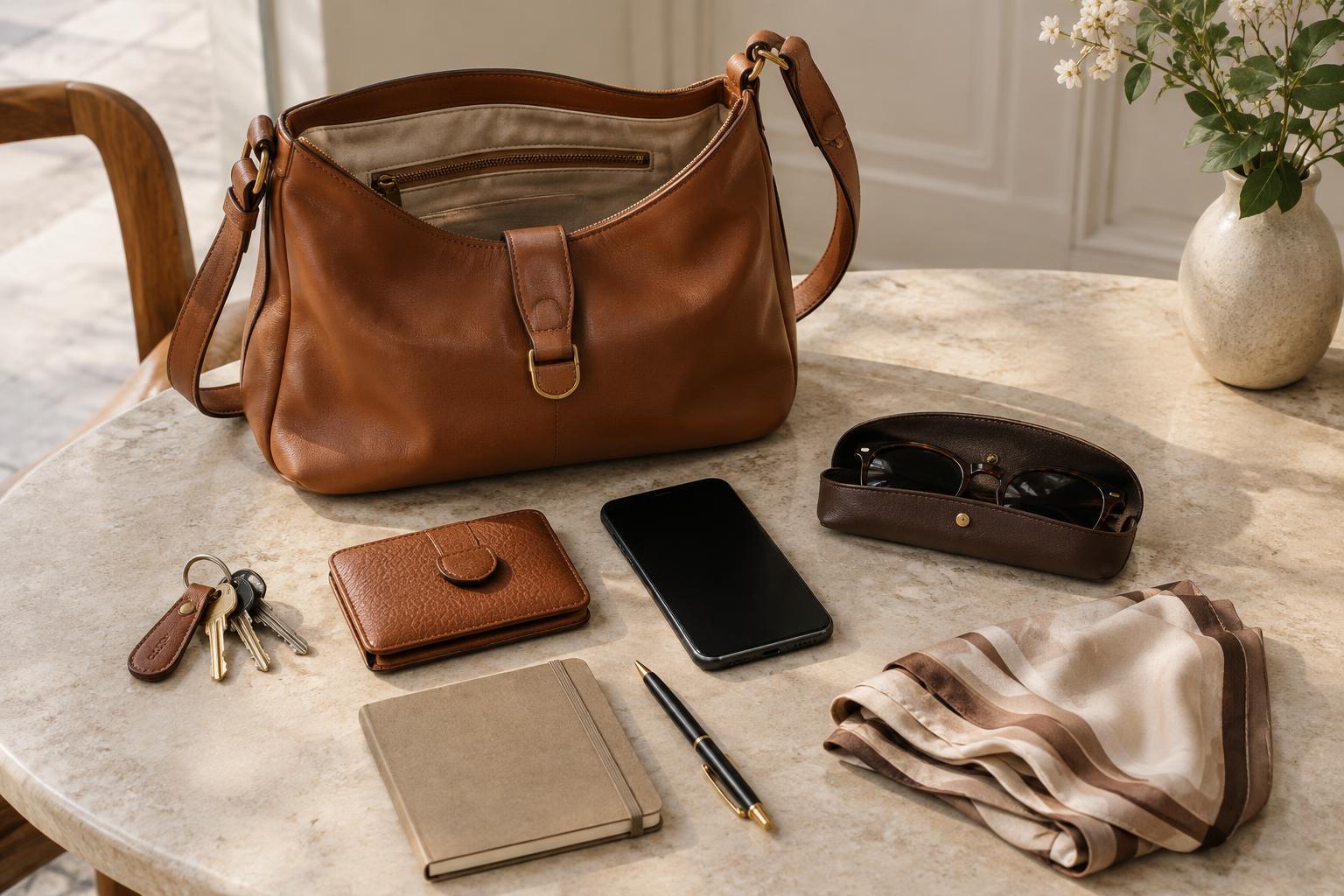
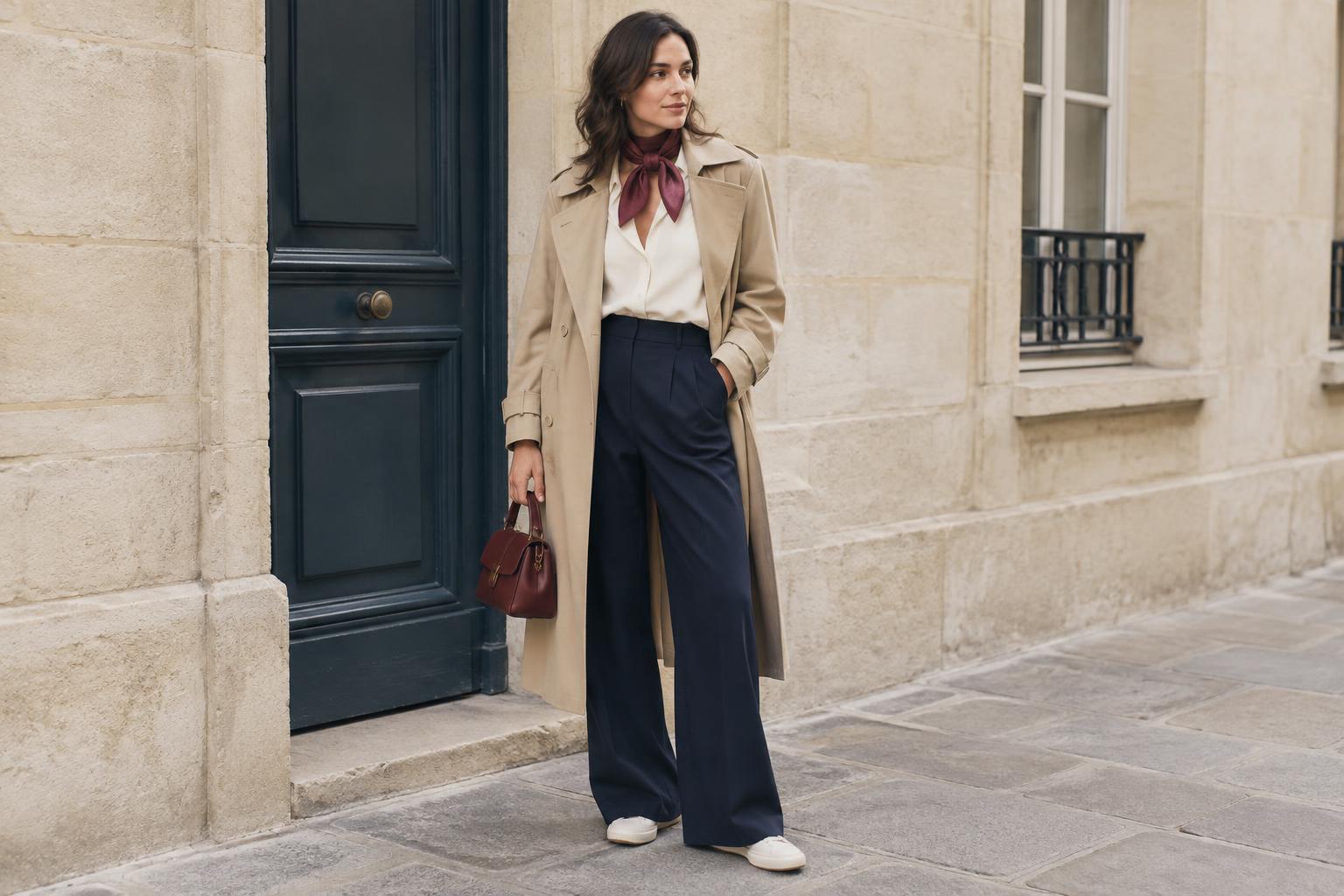
If your wardrobe is mostly neutral, decide whether you want the accessory to blend in or provide contrast. Taupe, brown or black can extend an existing palette; red or a patterned square can give a restrained outfit its focal point. If you already wear prints, look for one shared color rather than trying to match every shade. This is a practical interpretation of French-inspired everyday dressing: repetition gives clothes coherence, while a considered detail keeps them from feeling predictable. It is a styling idea, not a rule about how anyone in France dresses.
The character of UniqueYou
UniqueYou began in 2014 with scarves and clothing. Its story includes a pause and a later return after the domain was recovered, so it is more accurate to describe it as a brand with roots in 2014 than to imply uninterrupted trading since then. Its original brown wordmark includes a horse motif and “Since 2014”; a neutral taupe palette accompanies that identity. Those visual details suggest an understated direction, but the useful test for any accessory remains how it works with your own clothes.
The offer centers on women’s scarves, shawls, wraps and square scarves, with silk, cashmere and wool categories among the ways to browse. That range makes it possible to consider a light finishing detail alongside a more substantial layer without treating every item as interchangeable. Composition can differ from product to product, including within a named category. Before choosing for feel, warmth or care requirements, read the individual description and fiber information rather than assuming a category name tells the whole story.
Choose the shape before the knot
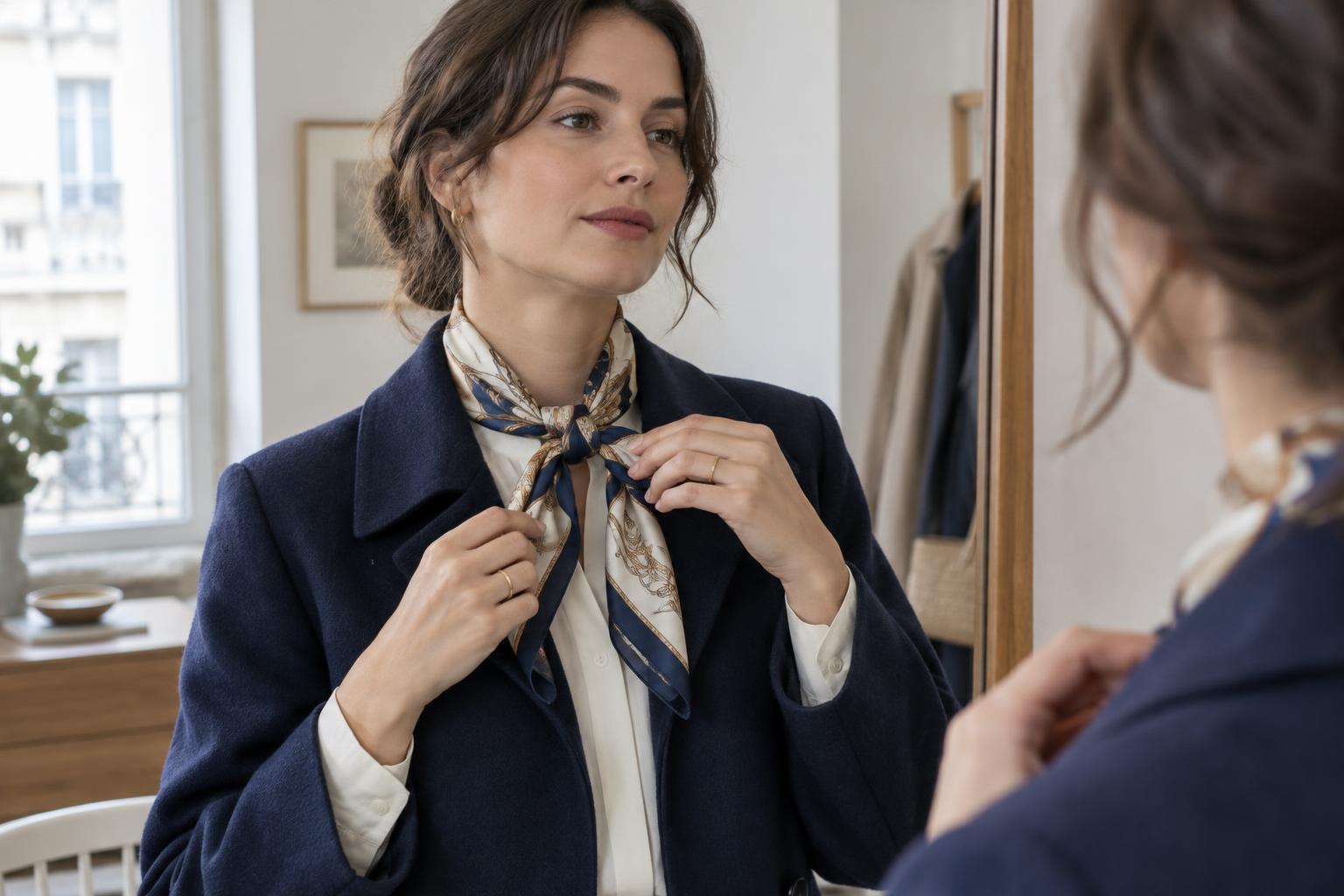
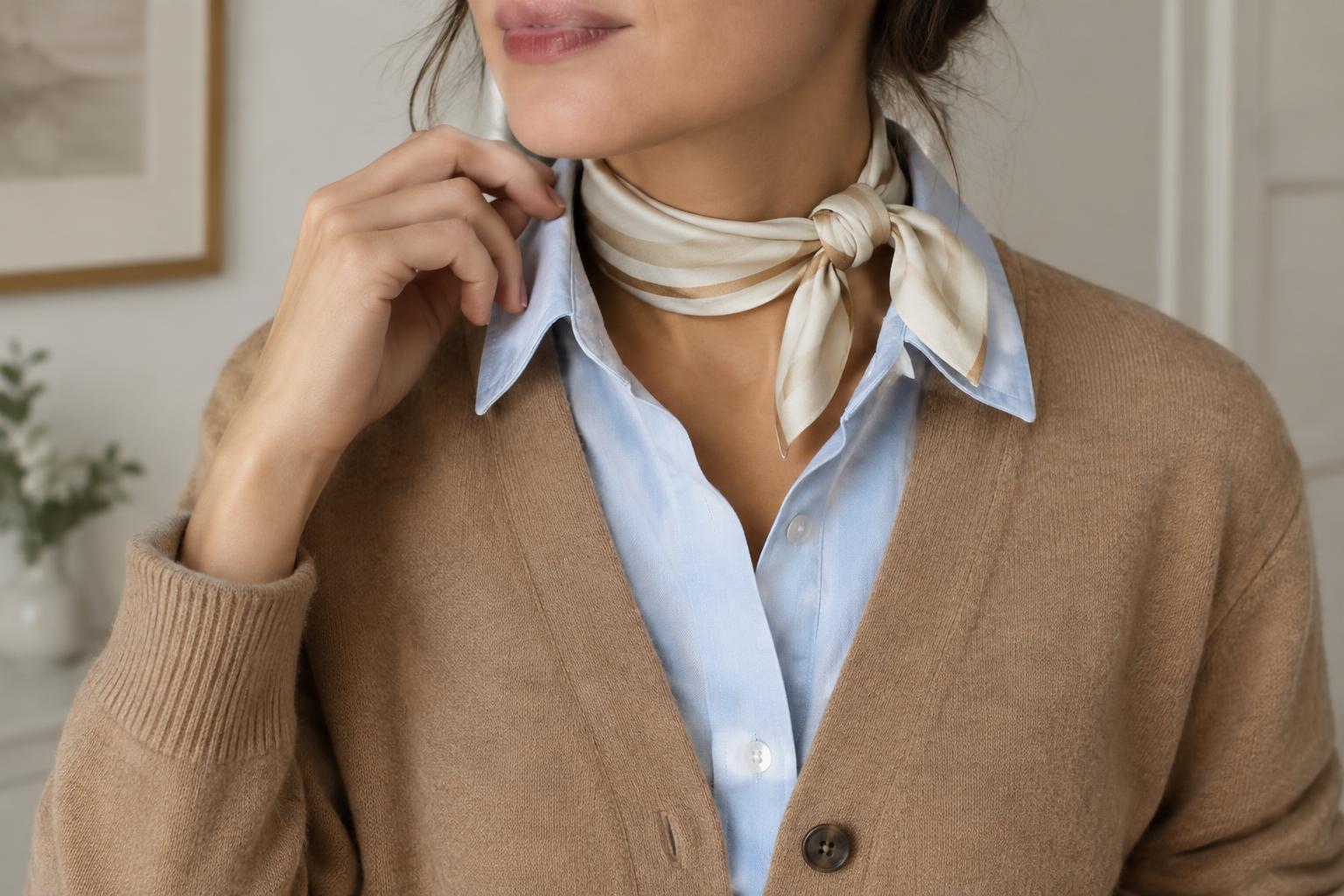
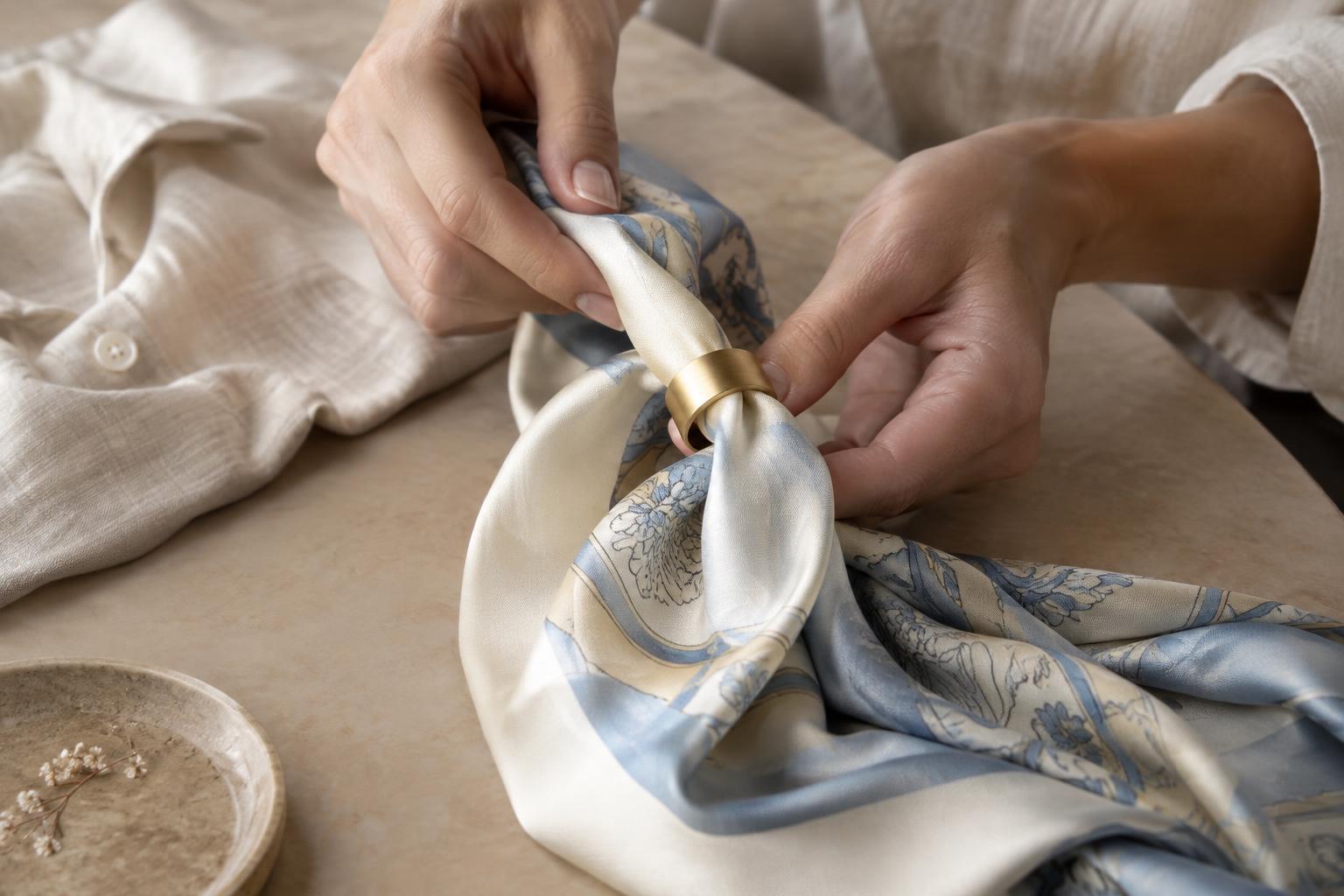
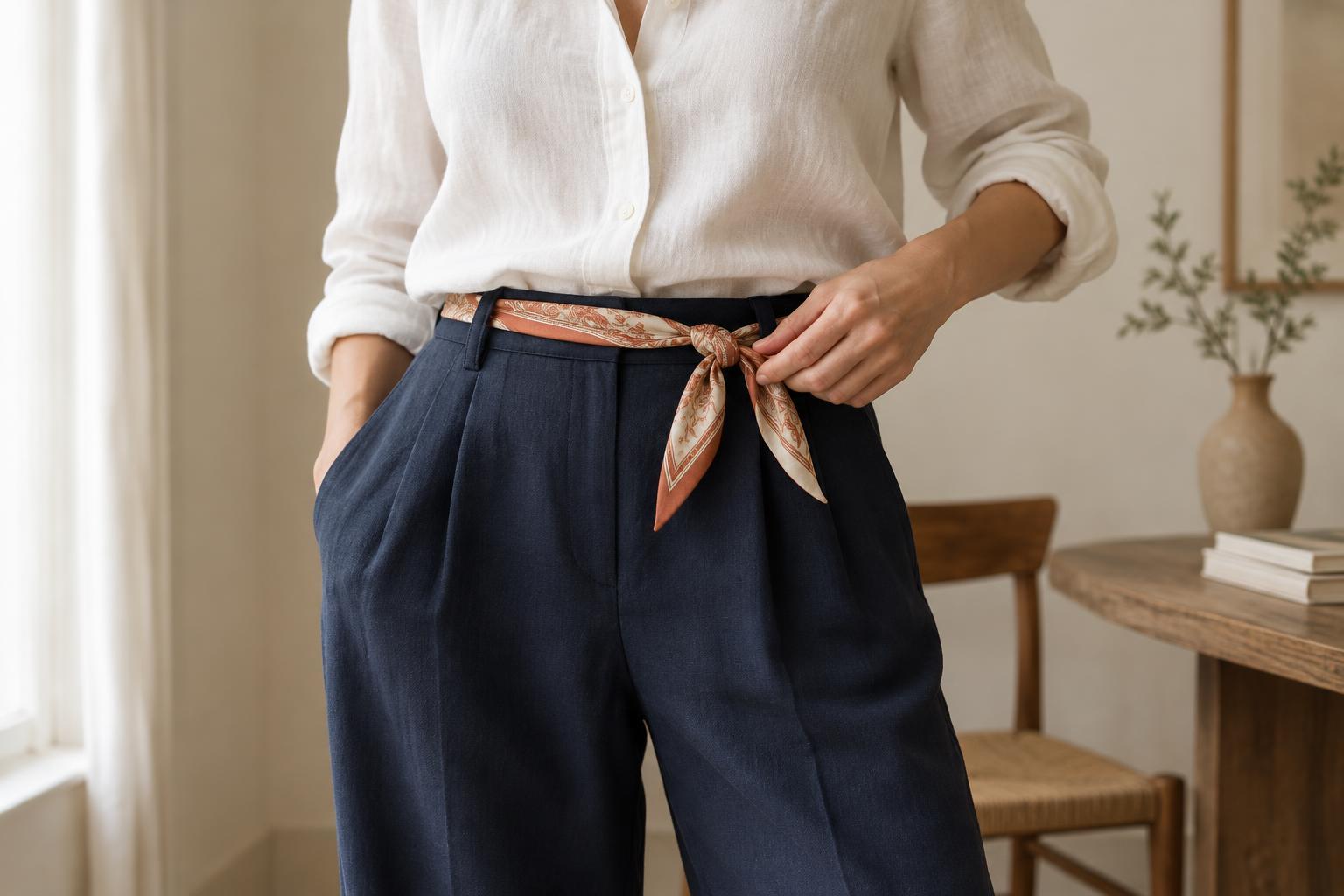
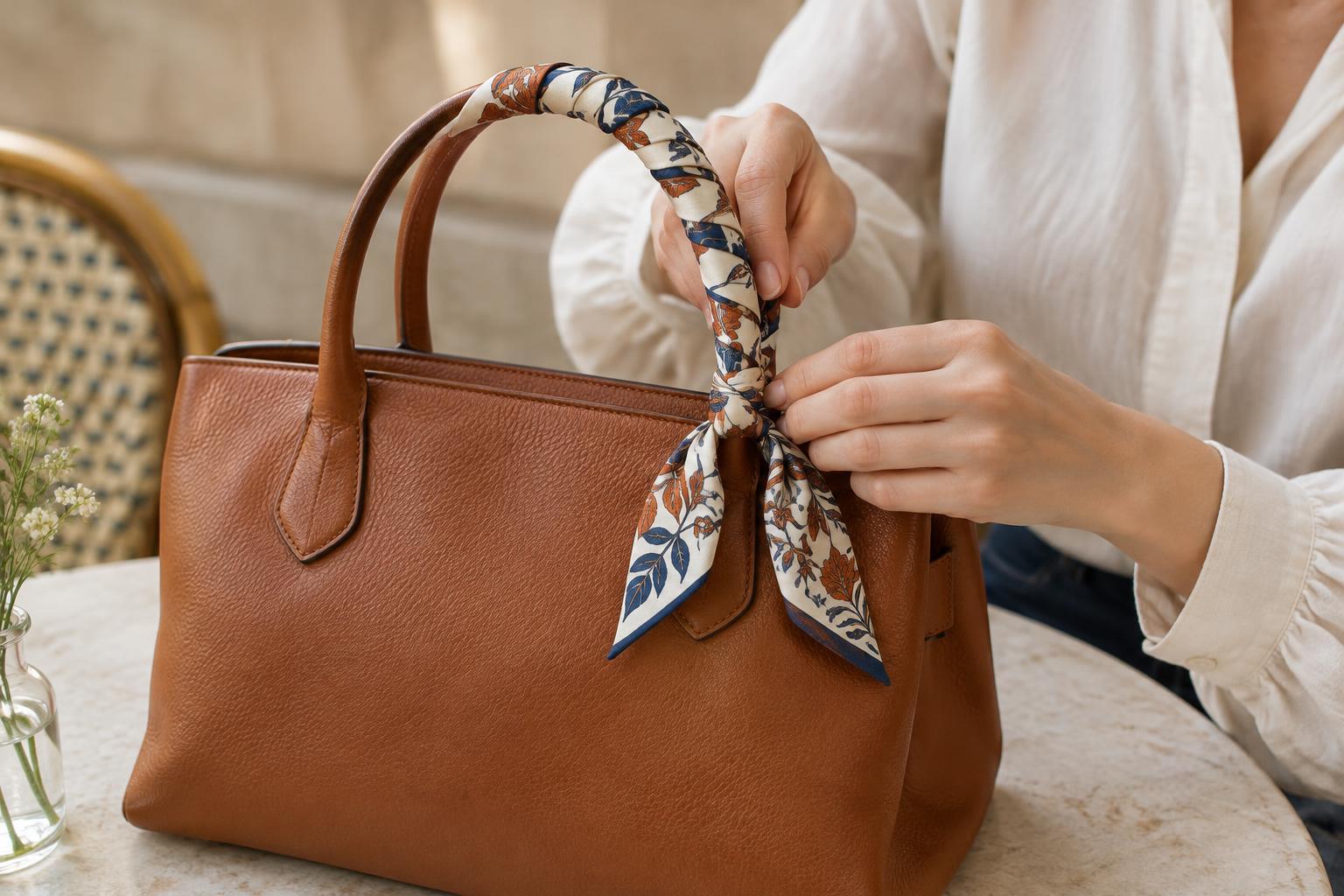
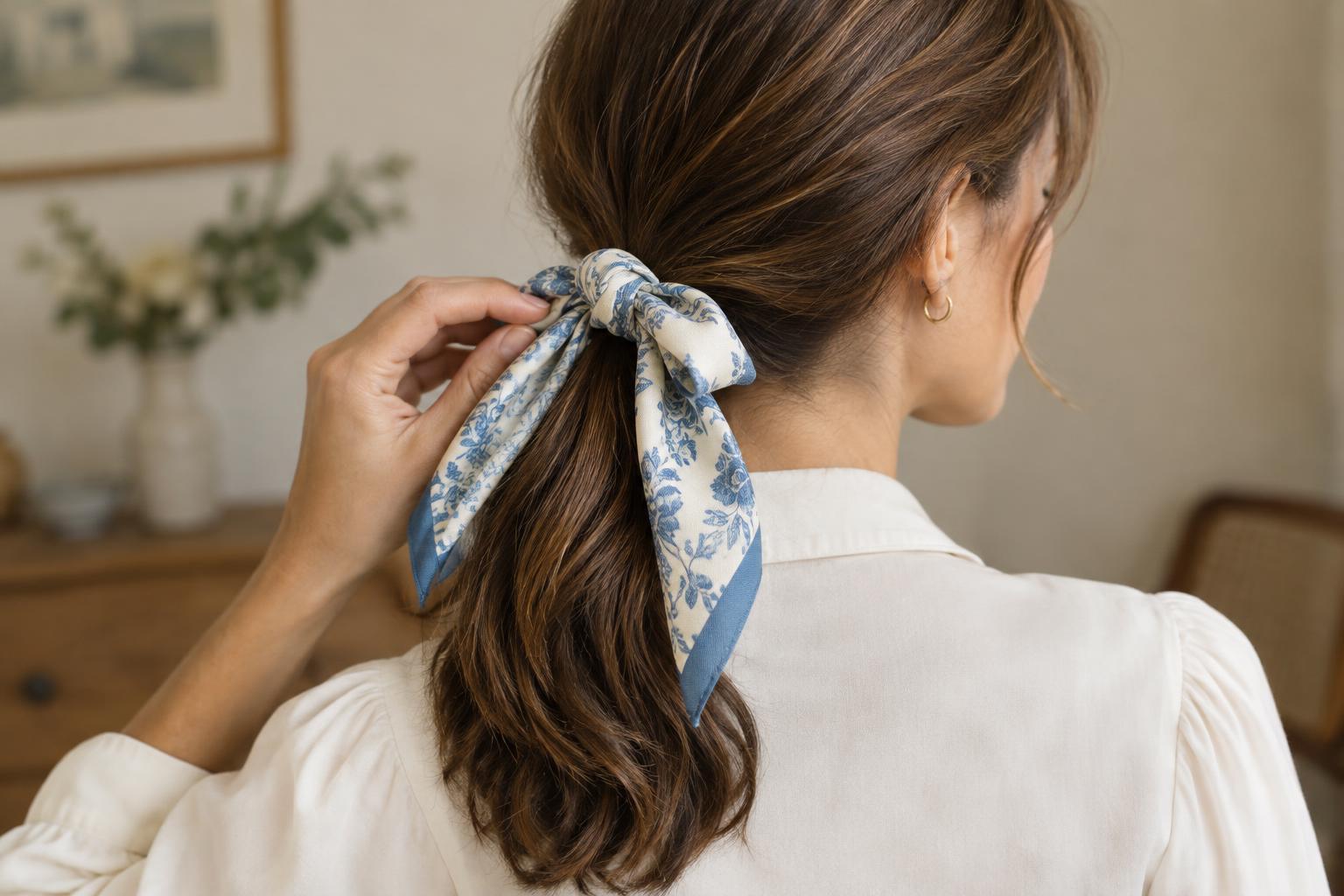
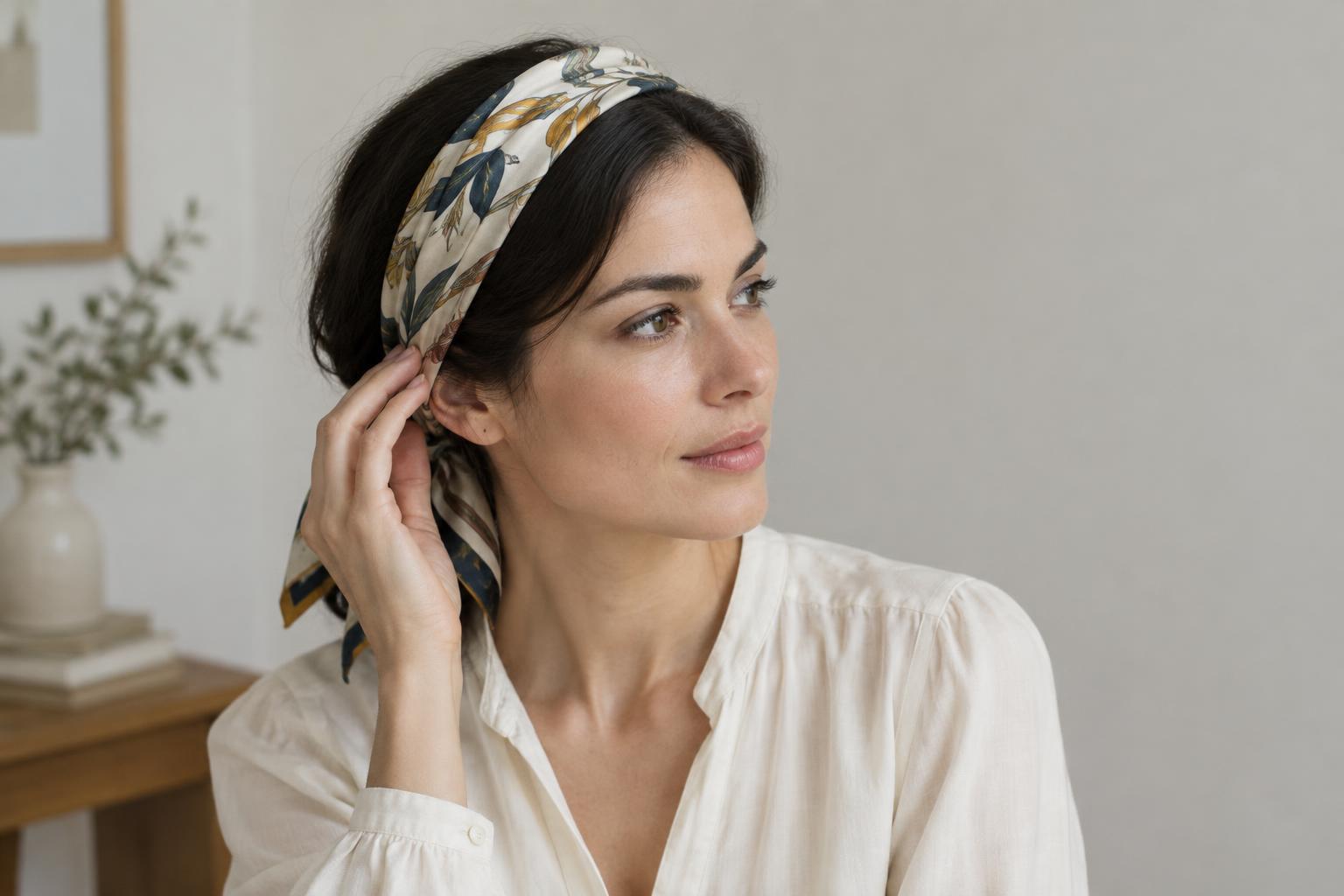
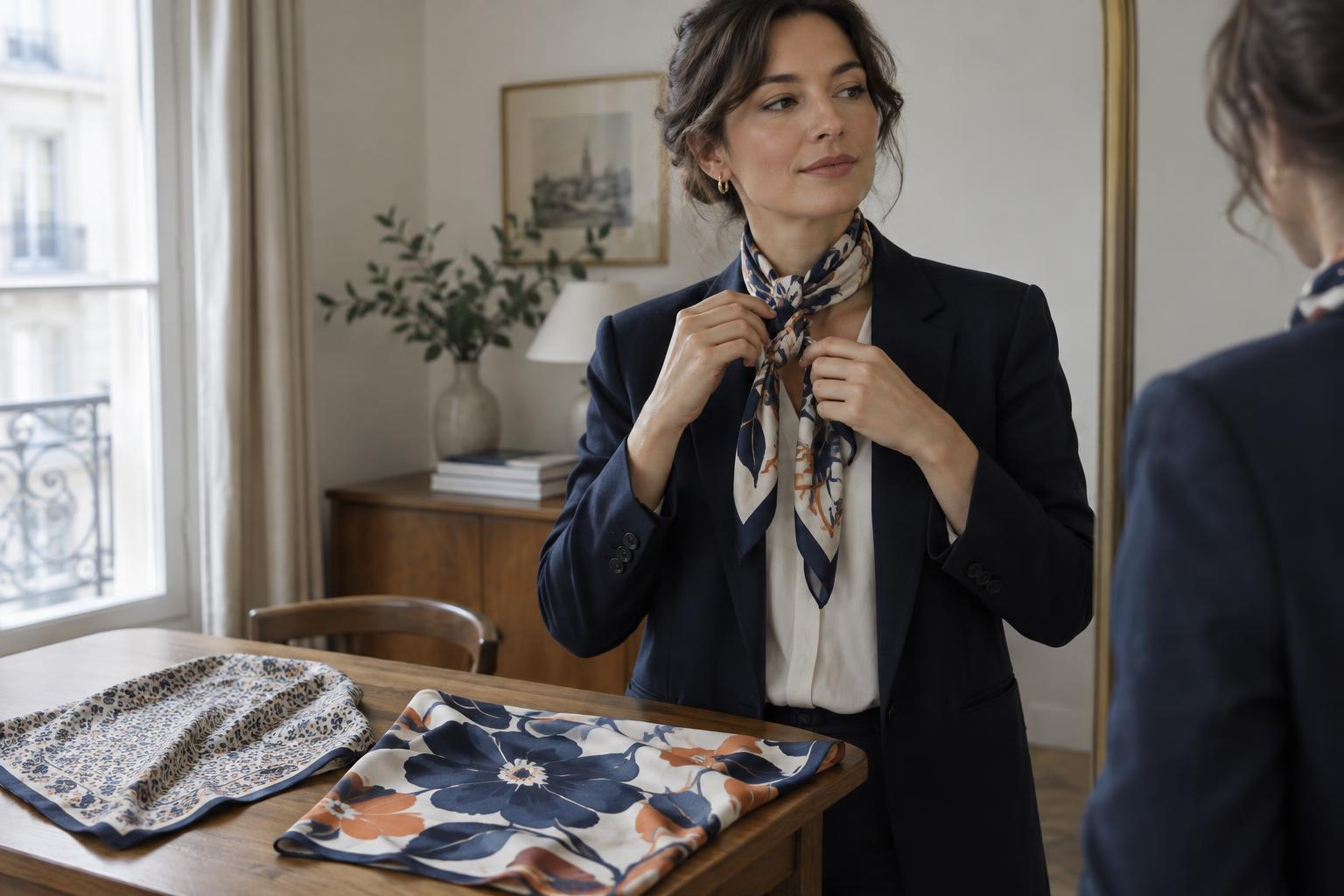
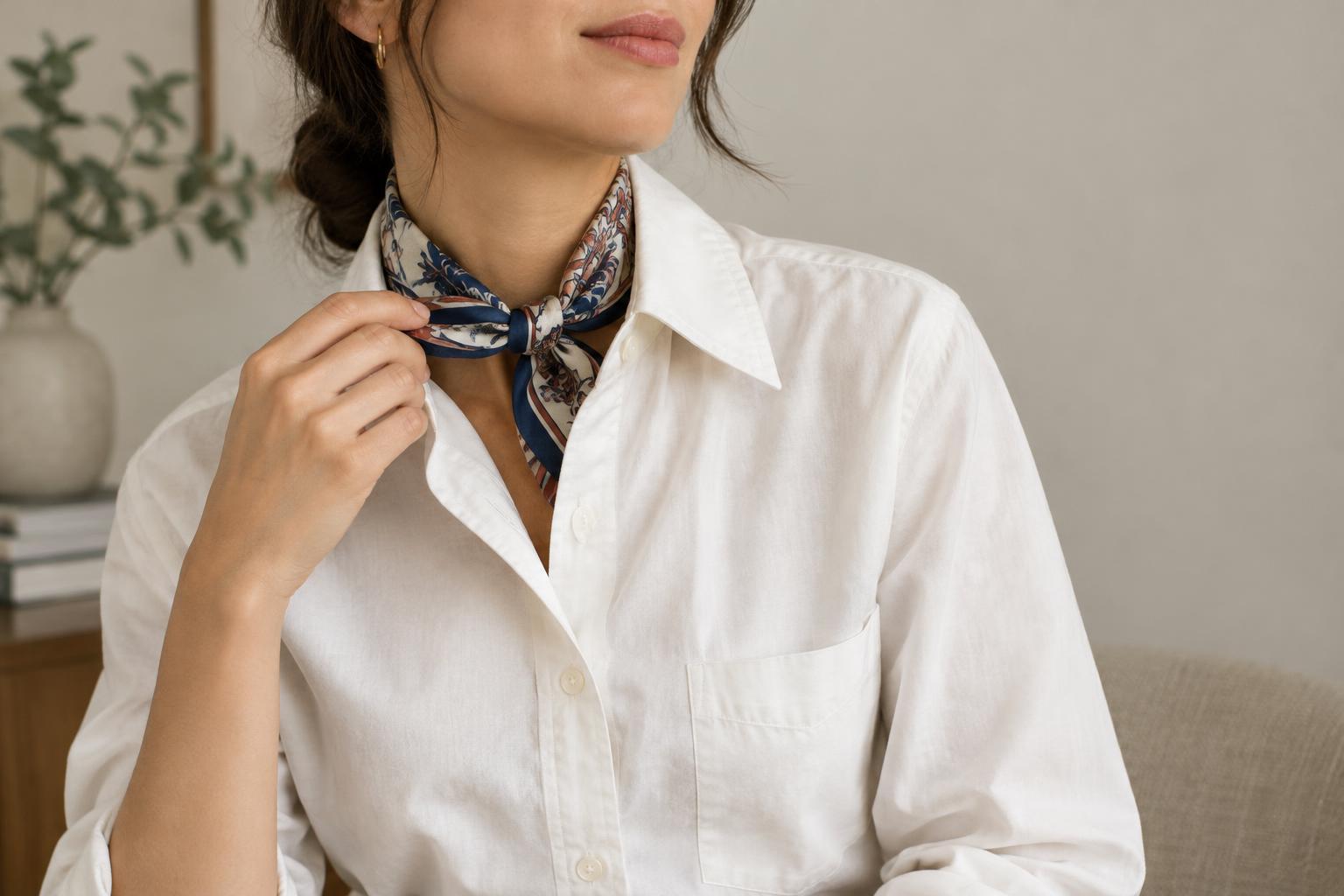
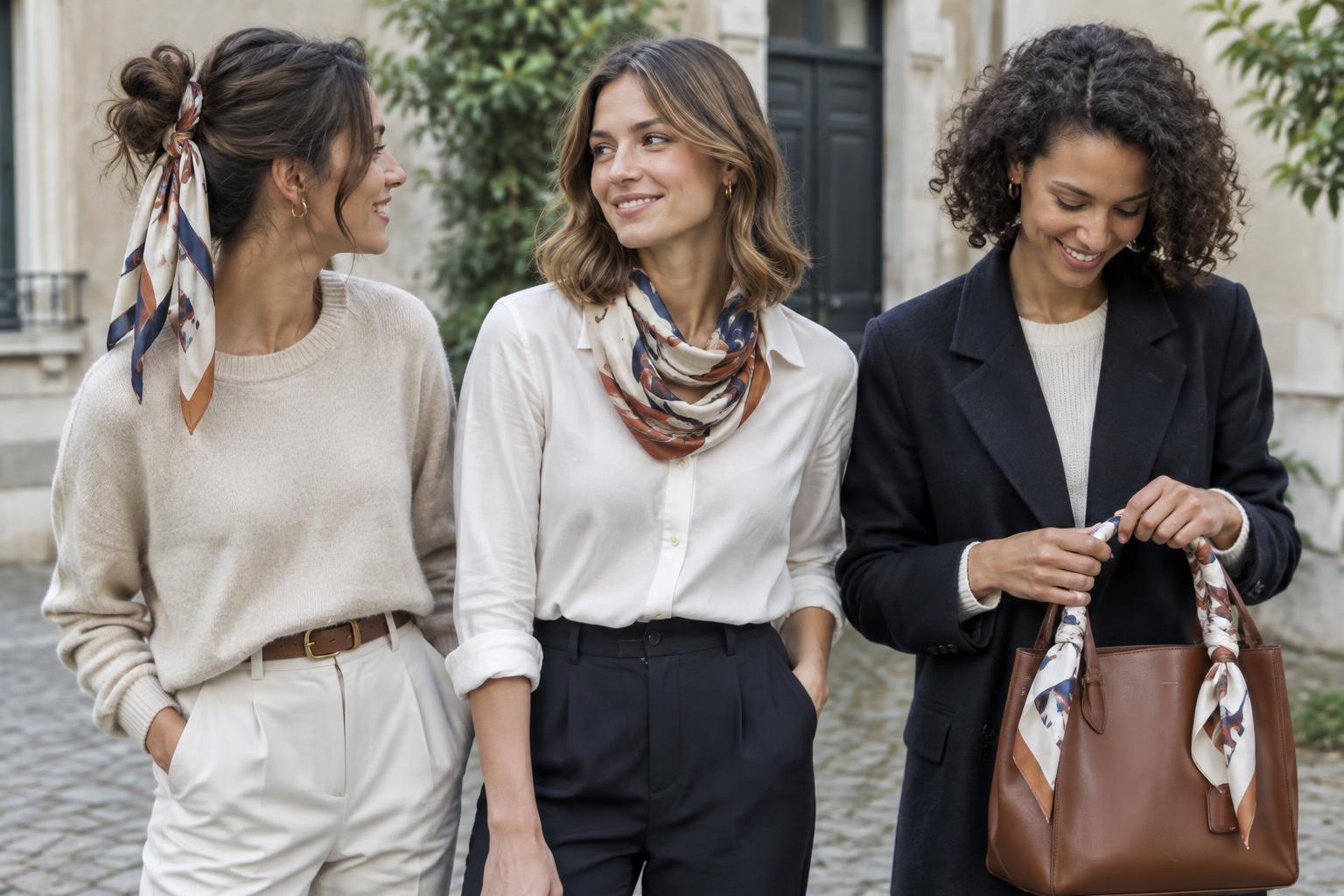
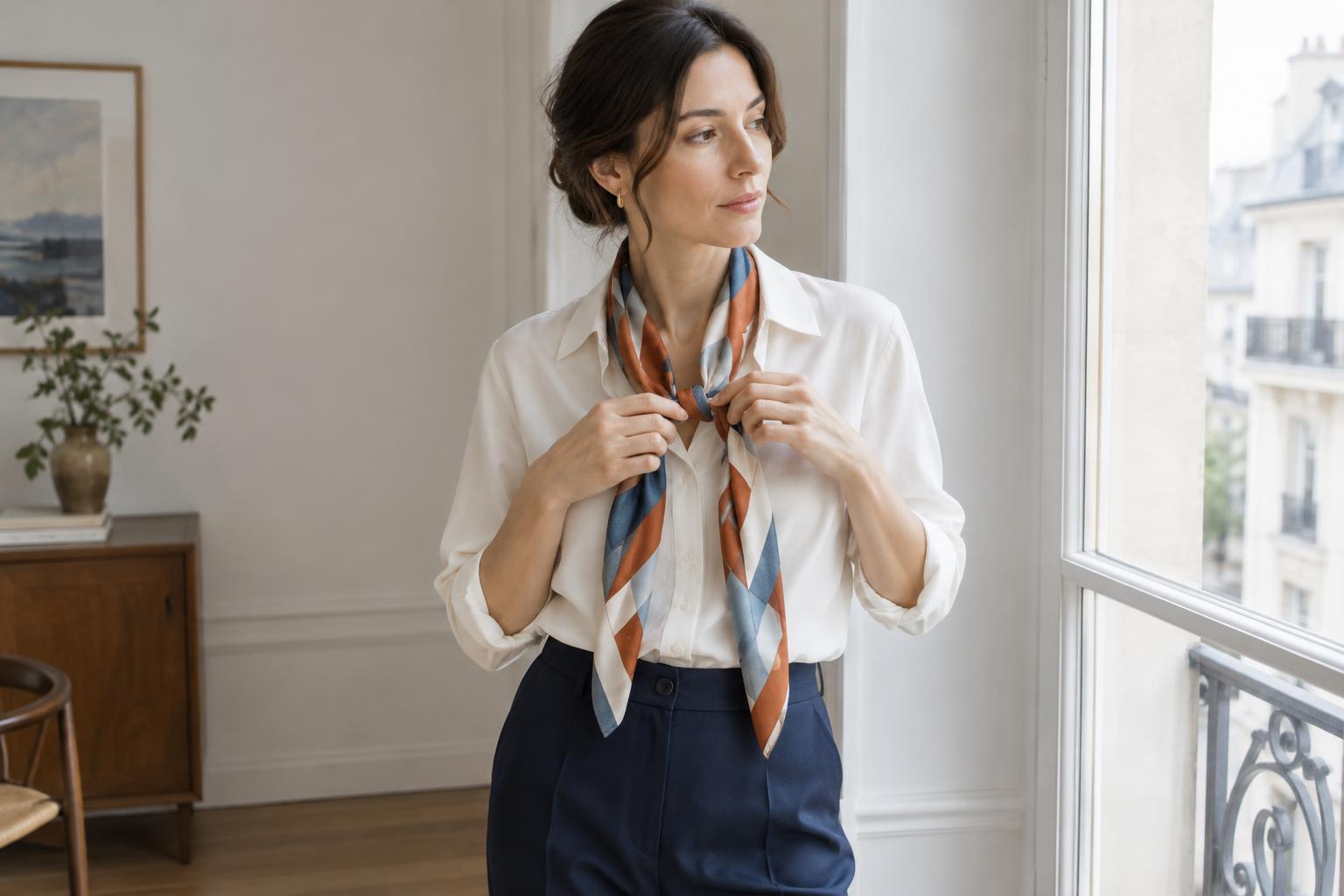
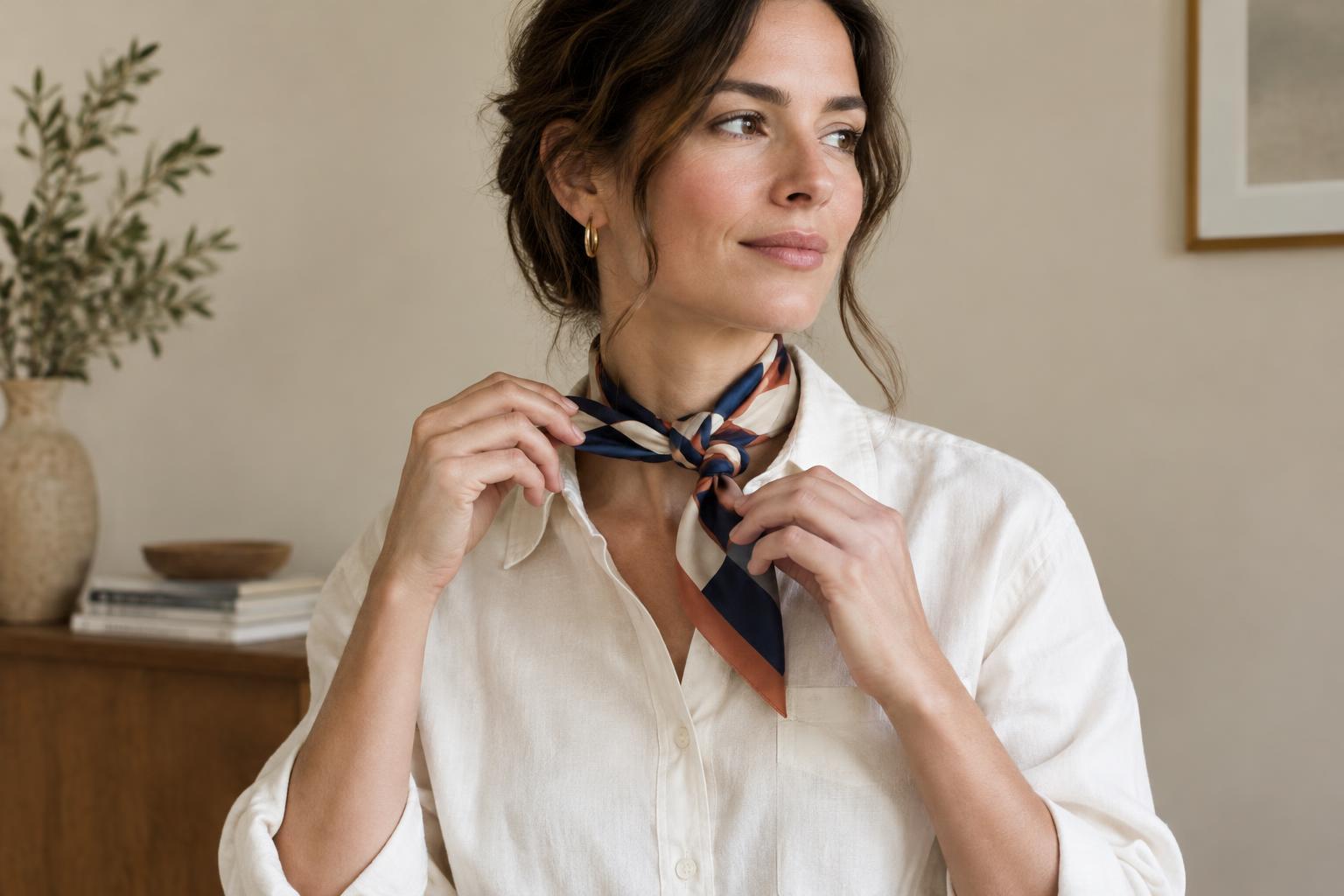
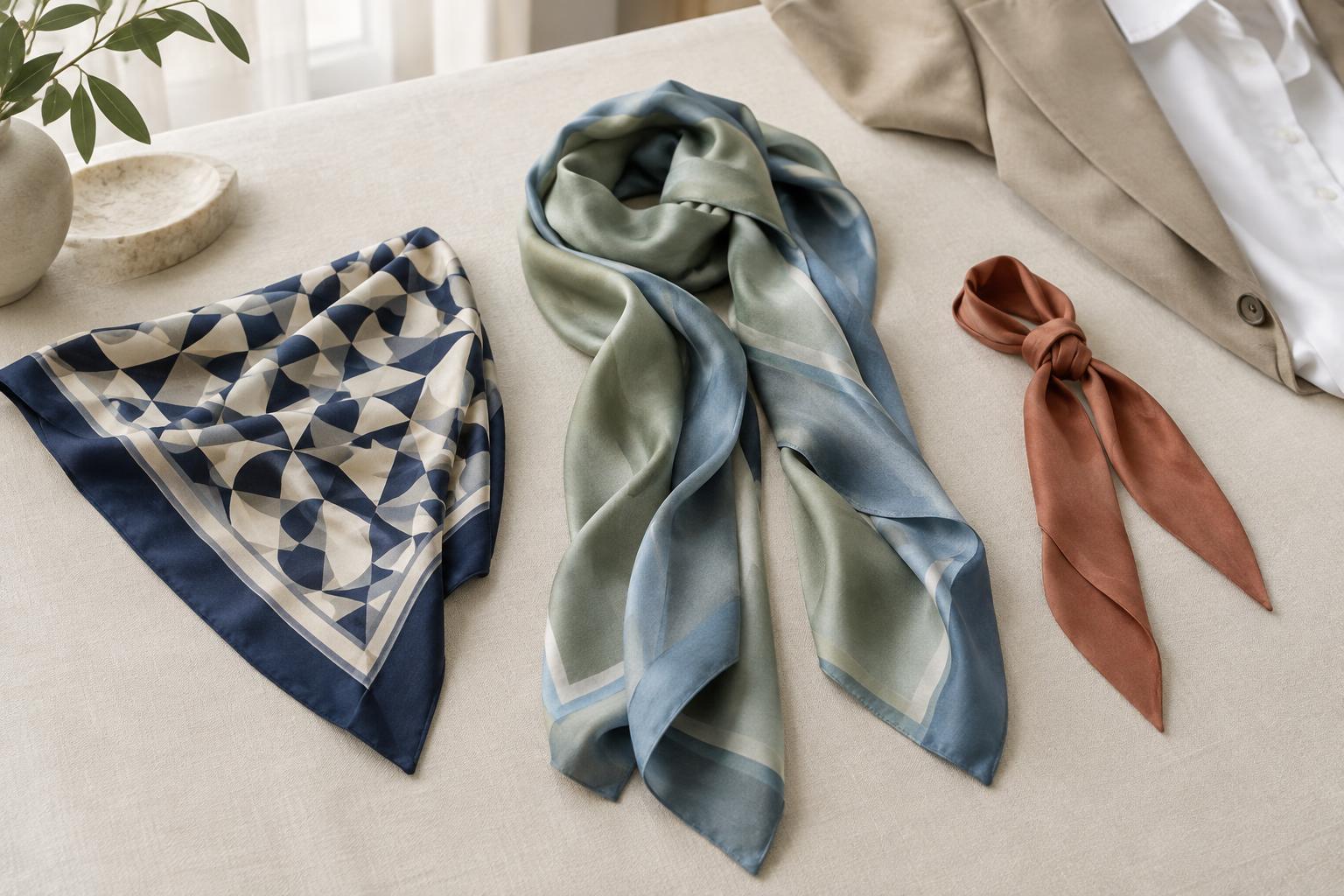
A narrow or moderately sized scarf is easy to bring close to the neck, particularly when a coat collar leaves little room. A large scarf can sit over the shoulders, fold into a generous loop, or add volume to a simple jacket. A square offers another set of possibilities: fold it into a triangle for a relaxed neckline, make a slim band for a tidy collar, or tie it to a bag when you want the print visible without adding another layer of clothing. The best size is the one you will actually handle comfortably.
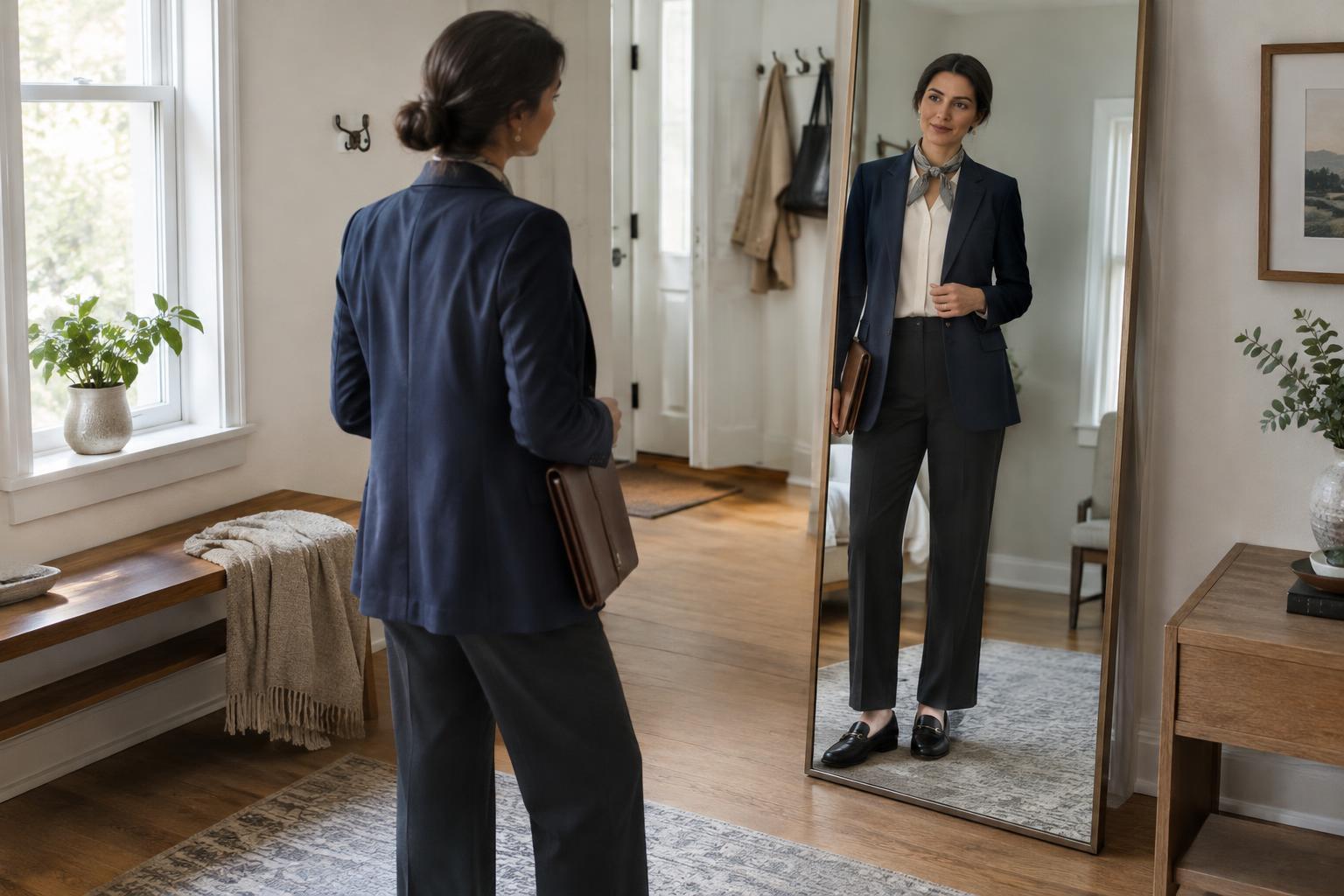
Try the intended shape with the outerwear you use most. A thick wrap beneath a close-fitting coat may bunch at the shoulders; a smaller piece may disappear against a wide lapel. Check where the ends fall, whether a knot competes with a shirt collar, and how easily you can remove the scarf indoors. These small tests matter more than an elaborate tying technique. One loose pass around the neck, with the ends left uneven, often gives an outfit enough movement while keeping the overall line clean.
Silk and light scarves: a change in emphasis
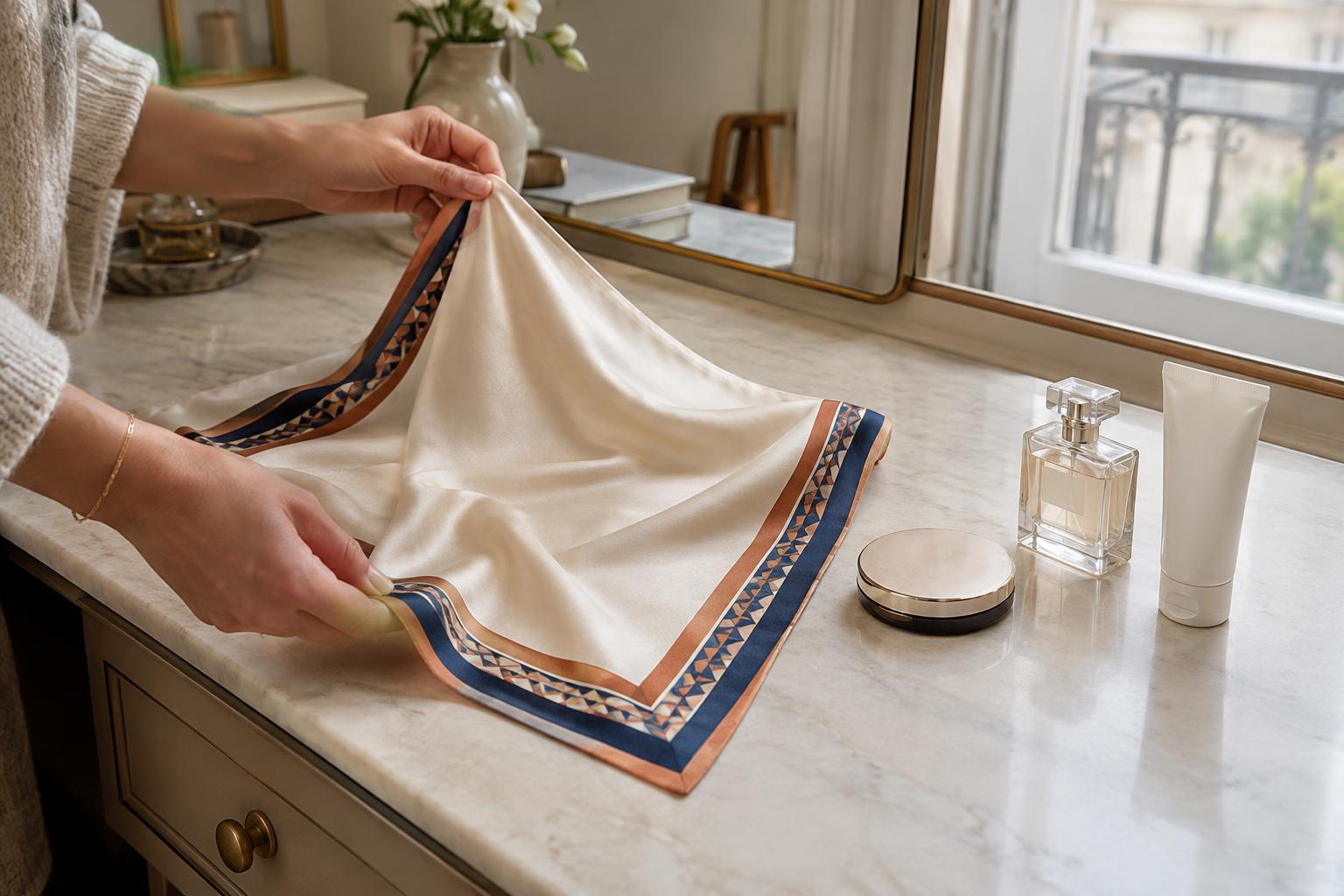
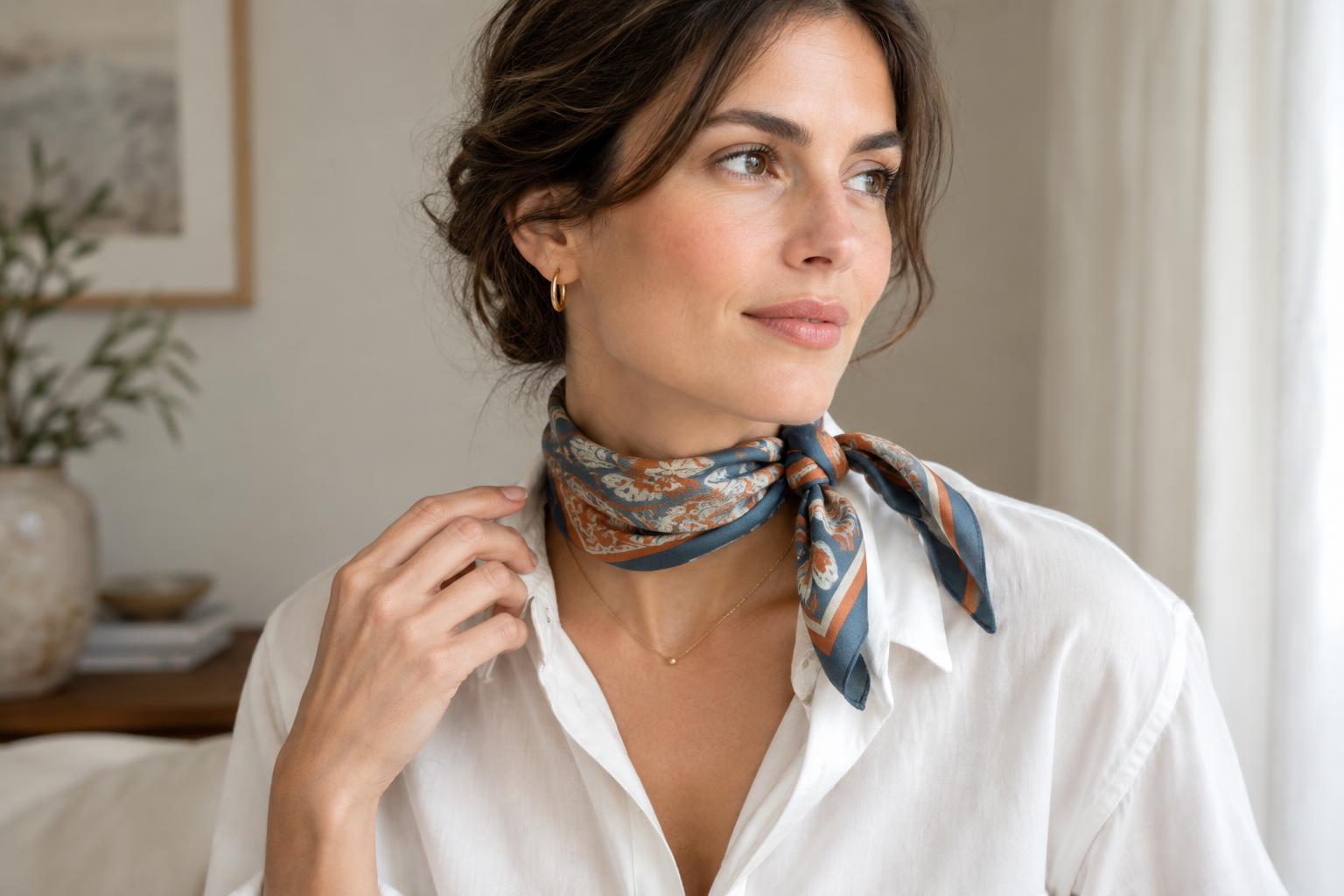
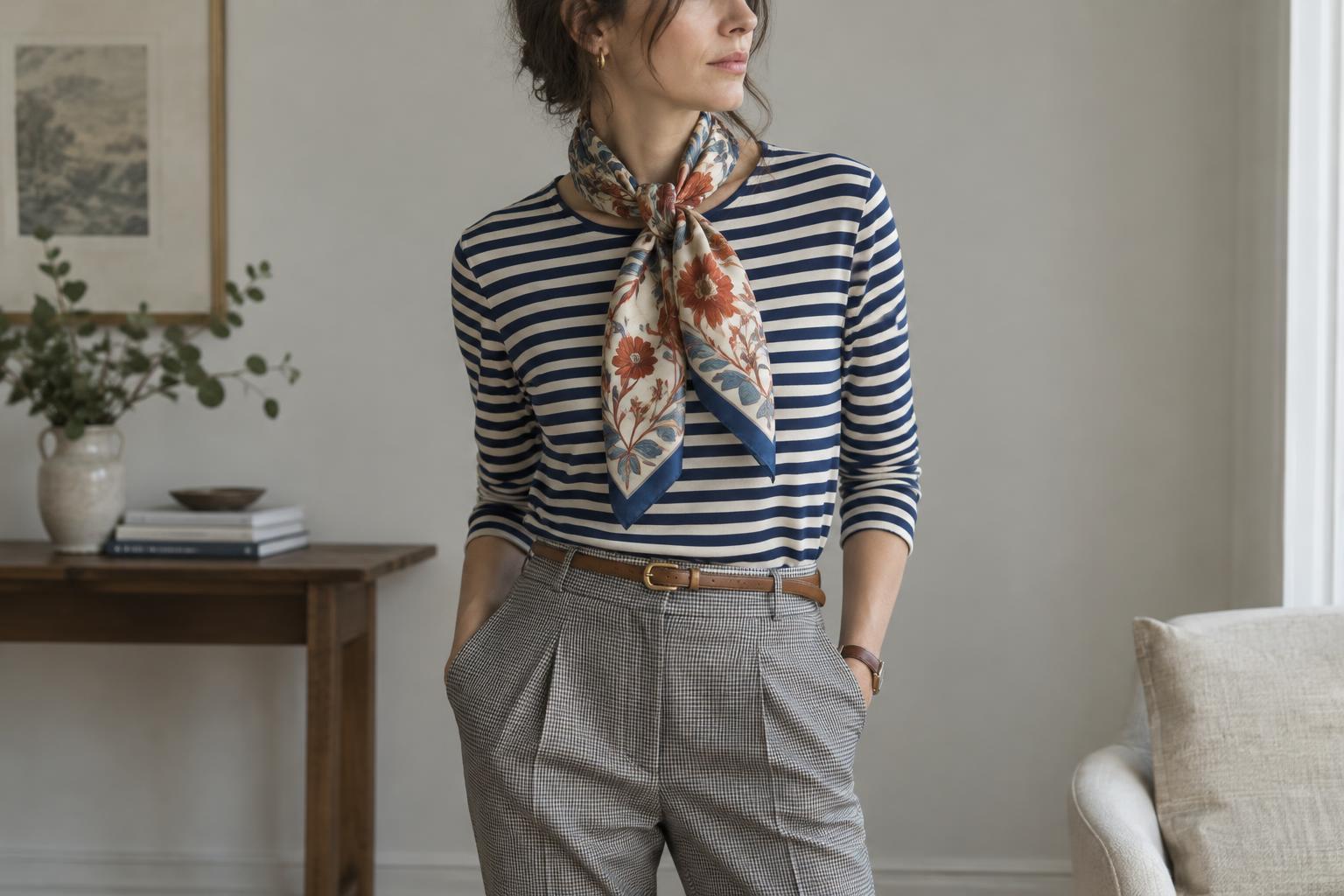
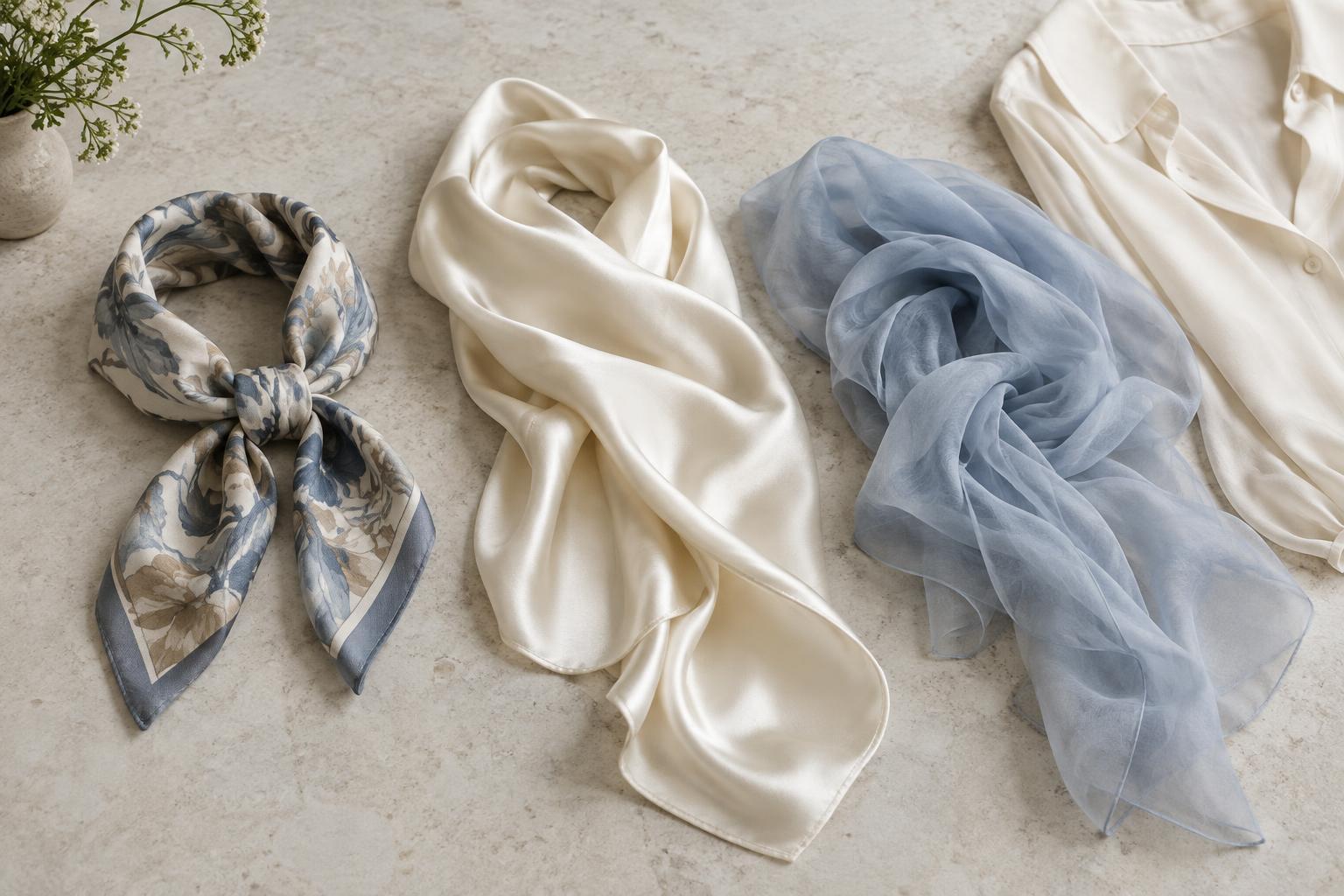
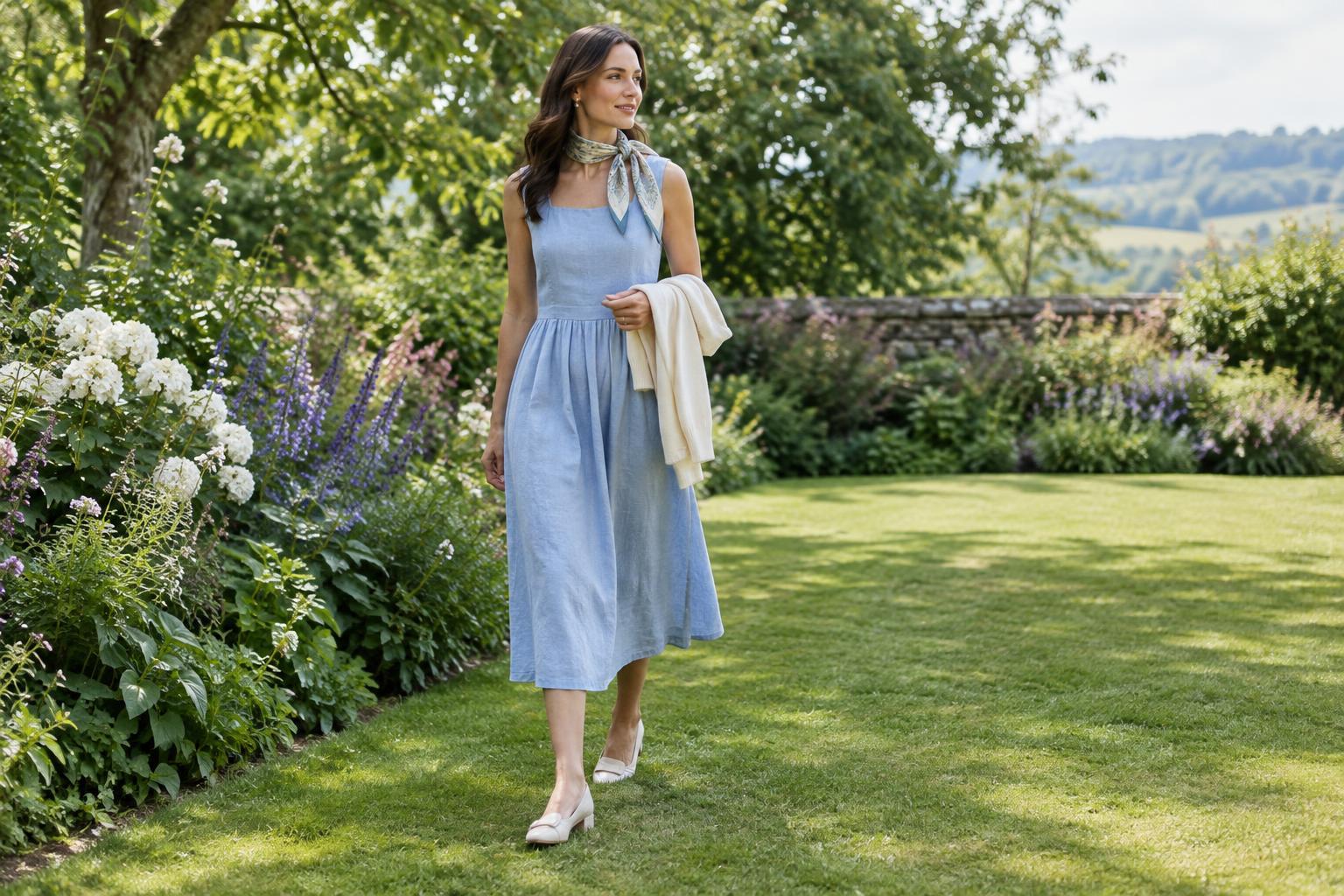
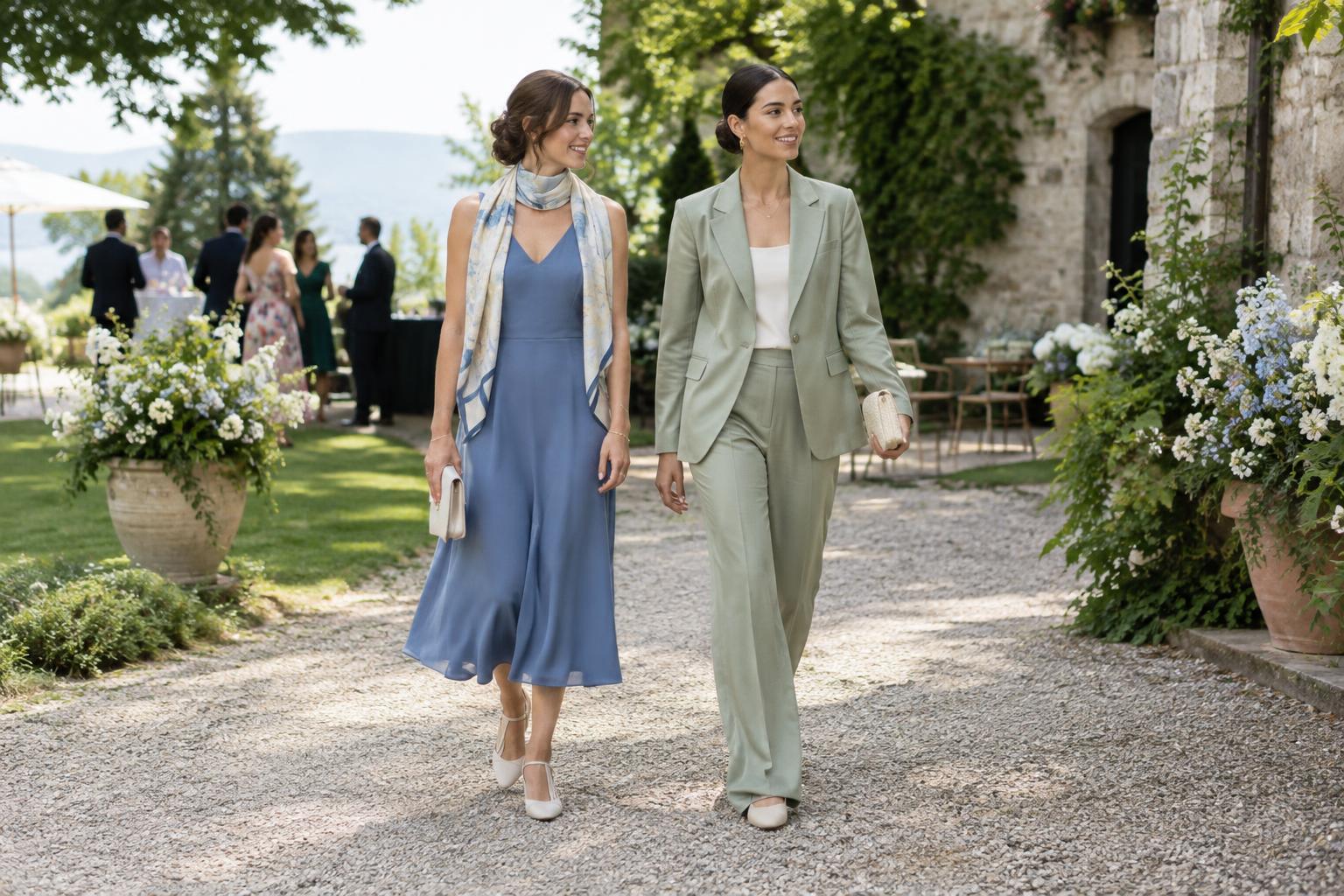
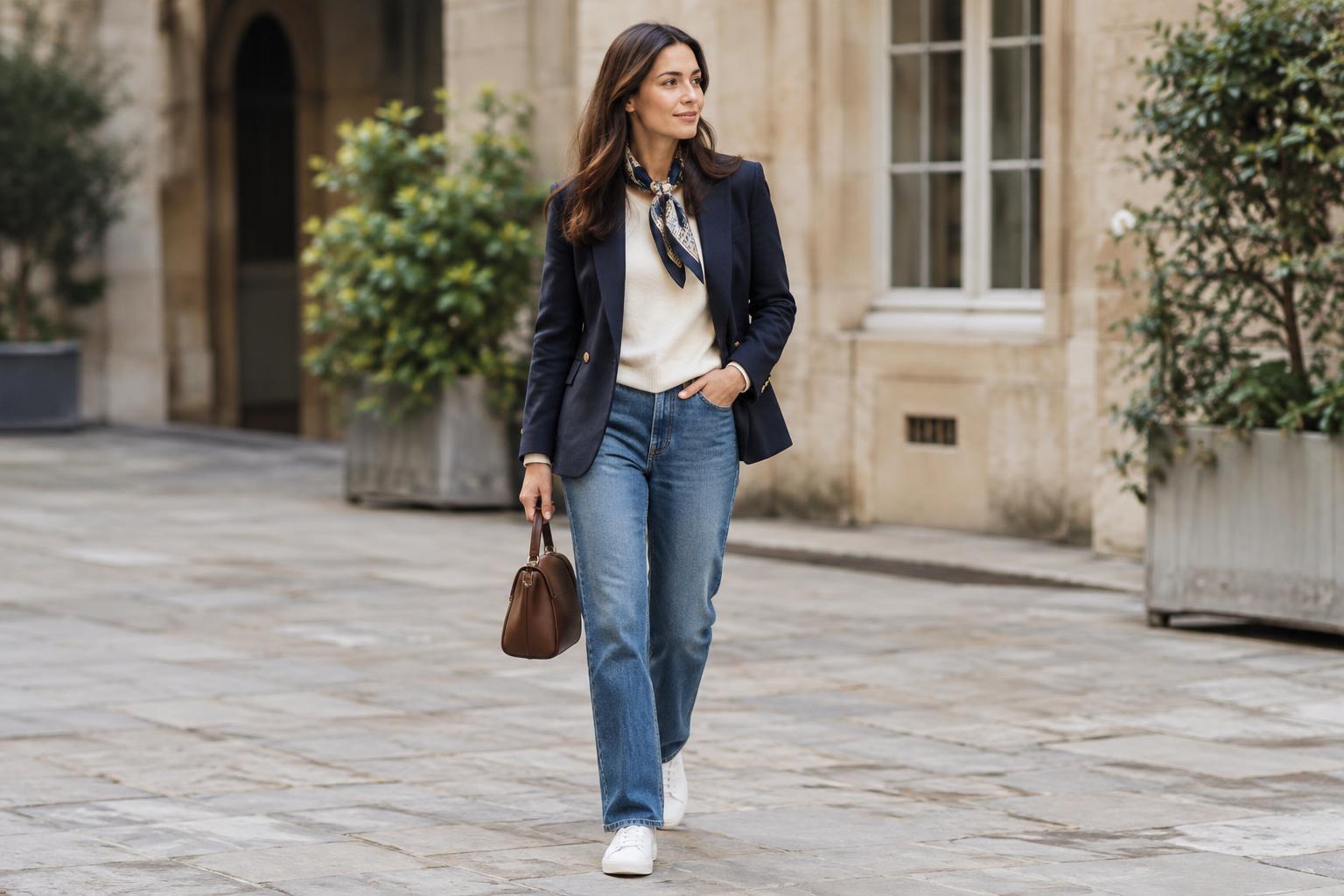
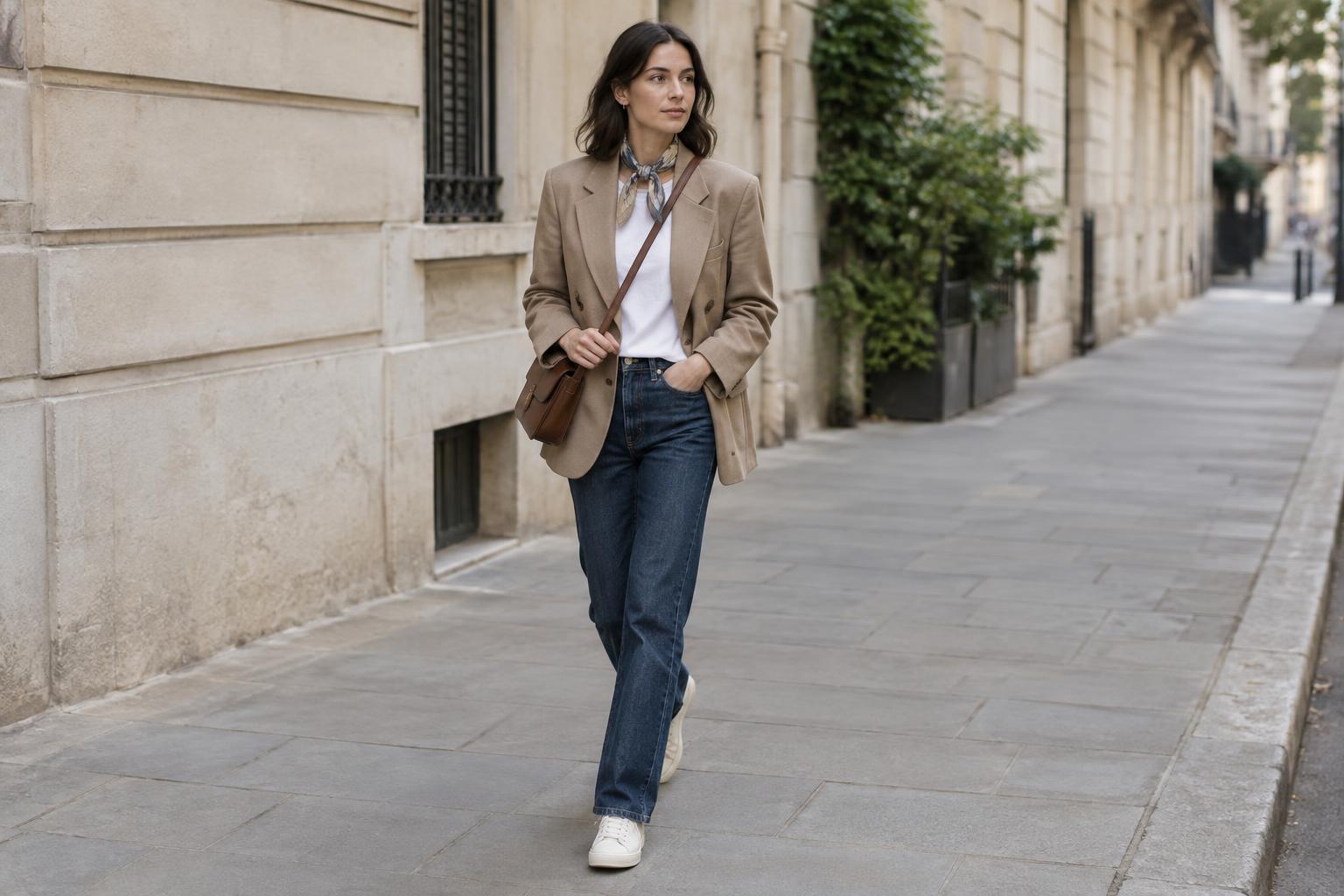
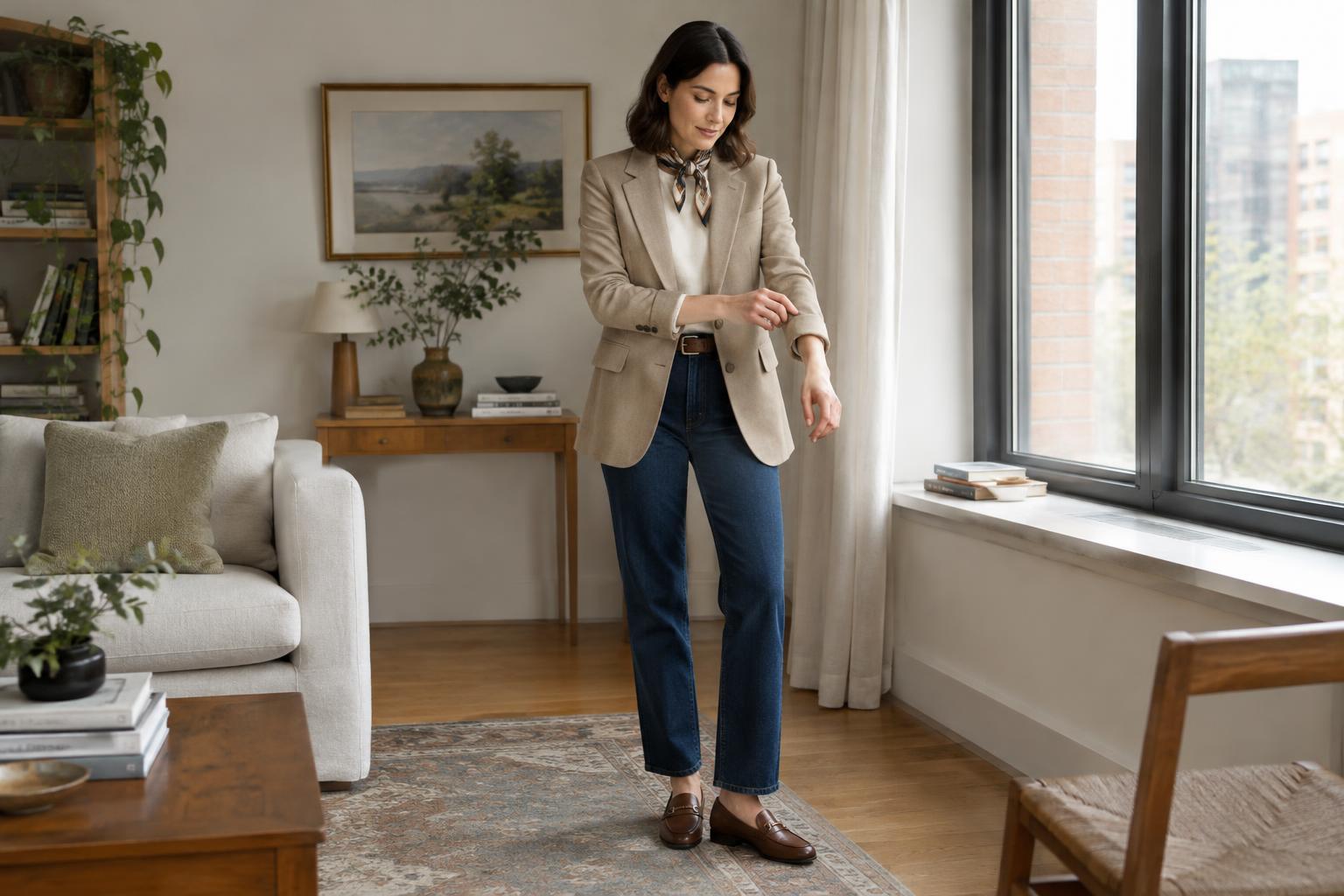
A silk-category scarf or another lightweight square can add pattern near the face without the visual weight of a winter layer. Wear one with a white shirt and dark trousers to interrupt the straight lines, or place it inside the neckline of a knit so only a narrow border shows. With a patterned blouse, turn the scarf so its quieter side or smallest motif faces outward. That lets the two pieces coexist instead of asking them to compete for attention.
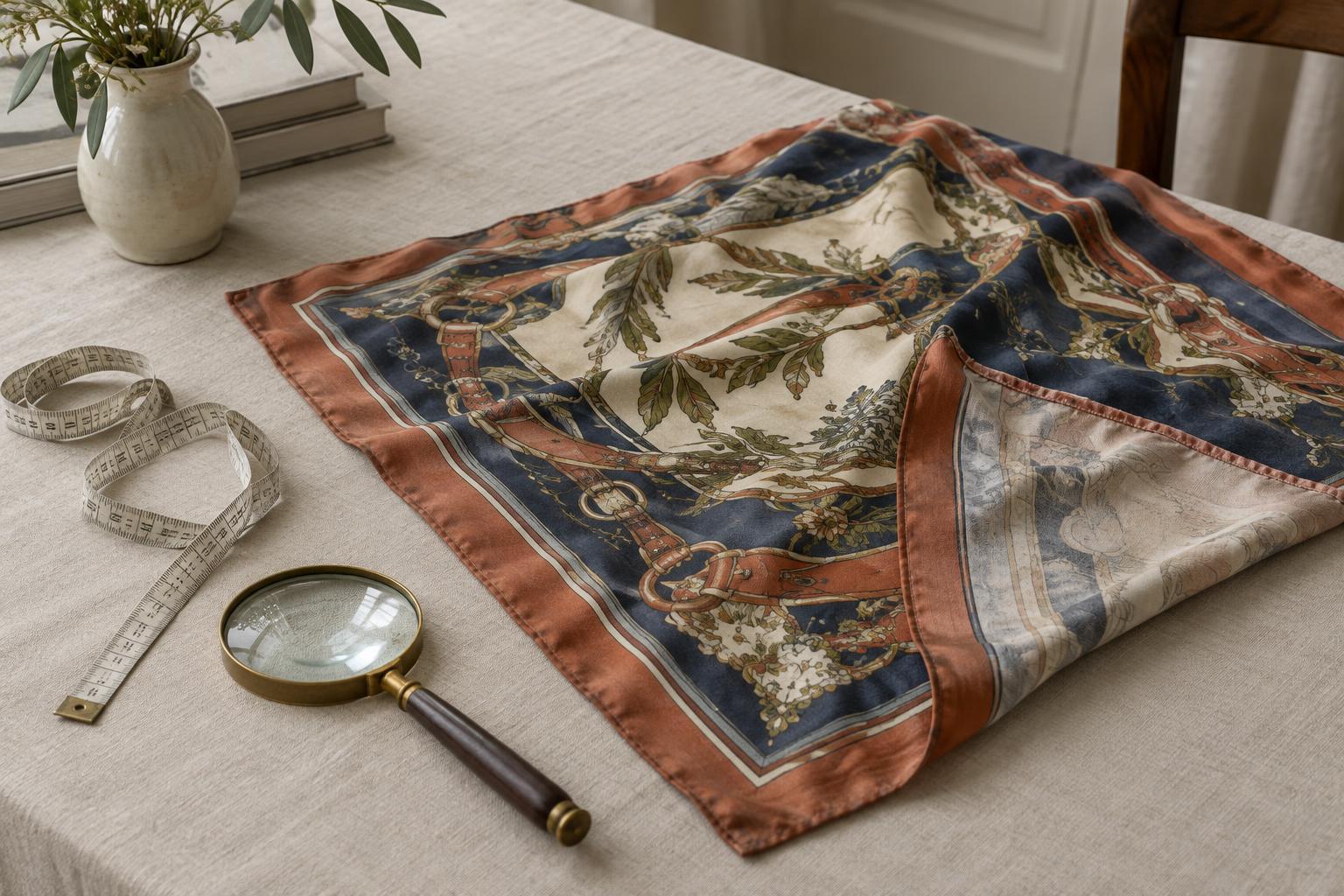
Look closely at scale as well as color. A compact print can read almost like texture from a distance; a bold border becomes more prominent when a square is folded diagonally. If you are considering silk because of its feel or drape, confirm the listed composition of the specific item. Silk is a category in the UniqueYou range, not a promise that every scarf is silk or that every product has the same hand. For frequent use, think about whether its care instructions fit the time you are willing to give it.
Wool, cashmere and the role of warmth
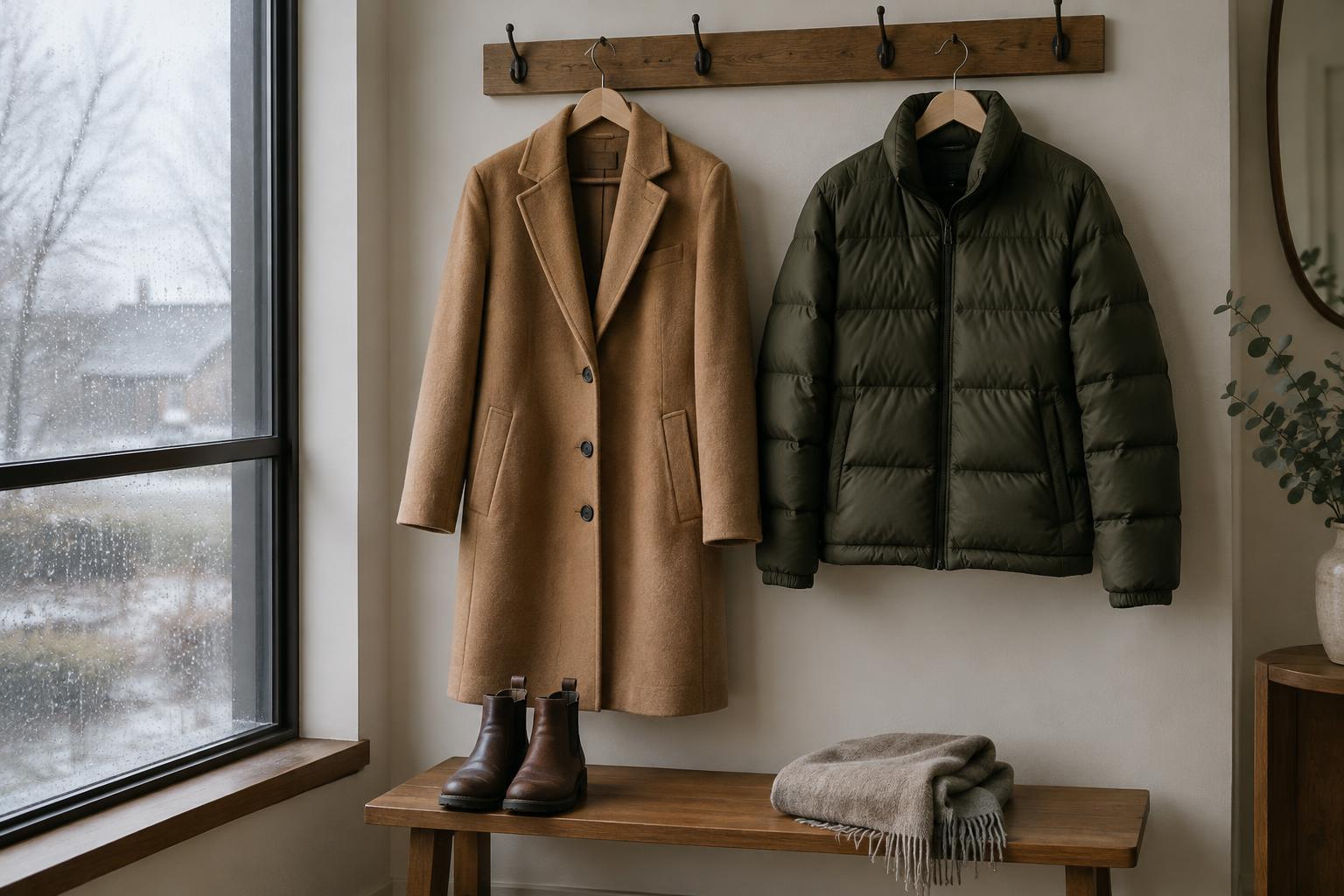
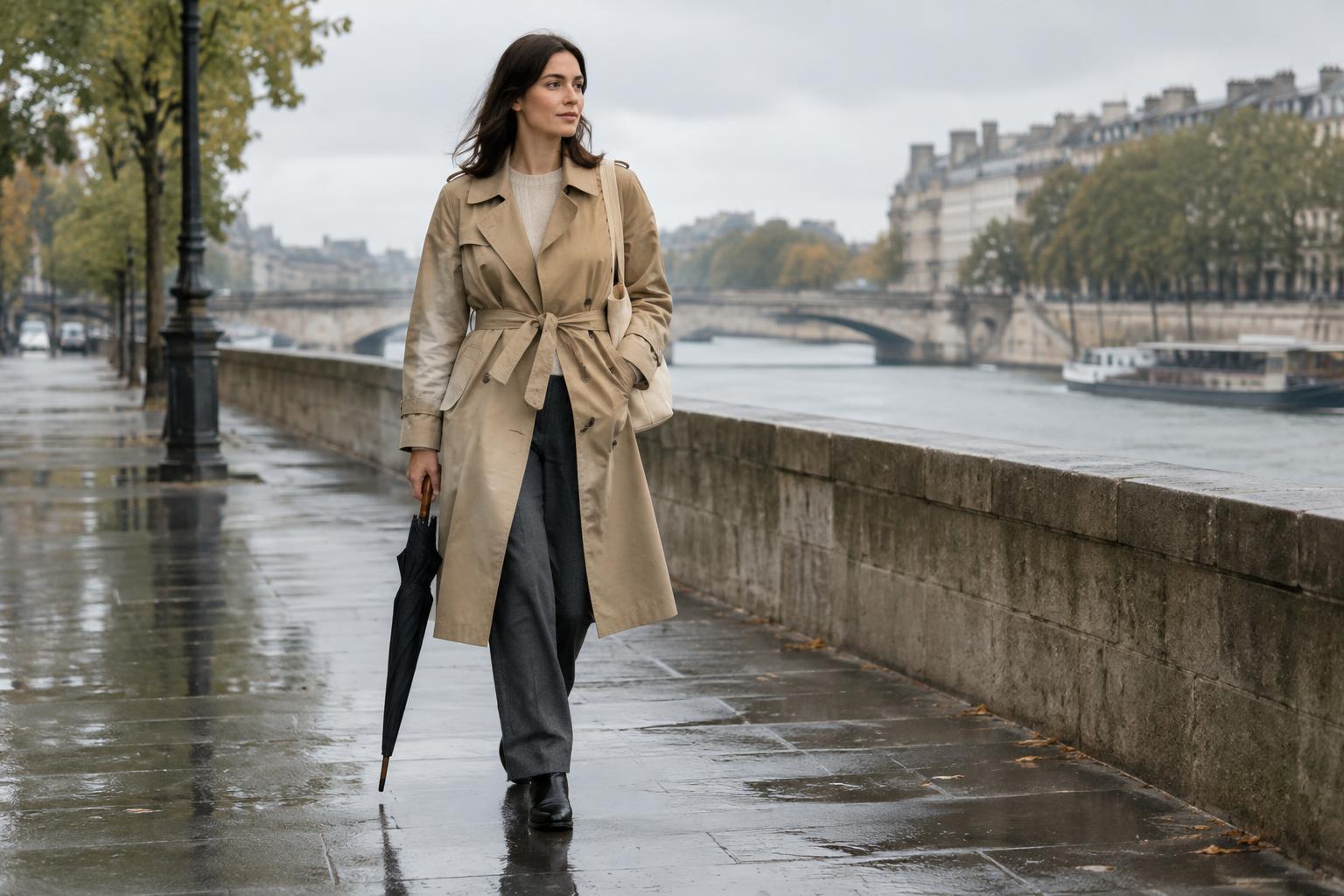
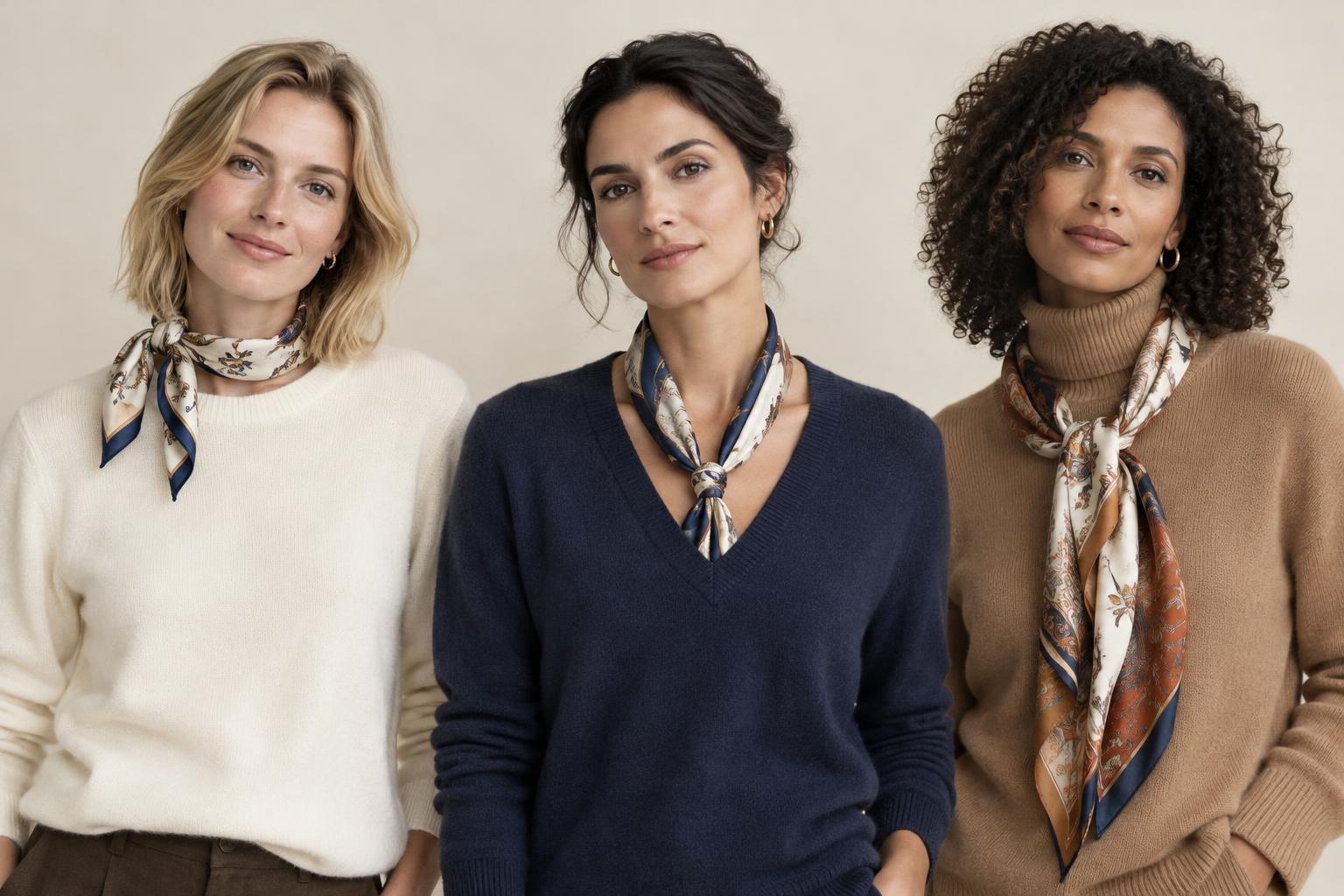
Cold-weather dressing calls for a different assessment. Start with the coat: a smooth, tailored coat may welcome a softer, fuller scarf, while a bulky jacket often needs a flatter fold around the neck. A shawl can be useful when you want coverage across the shoulders as well as at the collar, but its width matters if you plan to wear it under a coat. Check dimensions before relying on a product photograph to judge how a piece will sit on your frame.
UniqueYou has wool and cashmere categories, yet the fiber content of an individual scarf or shawl should always be checked separately. Consider the feel of the fabric against your neck, the weight you find comfortable, and whether you prefer to tuck the ends away or let them hang. A darker shade can continue the line of a winter coat; a lighter shade can brighten the area around the face. Neither is inherently more elegant. The right choice depends on your outerwear, your routine and the amount of contrast you enjoy.
Build a color conversation, not a perfect match
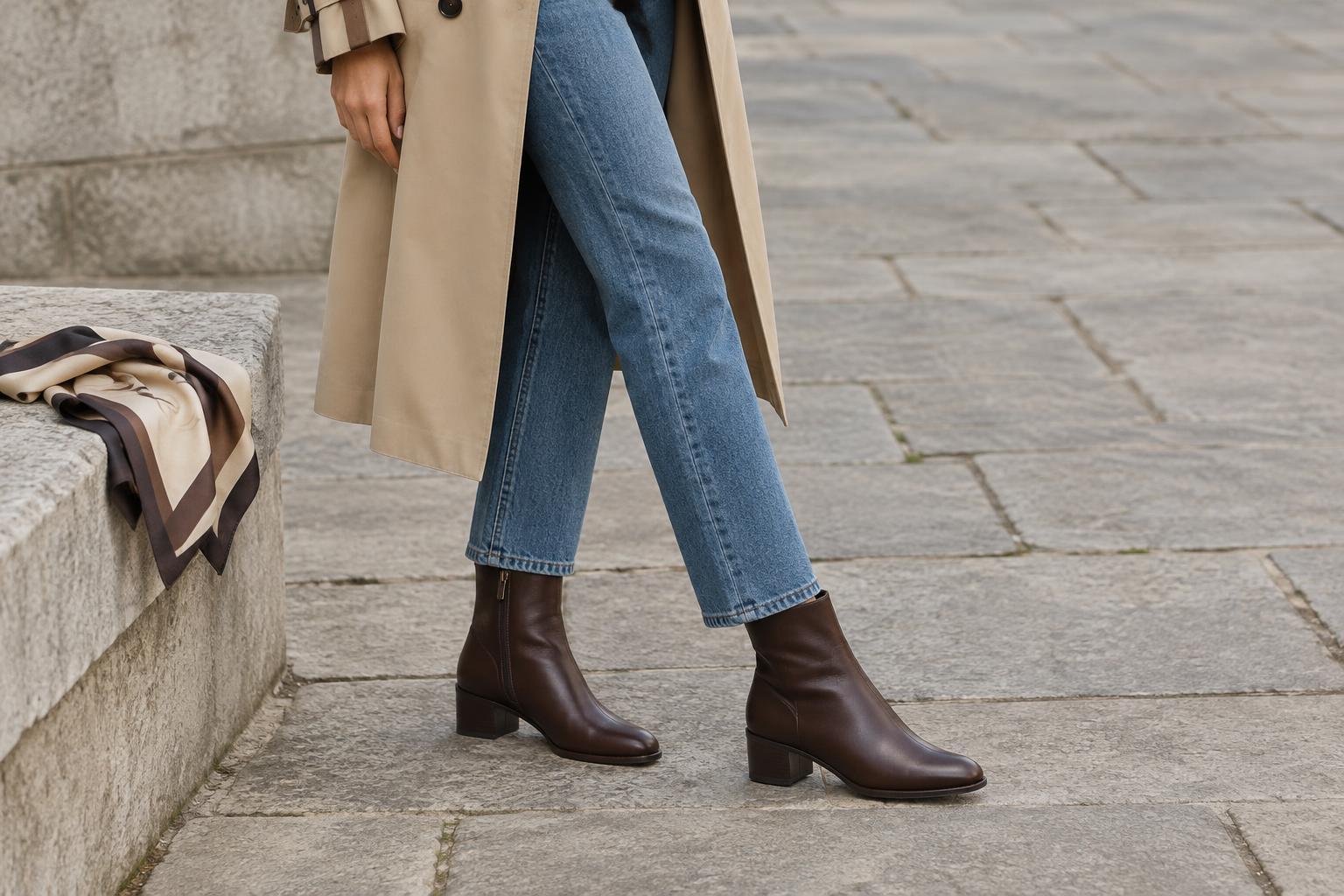
Matching an existing wardrobe does not mean finding exactly the same shade. With navy, charcoal or black clothing, a brown scarf can introduce warmth; with camel or cream, a deeper tone can add definition. If your outfit includes several colors, select one that appears in a small detail, such as a stripe, button or print. Repeating it once in an accessory makes the combination feel deliberate without turning the outfit into a coordinated set.
Consider the scarf both against your clothes and near your face. A bright color that feels too strong as a full coat might be comfortable in the smaller area of a neck scarf. Conversely, a dramatic print that looks balanced laid flat may dominate when gathered into a knot. Take a quick look in natural light if you can, then view the whole silhouette rather than only the neckline. A useful scarf should make your familiar outfits feel more complete, not leave you feeling obliged to buy new clothes to justify it.
Occasion dressing without a one-day accessory
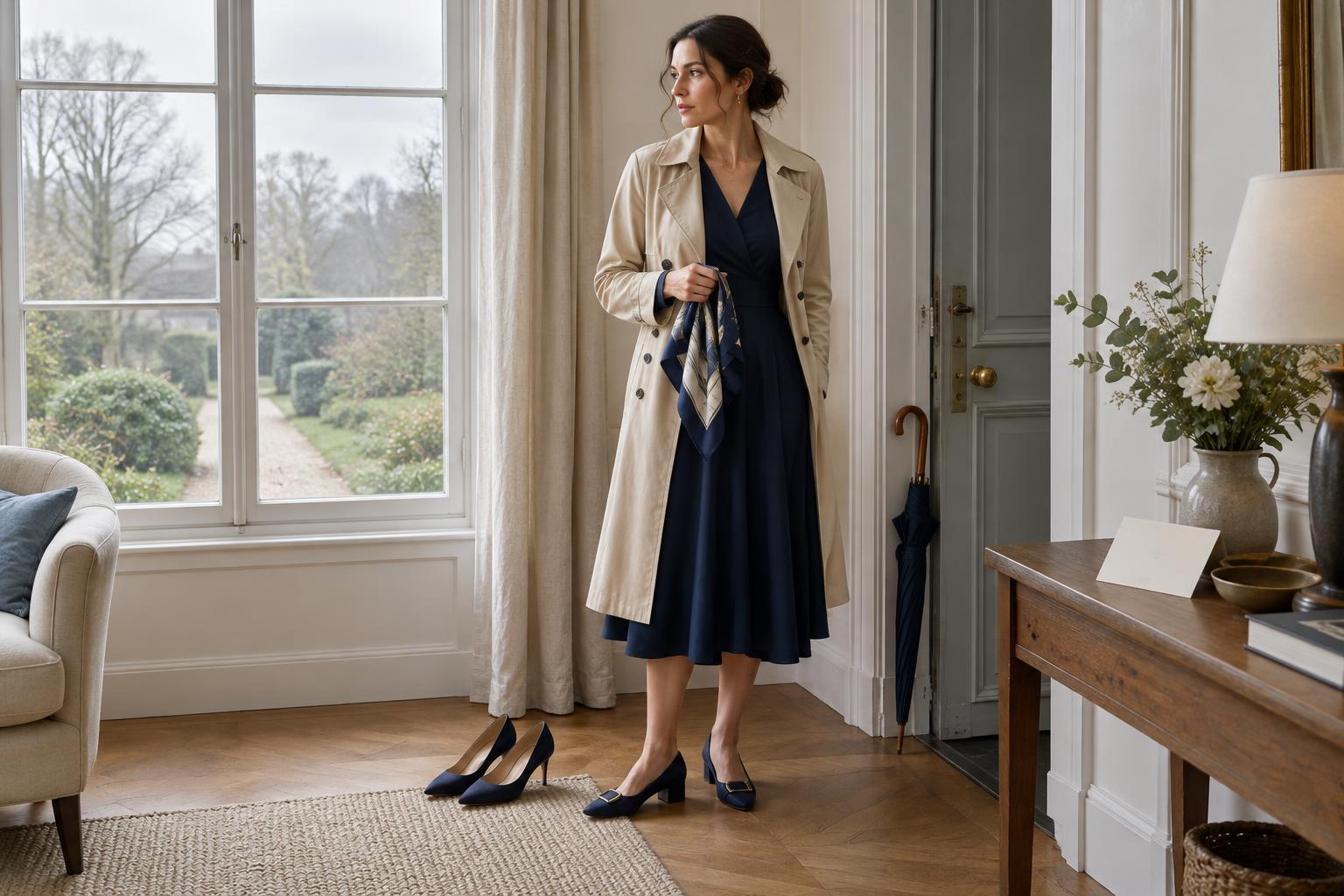
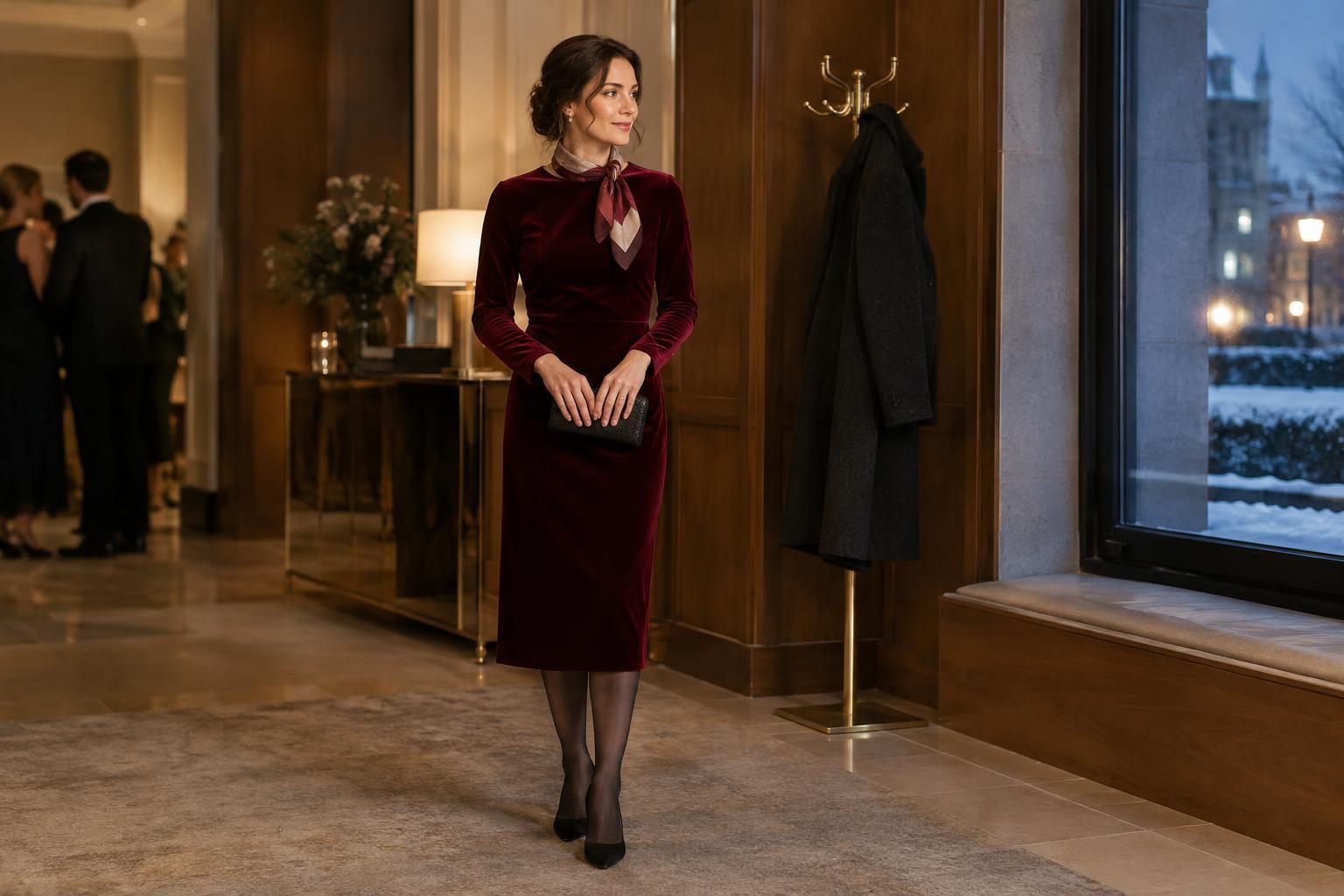
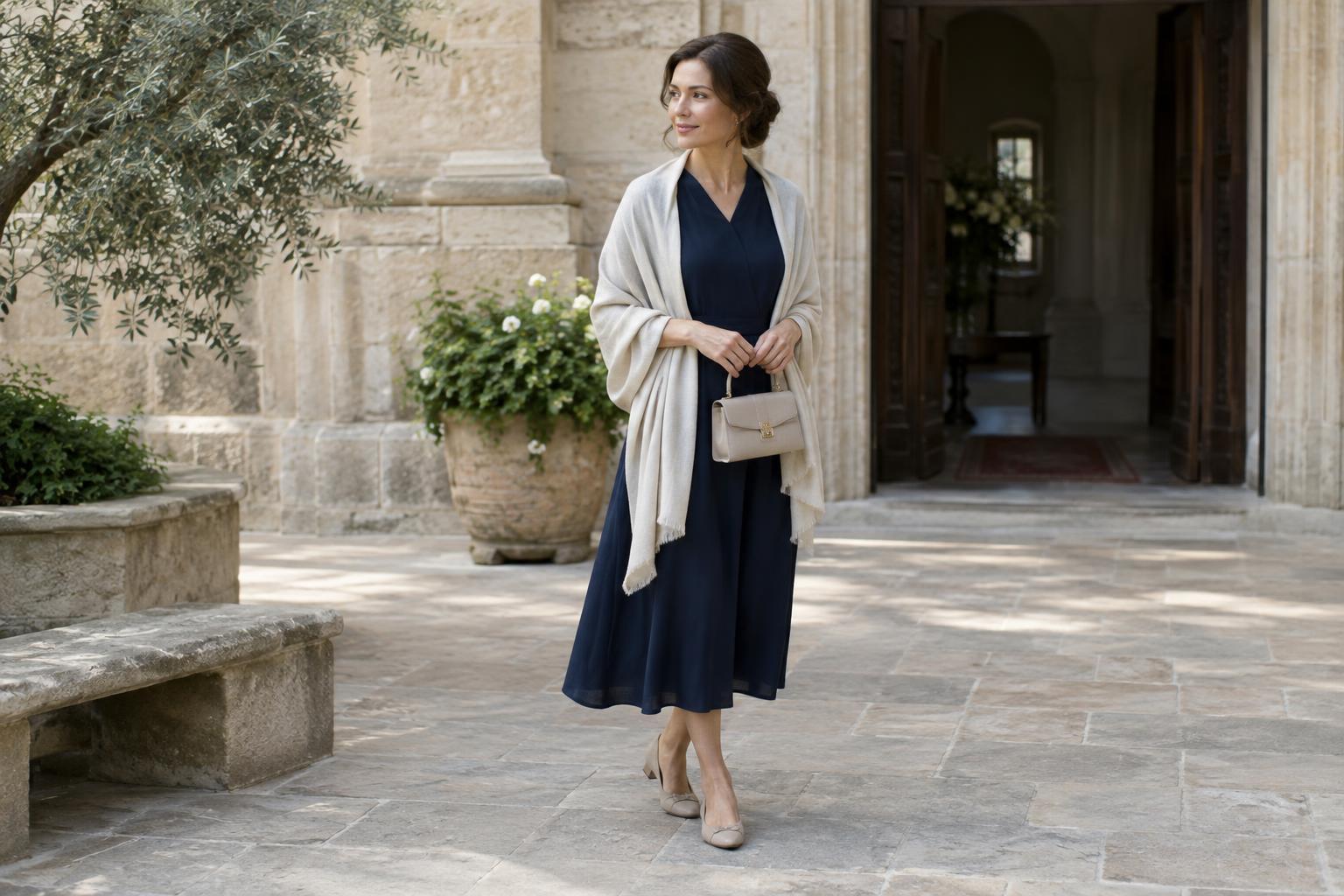
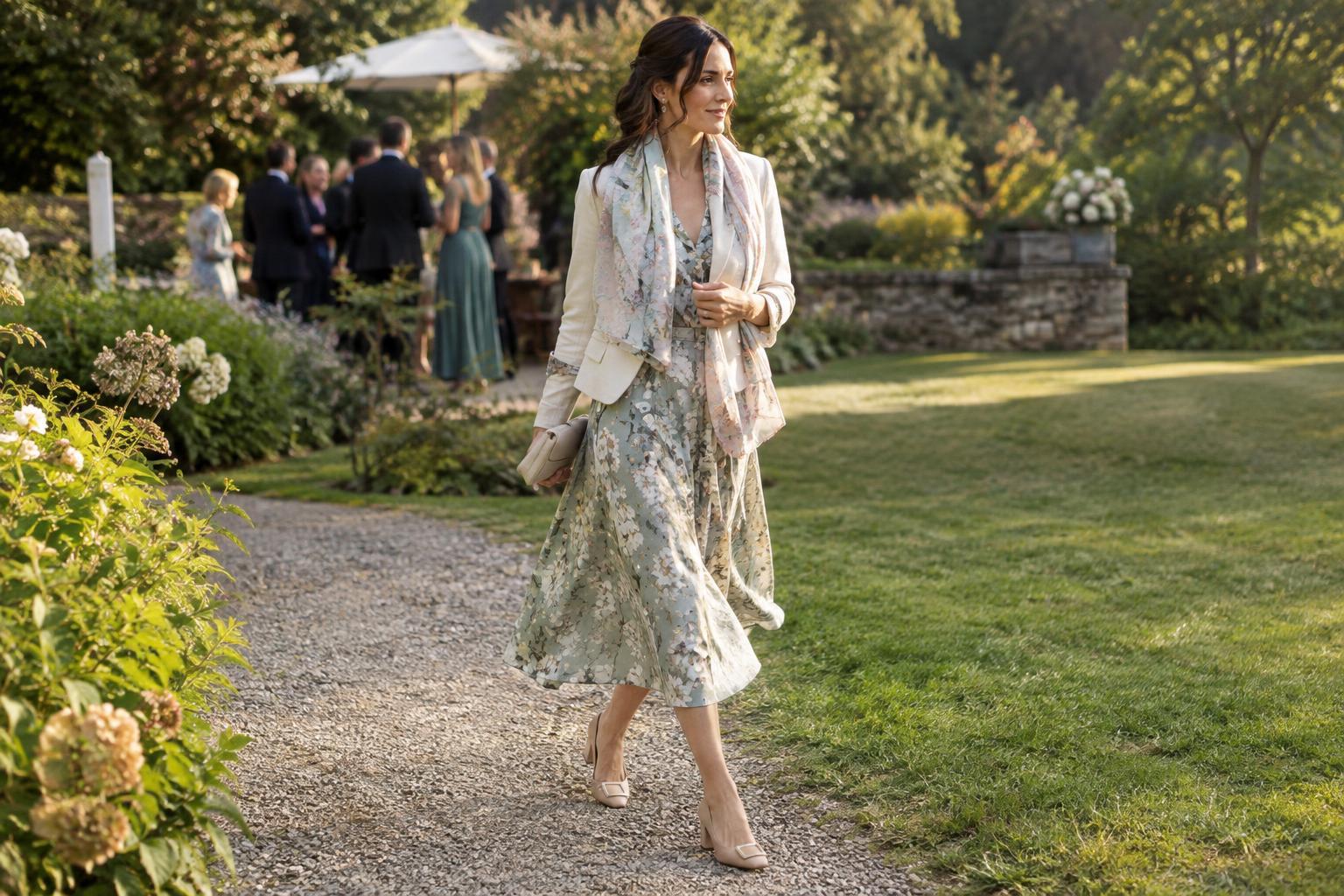
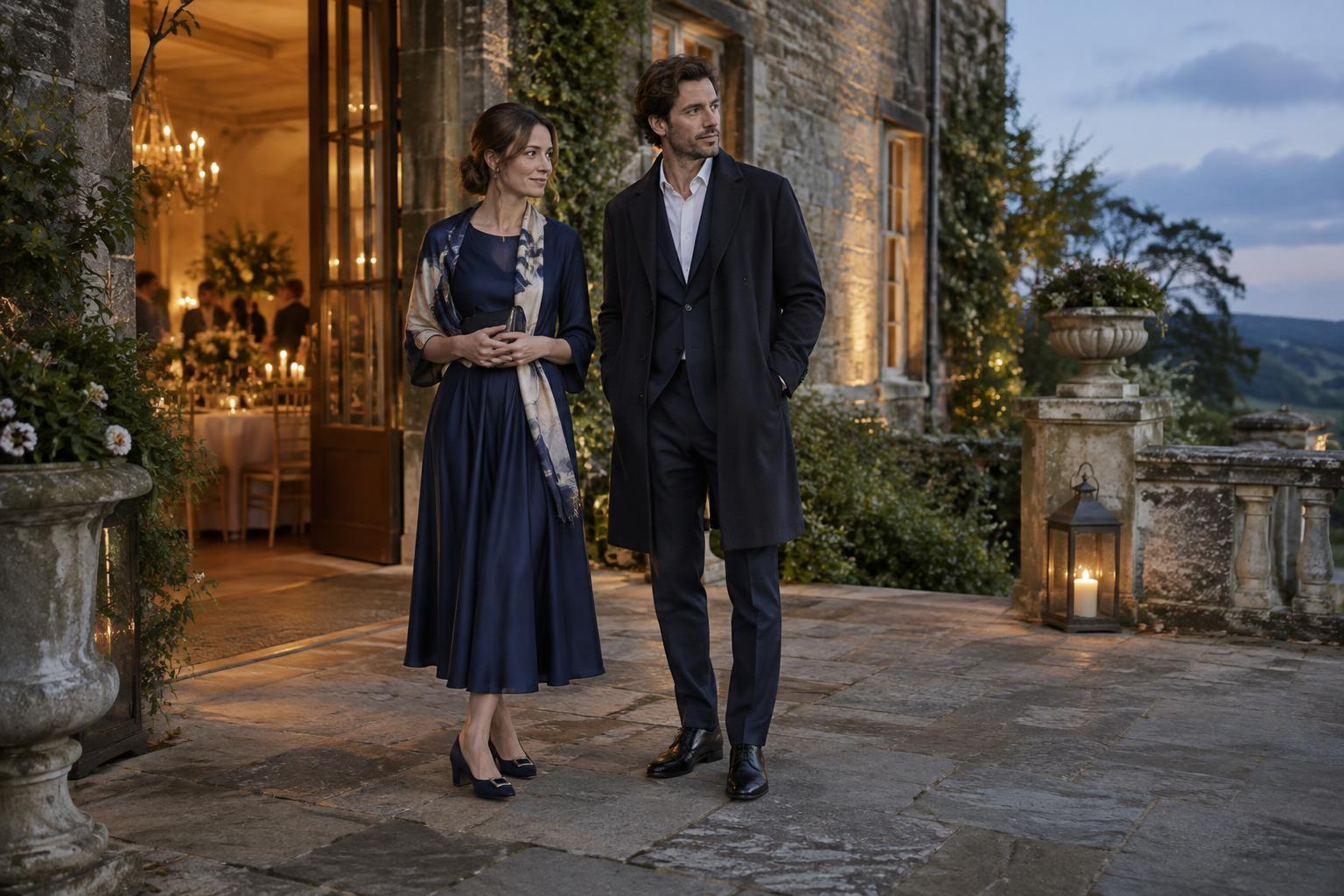
For a wedding, dinner or formal gathering, a shawl can soften the transition between a dress and outerwear, especially when the neckline or sleeves leave you wanting a little more coverage. Begin with the dress fabric and silhouette. A fluid dress may suit a lightly draped layer; a structured dress can benefit from a wrap worn simply over the shoulders. If jewelry already makes a statement, choose a quieter scarf color or keep any pattern away from the neckline.
An occasion accessory earns its place when you can imagine wearing it again. Before choosing a wrap solely for one dress, picture it with a plain top, tailored jacket or another outfit already in your wardrobe. Check that its length allows you to move and sit comfortably, and decide in advance where you will put it when you take it off. The most effective styling is often uncomplicated: let the accessory provide either coverage, texture or color, rather than asking it to provide all three at once.
Choose a gift with room for personal taste
A scarf can be a considerate gift because the recipient can style it in several ways, but that flexibility does not remove the need to choose carefully. Think about what they actually wear outdoors: the color of their usual coat, whether they favor small neck scarves or substantial wraps, and how often they wear patterns. A square in a familiar color family may be easier to integrate than a striking print chosen only for its appeal in a photograph. If warmth is the priority, look at size and listed materials as well as appearance.
When you do not know someone’s fabric preferences, avoid guessing how a product will feel or be maintained. Check the individual composition and care guidance, particularly if you are considering a silk, wool or cashmere category. For a recipient whose wardrobe you know only loosely, a versatile color and an uncomplicated shape are usually safer starting points than an accessory tied to one particular event. The aim is not to select the most conspicuous piece; it is to give them something they can make their own.
Care and a more useful way to browse
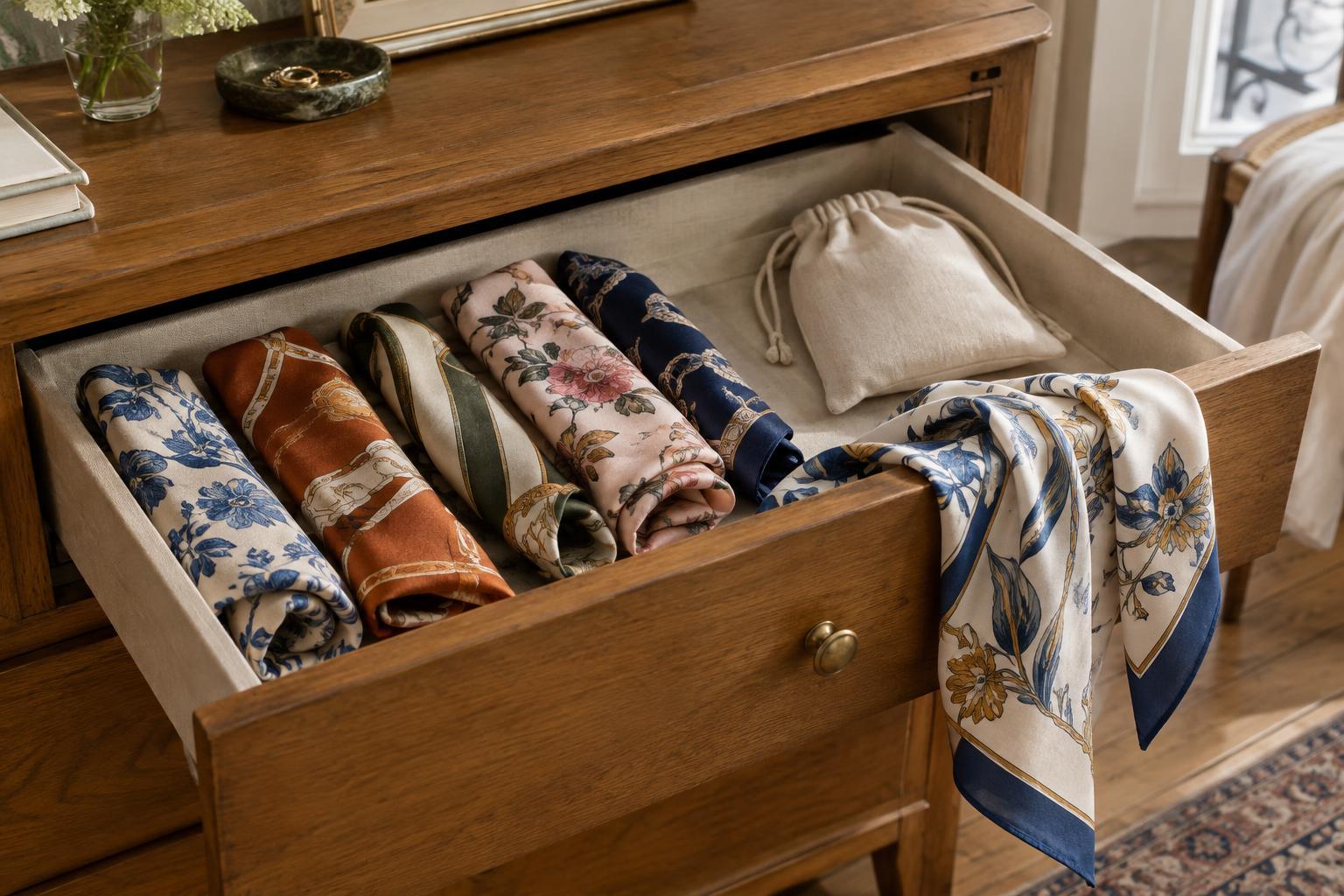
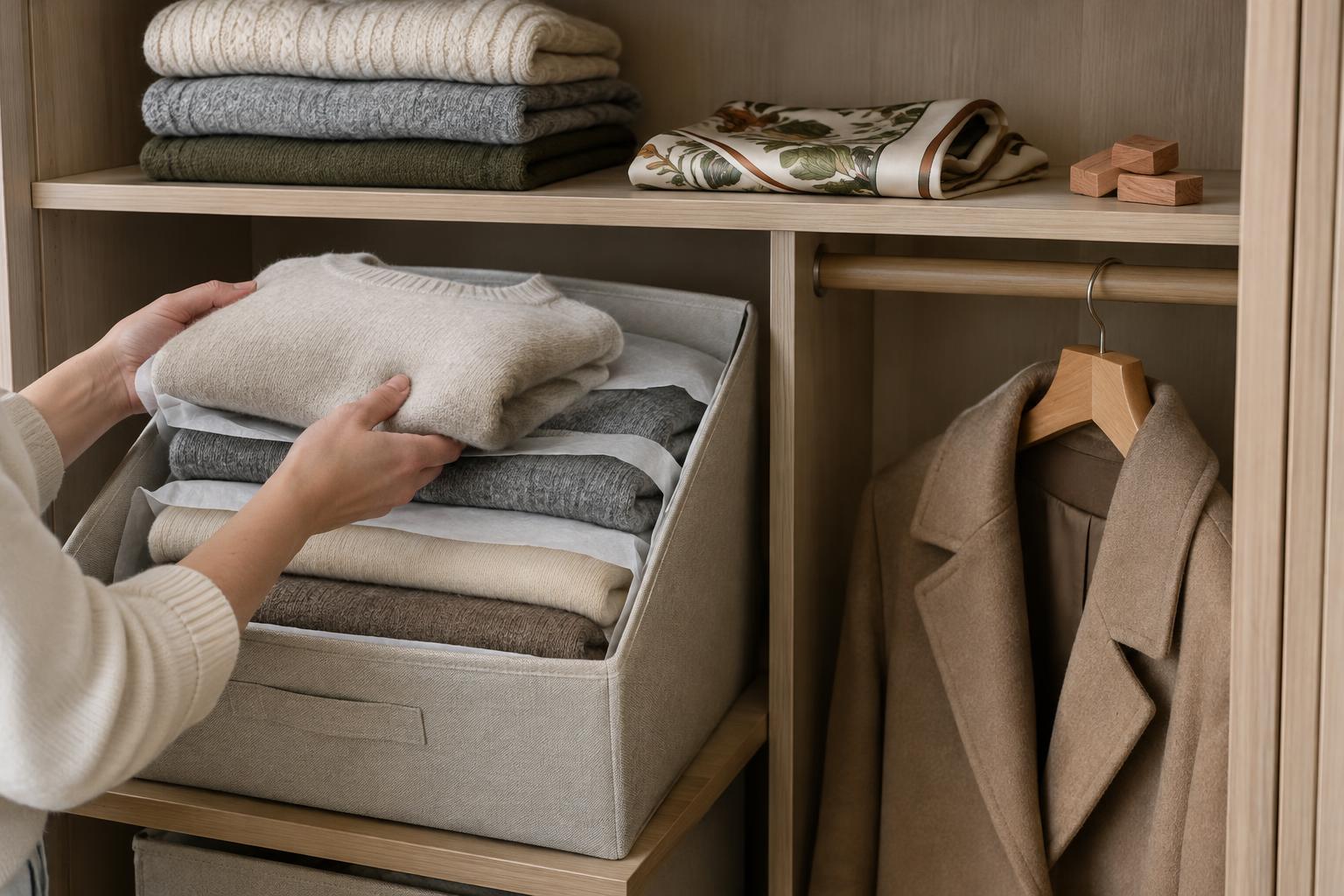
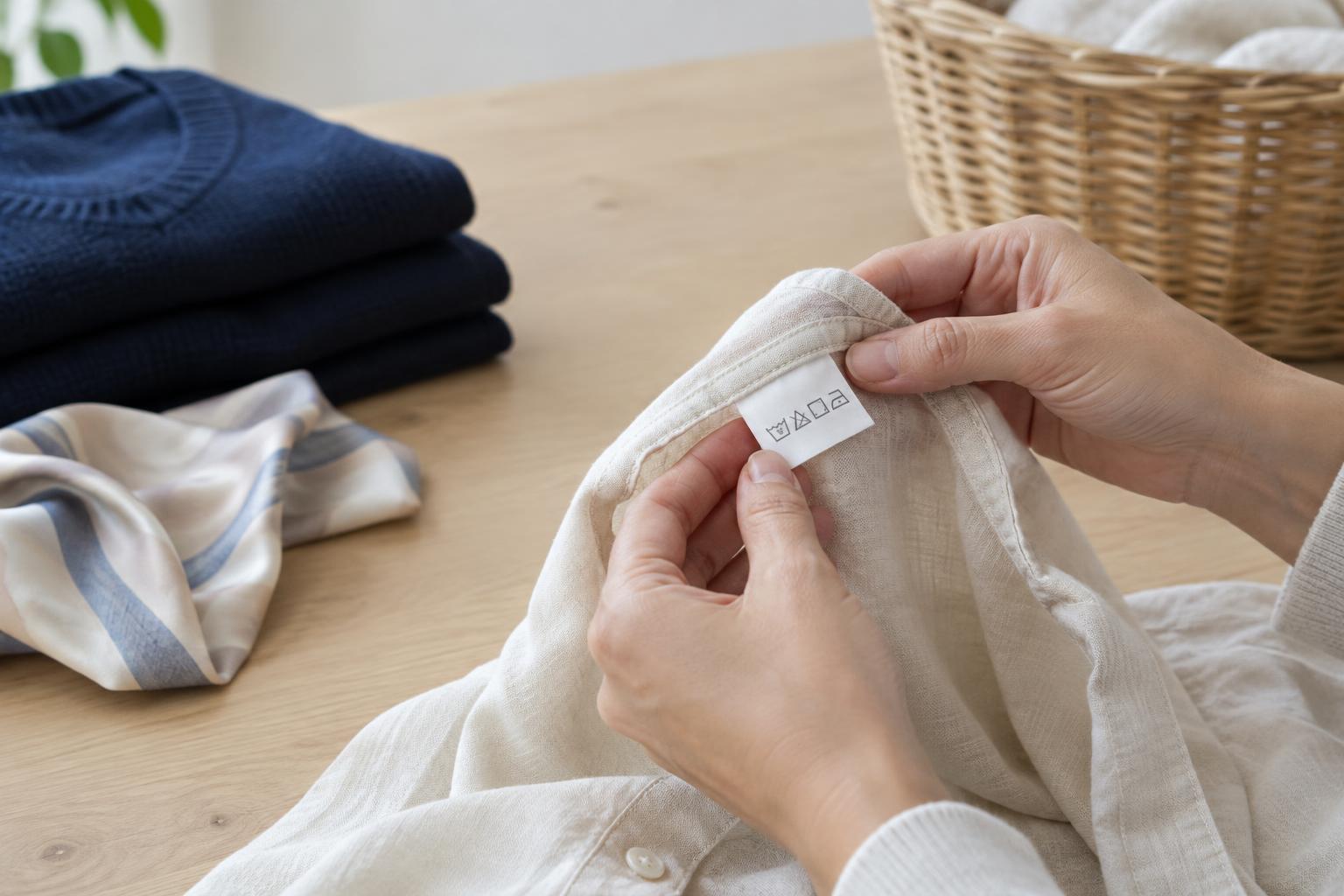
Care begins before the first wear. Read the product-specific label or instructions, since washing and drying needs depend on the actual fibers and construction. Store a scarf so it is not trapped under heavy clothing, and give a piece time to air between wears when appropriate. Be gentle with knots and fastenings: pulling a delicate edge through a tight knot can be harder on the fabric than wearing the scarf loosely. If a stain or crease needs attention, follow the item’s guidance instead of applying one routine to every material.
When browsing UniqueYou, narrow your choices in an order that reflects your life: first the season or occasion, then shape and size, then color, material information and care. The brand has 20 regional domains, 21 regional-language versions and 16 distinct languages. Those numbers differ because countries can share a language, while the United Arab Emirates has both an Arabic root version and an English version at /en. Choose the version intended for your country and reading language, then assess the individual item on its own details rather than assuming two similarly named categories contain identical products.
A regional guide to browsing UniqueYou
The destinations below are grouped by country and destination language. Some countries share a language, while the United Arab Emirates appears twice because its Arabic and English versions are distinct. Each entry points toward a starting place or a relevant collection; use the destination that fits where and how you prefer to browse, then check the details of any individual piece.
Poland — Polish
For the Polish-language brand selection, start with UniqueYou. If your everyday coat needs a warmer-looking finishing layer, the local term for women’s winter scarves leads to a relevant collection — szale zimowe damskie UniqueYou. Compare dimensions and composition before deciding whether the scarf will sit best over your coat or tucked inside it.
Germany — German
The German-language UniqueYou home is UniqueYou. For a softer alternative to black outerwear, the local term for a brown women’s scarf points to a color-focused collection — brauner schal damen UniqueYou. If your wardrobe already depends on black, UniqueYou leads to that color collection instead; consider whether you want the scarf to blend with your coat or stand apart from it.
Czechia — Czech
Browse the Czech-language brand home at UniqueYou. For a compact detail with a shirt or knit, the local term for women’s neck scarves directs you toward that category — dámské šátky na krk UniqueYou. If you would rather start with longer scarf shapes, UniqueYou leads to the broader scarf collection. Check measurements against the neckline you wear most often.
Spain — Spanish
The Spanish-language UniqueYou starting point is UniqueYou. If you are dressing a plain dress for an event, the local term for a scarf to wear with dresses leads to an occasion-oriented collection — fular para vestidos UniqueYou. Think beyond the event itself: a color that also works with a simple jacket or top can make the accessory more useful later.
France — French
For the French-language selection, begin at UniqueYou. If you prefer a light layer with an everyday shirt, the local term for an elegant cotton scarf points to a cotton-scarf collection — foulard en coton élégant UniqueYou. Read each item’s composition and size before choosing; a softly folded piece can add interest without overwhelming a restrained outfit.
Hungary — Hungarian
The Hungarian-language brand home is UniqueYou. For a bright accent against neutral clothing, the local term for red scarves leads to the color collection — piros kendők UniqueYou. If you need to compare other scarf options before committing to red, UniqueYou leads to a broader collection. Decide how much color you want close to your face when the scarf is tied.
Italy — Italian
Start with the Italian-language UniqueYou selection at UniqueYou. The local term for a fashionable shawl points toward a shawl collection — scialle alla moda UniqueYou. For a dress or wedding outfit, UniqueYou leads to a more occasion-focused selection. In either case, check whether the width and drape suit the dress rather than judging the shawl only on its color.
Romania — Romanian
The Romanian-language brand home is UniqueYou. For an evening outfit, the local term for a shawl with an evening dress leads to an occasion collection — sal pentru rochie de seara UniqueYou. If you want a scarf for less formal days, UniqueYou leads to a separate scarf selection. A piece that also works with a jacket may prove more adaptable than one reserved for a single dress.
Slovakia — Slovak
Browse the Slovak-language selection from UniqueYou. The local term for an elegant scarf leads to a scarf collection — elegantná šatka UniqueYou. If a smaller neck detail is your goal, UniqueYou points toward a silk-neck-scarf category. Check the individual fabric information and imagine the folded scarf against the collars and knits you already own.
Finland — Finnish
The Finnish-language UniqueYou home is UniqueYou. If you like a generous layer over a coat or across your shoulders, the local term for stylish large scarves leads to a large-scarf collection — tyylikkäät isot huivit UniqueYou. Look at the listed dimensions and consider how much fabric feels comfortable once the scarf is folded for daily wear.
Sweden — Swedish
Begin with the Swedish-language brand selection at UniqueYou. If you are looking for a cold-weather layer, the local term for a merino-wool scarf points to that category — halsduk i merinoull UniqueYou. Check the specific item’s fiber listing, then think about whether its weight and length suit your coat collar and your preferred way of tying a scarf.
Denmark — Danish
The Danish-language UniqueYou home is UniqueYou. For a lighter detail, the local term for a silk scarf leads to the silk-scarf category — silke tørklæde UniqueYou. If pattern is the starting point, UniqueYou leads to checked neck scarves. With either choice, try to connect one color in the accessory to clothing you already wear regularly.
Belgium — Dutch
For Belgium’s Dutch-language selection, start at UniqueYou. The local term for a red scarf leads to the red-scarf collection — sjaal rood UniqueYou. If stripes would sit more naturally with your wardrobe, UniqueYou leads to a striped selection. Compare the scale of a pattern with your usual coat and avoid making two strong prints compete at the neckline.
Austria — German
The Austrian German-language brand home is UniqueYou. If a light, refined accent appeals to you, the local term for silk scarves leads to a silk category — Tücher aus Seide UniqueYou. Check the composition and care information on the particular piece, and consider whether its shape works best with a shirt collar, a plain knit or an occasion dress.
Netherlands — Dutch
Browse the Netherlands’ Dutch-language selection from UniqueYou. For a layer to wear over the shoulders, the local term for wool shawls leads to that category — wollen omslagdoeken UniqueYou. If your priority is an understated color for everyday outerwear, UniqueYou leads to black scarves. Let the coat’s cut guide your choice of width and volume.
United States — English
The United States English-language UniqueYou home is UniqueYou. If you want a scarf to accompany winter outerwear, the local term for a women’s winter scarf points to a relevant collection — women's winter scarf UniqueYou. Compare length, composition and how the scarf will fit under your coat before treating warmth or softness as a given.
United Arab Emirates — Arabic
For the United Arab Emirates’ Arabic-language root version, start at UniqueYou. If a checked pattern appeals to you, UniqueYou leads to a collection of checked scarves in that destination language. Consider whether the pattern adds useful contrast to your usual plain garments, and consult the individual item details for its size and fabric.
United Arab Emirates — English
The United Arab Emirates also has a distinct English-language version at /en. To reach that version, the English local term for a silk scarf shop is the linked starting point — silk scarf shop UniqueYou. Treat it as a place to begin browsing rather than a claim about every item’s composition; check each scarf’s description before choosing.
Ireland — English
For Ireland’s English-language brand selection, begin at UniqueYou. If you are considering a shoulder layer, the local term for a women’s cashmere shawl points to a relevant collection — cashmere shawl for women UniqueYou. Review the composition and dimensions of the particular shawl, then picture it with both a dress and the outerwear you use more often.
United Kingdom — English
The United Kingdom English-language UniqueYou home is UniqueYou. For an outfit that needs an extra layer, the local term for a shawl to wear with a dress leads to the shawl collection — shawl for dress UniqueYou. Choose the drape with the dress neckline in mind, and consider a shade you could also wear with everyday tailoring.
Portugal — Portuguese
Start at the Portuguese-language brand home for Portugal — UniqueYou. If you want a scarf to style around the head or hair, the local term for headscarves leads to the relevant collection — lenços para cabeça UniqueYou. Check size and fabric before choosing, since a scarf that looks appealing laid flat may tie or sit differently once worn.
The most rewarding scarf is not necessarily the boldest or the most versatile in theory. It is the one whose color, shape, fabric details and care needs make sense alongside the clothes you already enjoy wearing.