Start with the days you actually dress for
The most versatile dress is not necessarily the simplest one. It is the dress you can reach for on a normal morning, wear comfortably through the day and change with a few familiar pieces. Before considering a color or silhouette, picture three situations in which you would wear it: perhaps a workday, a weekend outing and a casual dinner. If it feels plausible in all three, it is worth a closer look.
Think about your routine as well as your taste. Do you sit for long stretches, walk often or need to carry a bag on one shoulder? Would you prefer sleeves, or are you happy adding a layer? An everyday dress should accommodate how you move. A beautiful design that requires constant adjustment may see less wear than a quieter one that lets you get on with your day.
Look for a shape that works with your layers
A dress does not need to be loose to be adaptable, but it helps if you can move comfortably and add a layer without feeling restricted. Straight, gently shaped and wrap-style dresses can each work well; the better choice depends on where you like definition and how the garment fits your body. Check the shoulders, waist and hips while standing, sitting and walking. If a dress has a tie or belt, try it both with and without that detail.
Length also affects how easily a dress moves between settings. Consider how the hem looks with the flat shoes you wear most often, then with another pair you might choose for an evening out. A dress that feels right only with one shoe can still be a good purchase, but it may not be the multipurpose piece you are seeking.
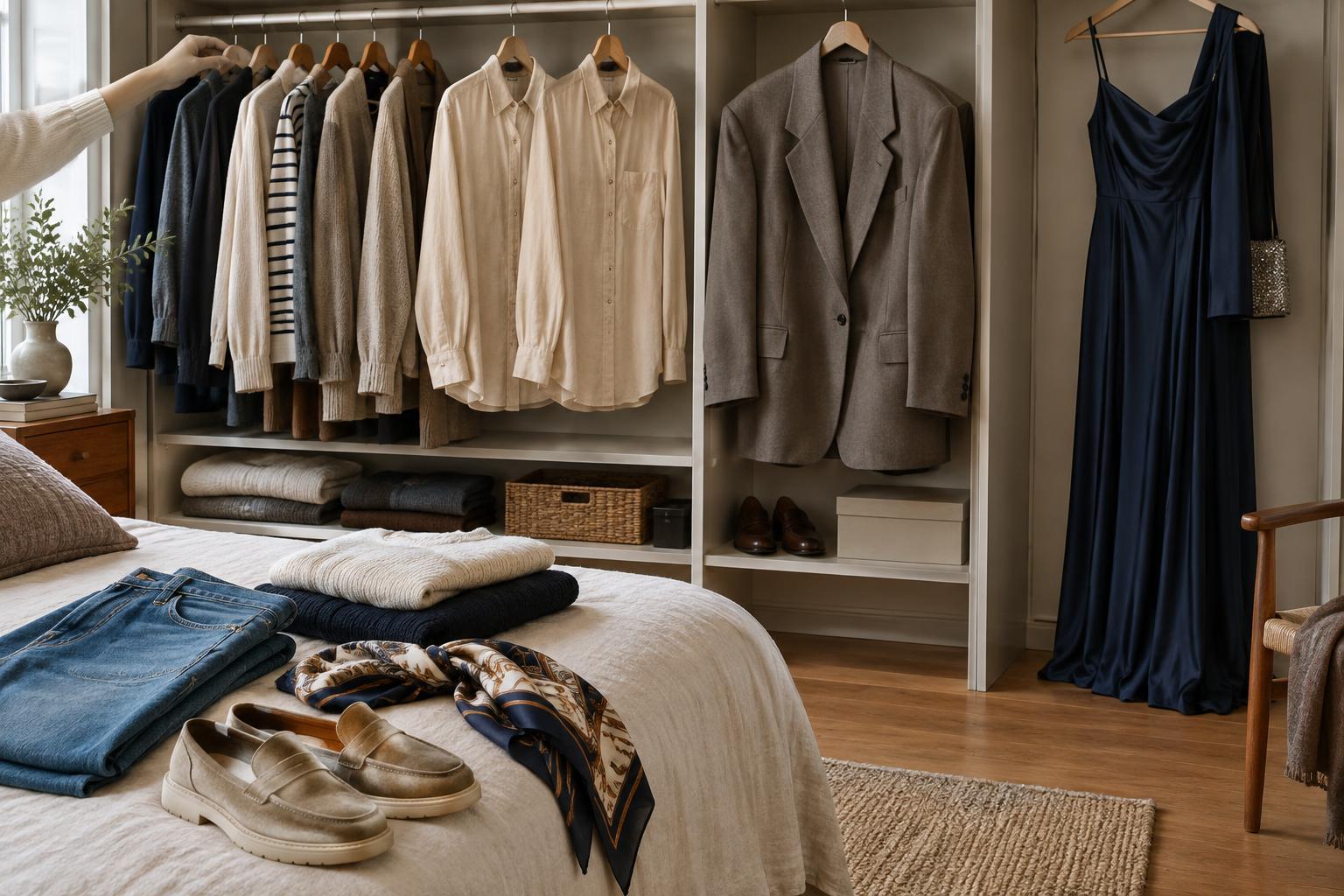
Bring your existing wardrobe into the decision. Can you picture a cardigan over the dress, a jacket on top or a light knit underneath? You do not need every combination to work. Two or three convincing outfits built from clothes you already own are a stronger sign of versatility than a long list of hypothetical additions.
Choose fabric for comfort and upkeep
Fabric influences both the way a dress hangs and the effort it takes to wear. A soft knit may feel easy for a day with plenty of movement, while a woven fabric may give a more defined outline. Neither is automatically more practical. Feel the material, check whether it is comfortable against your skin and notice how it falls after you sit down or gather it lightly in your hand.
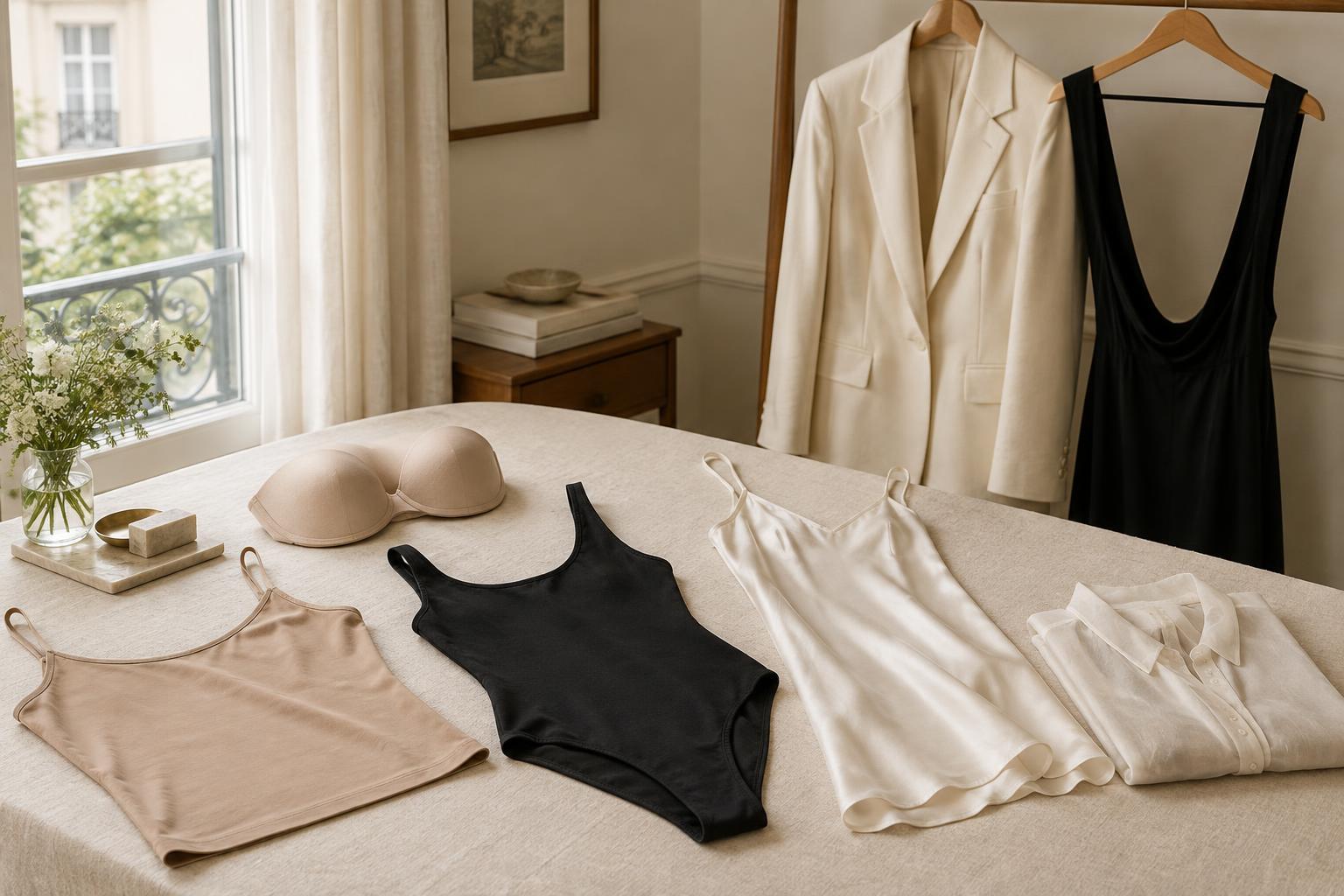
Read the care label before buying. If you want a dress for frequent wear, its cleaning needs should fit your routine. Consider whether the fabric is likely to need pressing, whether it is opaque in the lighting where you will wear it and whether you would want a slip or other layer underneath. These small details can make the difference between a dress you enjoy wearing and one you repeatedly leave in the wardrobe.
Color and pattern deserve the same practical test. A shade that works with your usual shoes, outerwear and accessories may give you more options than one chosen in isolation. That does not mean defaulting to black or avoiding print. A patterned dress can be easy to style when at least one of its colors connects with pieces you already wear.
Try three changes before you decide
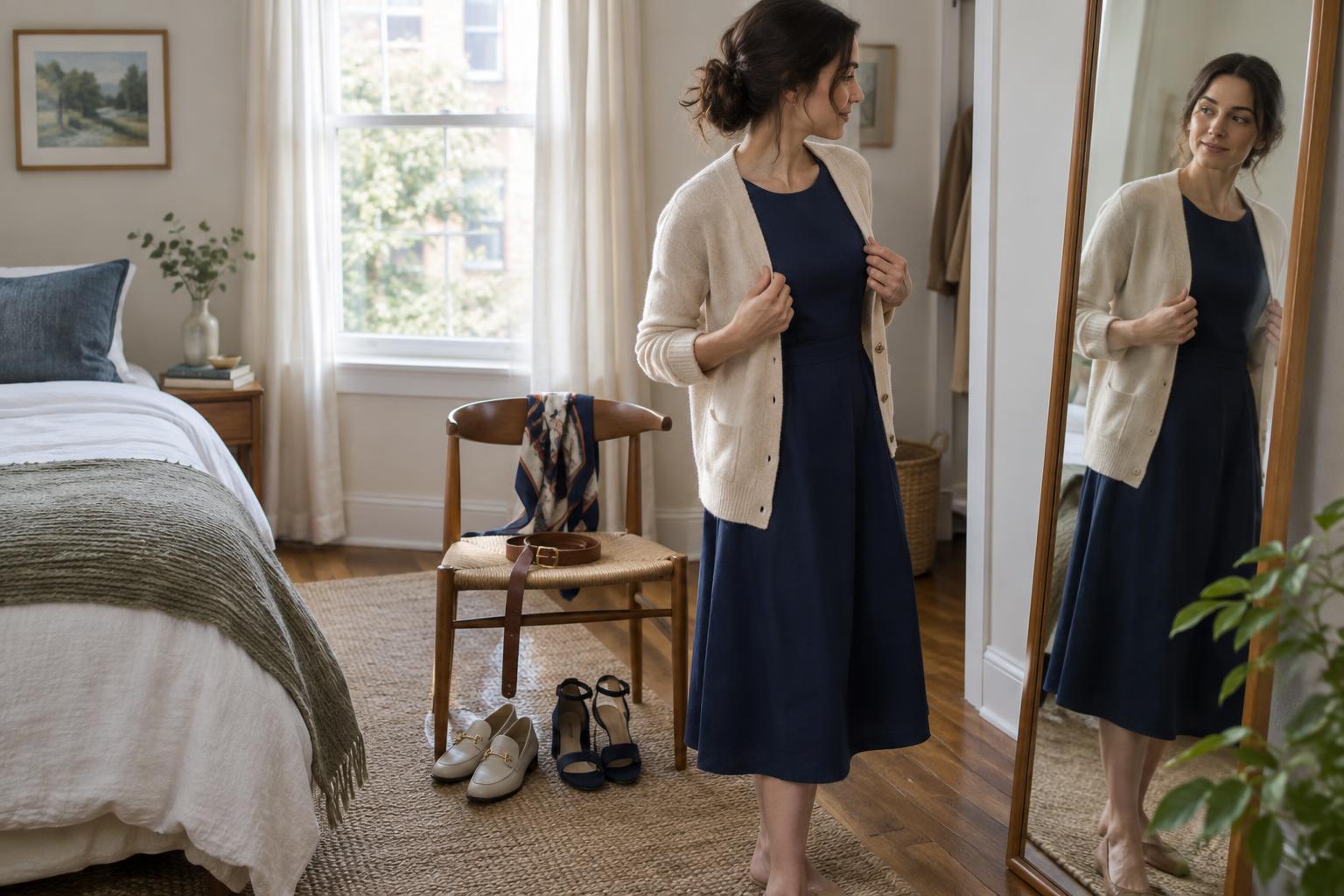
A quick styling exercise can reveal whether a dress offers genuine variety. First, imagine it at its most relaxed: comfortable shoes, a simple bag and perhaps a cardigan. Next, add structure with a jacket, a defined waist or a more polished shoe. Finally, try a small change near the face, such as earrings or a silk scarf. The aim is not to create three entirely different costumes. It is to see whether the dress can shift tone without requiring a new wardrobe around it.
Pay attention to what stays the same across those outfits. If you like the dress only when it is hidden under a jacket or altered by a belt, reconsider its fit or shape. If you feel at ease in the simplest version and enjoy the others too, it is more likely to earn a regular place in your rotation.
Make versatility personal
An everyday dress should reflect your life, not an abstract idea of a perfect wardrobe. For one person, versatility means a dress that works with trainers and washes easily. For another, it means a piece that can go from an office to dinner with a change of accessories. Choose the version you can imagine wearing repeatedly, rather than the one with the most possible styling formulas.
When you are deciding between dresses, ask one final question: would I wear this next week with what I already have? A clear answer is more useful than a promise that you might find the right shoes or jacket later. The dress that fits, feels good and works with your real wardrobe is the one most likely to offer more than one way to wear it.