Start with the least flexible part of your day
A day with several plans can make getting dressed feel more complicated than it needs to be. Rather than trying to create a separate look for every stop, identify the appointment with the clearest expectations. A work meeting, a restaurant booking or an event with a stated dress code may set the limit. Choose an outfit that feels appropriate there, then consider how to make it comfortable and relaxed enough for everything else.
This approach leaves room for personal style. If your evening plan calls for a jacket, it can sit over a simple knit and trousers that also work during the day. If most of your time will be spent walking, the shoes need to meet that practical demand even if the last stop is more polished. The aim is not to look dressed up from morning onward; it is to avoid reaching the end of the day in something that no longer suits what you are doing.
Build a comfortable base that can change character
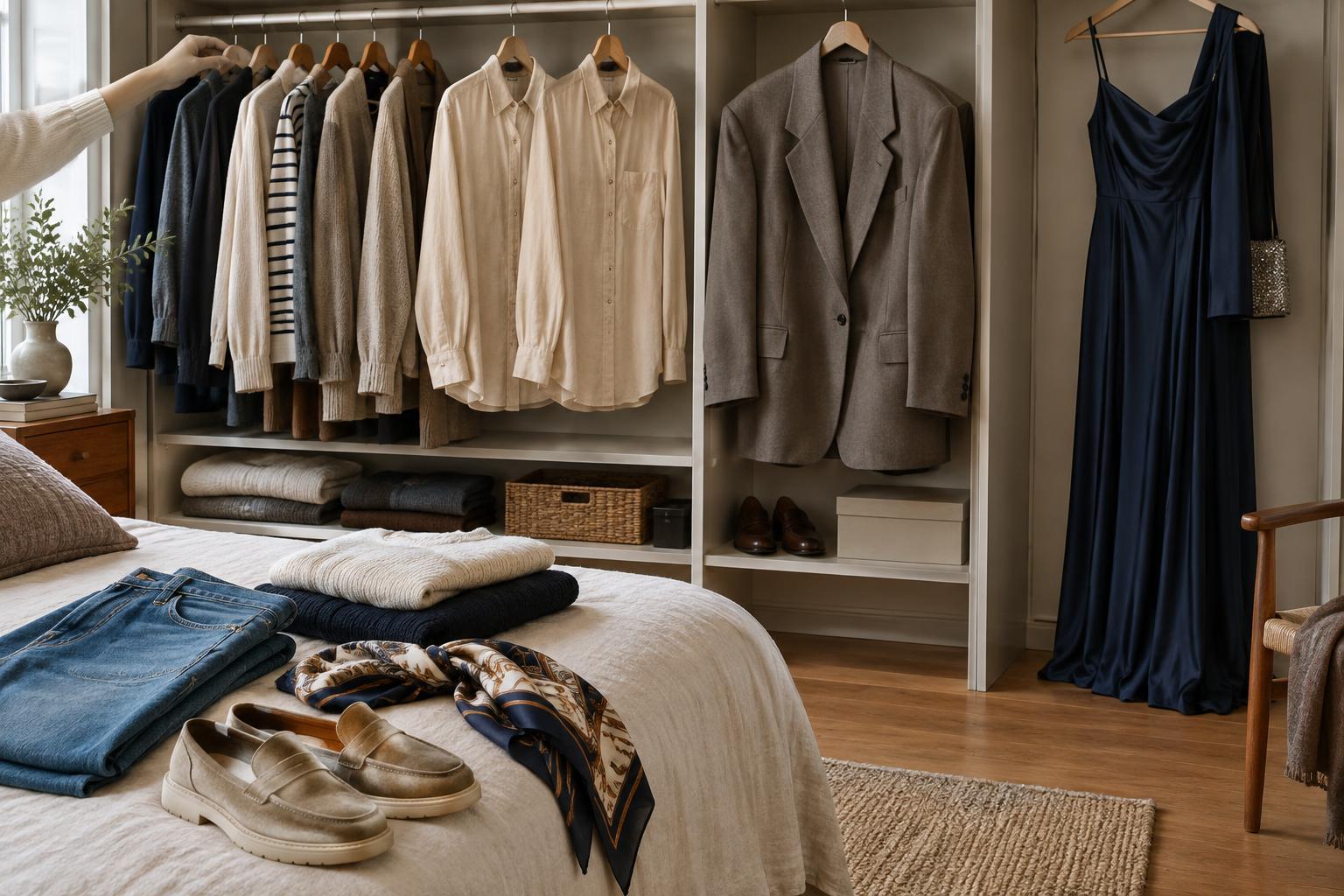
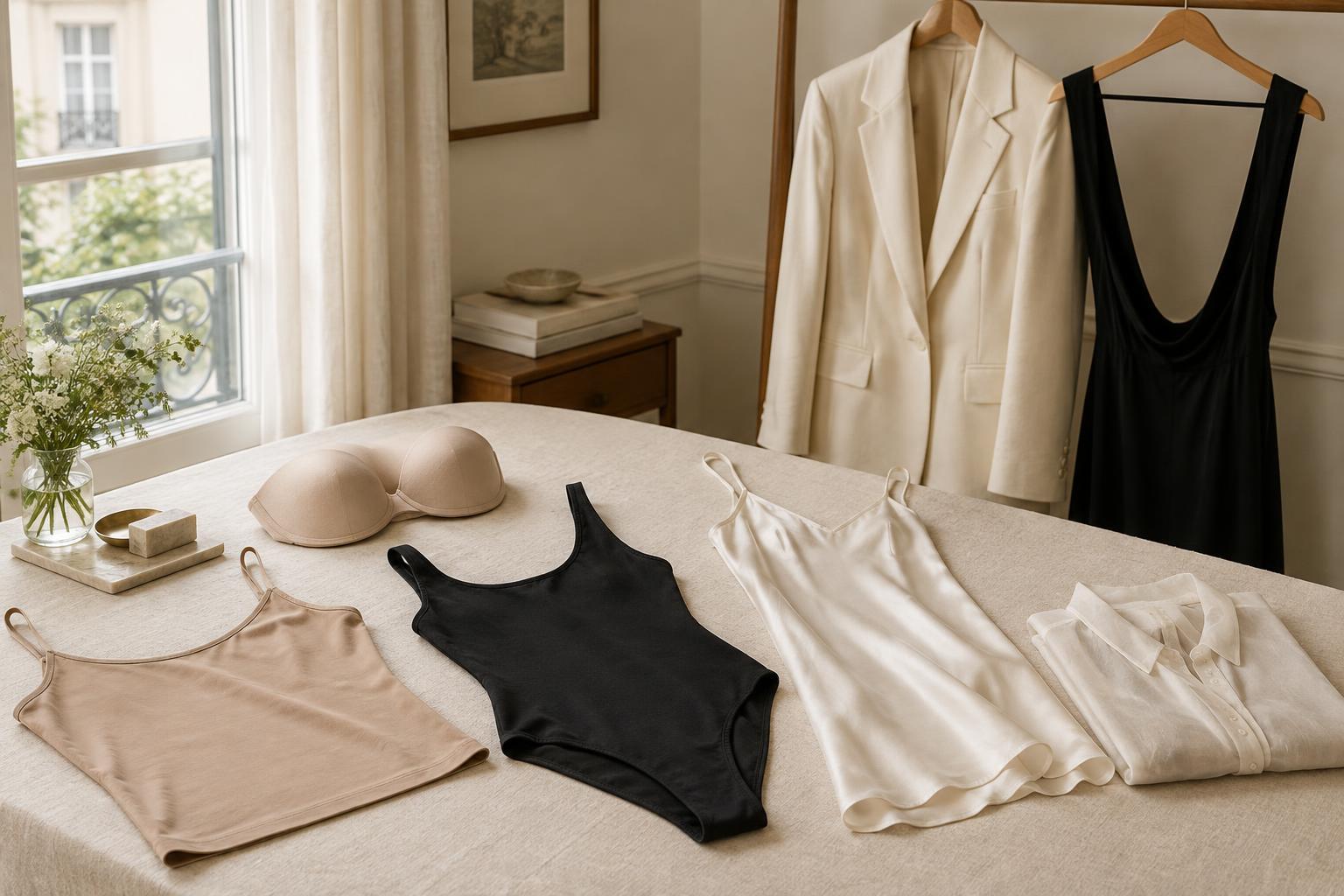
Begin with the pieces you expect to wear continuously. Well-fitting trousers, a skirt you can sit and move in, or a straightforward dress can provide a dependable base. Pair it with a top that looks complete on its own, even if you plan to wear a layer over it. That way, taking off a jacket indoors does not leave the outfit feeling unfinished.
Consider how the clothes behave, not just how they look in the mirror. Can you walk at your usual pace? Will you be comfortable sitting for a long stretch? Does the fabric crease in a way that bothers you? These questions matter more on a full day than they do for a short outing. An easy outfit is one you can largely stop thinking about once you leave home.
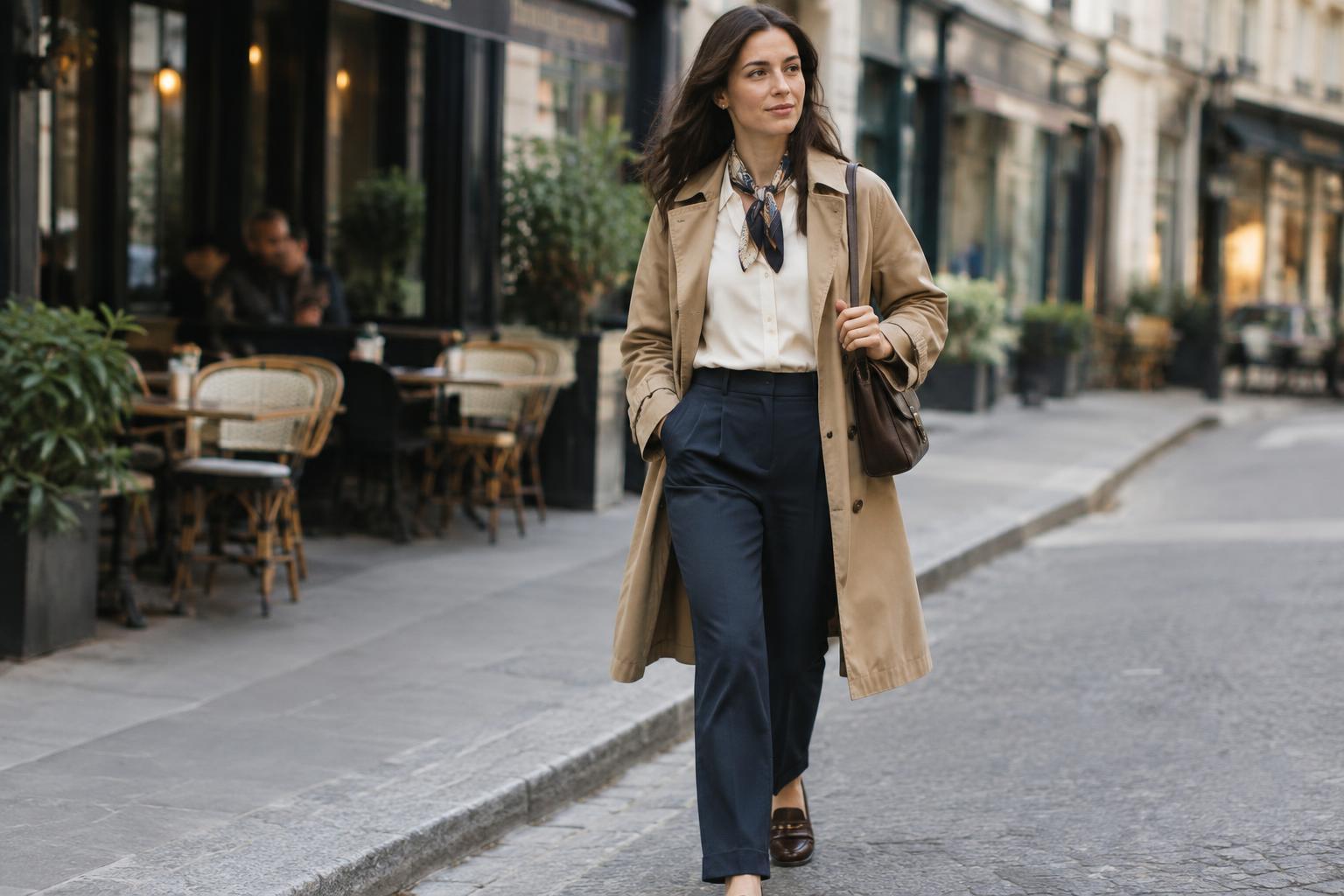
A restrained palette can make adjustments simpler, but it does not have to mean wearing only neutrals. One color you enjoy can carry through the outfit while the other pieces remain easy to combine. Alternatively, keep the clothes quiet and let a patterned scarf or distinctive bag provide the point of interest.
Give your outer layer a useful job
A removable layer is often the most effective way to adapt one outfit. A jacket can add structure for a meeting; a cardigan can make a simple base feel softer; a coat can bring the look together outdoors. Choose the layer for the temperatures and places you expect to encounter, rather than for its appearance alone. A beautiful extra piece is less helpful if you must carry it all afternoon or cannot sit comfortably in it.
Think through where the layer will go when you remove it. A jacket that can be folded over a chair is easier to manage than one that requires constant attention. If you expect to be in warm rooms and cool streets, a light layer beneath your coat may offer more flexibility than relying on one heavy garment. These small practical decisions help an outfit keep its composure through changes of setting.
Plan one small adjustment, not a full transformation
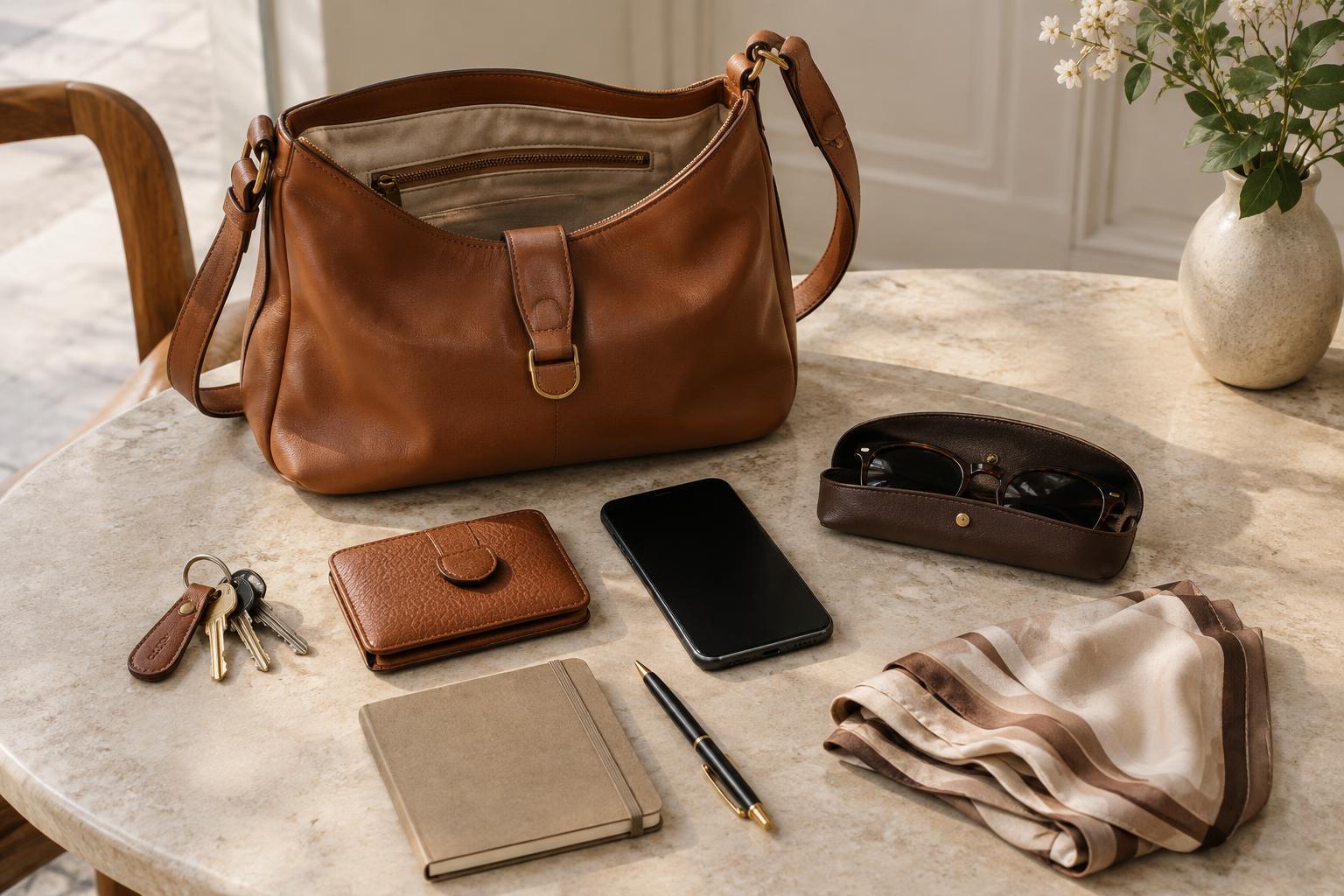
Before you leave, decide whether one change would help the outfit suit your final plan. You might loosen a scarf after work, put on earrings carried in a small case, or switch from a roomy daytime bag to a smaller one if you have somewhere to leave the first. You could also do nothing: a considered outfit does not need an evening reveal to feel appropriate.
Keep the adjustment realistic for the day ahead. Carrying spare shoes only makes sense if you can store them without inconvenience. An accessory that takes a minute to put on is more useful than a complicated change you are unlikely to make. French-inspired dressing, as a personal approach rather than a fixed set of rules, can leave space for that kind of ease.
Finally, test the whole outfit before you go: put on the outerwear, pick up the bag and walk in the shoes. If one piece demands repeated fixing, replace it if you can. The best outfit for a varied day is not necessarily the most versatile one on paper. It is the one that lets you move between plans feeling comfortable, suitably dressed and recognizably yourself.