Start with an honest bag inventory
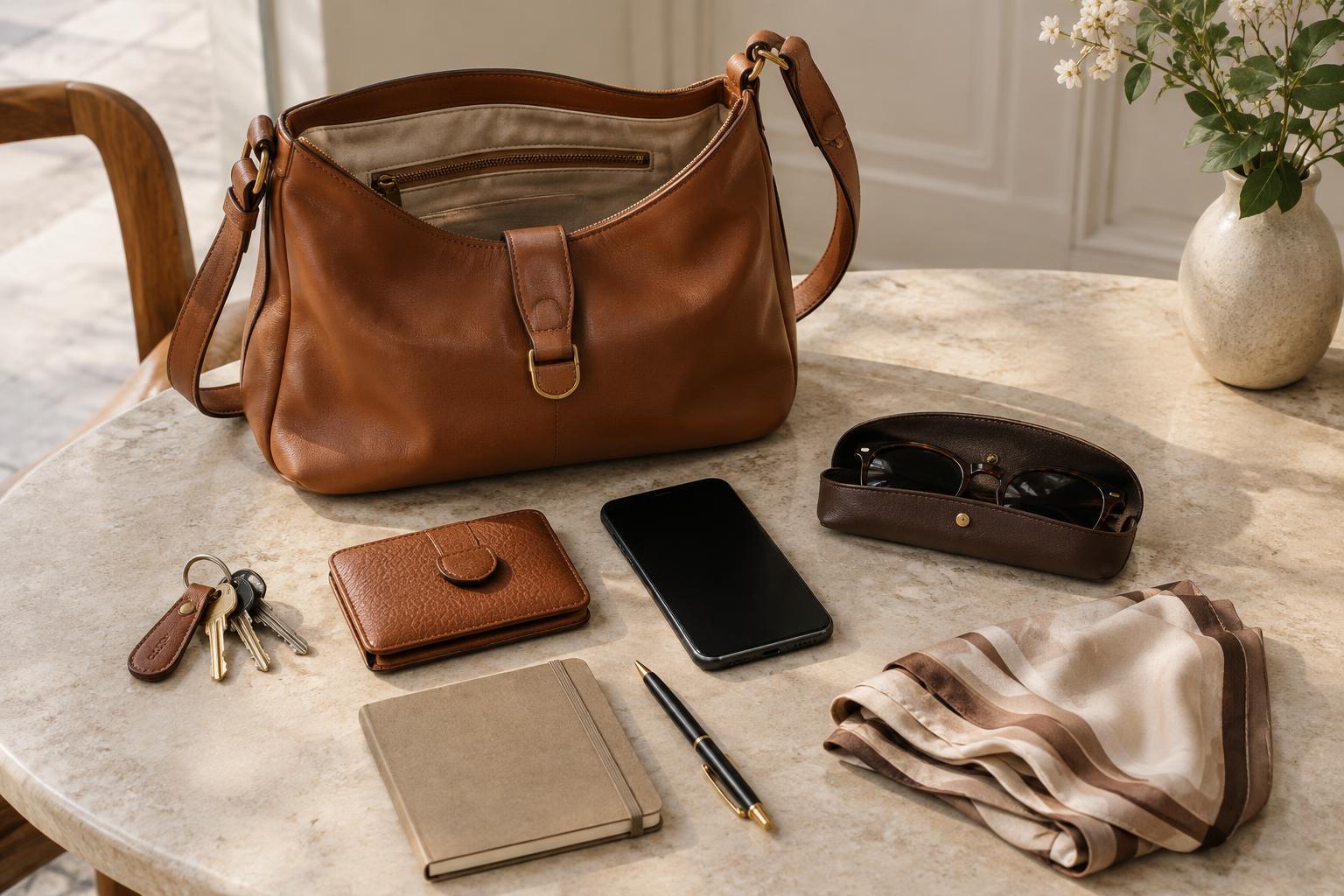
Before deciding between a tote, crossbody or shoulder bag, empty the bag you use most often. Separate its contents into three groups: things you use every day, things you need only on certain days and things that have simply stayed there. Your everyday list might include a phone, keys, wallet, glasses and a small pouch. A water bottle, book, lunch or laptop may belong on a separate workday list.
This exercise keeps you from buying a large bag for an occasional errand or a small one that cannot handle an ordinary Tuesday. Put your daily items together and note their shape as well as their number. A rigid glasses case or full-size notebook needs more usable space than several flat objects. If possible, take the items with you when trying on a bag. If you are shopping online, compare their dimensions with the bag’s listed measurements, remembering that a narrow opening can make a roomy interior difficult to use.
Choose the smallest size that works comfortably
A bag should hold your essentials without requiring careful packing every time you leave home. Allow a little spare room for something routine, such as a receipt, compact umbrella or small purchase, but do not assume more capacity is always better. Extra space can encourage you to carry extra weight. If your needs change substantially between weekdays and weekends, two differently sized bags may be more useful than one oversized compromise.
Pay attention to the base and opening, not just the bag’s height and width. A broad base helps a bottle or lunch container sit upright; a flatter shape may suit a wallet, notebook and phone. Try taking your most-used item out with one hand. If you have to remove everything else to reach it, the layout may become frustrating. An interior pocket or removable pouch can keep small objects together, while a simple open compartment may be enough if you carry very little.
Match the strap and closure to your day
Think about how you move. A crossbody can leave your hands free during a commute or while shopping, provided its strap adjusts to a comfortable length. A shoulder bag is easy to reach into, but check whether its strap stays in place over the coats and jackets you actually wear. A handheld tote may feel polished with a tailored outfit, yet it is less convenient if you regularly carry groceries or need both hands free.
Test the bag with your usual contents inside. An empty bag can feel light and balanced even when its strap digs in once it is full. Check where the bag rests against your body, whether it swings when you walk and whether you can open it without setting it down. Closures matter, too: a zip offers more containment, while a flap or magnetic fastening may be quicker to use. If you often travel in crowded places or set your bag beneath a desk, consider how securely each option keeps your belongings inside.
Consider material, care and visual balance
Choose a material for the life the bag will lead, not only for how it looks on a shelf. Smooth surfaces may wipe clean easily but can show scratches; textured finishes may disguise small marks but require attention around seams. Canvas can feel casual and light, though pale versions may show dirt. Fabric and leather both vary, so check the maker’s care guidance before treating a stain or using a cleaning product. Hardware, lining and stitching also deserve a look, especially at the strap attachments where a loaded bag is under strain.
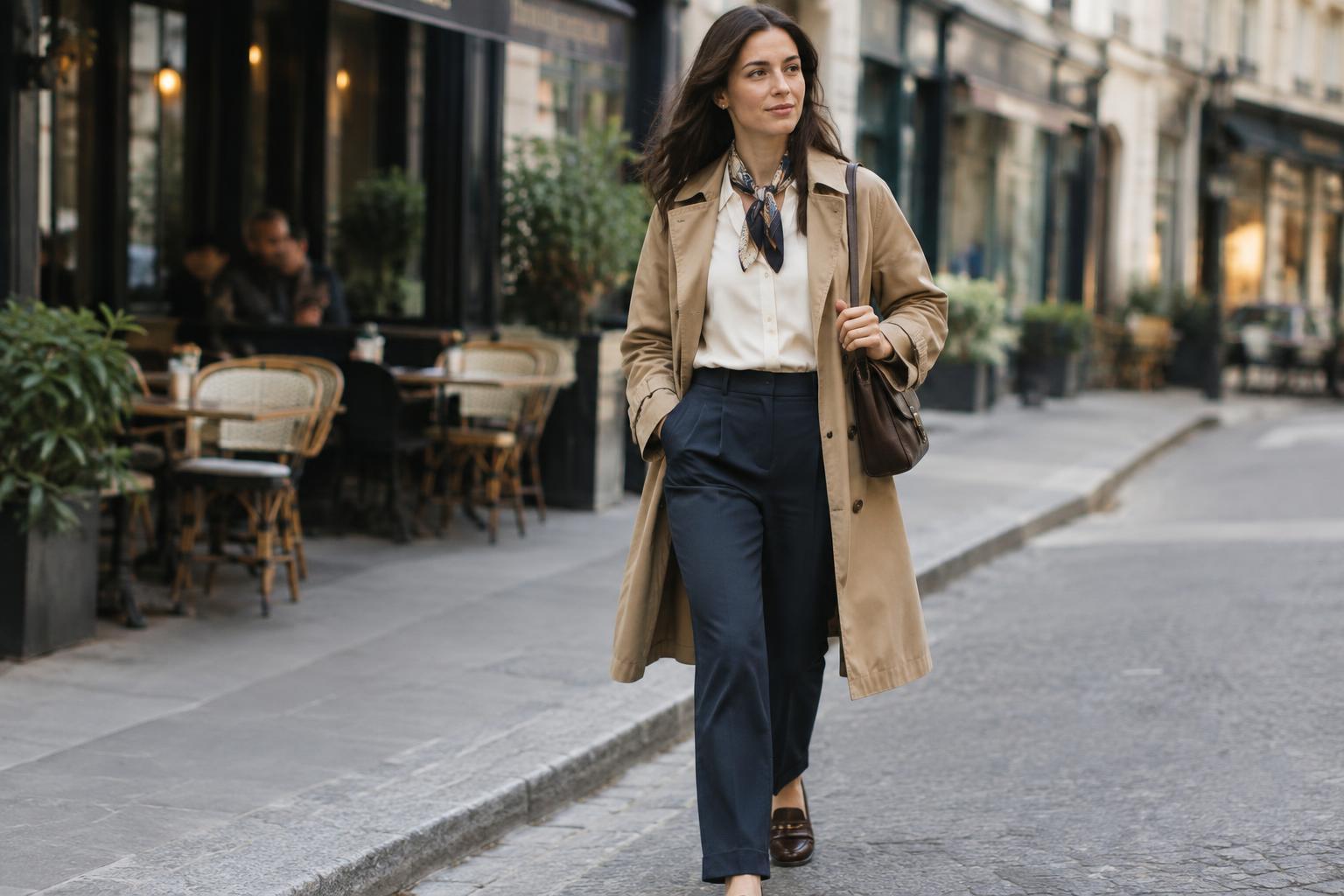
For a versatile wardrobe, consider how the bag relates to the clothes you repeat most. A softly structured shape can sit comfortably beside relaxed trousers, knitwear and a coat, while a sharper silhouette can add definition to simpler outfits. A neutral color is convenient if it works with your shoes and outerwear, but it need not match them exactly. A color you genuinely enjoy wearing may prove more useful than a supposedly universal shade you rarely reach for.
Make the final choice with a real-life test
Once you have a shortlist, pack each candidate with your daily items and imitate a few ordinary moments: walking across a room, sitting down, reaching for your keys and putting on a coat. Notice any small annoyance. A handle that is just too short or a phone pocket you cannot reach can matter more over time than an attractive detail.
The right everyday bag does not have to serve every occasion. It should make your most common days easier while looking at home with the clothes you already wear. Let your actual load and routine set the requirements; let personal style make the final choice.