What cost per wear tells you
Cost per wear is the amount you spend on an item divided by the number of times you wear it. The calculation is simple, but it changes the question you ask while shopping. Instead of looking only at the price tag, you consider how a garment might work in your everyday life. A jacket worn regularly may offer more value to you than a less expensive one that stays in the wardrobe.
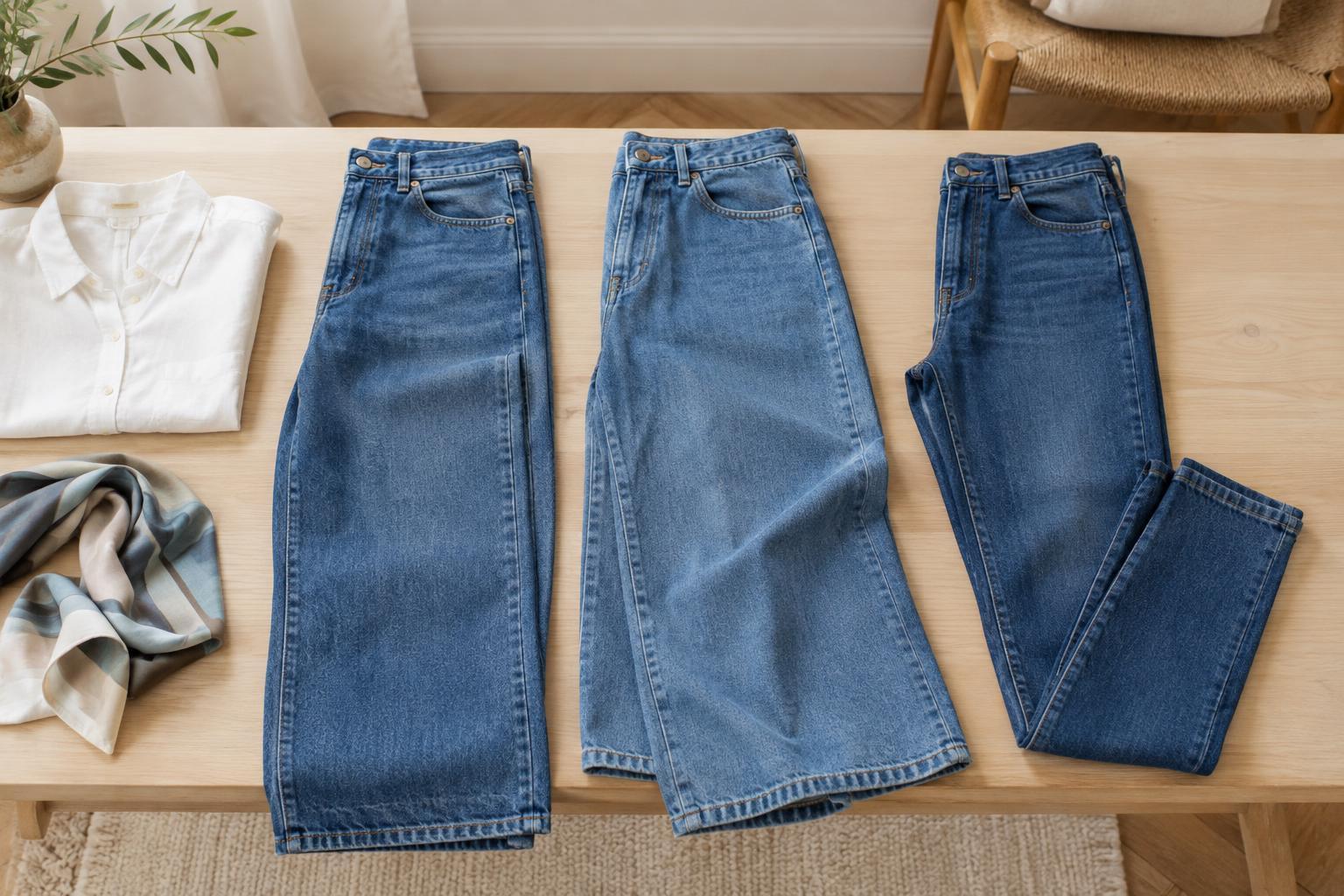
For a basic estimate, divide the purchase price by the number of wears you reasonably expect. If a hypothetical pair of trousers costs 120 and you wear it 60 times, its cost per wear is 2. If another pair costs 60 but you wear it only 10 times, its cost per wear is 6. These are examples, not predictions: your actual result depends on what you reach for over time.
Estimate wears from your real routine
The useful part of this exercise is often estimating the number of wears. Start with the occasions already in your calendar and the clothes you already choose for them. Do you need another office layer, or do your current jackets cover the week? Would a dress work for several invitations, or does its shape and fabric suit one particular event? An optimistic plan to wear something often is less helpful than a modest estimate grounded in your habits.
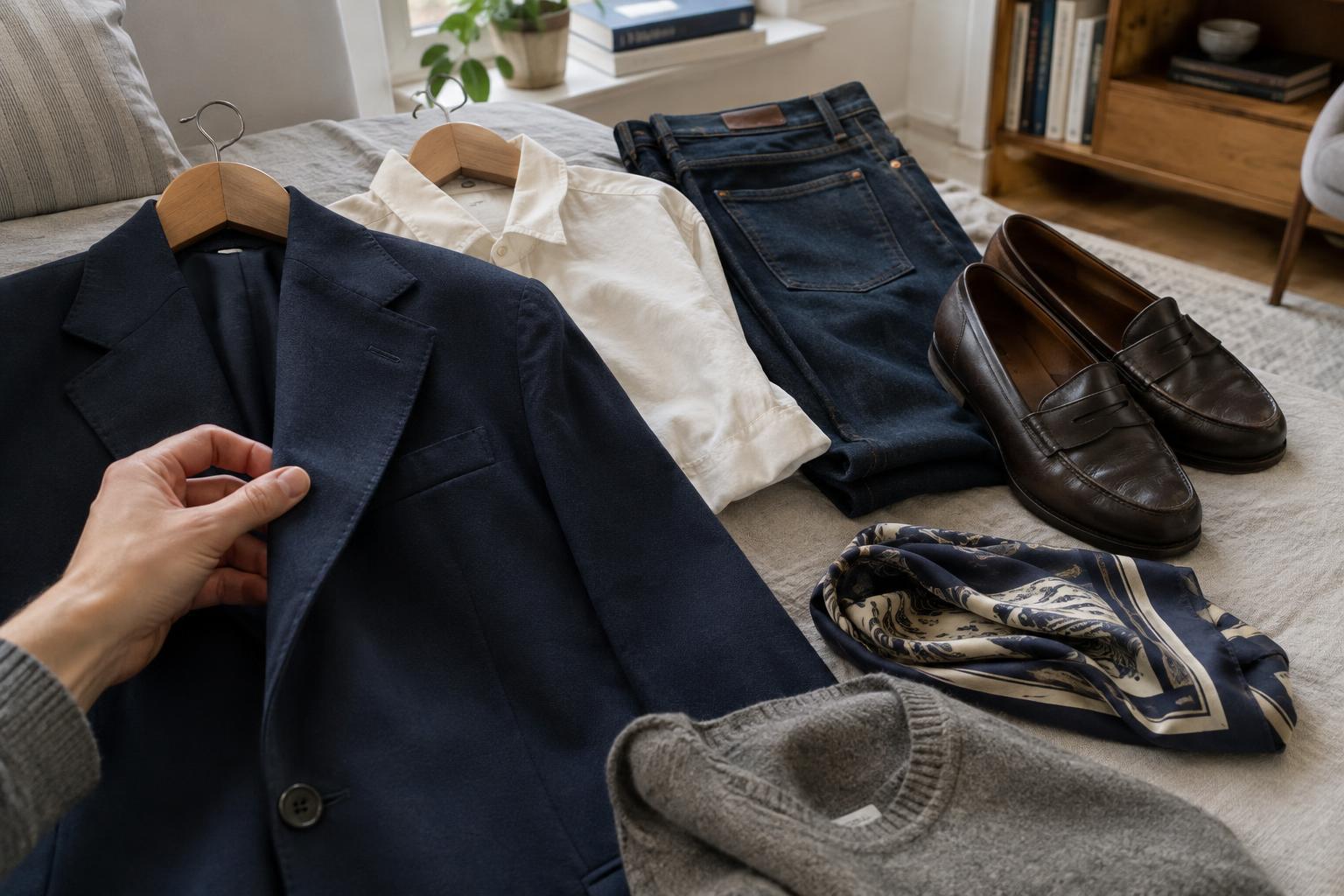
Think in outfits rather than isolated pieces. A versatile wardrobe essential should work with shoes, layers and accessories you own, in weather you regularly encounter. Try naming three outfits you would genuinely wear, not three that are only possible in theory. A scarf, for instance, might refresh several familiar combinations if its colours sit comfortably beside your coats and knitwear. If the proposed outfits require several additional purchases, include that complication in your decision.
Include the costs that follow you home
The ticket price may not be the whole cost. Alterations, specialist cleaning, repairs and storage can matter, particularly for pieces that need frequent attention. To make a fuller comparison, add likely extra costs to the purchase price before dividing by expected wears. You do not need a perfect forecast. A rough allowance for care can reveal when an apparently affordable item asks more of your budget or time than you expected.
Care requirements also affect whether a garment will be worn. A fabric you feel comfortable cleaning and pressing is easier to keep in rotation than one you hesitate to handle. Read the care label, inspect seams and fastenings, and consider whether the fabric suits the amount of use you have in mind. A well-made piece still needs to fit your routine; durability alone cannot make an inconvenient garment a practical buy.
Use the number without letting it make the decision
Cost per wear is a comparison tool, not a rule that every item must meet. Occasion clothes may be worn rarely and still fill a real need. A distinctive accessory might be valued because it makes existing outfits feel more like your own, even if you cannot predict exactly how often you will use it. Equally, a low projected cost per wear does not justify a purchase that is uncomfortable or too similar to something you already own.
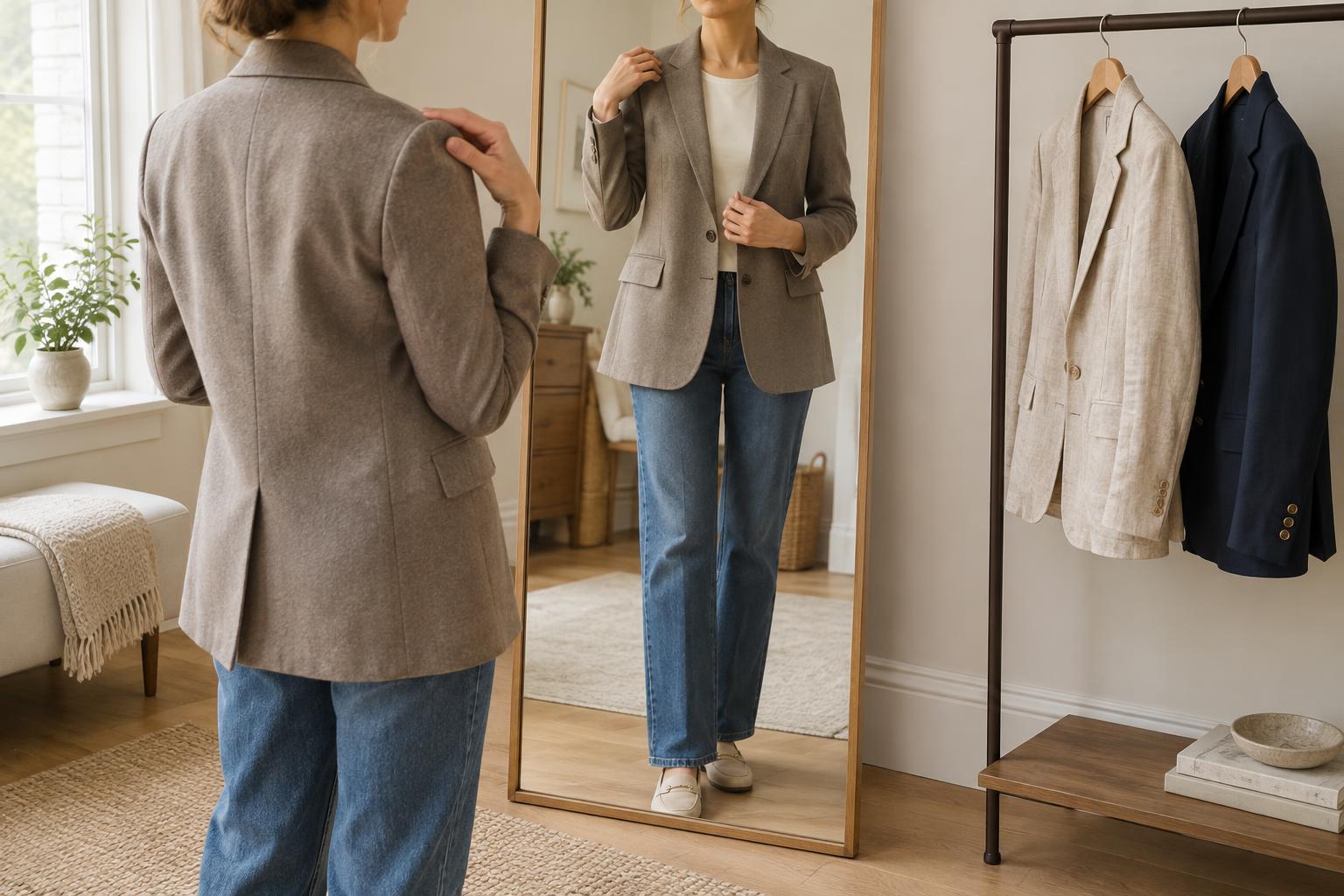
Before buying, check fit while sitting, walking and moving your arms. Notice whether you would need to adjust the piece throughout the day. Then ask what you would wear instead if you did not buy it. Sometimes tailoring an existing item, changing a layer or styling a familiar outfit with a scarf answers the same need. The most economical new purchase may be no purchase at all.
Revisit your estimate after wearing it
You can use cost per wear as a learning tool after the purchase. Once a season has passed, think about which items earned regular outings and which remained untouched. Look for reasons rather than treating a low wear count as a failure: perhaps the fit was restrictive, the colour was difficult to combine, or the care routine was more demanding than anticipated.
Those observations can improve your next estimate. If you consistently wear simple trousers, comfortable shoes and adaptable layers, give that evidence more weight than an imagined new style of life. If you love an unusual piece and wear it happily, make room for that preference too. A considered wardrobe is not built by choosing the cheapest option every time; it grows from knowing what you wear, what you can care for and what feels worth keeping.