Start with the days you actually dress for
Versatile trousers are not necessarily the most formal pair in the shop. They are the pair that works with your routine. Before looking at cuts or colours, think about where you wear trousers most often: a traditional office, a relaxed workplace, a commute on foot, or casual plans after work. A softly tailored pair may cover all those settings, while a sharp suit trouser might feel out of place on a quiet weekend.
Look at the tops and shoes you already reach for. If you regularly wear fine knits, simple shirts and low-profile trainers, choose trousers that look at ease alongside them. If structured jackets and polished shoes are part of your working wardrobe, a cleaner crease and a more defined waistband may be useful. The goal is not to make every outfit look the same; it is to find one pair that can support different combinations without requiring an entirely new wardrobe.
Choose a fit you can live in
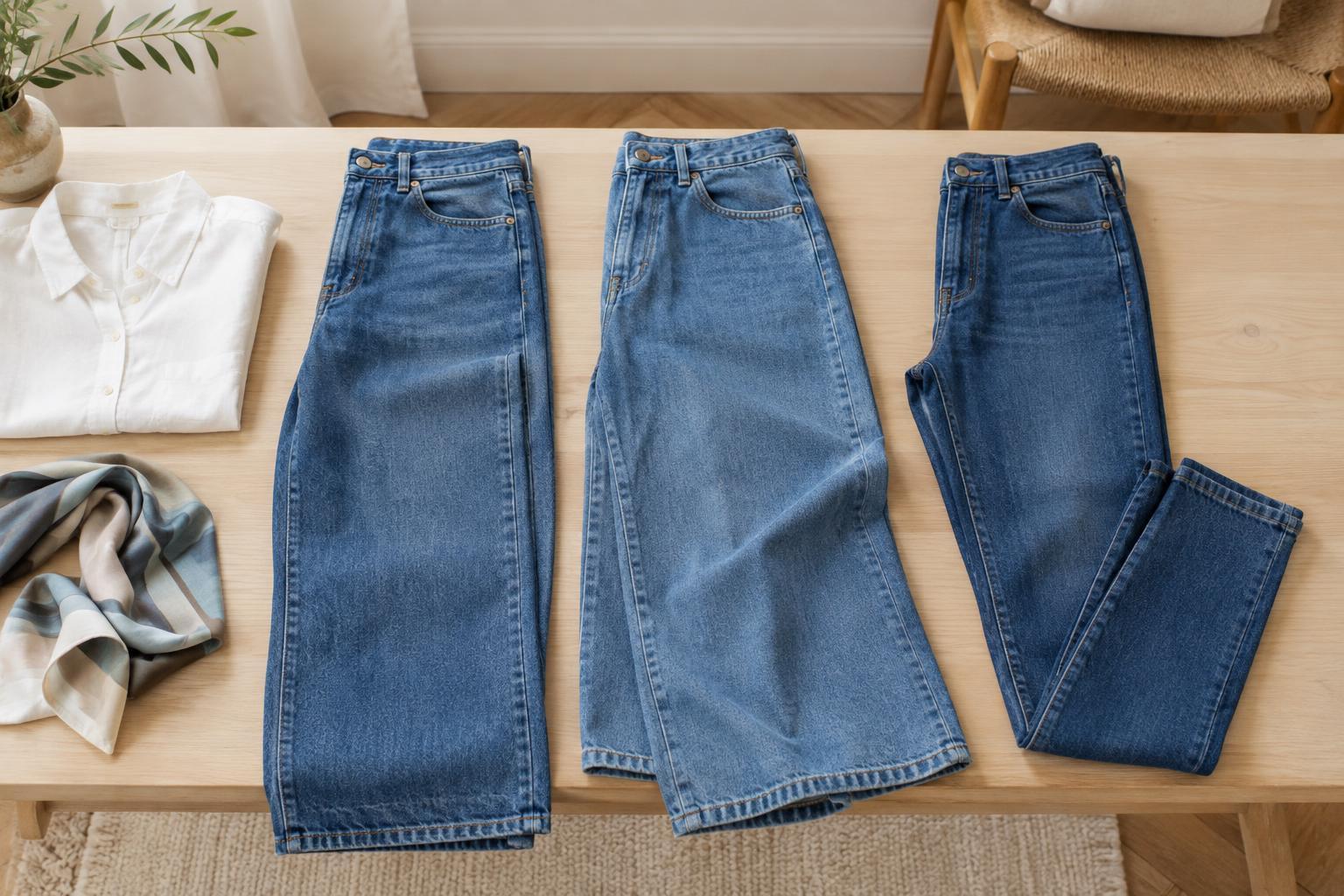
A straight or gently tapered leg is a practical starting point because it leaves room to move and works with many shoe shapes. A wide leg can be equally adaptable if its length and volume suit the shoes you own. Try several cuts rather than assuming that one silhouette is universally flattering. What matters is whether the trousers hang as intended and feel good through a normal day.
Pay particular attention to the waist, seat and thighs. The waistband should stay in place when you stand and sit without digging in. Pockets should lie reasonably flat, and the fabric should not pull sharply across the hips or upper legs. Walk, sit and bend while trying trousers on; a pair that only looks right while standing still may not earn much wear.
Length changes the character of a pair. A hem that meets the top of your most-worn shoes often feels more flexible than one tailored for a single heel height. If you plan to wear both loafers and trainers, try the trousers with each before deciding on alterations. A small adjustment at the hem may be worthwhile, but it cannot solve a waistband or rise that feels wrong.
Let the fabric do some of the work
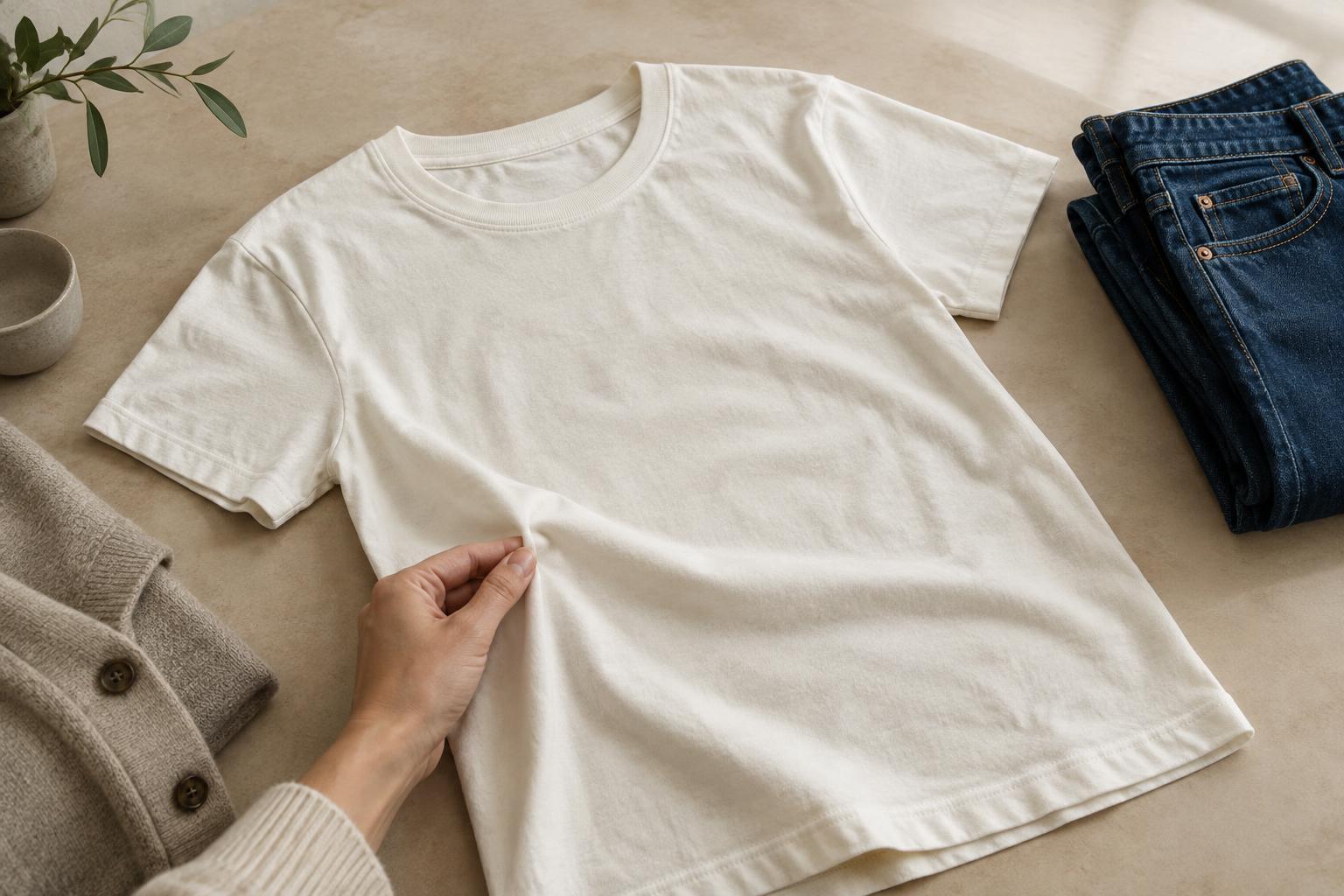
For regular wear, look for fabric that has enough body to keep its shape but is not so stiff that it feels restrictive. Wool blends, cotton twills and other woven fabrics can all work, depending on the season and the level of polish you need. A little stretch may add comfort, though a comfortable cut matters more than stretch alone. Check the fabric in daylight if possible: very thin cloth may show pocket outlines or lose the crispness you want for work.
Texture also affects how easily trousers move between settings. A smooth, refined finish tends to read dressier; a subtle weave or softer surface can look more relaxed. Neither is automatically better. If you want one pair for a variety of outfits, an understated texture is often easier to pair with both a structured blazer and a casual cotton shirt. Check the care label before buying so the upkeep matches the time you are willing to spend.
Build outfits from a restrained palette
Navy, charcoal, dark brown and other muted colours can provide a useful base, but the best choice depends on what is already in your wardrobe. Hold a prospective colour against two or three tops you wear often. If it also works with your usual coat and shoes, it has a better chance of becoming a regular choice. A lighter neutral can be just as versatile for someone whose wardrobe is built around cream, tan or pale blue.
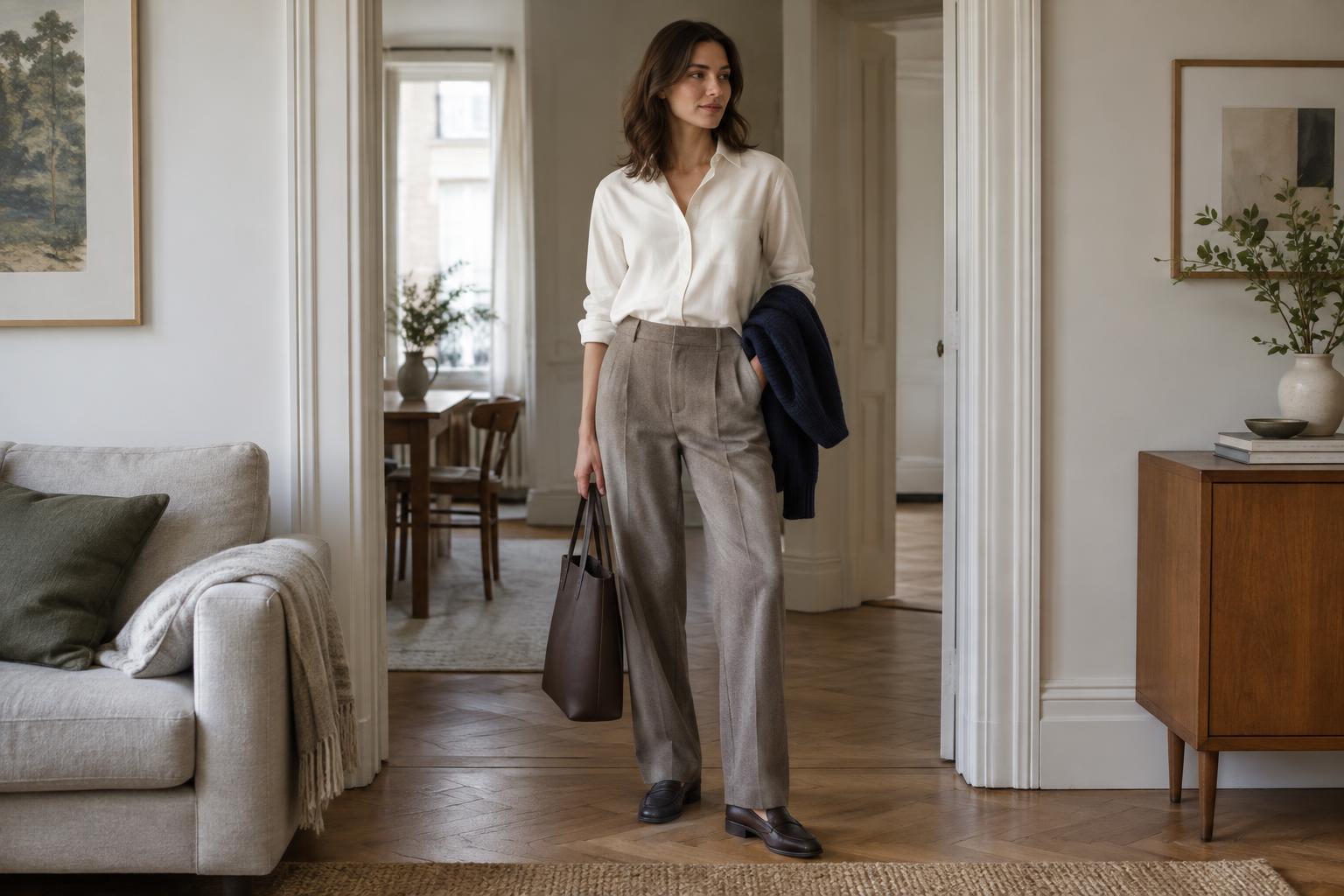
For a workday, try the trousers with a tucked-in shirt, a simple belt and loafers or another shoe appropriate to your setting. On a casual day, keep the same trousers and switch to a relaxed knit, an untucked tee or a lightweight overshirt. A scarf or silk accessory can add colour near the face without changing the foundation of the outfit. These small shifts are often more effective than trying to make one pair serve as both formalwear and sportswear.
Make the final decision with wear in mind
Before committing, inspect the details you will use every day. Are the pockets deep enough for your needs? Does the fastening feel secure? Does the fabric crease in a way you can tolerate? Consider whether the trousers will still appeal to you after several wears, not just when they are freshly pressed in a fitting room.
Once you have a pair that fits your routine, follow its care label and give it room to dry and recover between wears when practical. Spot-cleaning minor marks and storing trousers neatly may help keep them ready for the next outing. The most versatile trousers are not defined by a particular trend; they are the ones you can style comfortably and repeatedly for the different parts of your life.