Start with the agenda, not the suitcase
Before choosing clothes, look at what each day involves. A day of presentations may call for a different outfit from one spent moving between workshops and an evening reception. Note any stated dress code, then identify the busiest days, the longest stretches on your feet and the occasions when you may want a slightly more formal look. This gives each outfit a purpose without requiring a completely separate wardrobe for every event.
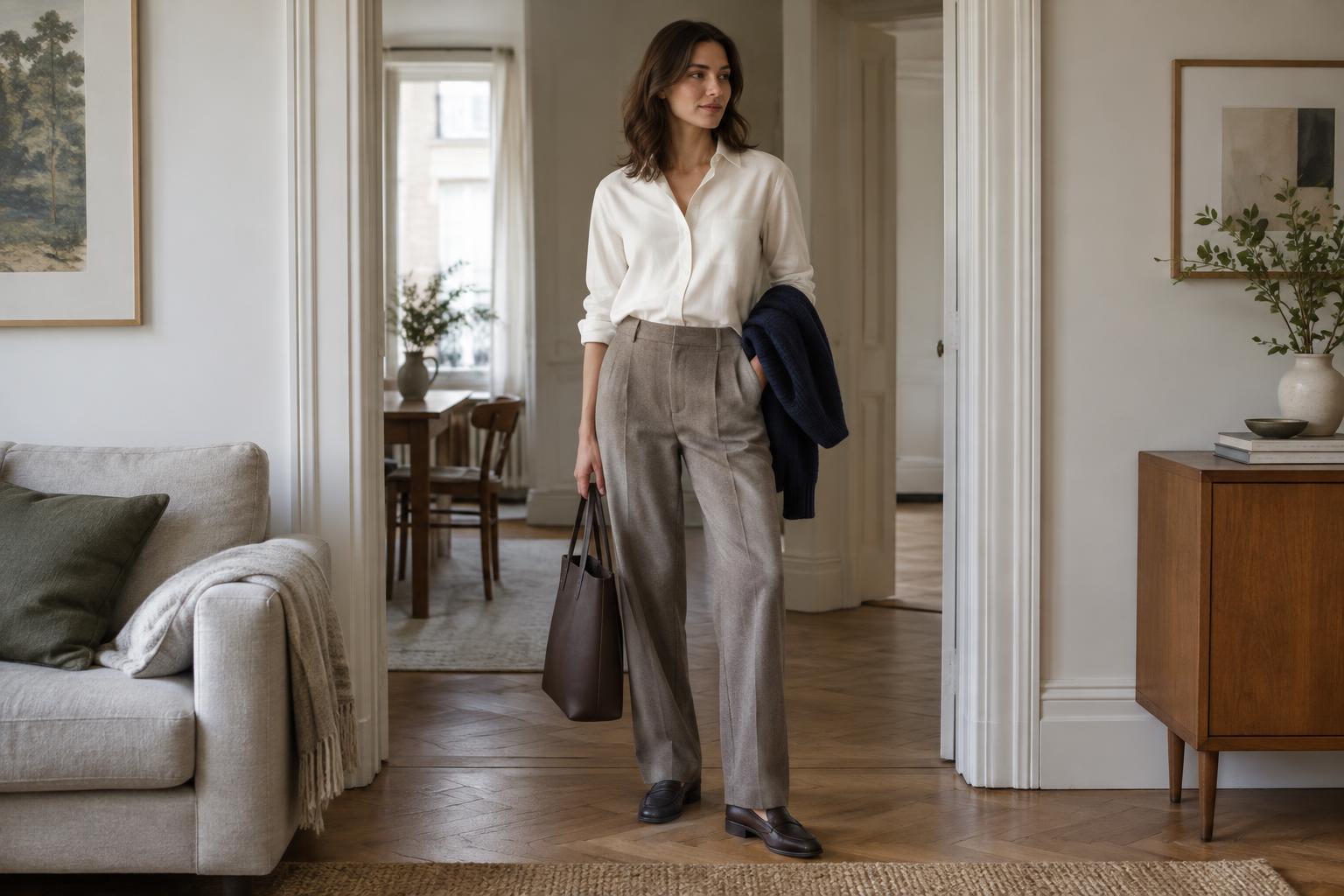
Aim for a level of polish that feels appropriate to your field and comfortable to you. A tailored jacket can lend structure to simple trousers and a knit top; a crisp shirt can do the same work without a jacket. If you are unsure about the setting, versatile pieces are easier to adjust than a single highly formal outfit. You can remove a layer for a relaxed session or add it before a meeting.
Build a small outfit rotation
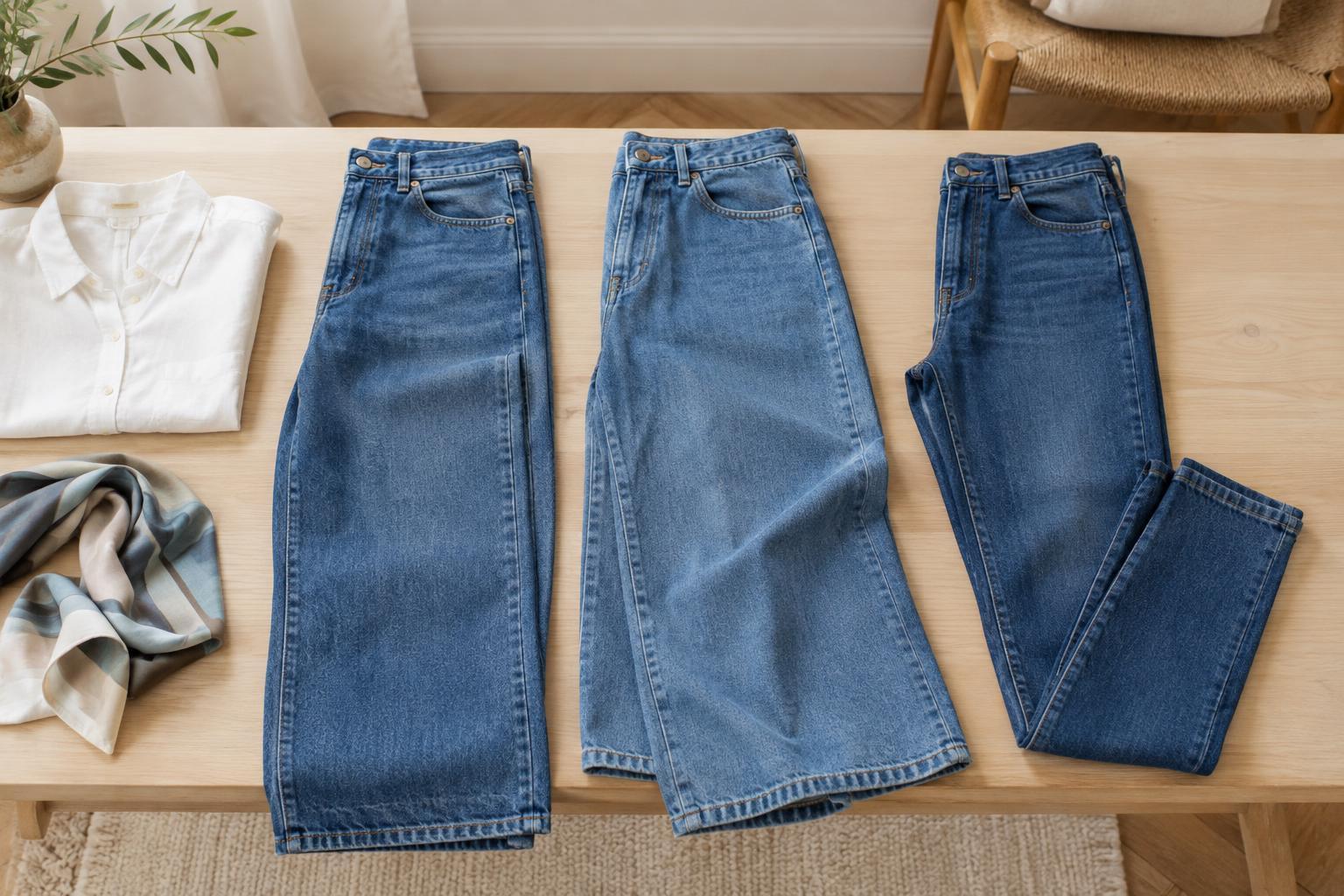
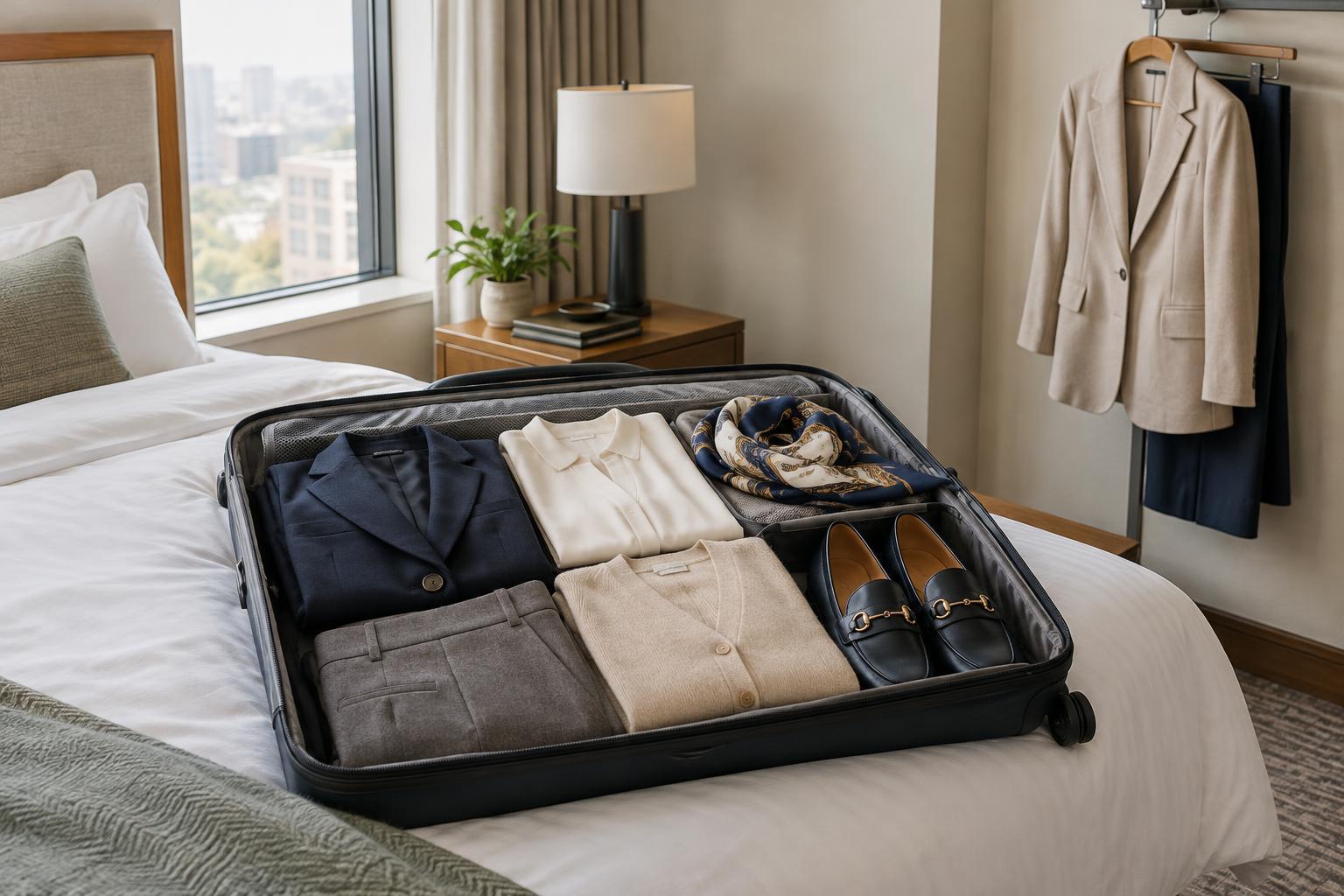
Choose a limited palette so that your layers, tops and bottoms can change partners. For a three-day conference, you might start with two pairs of trousers or a pair of trousers and a skirt, three tops, and one jacket or cardigan. A dress that works alone or under the jacket can add another option. These are planning examples, not a packing rule: adjust them to the length of the trip and whether you can refresh clothes along the way.
Give the pieces different jobs. One top can be understated for a full day of sessions, while another adds color or texture for a dinner. A silk scarf or other small accessory can change the mood of a familiar combination without taking much room in a bag. Rather than repeating an entire outfit, try repeating a reliable base with a different top, layer or accessory.
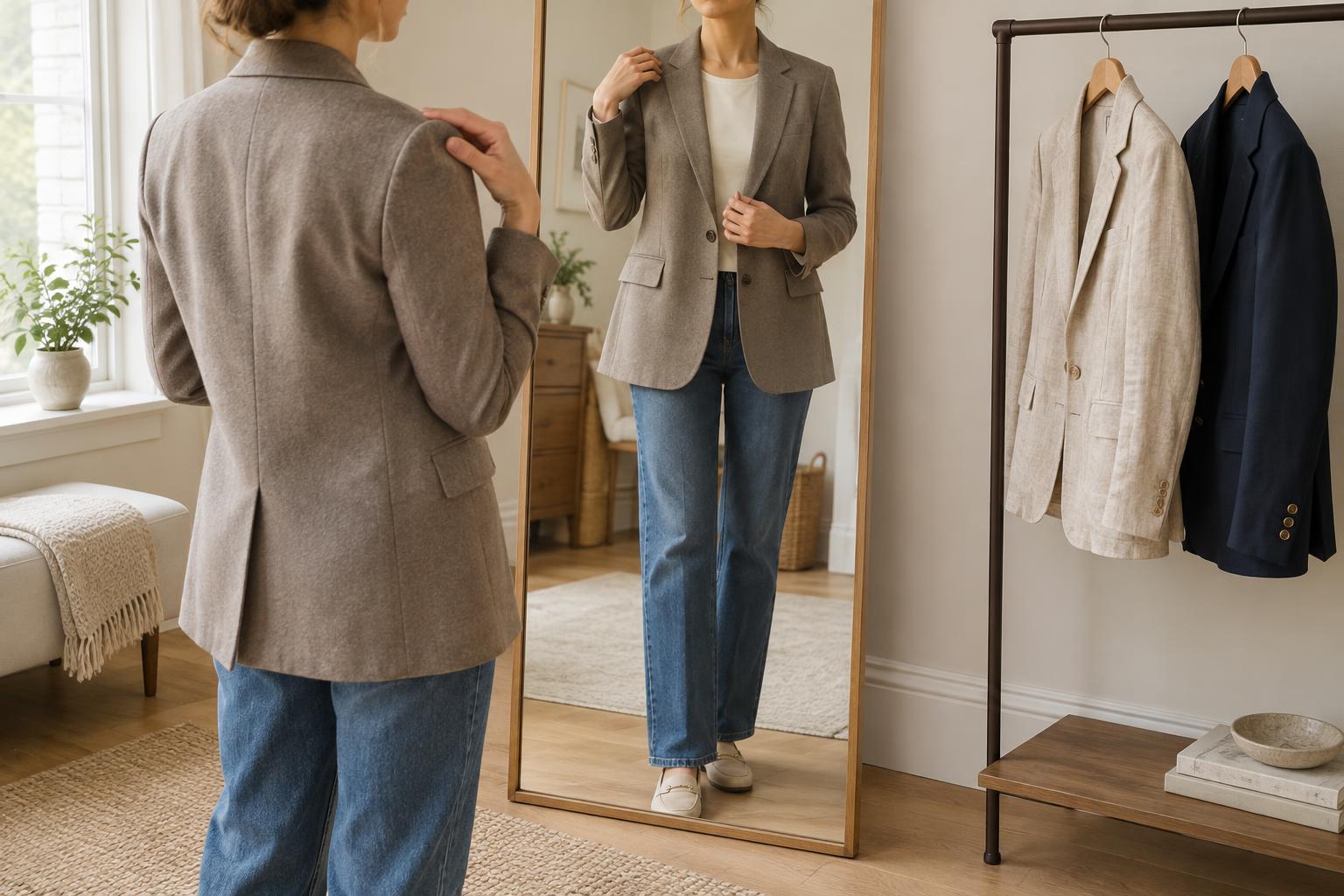
Try on your proposed combinations before packing. Sit down, reach for a bag, and walk around in each one. Check whether a waistband stays comfortable after several hours and whether a jacket moves easily over the tops you plan to wear. Taking a quick photo of each combination can make early conference mornings simpler.
Plan for the building and the journey
Conference days often involve competing temperatures: travel outdoors, a warm queue, then a cool meeting room. Light layers help you respond without changing outfits. A fine knit, unlined jacket or easy-to-carry wrap can provide warmth without making your bag difficult to manage. If rain is possible, consider how your outerwear and shoes will work with every planned look, not just the first day’s.
Shoes deserve their own plan. Choose pairs you have already worn comfortably for substantial walking, and consider alternating between two pairs if space allows. A polished flat, loafer or stable low heel can work across many professional settings; the best option is one you can stand and move in confidently. Test shoes with the socks or hosiery you will actually wear, and leave enough bag space for small essentials rather than relying on pockets.
Make room for a change of plans
An extra invitation does not necessarily require an extra outfit. Identify one daytime look that can move into an evening setting with a small change, such as switching a knit for a dressier top or adding a scarf and removing a work bag from the picture. If the agenda includes a specifically formal event, plan for it directly rather than expecting accessories to transform a casual outfit.
Keep one practical backup in mind, too. A spare top can help if you spill coffee or discover that a room is warmer than expected. If luggage space is tight, choose a backup that works with both bottoms. This is more useful than packing a complete emergency outfit whose pieces do not fit the rest of your wardrobe.
Keep clothes ready from day to day
Several days of wear put more pressure on garments than a single occasion. Check care labels before choosing pieces, especially if you will not have access to laundry facilities. Fabrics that release light creases after hanging may be convenient for travel, but test them at home rather than assuming they will arrive wrinkle-free. Pack delicate items where they are less likely to be crushed, and protect shoes from brushing against clothing.
At the end of each day, hang up worn pieces and let them air before deciding whether to wear them again. Spot-clean only when the fabric’s care instructions permit it. Set out the next outfit, including shoes and any accessories, while you can still check the following day’s agenda. A few minutes of preparation helps the clothes you brought serve the whole conference, not just its opening morning.