What makes a high-low outfit work
High-low dressing brings pieces with different levels of formality into one outfit. Think worn-in jeans with a crisp shirt, or a tailored jacket over a soft T-shirt. The aim is not to make every item look equally polished. It is to let the contrast feel intentional, so the outfit is comfortable without looking unfinished.
An easy starting point is to give each piece a role. Choose one relaxed anchor, such as denim, a roomy knit or flat shoes, then add one refined element with a clearer shape or smoother finish. If you enjoy French-inspired style, this balance offers a useful approach: build from practical clothes and pay attention to proportion, texture and how you wear them.
Start with a relaxed anchor
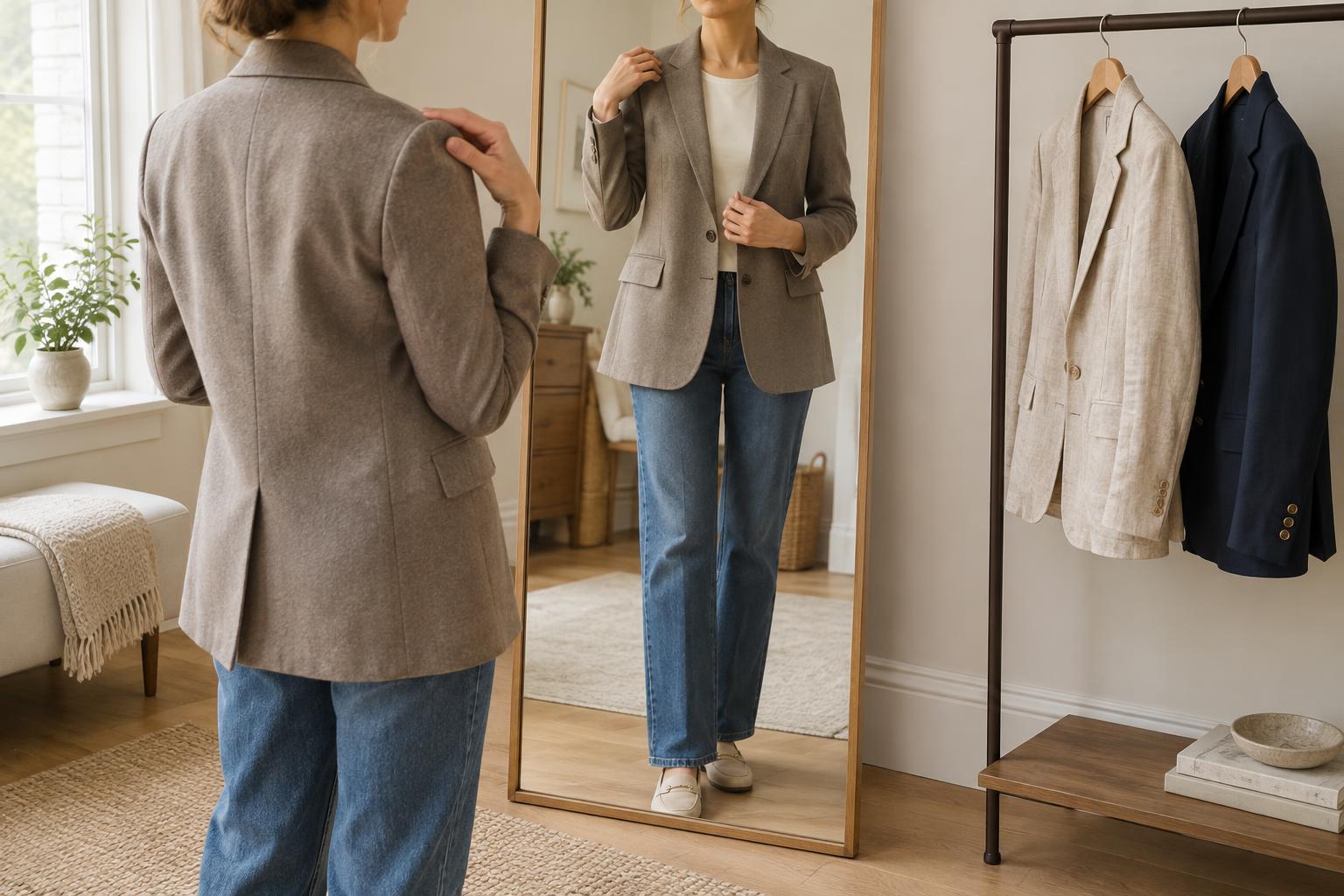
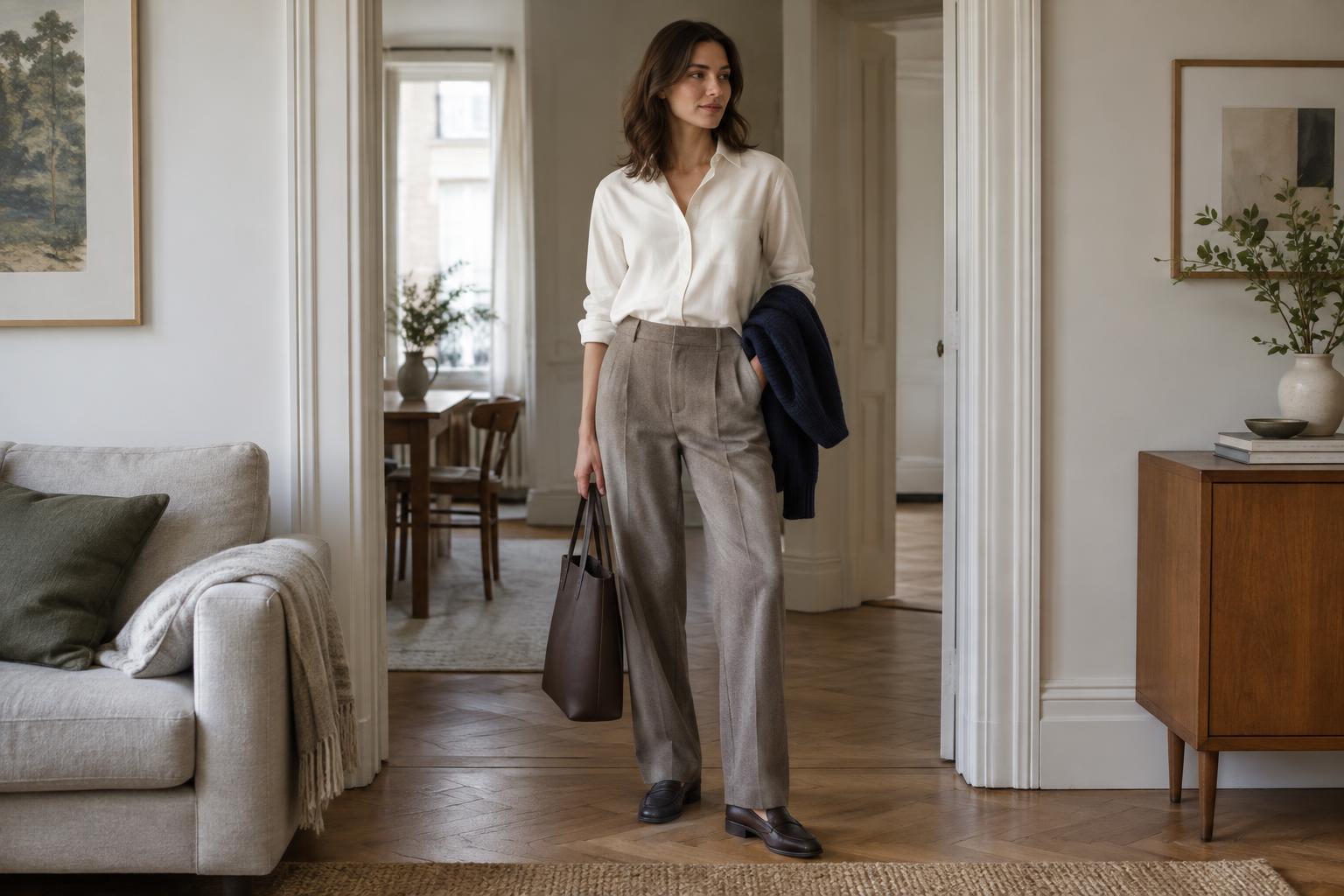
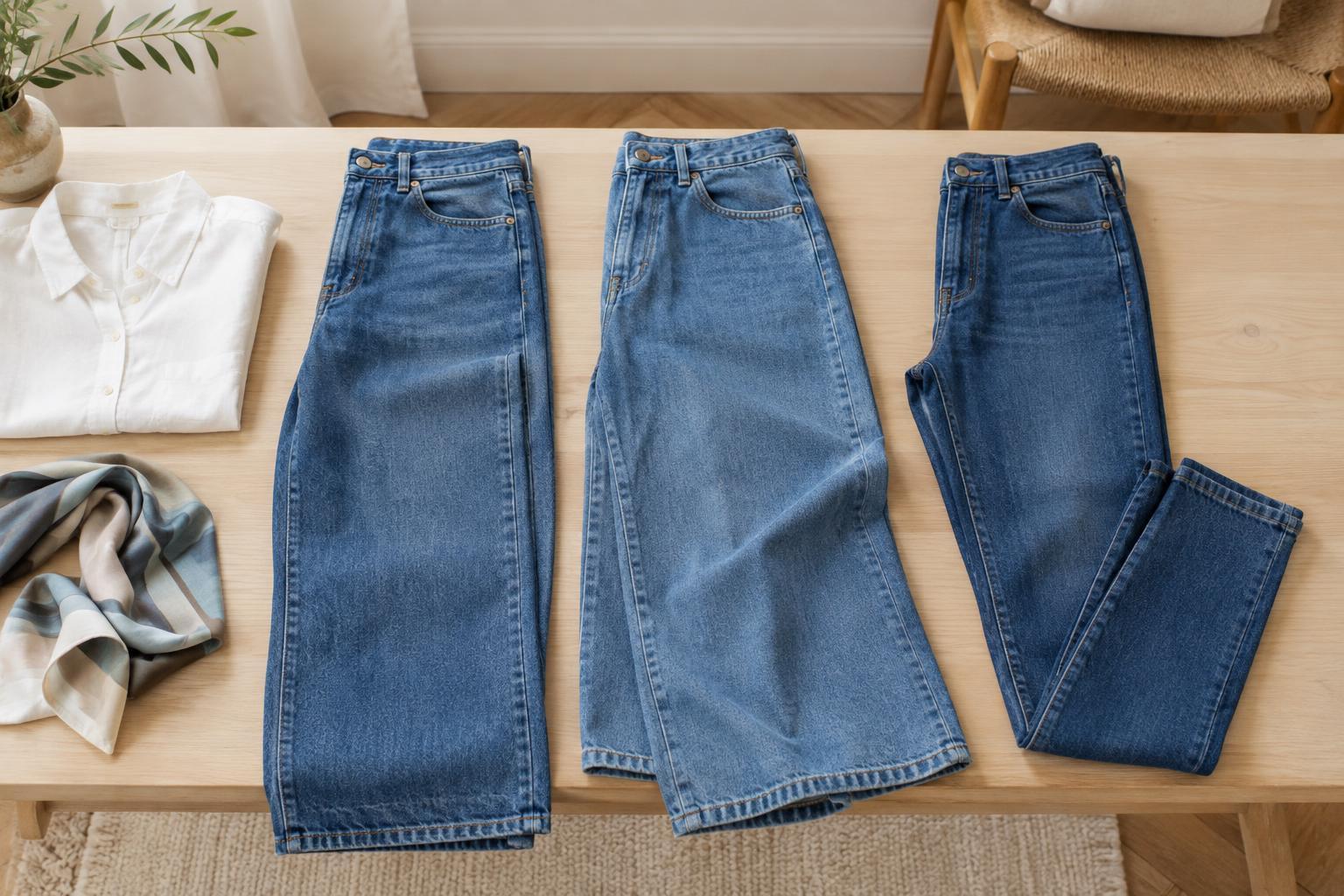
Pick the piece you most want to wear, then dress around it. Straight-leg jeans can sit beside a tucked-in shirt and a structured blazer. A loose cotton tee can work with tailored trousers and a belt. Even a sweatshirt can feel considered under a coat with a defined shoulder, provided the layers fit comfortably rather than bunching at the sleeves or neckline.
Keep the casual element recognizably casual. There is no need to disguise denim with several formal accessories or force sneakers into an outfit that would feel better with loafers. Instead, check the overall silhouette. If the top is generous, a neater lower half can provide balance; if the trousers are wide, a shorter jacket or partial tuck can help show the waistline.
Add refinement through shape and texture
Refinement does not depend on expensive labels. A jacket that sits well at the shoulders, trousers that skim rather than pull, or a shirt with a tidy collar can change how an outfit reads. These pieces create clean lines around softer clothes. If tailoring feels too formal for your day, try just one structured item: a neat cardigan, a compact bag or a pair of simple leather shoes.
Texture can do similar work. Smooth silk beside a chunky knit, a crisp poplin shirt with faded denim, or a fine-gauge sweater beneath a relaxed coat gives the eye something to notice. Let one contrast lead. When every piece competes for attention through shine, pattern or volume, the outfit may lose the ease that made the combination appealing.
Use accessories to connect the two sides
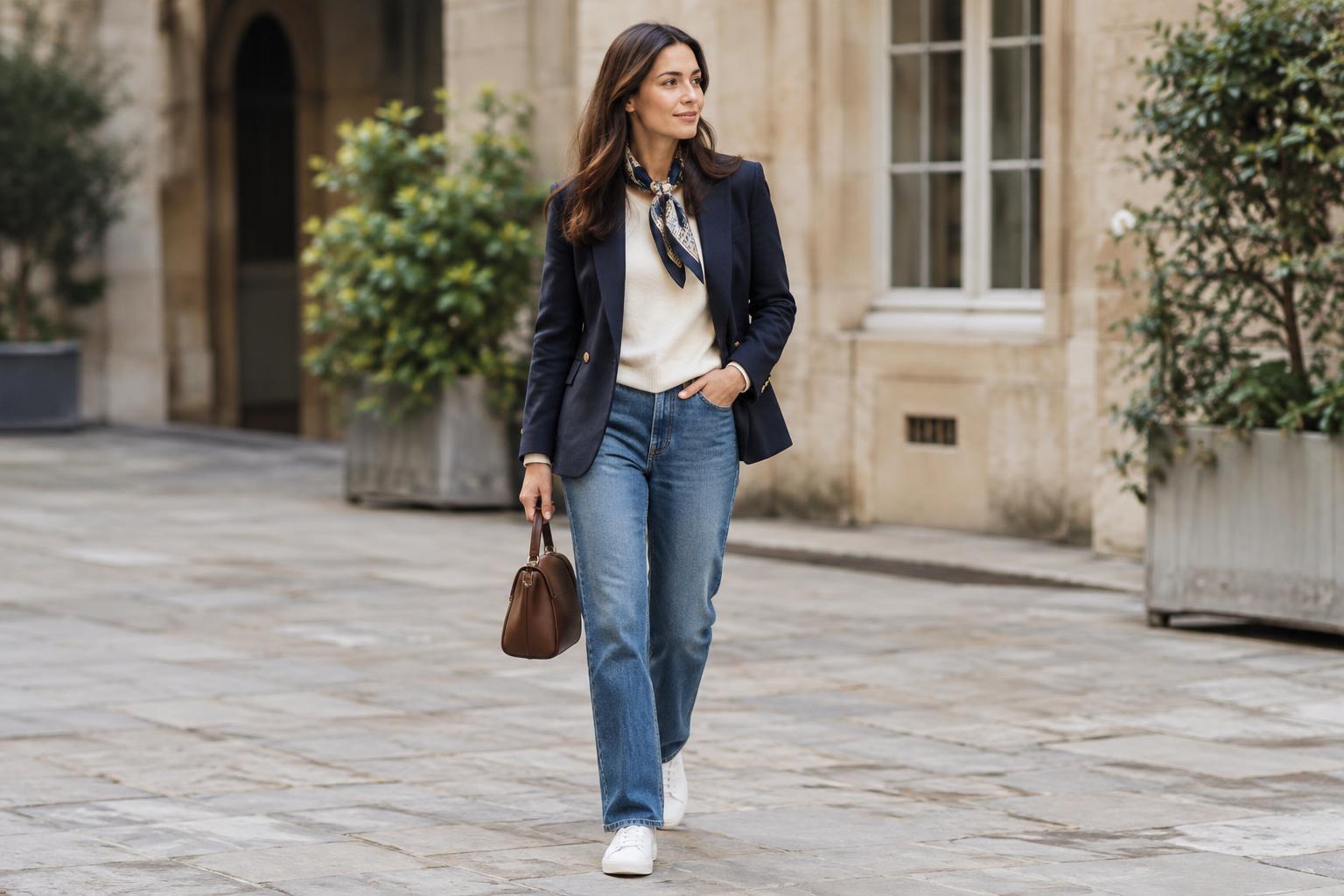
A scarf is a practical bridge between relaxed and refined pieces. Tie a small silk scarf loosely at the neck above a plain tee, or thread it through a bag handle when you want color away from the face. A larger scarf can soften a tailored coat. Keep the knot simple enough to suit the rest of the outfit; a carefully tied bow can feel out of place with clothes you otherwise want to wear casually.
Shoes and bags set the tone, too. Clean sneakers can make a jacket and trousers easier for daytime, while loafers can sharpen jeans and a knit. Before adding jewelry or another accessory, look at what is already doing the work. Often one scarf, one belt or one pair of earrings is enough to make the mix feel deliberate.
Adjust the balance for your day
For an ordinary errand or lunch, try jeans, a fine knit, a blazer and flat shoes. For a more dressed-up invitation, swap the jeans for tailored trousers but keep the knit or flats. If you will be walking or sitting for long stretches, make comfort part of the plan from the start. A refined outfit still needs shoes you can wear and layers you can move in.
Finally, check the condition of the pieces you have chosen. Brushing lint from a coat, smoothing a collar or cleaning shoes can make a greater difference than adding another formal item. Follow each garment’s care label, especially when silk or delicate knitwear is involved. The most useful high-low combinations are ones you can repeat, adjust and care for within your everyday routine.