1. Giving every piece the same amount of volume
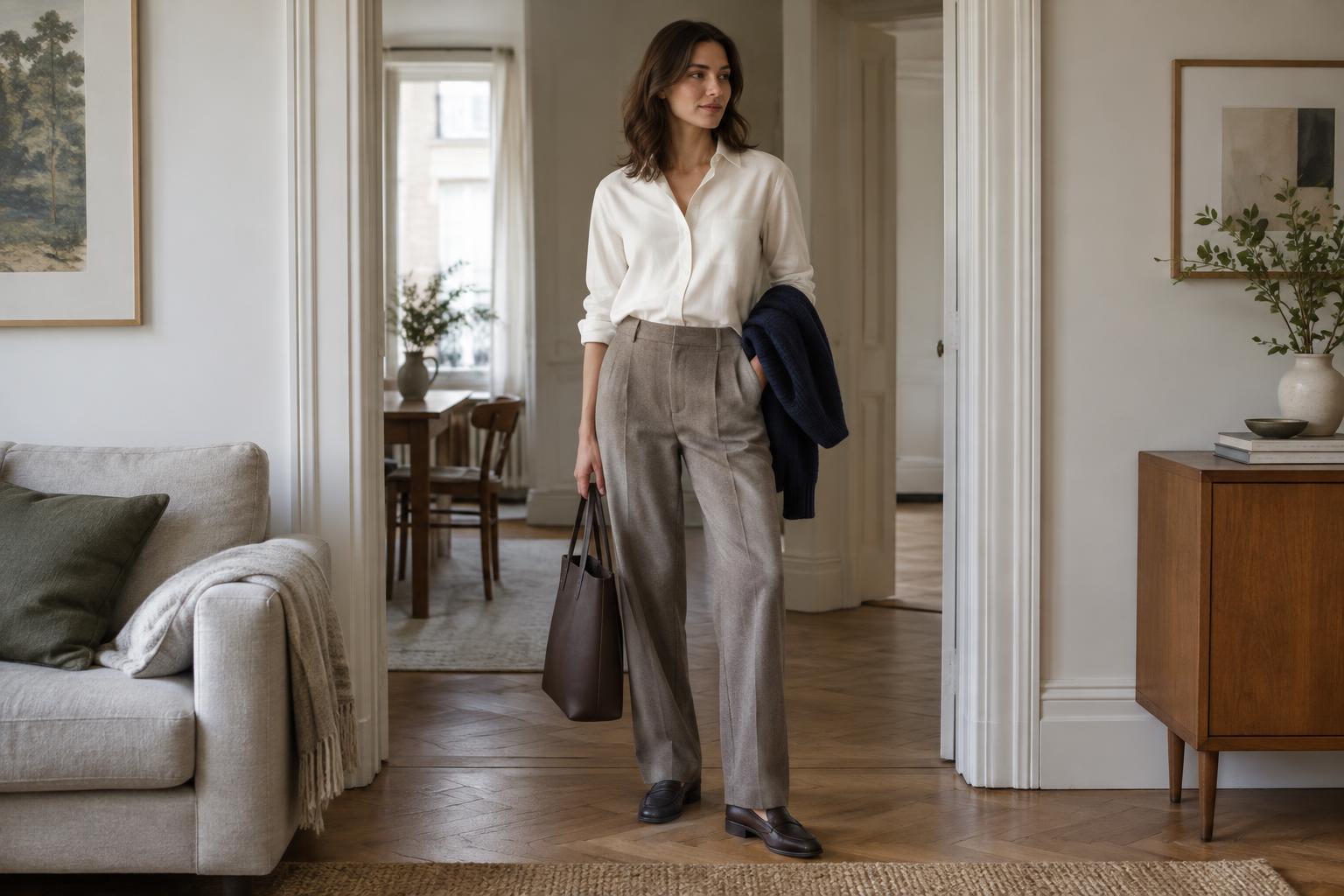
A roomy shirt, wide trousers and an oversized coat can each look appealing on their own. Worn together, they may hide the shape of the outfit and make it difficult to see where one piece ends and another begins. The mistake is not choosing loose clothes; it is leaving all that volume without a point of definition.
Try changing just one element before replacing the outfit. Half-tuck the shirt, roll the sleeves to show the wrists, or wear the coat open so the layers beneath remain visible. If you prefer an untucked top, a straighter trouser may give it more contrast. The reverse works too: wide trousers can sit beautifully under a closer-fitting knit. Aim for an intentional relationship between shapes, not a rule that every outfit needs a defined waist.
2. Asking too many details to be the focal point
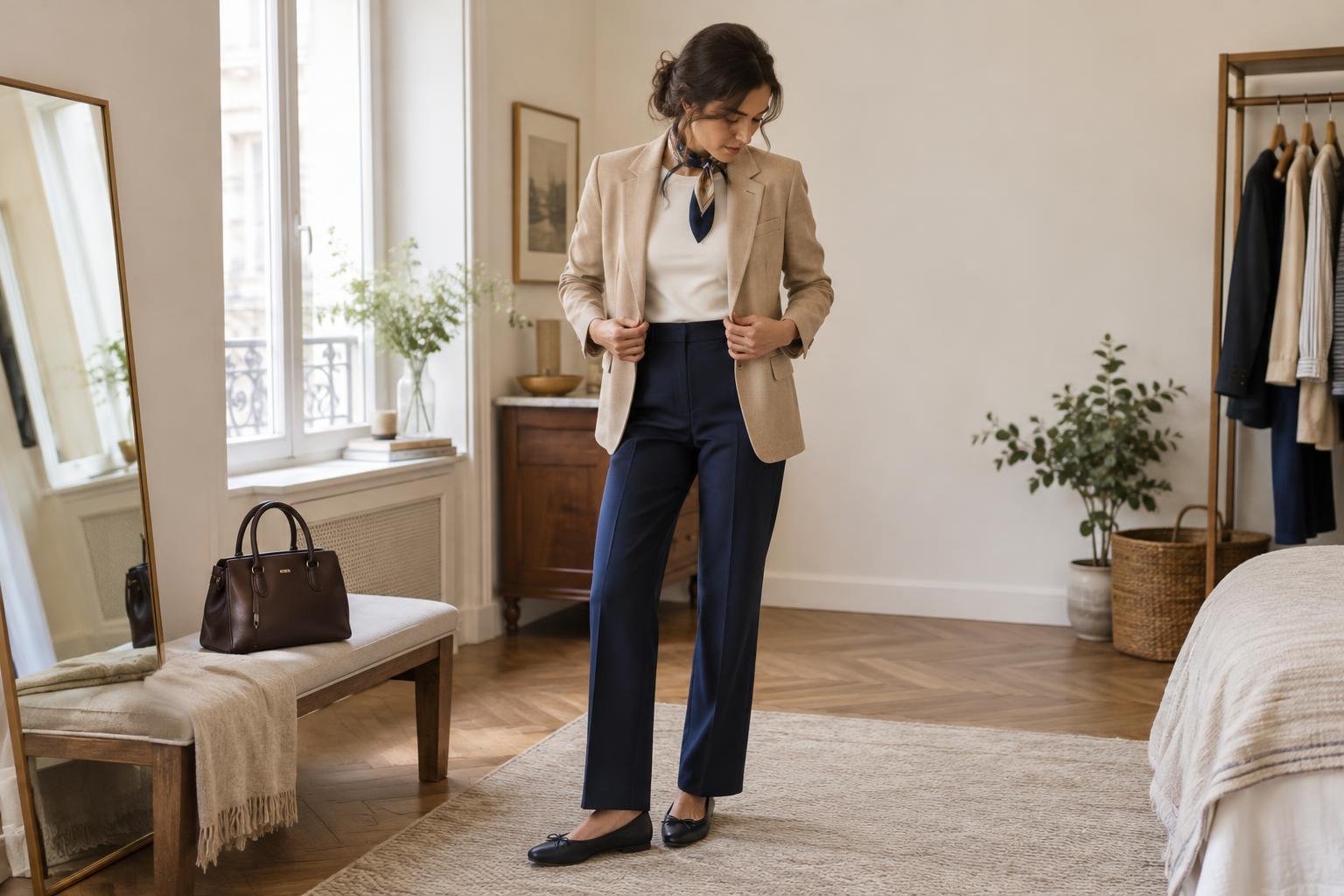
A printed scarf, striking earrings, patterned shoes and a brightly colored bag can all add interest. When they compete, however, the eye has nowhere to settle. This is especially noticeable in an otherwise simple outfit, where each accent seems to ask for equal attention.
Choose the detail you most want to wear and let the others play a quieter role. A silk scarf tied at the neck might stand out against a plain shirt and understated earrings. If the shoes are the feature, move the scarf to a bag handle or leave it at home. You do not have to match every accessory: repeating one color in a smaller detail can be enough to make the combination feel connected. When deciding what to remove, check the full outfit rather than judging each accessory separately.
3. Overlooking visual weight
Visual weight is the impression a piece makes through its fabric, color and shape. A heavy-looking boot has more presence than a fine flat; a thick wool coat reads differently from a light cotton shirt. An outfit can feel slightly off when one substantial piece has nothing elsewhere to relate to it, even when the colors work together.
If chunky shoes seem to overpower a delicate dress, try a structured jacket, a more substantial bag or a knit layer to give the upper half some presence. With a heavy coat, a visible shirt collar or scarf can create a gentler transition toward the face. Balance does not always mean adding more: swapping the boots for sleeker shoes may be the simpler fix. Think about the outfit as a whole before deciding which piece needs to change.
4. Letting layers end at awkward points
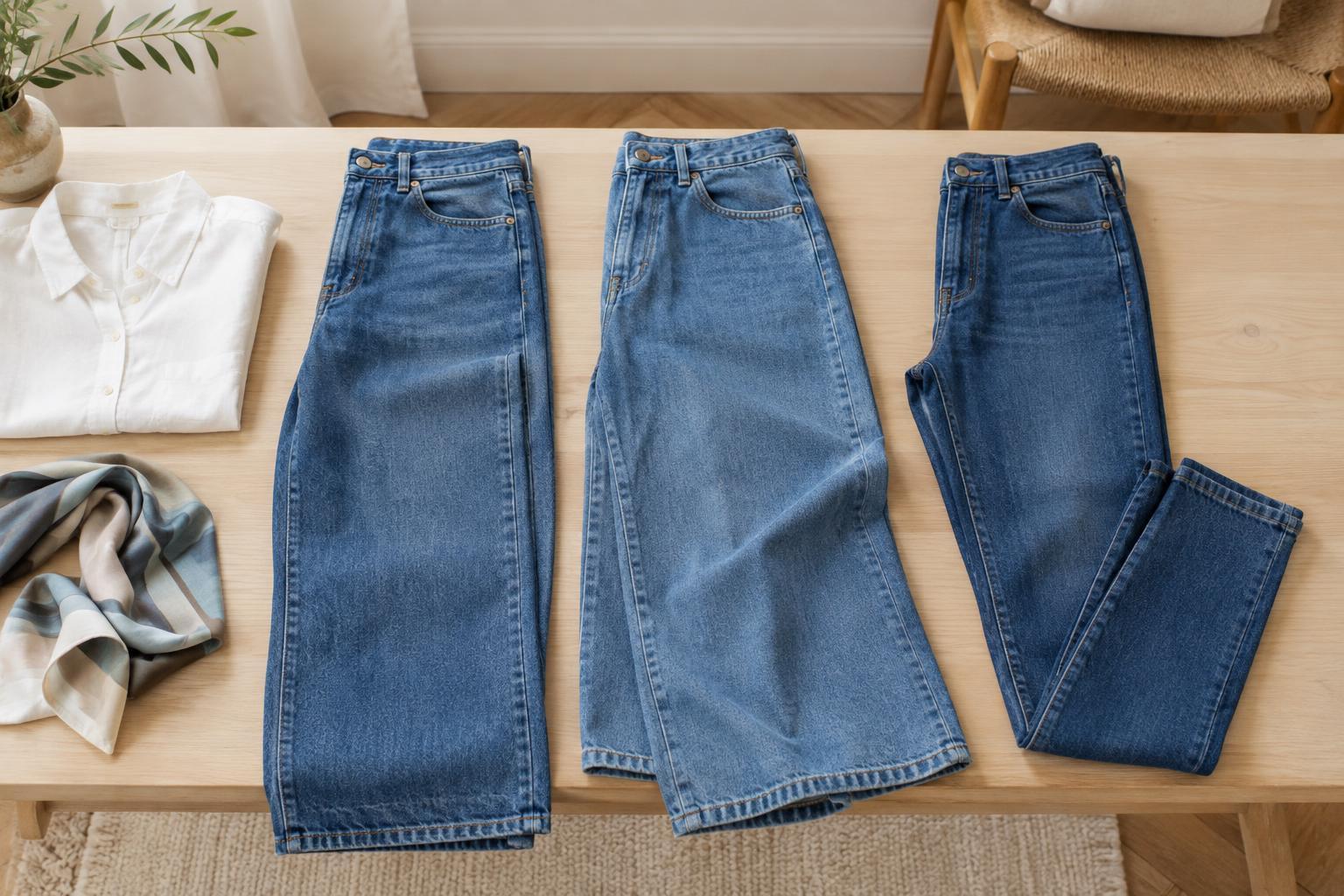
The place where a jacket, top or trouser hem ends can change how an outfit reads. A long top under a jacket of nearly the same length, for example, may create an accidental-looking strip of fabric. Trousers that bunch heavily over shoes can obscure the line you were trying to create. These are small details, but they are often more useful to adjust than the outfit's color palette.
Try making the lengths clearly different. Tuck a top fully, let it extend deliberately below a short jacket, or choose a layer that ends well above it. With trousers, test the shoes you actually plan to wear and see whether a small cuff improves the line. Take a step and sit down before deciding: a hem that looks neat while standing still may shift in motion. The goal is a clear, comfortable arrangement of layers, not a prescribed proportion.
5. Styling for the mirror instead of the day
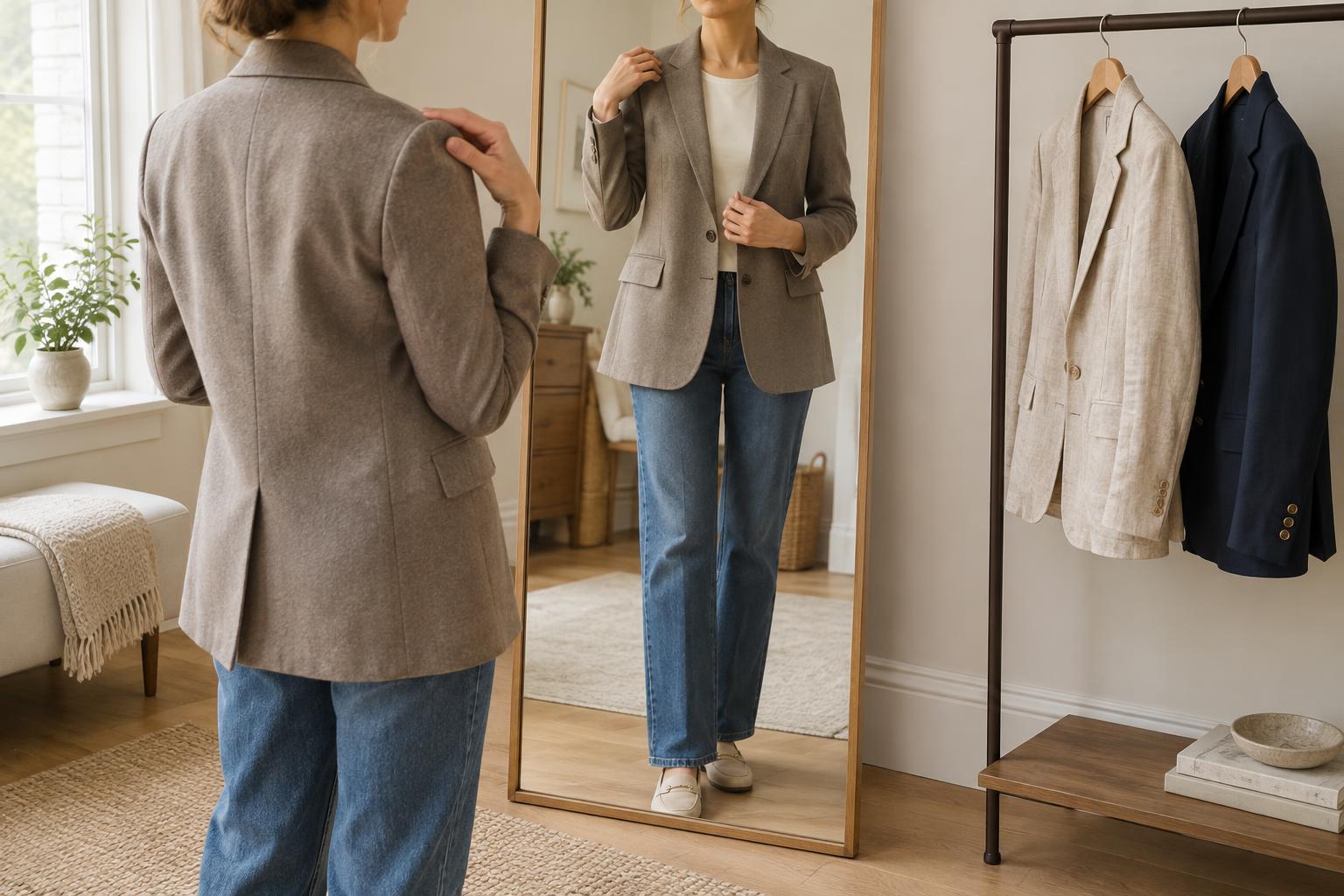
An outfit may look balanced for a moment at home but feel awkward once you start moving. A scarf that needs constant rearranging, a jacket that will not close comfortably or a bag that clashes with the coat you need can undo careful styling. Practical needs are part of the composition, not an afterthought.
Before leaving, run through the ordinary actions your day requires: walking, sitting, carrying a bag and adding or removing an outer layer. If an accessory slips, try a simpler knot or place it elsewhere. If a coat changes the silhouette, make it part of the outfit from the start. The most useful fix is often a small edit that lets you stop thinking about your clothes. A balanced look should support your plans while still feeling like your own.