Start with balance, not a shopping list
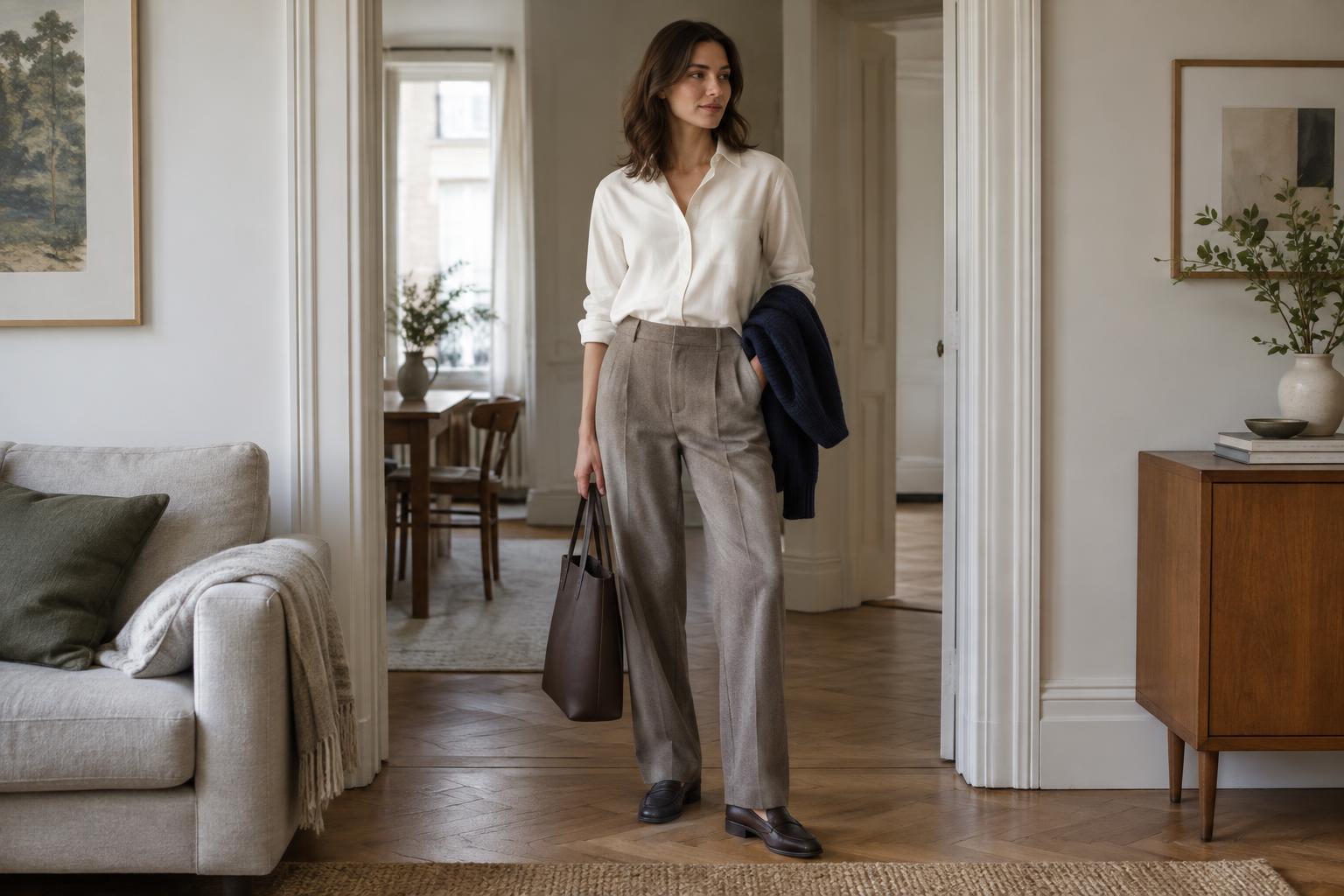
French-inspired dressing can be a useful way to think about everyday clothes, but it is not a uniform. A striped top, trench coat, or ballet flat may fit the picture, yet none is required. The more helpful idea is balance: combining familiar pieces so that the whole outfit feels intentional and comfortable. That might mean wearing a relaxed shirt with neater trousers, or pairing a structured jacket with soft denim.
Begin with something you already reach for often. If it is a roomy sweater, try it with straight-leg trousers and shoes that give the outfit a clear shape. If it is a fitted top, add a looser overshirt or skirt. Take a moment to look at the overall outline rather than judging each item separately. You are aiming for a combination that suits your day, not a perfect copy of someone else’s wardrobe.
Give simple pieces room to work
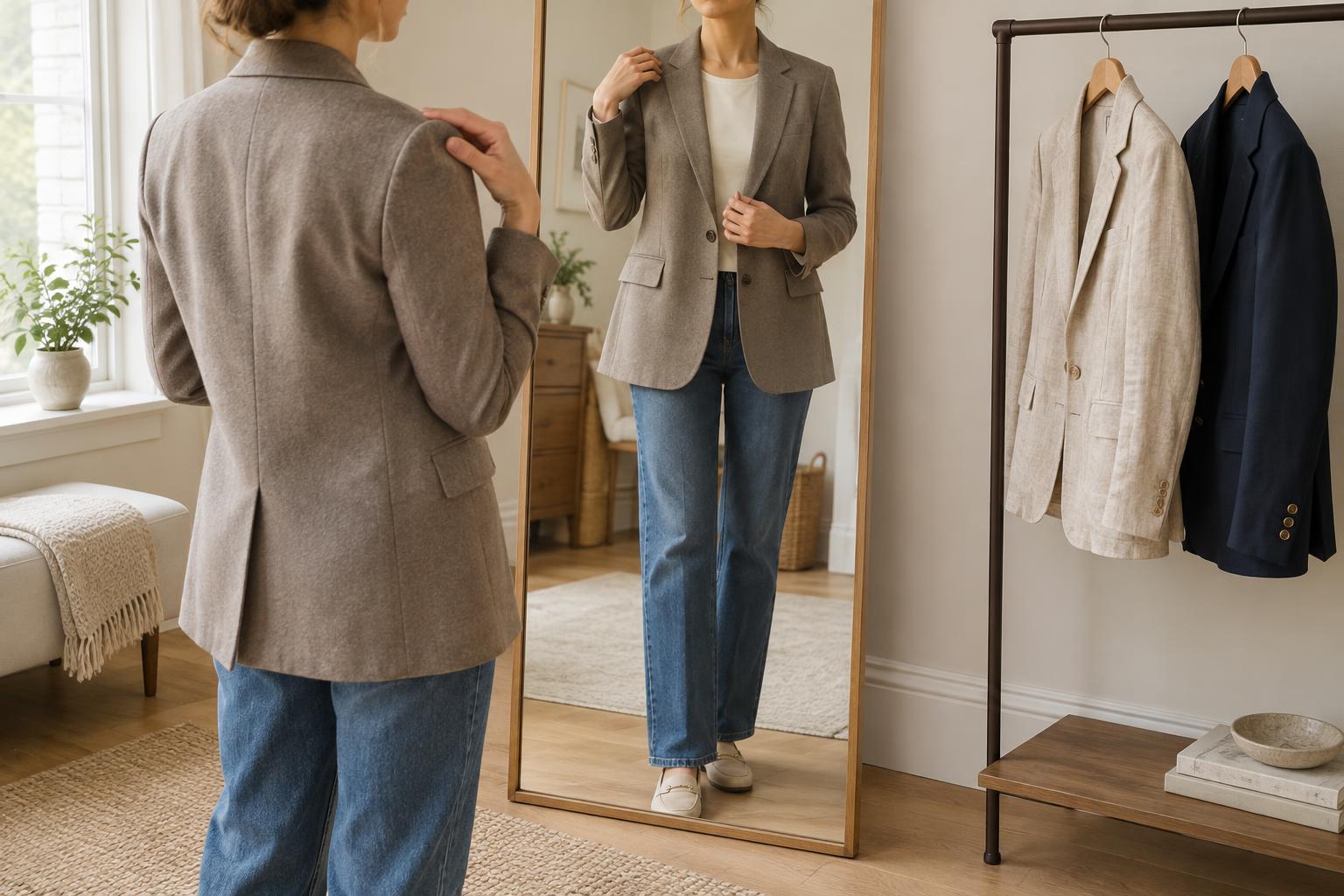
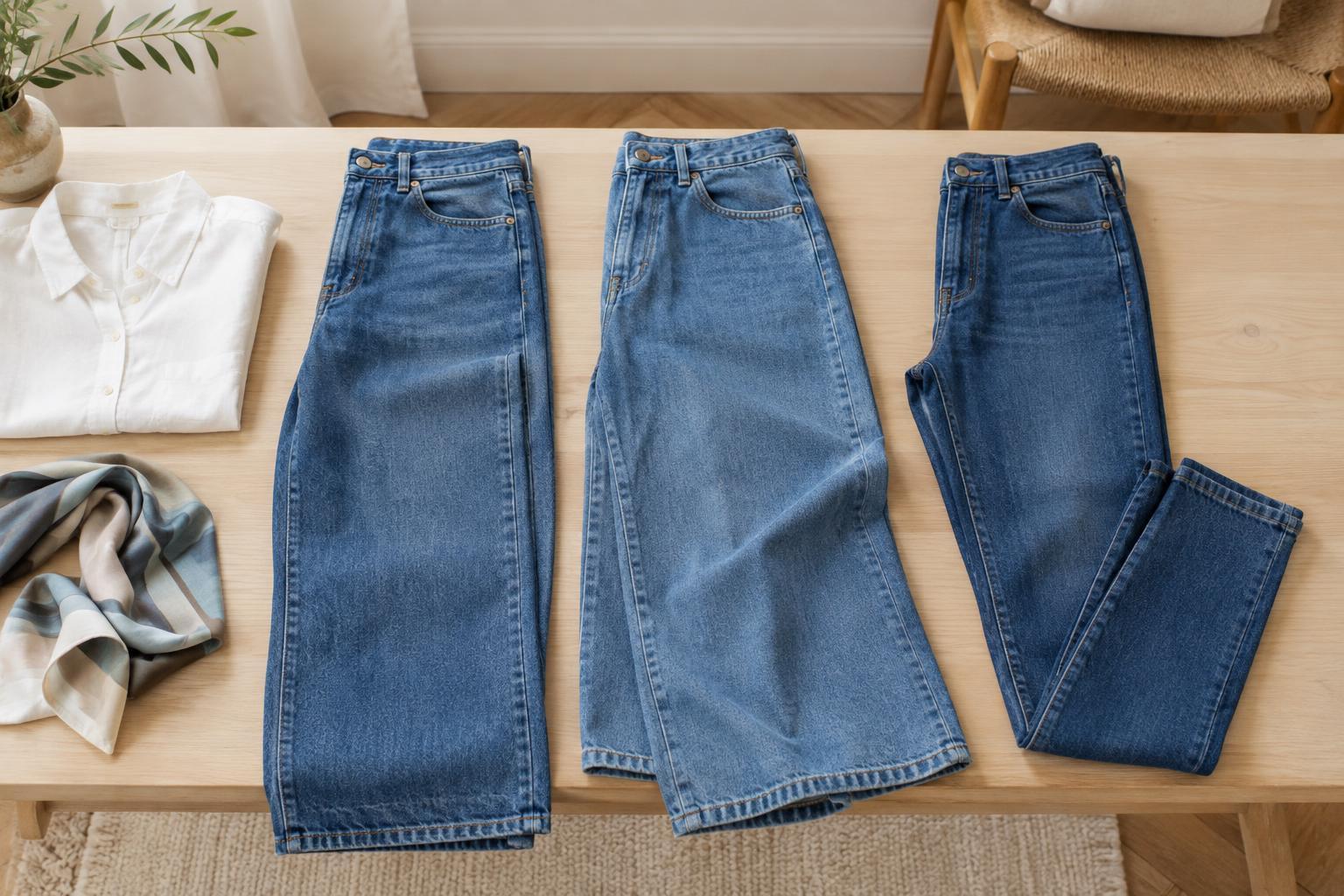
An uncomplicated outfit can feel polished when its pieces work well together. Jeans, a plain shirt, and a jacket offer plenty to adjust: the cut of the jeans, the length of the shirt, and whether the jacket is worn open can all change the result. You do not need every item to be tailored or new. A shirt you can move in and trousers that sit comfortably will usually be more useful than pieces you keep adjusting.
A limited palette can make getting dressed easier, especially when you are learning which combinations you enjoy. Choose two or three colors that already appear in your wardrobe and build an outfit around them. For example, dark trousers, a cream knit, and a navy jacket create a quiet base. Color can come later through a bag, scarf, or pair of shoes. If you prefer brighter outfits, the same approach still works: let one color lead and give the others a supporting role.
Use proportion to add ease
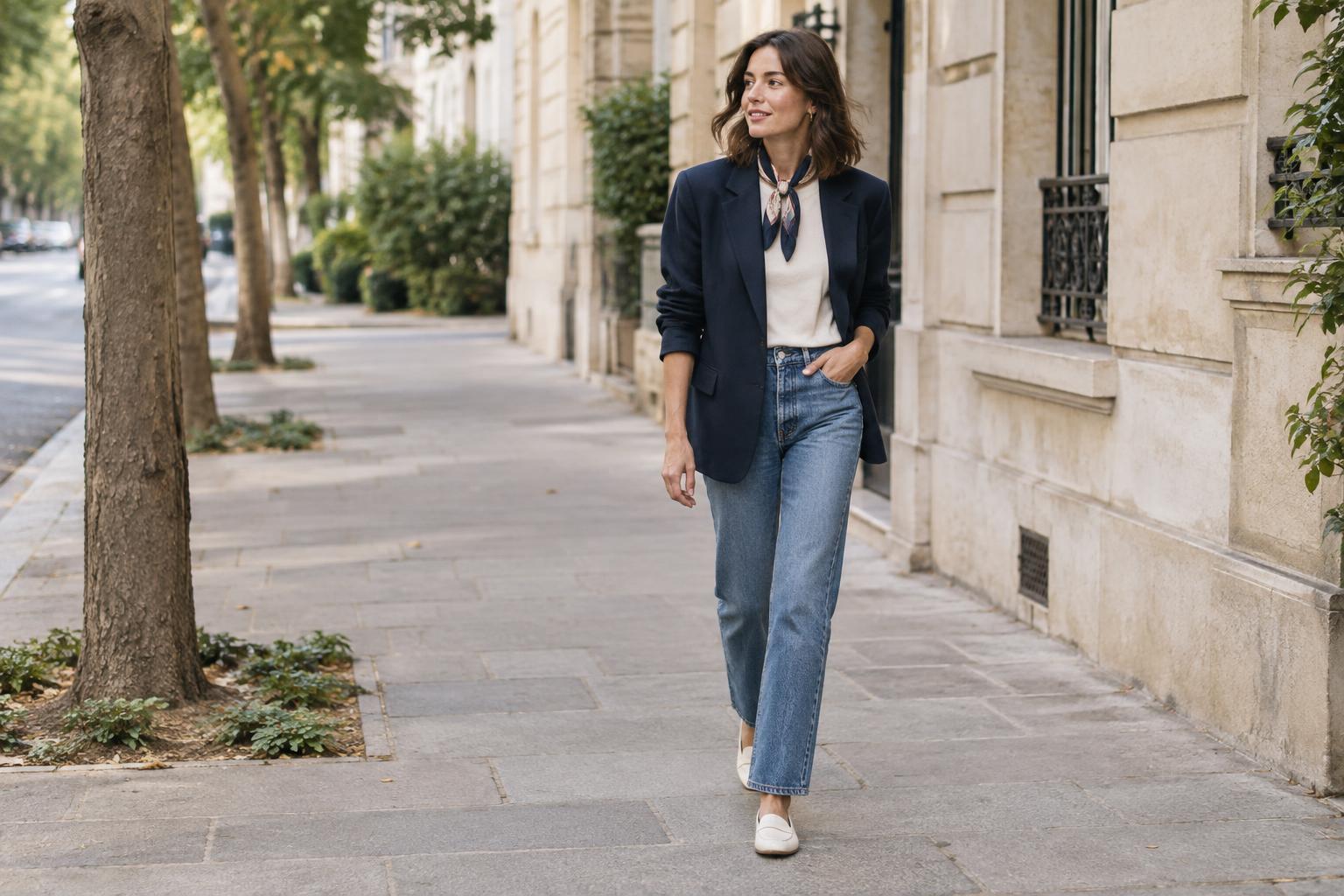
Small changes in proportion can make an outfit feel less rigid. Try pushing up the sleeves of a jacket, leaving the top button of a shirt open, or tucking in only enough fabric to show the waistband. These choices create space and shape without requiring a different set of clothes. Keep what works for your comfort and setting; an undone detail is an option, not a rule.
Think about where an outfit has volume. Wide-leg trousers can look balanced with a shorter jacket or a top that follows the body more closely. An oversized shirt might feel easier with a straighter skirt or slimmer trousers. These are starting points rather than limits. If you enjoy loose layers from head to toe, try varying their lengths or adding a defined shoe so the look still has a sense of direction.
Let one detail do the talking
Accessories can bring personality to a simple base, but you do not need to add several at once. A scarf tied loosely at the neck, a belt that defines a coat, or earrings you wear often may be enough. If you choose a patterned scarf, let it pick up one color from your clothes rather than trying to match everything exactly. You can also tie it to a bag handle or wear it in your hair when that better suits your routine.
Shoes deserve the same practical attention. Clean, comfortable footwear can help an outfit feel finished, whether you prefer loafers, flats, boots, or trainers. Think about the walking you will actually do and the surfaces you will encounter. Ease is hard to convey when you cannot move comfortably, so a reliable pair you wear often is a better foundation than a style you admire but avoid.
Make the approach your own
The simplest way to develop a style is to repeat and refine. Before buying anything, try making three outfits from pieces you already own: one for an ordinary day, one for a casual meeting, and one for an evening out. Change a single element in each look, such as the shoes, outer layer, or accessory, and notice what makes the outfit feel more like you. This gives you a clearer picture of any genuine gaps in your wardrobe.
Care also affects how clothes look and feel. Follow garment labels, allow time for items to dry properly, and deal with loose buttons or marks before they become reasons to stop wearing a favorite piece. The goal of French-inspired everyday style is not to appear effortless at all costs. It is to make thoughtful choices that support real life, then wear the result with ease.