Start with the invitation, not the time of day
A daytime ceremony does not automatically mean a casual outfit. The invitation is your best starting point: follow any stated dress code, then consider the ceremony and reception locations. A celebration in a formal venue may call for a more polished look than a relaxed garden gathering, even if both begin in the afternoon. If the invitation gives no guidance, aim for clothes that look deliberately chosen rather than like everyday office or weekend wear.
Think about the full schedule before deciding. Will you move from a ceremony to a seated meal, walk across grass, or stay for an evening reception? Your outfit should work at the dressiest part of the day without making the less formal moments uncomfortable. If expectations remain unclear, a brief question to the couple or someone close to them is more reliable than guessing from the venue alone.
Build a polished outfit without overdoing it
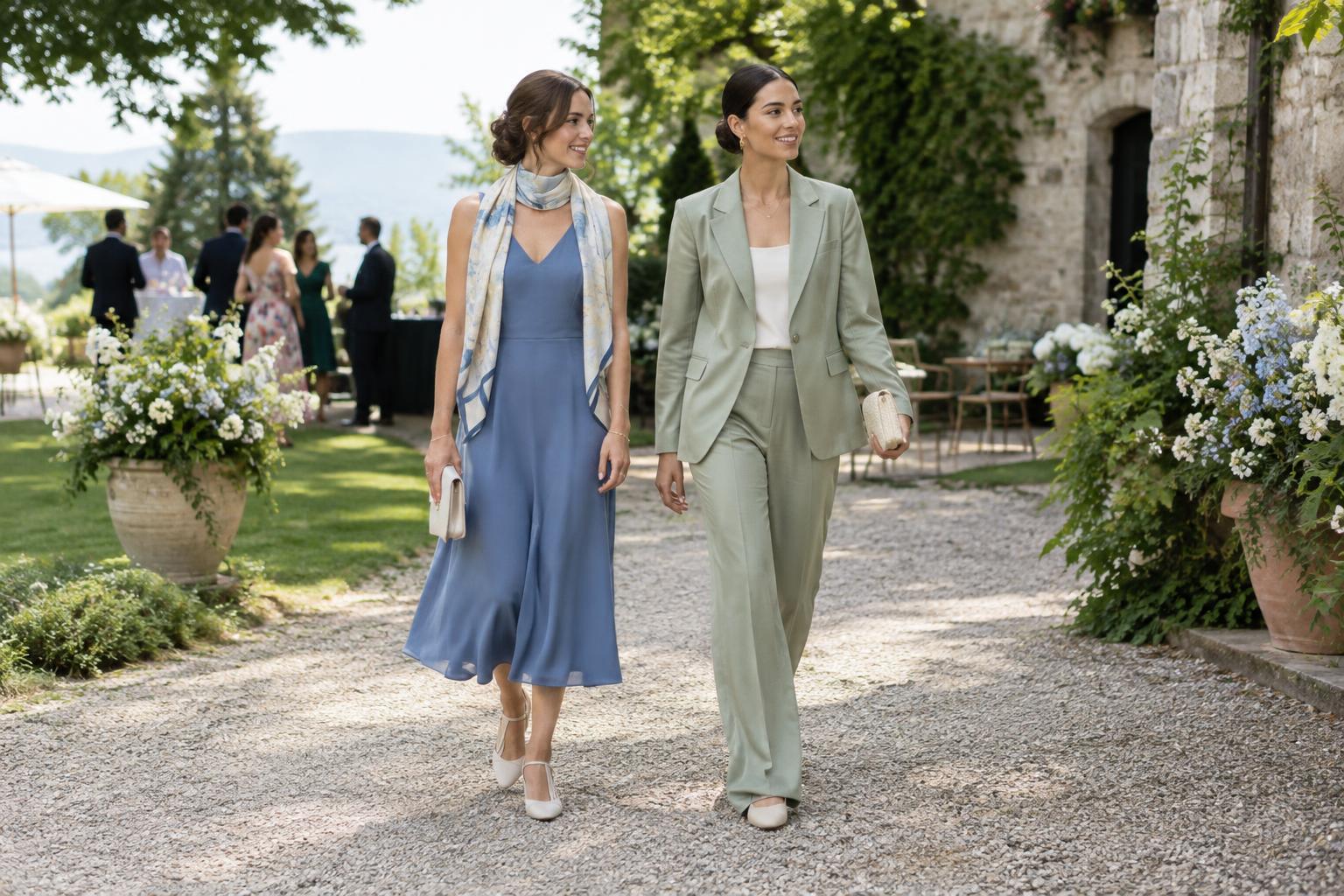
A refined daytime outfit can be simple. A midi dress in a fabric with some structure or graceful movement is one option; a tailored jumpsuit, coordinated separates or a well-cut suit can work equally well. Look for a clean fit, comfortable movement and a finish that feels special. That might mean a flattering neckline, a considered color combination or a jacket that sharpens the whole look. You do not need all three at once.
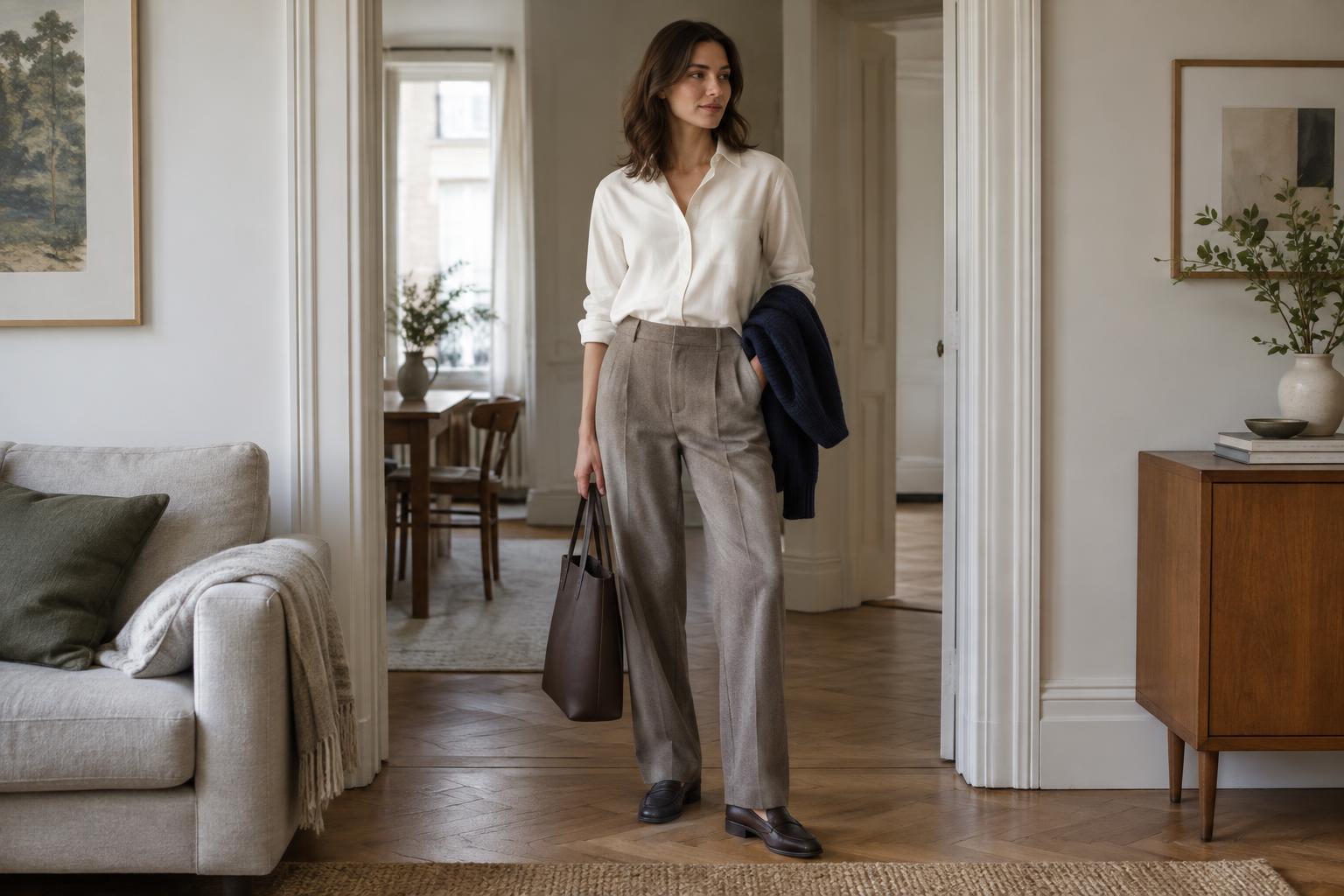
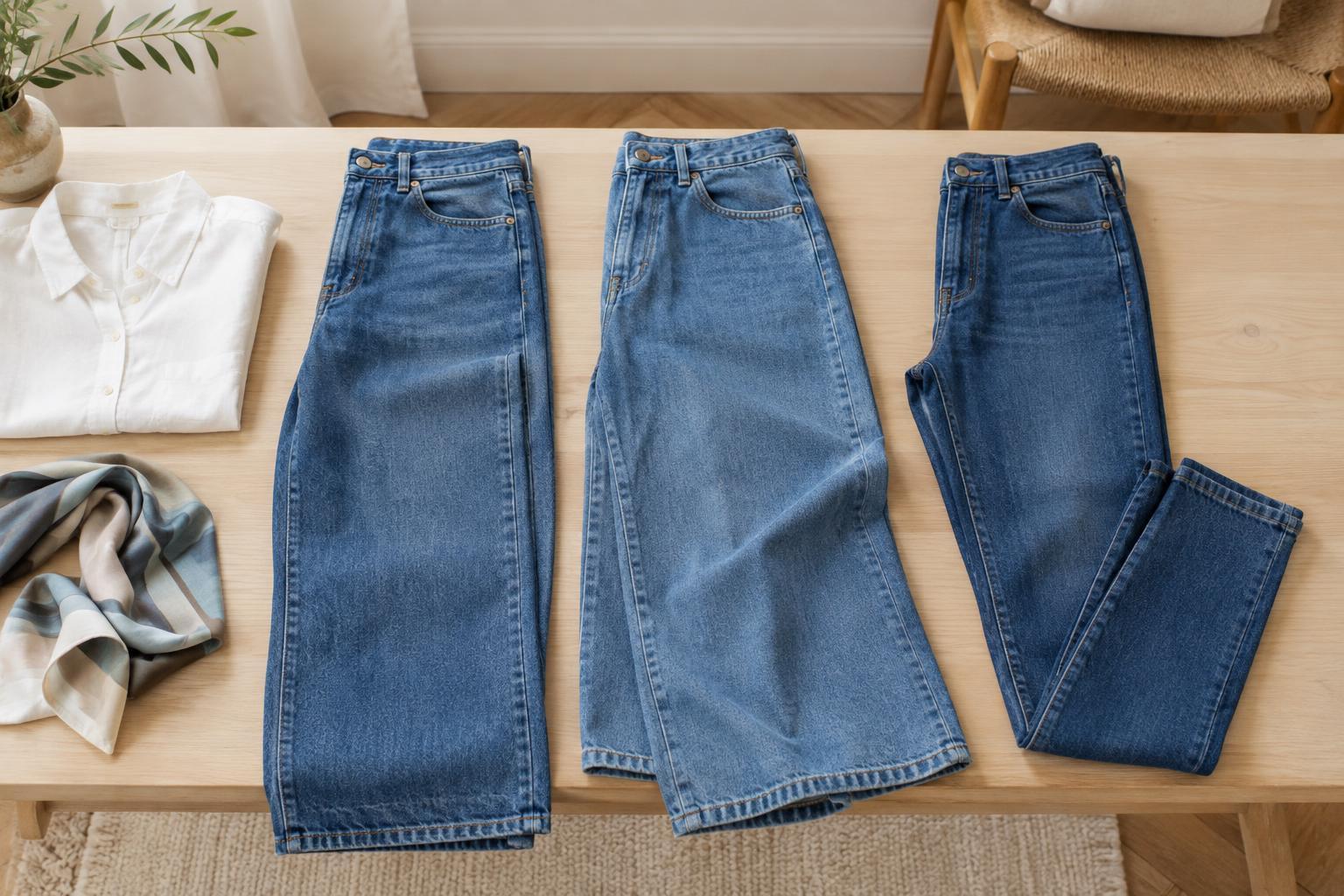
If you are choosing between two levels of formality, pay attention to fabric and styling. Cotton poplin, linen blends, crepe and lightweight wool can each look wedding-ready when the cut is intentional and the garment is well pressed. Very casual finishes, such as distressed denim or a rumpled shirt, can make even a carefully chosen outfit feel too relaxed. At the other end, a heavily embellished evening look may feel out of place at a modest daytime ceremony unless the dress code calls for it.
Use color and accessories to set the tone
Color offers an easy way to make an outfit feel festive. Soft blue, green, rose, warm neutrals and gentle prints can suit daylight particularly well, but there is no required daytime palette. Dark colors can also work when the fabric and accessories keep the result lively. As a considerate default, avoid an outfit that could be mistaken for the wedding party’s attire, especially a predominantly white or bridal-looking ensemble, unless the couple has specifically requested it.
Accessories are useful for adjusting formality without rebuilding the outfit. A silk scarf tied at the neck or on a bag can add color to a restrained dress or suit. Simple jewelry and a neat small bag often feel more balanced than several statement pieces competing for attention. Choose shoes for the actual setting: a stable block heel, elegant flat or low-heeled shoe may be easier on grass, gravel or long stretches of standing than a narrow heel.
Plan for the venue and the weather
Daytime weddings can involve bright sun, cool interiors, outdoor shade or a change in temperature by evening. A light jacket, fine knit or dressy wrap gives you an extra layer without making the outfit look improvised. If the ceremony takes place in a religious or cultural setting, check whether there are expectations about covered shoulders, headwear or footwear. Follow guidance from the hosts rather than assuming that one rule applies to every ceremony.
Comfort matters because you will probably wear the outfit for hours. Sit down in it, walk in the shoes and check that you can manage any fastenings without constant adjustment. For an outdoor venue, consider whether a hem will drag or a delicate fabric will snag. These small checks help you stay focused on the celebration instead of your clothes.
Make the final decision with a simple test
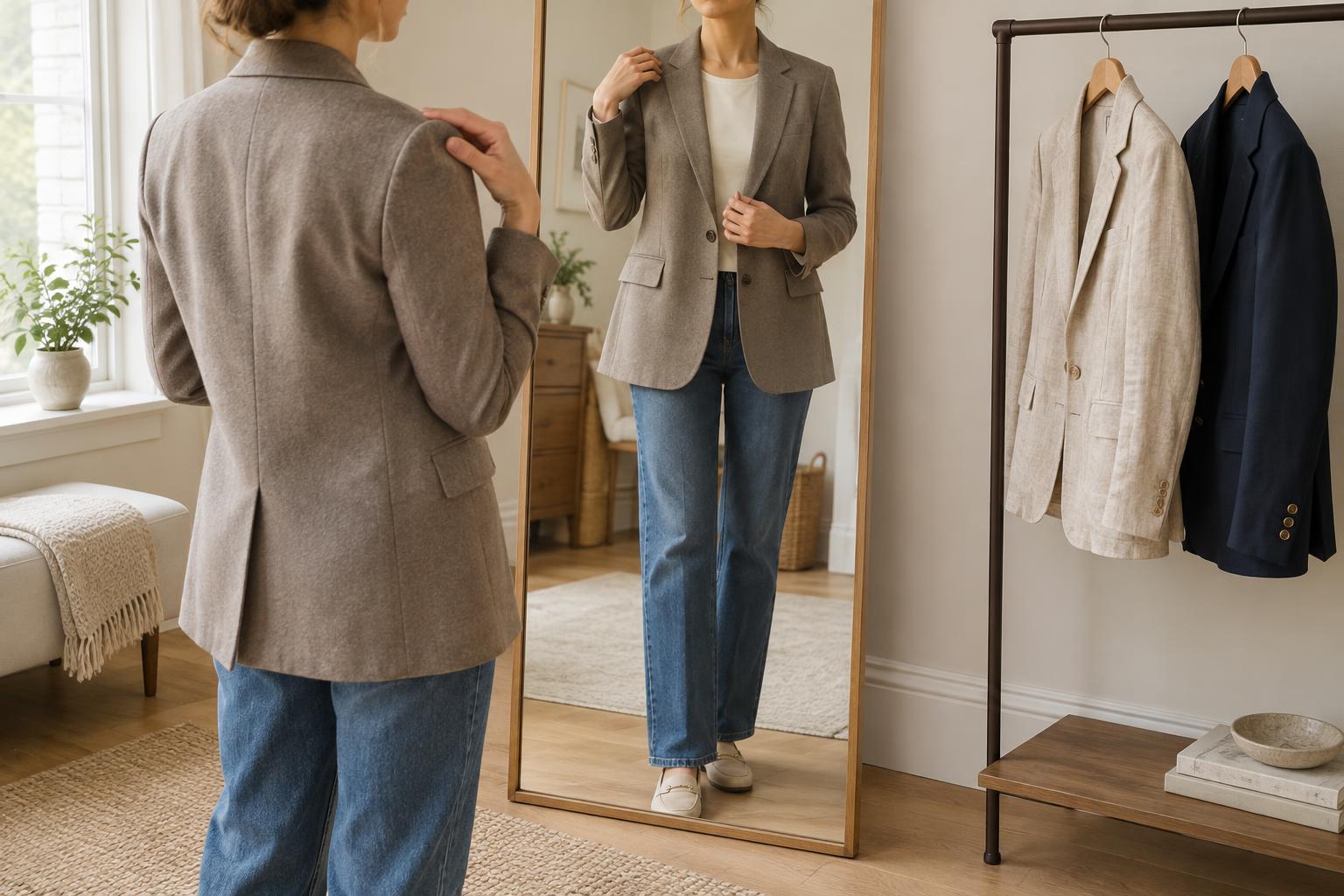
Before leaving, ask whether the outfit meets three needs: it respects the stated dress code, suits the most formal part of the event and lets you participate comfortably. If it falls short, one change may be enough. A tailored layer can dress up a simple outfit; quieter accessories can make an elaborate one feel more at ease in daylight.
The goal is not to look as though you followed a rigid formula. It is to arrive looking thoughtful, feel like yourself and make room for the people being celebrated. A daytime wedding outfit succeeds when its level of dress feels considered—and you can enjoy wearing it.