Start with the life you dress for
Before opening the wardrobe, think about a typical month. Which clothes do you reach for on ordinary workdays, relaxed weekends and occasional evenings out? Your wardrobe should serve that routine, not an imagined calendar full of events. A useful audit begins with the clothes you need most often.
Make a short list of your regular activities and the conditions you dress for, such as commuting, working from home or walking in changeable weather. Note any dress codes and the level of comfort you prefer. This gives you a way to judge each piece. A beautiful jacket may be worth keeping even if you wear it rarely, but it should not take priority over the trousers you need every week.
Sort by category, then ask better questions
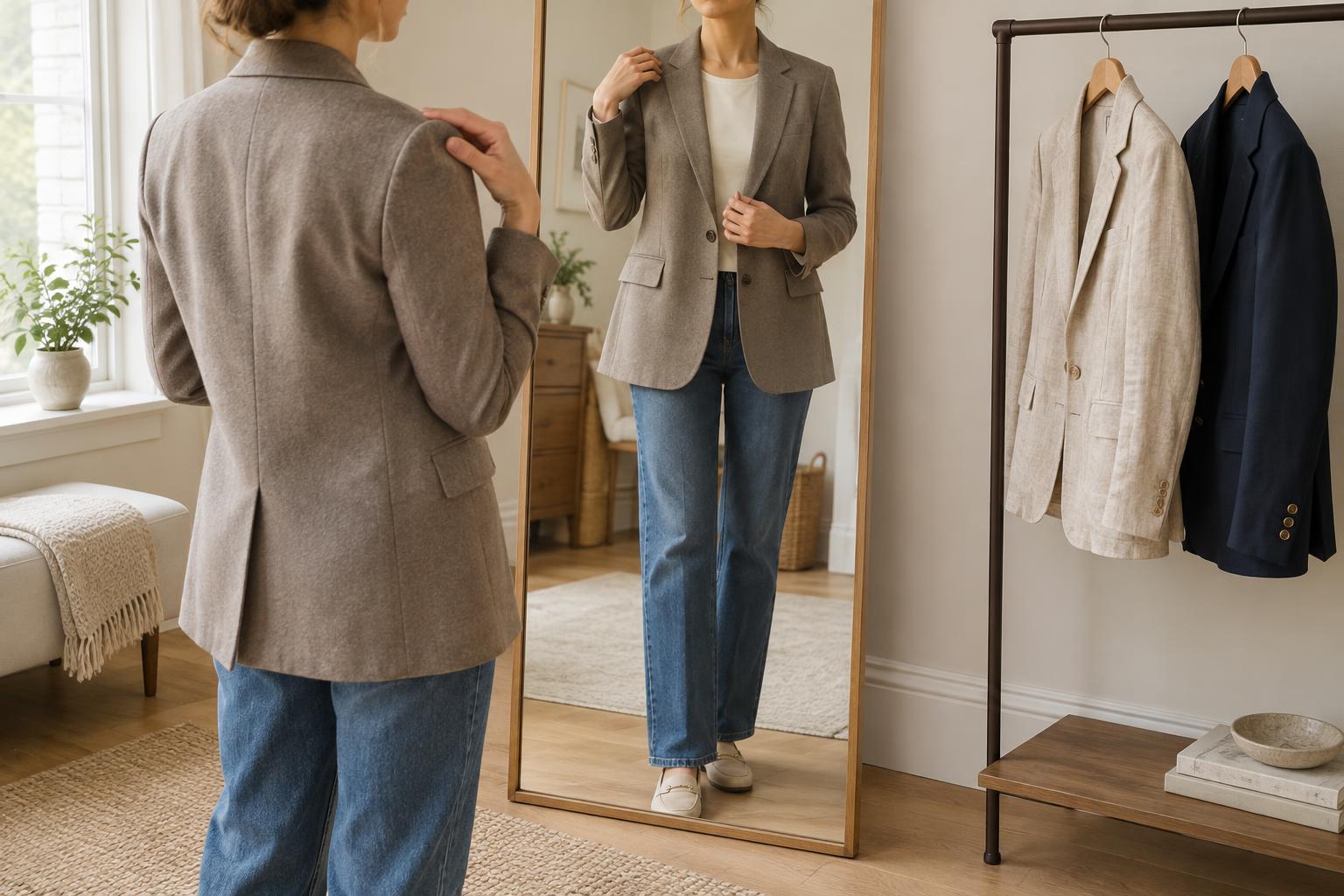
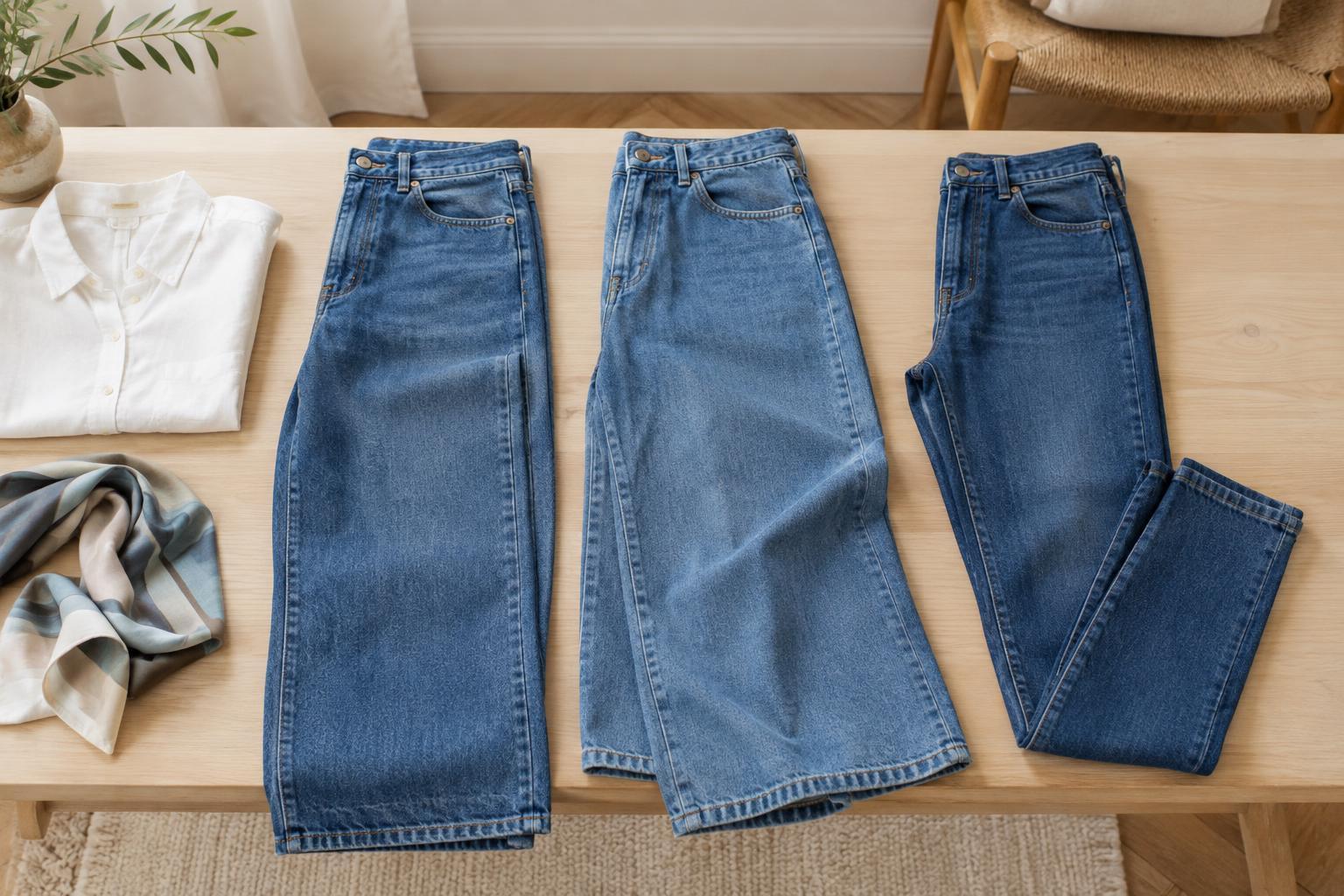
Review one category at a time: tops, trousers, skirts, dresses, layers, shoes and accessories. Bringing similar items together makes duplicates and omissions easier to see. Try on pieces you are unsure about with the shoes and layers you would actually wear. A shirt that looks promising on a hanger might be uncomfortable under your usual jacket.
As you handle each item, ask whether it fits comfortably now, suits your routine, works with other clothes and is in wearable condition. Put clear favorites back within easy reach. Set aside items that need cleaning or a simple repair. Keep a separate, small group for pieces you are undecided about; you do not have to make every decision in one afternoon. If an item has sentimental value, consider storing it as a keepsake rather than expecting it to function as everyday clothing.
Build outfits to reveal the real gaps
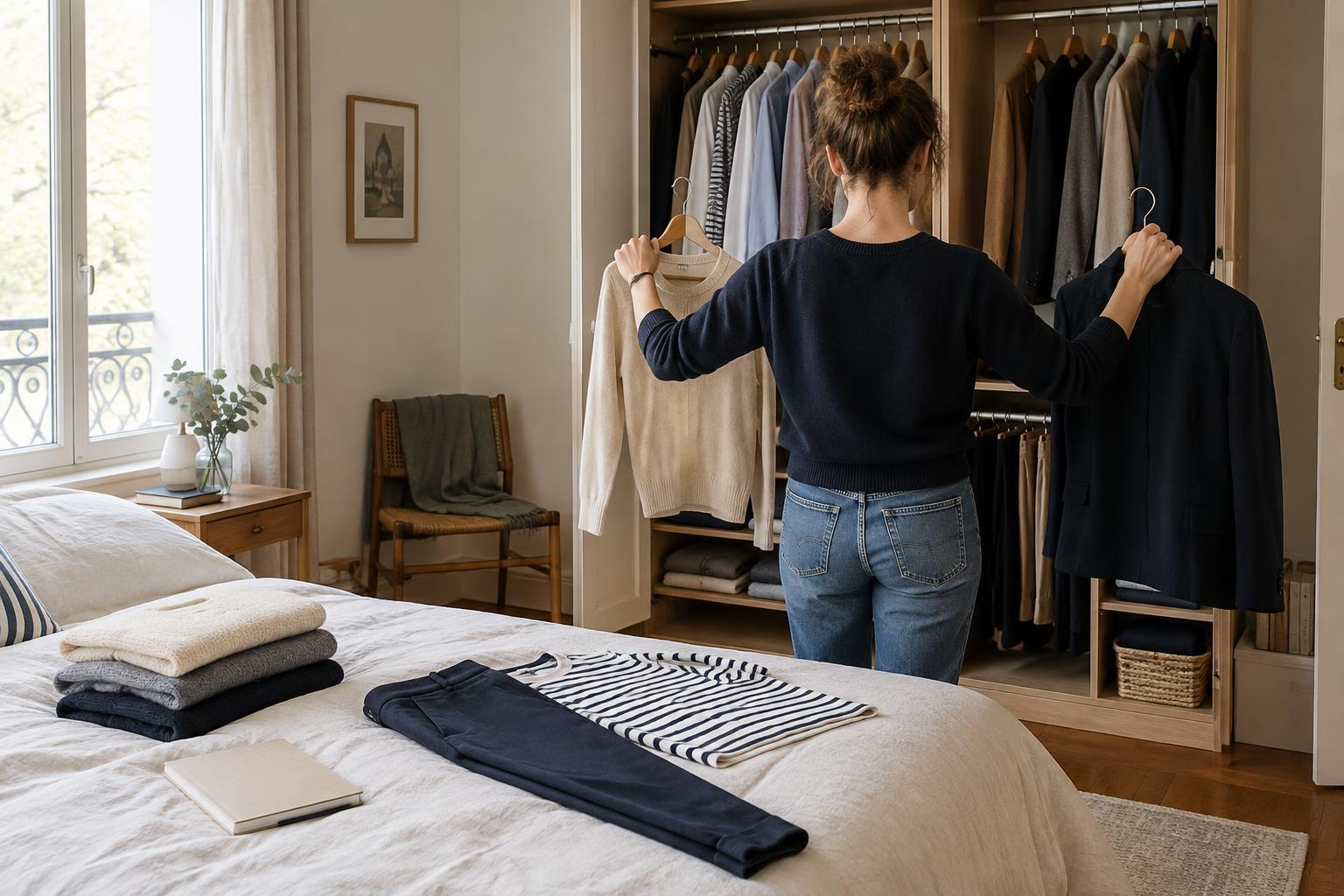
A count of garments cannot tell you whether your wardrobe works. Instead, assemble several complete outfits for your most common situations. Include shoes, outerwear and a bag where relevant. You may discover that you have plenty of tops but only one comfortable pair of trousers, or several dresses that lack a suitable layer. These are more useful observations than deciding you need a certain number of “essentials.”
Look for pieces that can play more than one role without demanding that every garment be versatile. A simple knit might work with tailored trousers and a relaxed skirt; a scarf can change the feel of both outfits without replacing a layer you genuinely need. For a balanced, French-inspired look, you might pair one more expressive item with quieter pieces you already own. The point is not to follow a uniform, but to find combinations you enjoy wearing.
Separate missing items from styling problems
When an outfit feels incomplete, check whether the answer is already in your wardrobe. Could a different shoe make the proportions feel right? Would tucking a shirt, changing a belt or pairing a dress with another jacket help? Take a quick photo of combinations you like so you can repeat them. You may find that what seemed like a gap was simply an outfit you had not tried.
A genuine gap is a specific missing function. “A washable top that works under my work jackets” is more useful than “more tops.” Write down the item, when you would wear it and at least two things you could pair it with. Also note constraints that matter to you, such as fabric feel, care instructions or the need to walk comfortably. If you cannot describe how a proposed piece would be used, leave it off the list for now.
Make a short list and revisit it
Prioritize gaps by how often they affect getting dressed. Replacing worn everyday shoes may make more difference than adding another occasion dress. Before looking for anything new, consider whether a repair or alteration would bring an existing piece back into regular use. If you do shop, bring your notes rather than relying on a vague impression of what your wardrobe lacks.
An audit is not a one-time purge. Keep a brief list of outfits that worked and situations where getting dressed was difficult. Revisit it as your routine or the weather changes. Over time, this record can help you distinguish a lasting need from a passing preference—and build a wardrobe that feels useful as well as personal.