Plan for two temperatures, not one
Cold-weather occasion dressing is easier when you separate the journey from the event. A substantial coat, weather-appropriate footwear and gloves can take care of the trip. The outfit underneath should make sense on its own once those pieces are removed. Before getting dressed, consider where you will spend most of the evening: seated at dinner, standing at a reception or moving between rooms. A venue that runs cool may call for a warmer base outfit, while a crowded room may make heavy layers uncomfortable.
Treat your coat as outerwear rather than the layer that makes the outfit feel finished. Try on the complete indoor look without it and check the neckline, sleeves and overall shape. If you immediately want to put the coat back on, adjust the clothes beneath it. The aim is not to dress as though it were summer, but to make warmth part of the formal outfit.
Choose fabric and coverage before adding layers
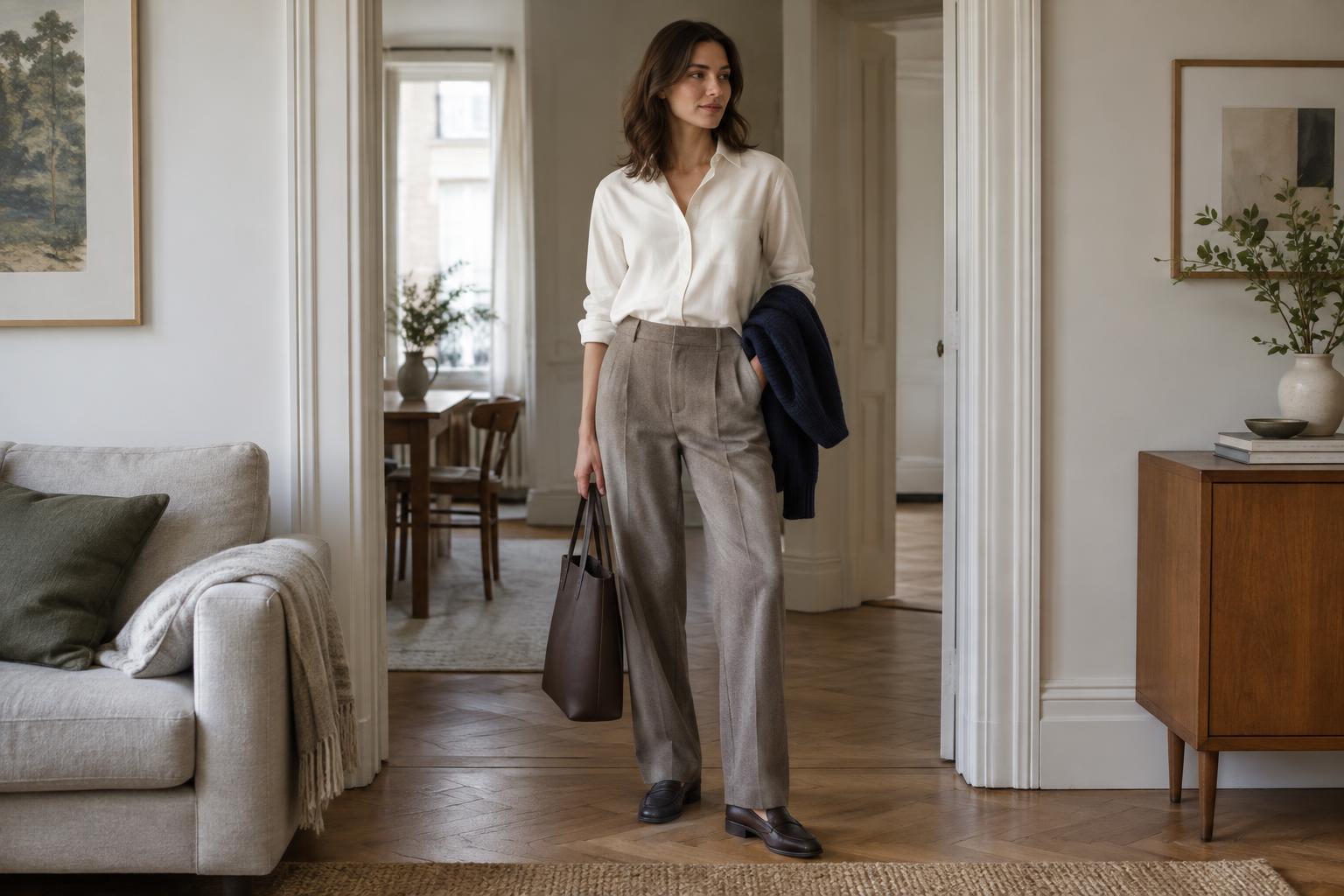
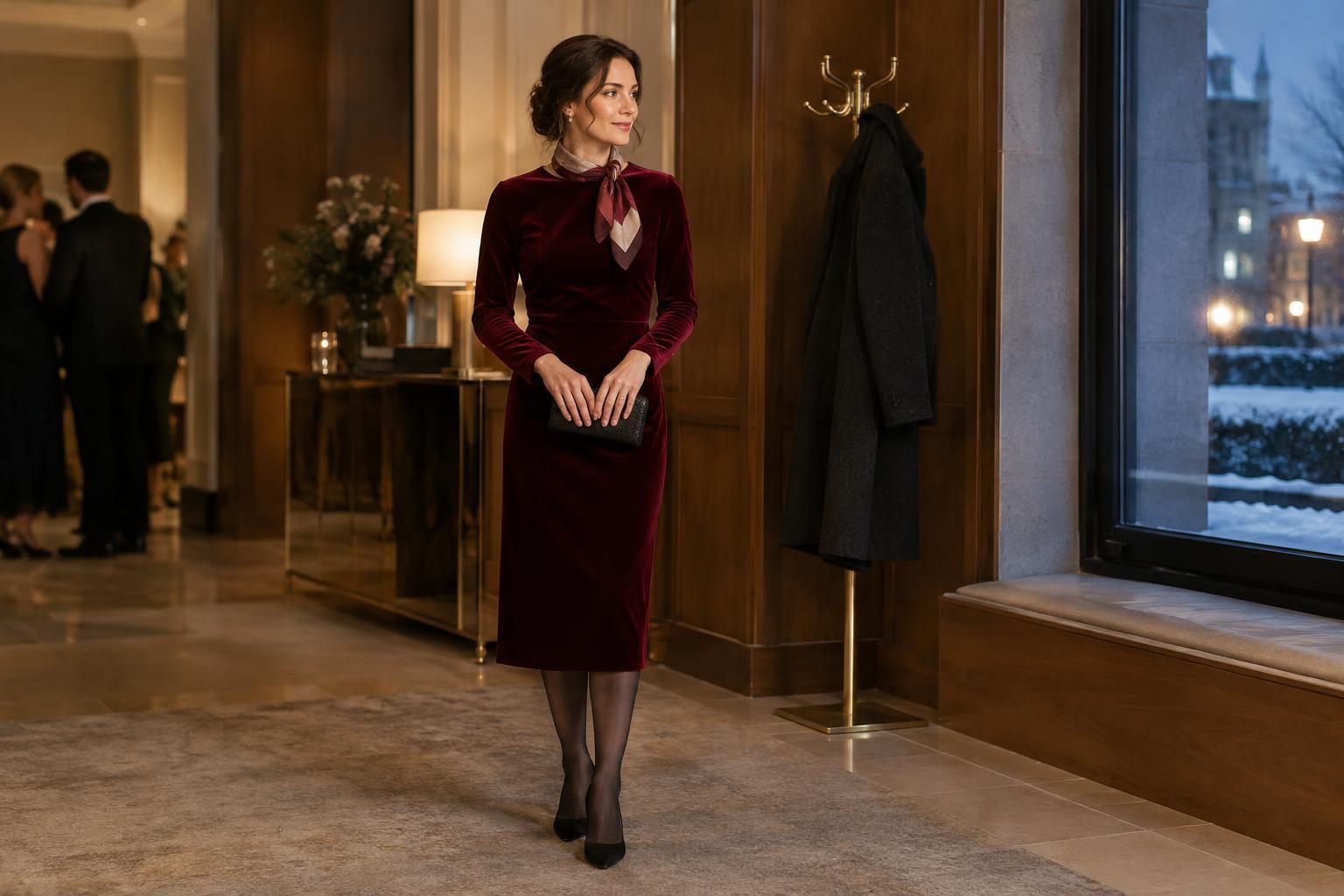
Fabric can do much of the work. A long dress in velvet, substantial crepe or a wool blend may feel more comfortable in a cool room than a very light dress with the same silhouette. Lining can also help a garment sit smoothly over a base layer. For separates, consider tailored trousers with a silk blouse and a fine-gauge knit, or a longer skirt with a fitted top in a fabric that has some weight. These combinations offer coverage without depending on a coat indoors.
Sleeves and necklines deserve attention, especially if you expect to be seated for long stretches. A long-sleeved dress can look as formal as a sleeveless one when the cut and fabric suit the event. A higher neckline can provide coverage while leaving room for earrings or a small silk accessory. If the invitation specifies a dress code, use it to guide the level of formality, then choose the warmer option within that range.
Keep an indoor layer intentional
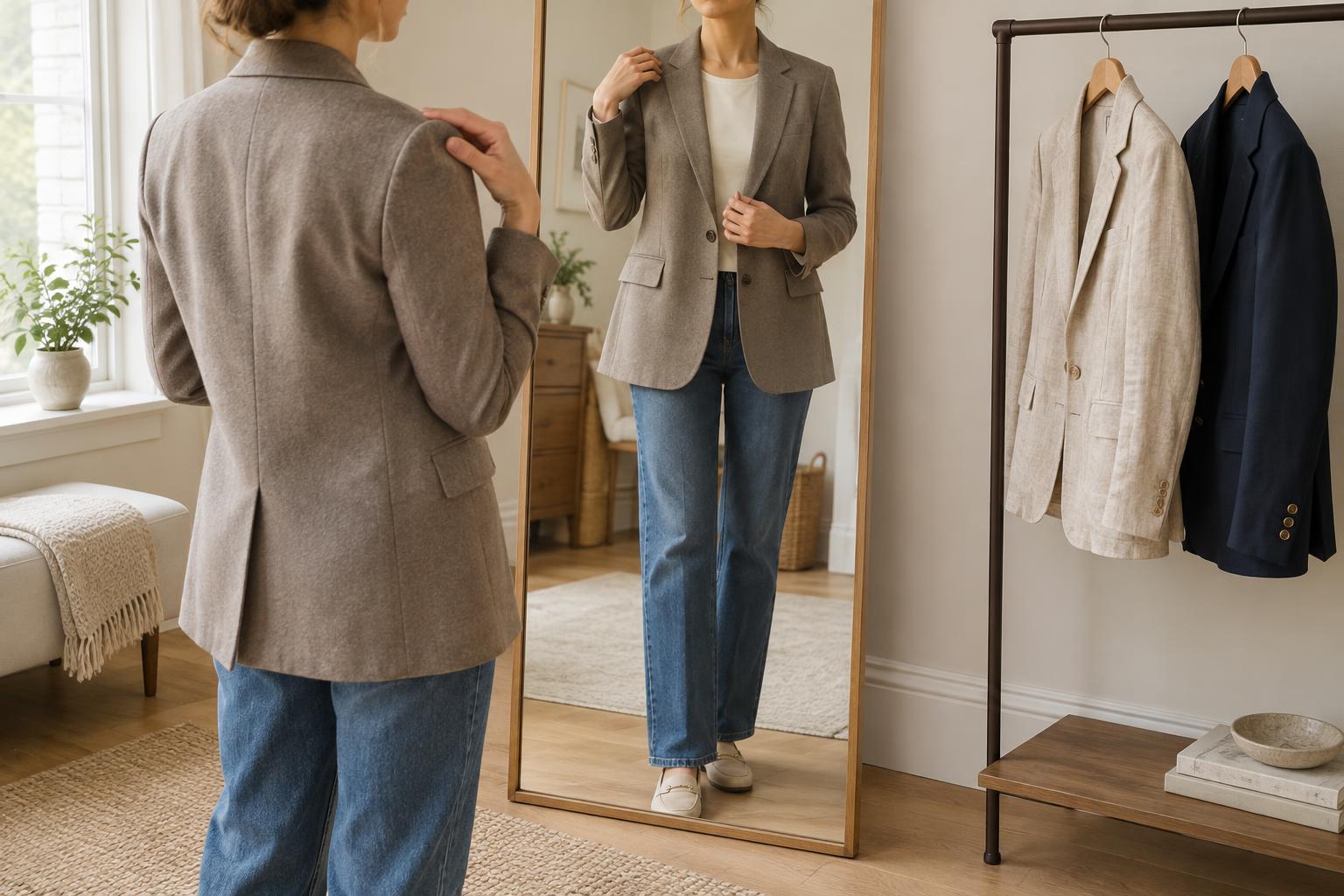
If your main garment is too light on its own, add a layer that looks like part of the outfit rather than an emergency extra. A neatly fitted fine-knit cardigan can work over a simple dress; a tailored jacket can finish a blouse and trousers or a column-shaped skirt. A wrap in a dressy fabric is another option when you want coverage that is easy to remove. Keep its color, texture and proportions in conversation with the rest of the outfit so it reads as a deliberate choice.
Check how the layer behaves in use. Can you sit comfortably without tugging at it? Does a wrap stay in place when you greet someone or carry a bag? Will a jacket sleeve fit over the sleeve beneath it? A quick trial at home can reveal more than a mirror check alone. If a layer needs constant adjustment, a warmer dress or top may be the simpler solution.
Handle the coldest part of the journey separately
For travel, choose a coat roomy enough to go over the formal outfit without crushing it. A scarf, gloves and shoes suited to the conditions can make the trip more comfortable, even if none of them enters the event space. If your formal shoes are impractical for wet or icy ground, carry them and change when you arrive, provided you have a convenient place to store the travel pair. It is worth checking the venue’s coat-check arrangements before relying on that plan.
Warmth can also come from details that remain discreet indoors: hosiery with a longer skirt, closed-toe shoes or a thin base layer that does not show at the neckline or cuffs. Try these with the full outfit in advance. A base layer that bunches beneath a fitted dress or peeks out unexpectedly is less useful than one you can forget you are wearing.
Make the final look feel light, not overloaded
A cold-weather formal outfit need not look heavy. One rich texture, such as velvet or a smooth wool blend, can be balanced with a simpler accessory. A silk scarf tied close to the neck may add color without the bulk of a large wrap, while earrings can bring focus to an outfit with a higher neckline. If the clothes already have strong texture or detail, keep the accessories restrained.
Before leaving, remove the coat and take one final look. You should be able to identify a complete outfit underneath: clothes that suit the occasion, allow you to move comfortably and offer enough coverage for the room. That is a more reliable starting point than hoping your outdoor coat can do two jobs all evening.