Start with the invitation, not the outfit
A common occasion-dressing mistake is falling in love with an outfit before considering what the invitation asks of you. Read the wording again before making a decision. Does it name a dress code, describe the event as a celebration or ceremony, or give clues about the time of day? An evening reception and an afternoon gathering may invite different choices even when both call for a polished look.
If the dress code is unfamiliar, avoid treating it as a rigid formula or ignoring it altogether. Use it to set a general level of formality, then choose pieces you can wear comfortably. When the invitation leaves you unsure, it is reasonable to ask the host or organizer a brief question. That can be more useful than guessing based on an outfit you happen to own.
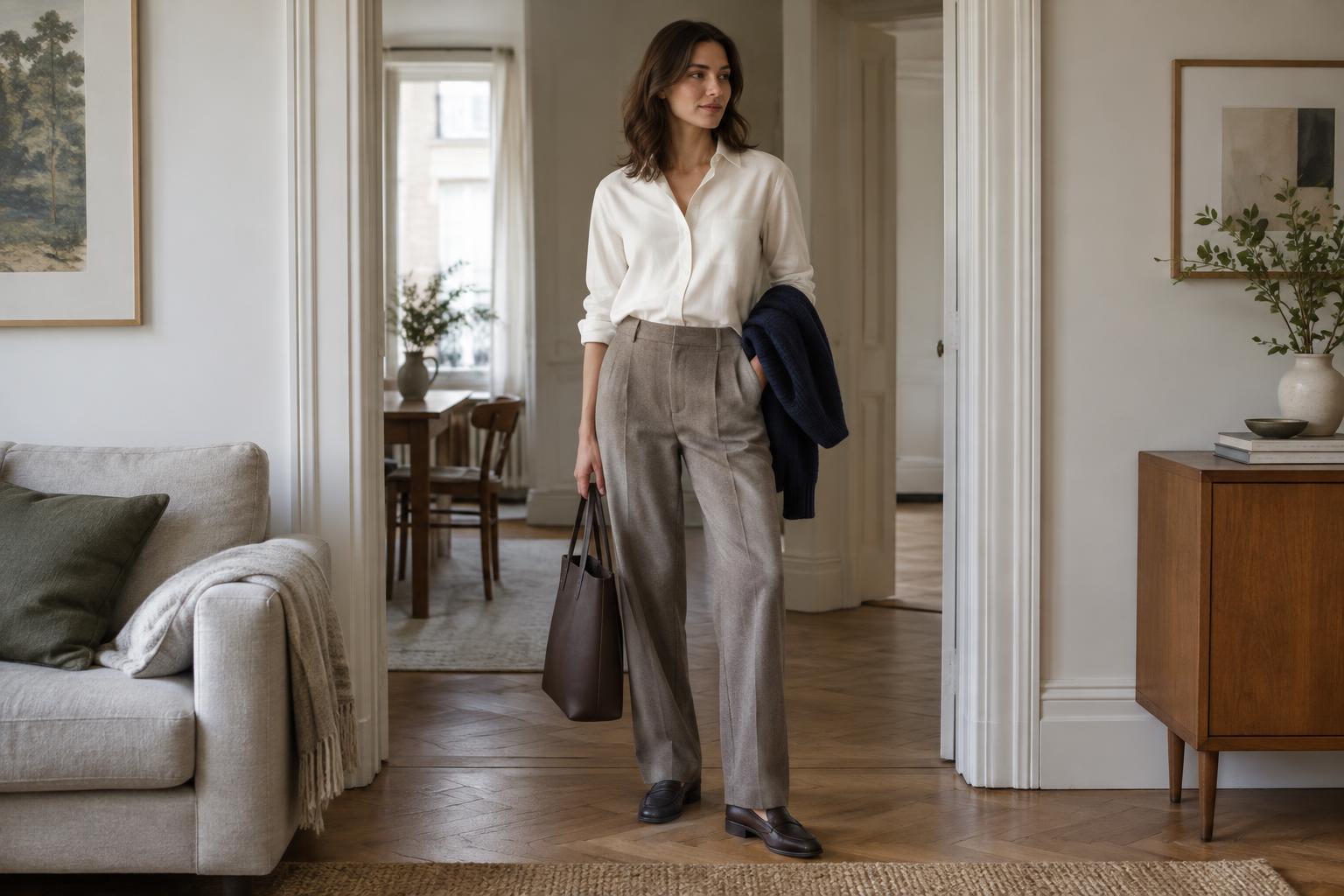
Personal style still matters. A simple dress with considered accessories, or well-cut trousers with a refined top, can feel distinctive without drawing attention away from the occasion. The aim is not to dress like everyone else; it is to show that you understood why you were invited.
Picture the venue before choosing your shoes
The venue affects how an outfit works in practice. A restaurant, garden, place of worship and private home can each call for a different degree of coverage, ease of movement or formality. Check any information supplied with the invitation and think through the route from arrival to departure. Will you walk between locations, stand for a while or sit at a table? These details are easy to overlook when you are focused on a photograph of the finished look.
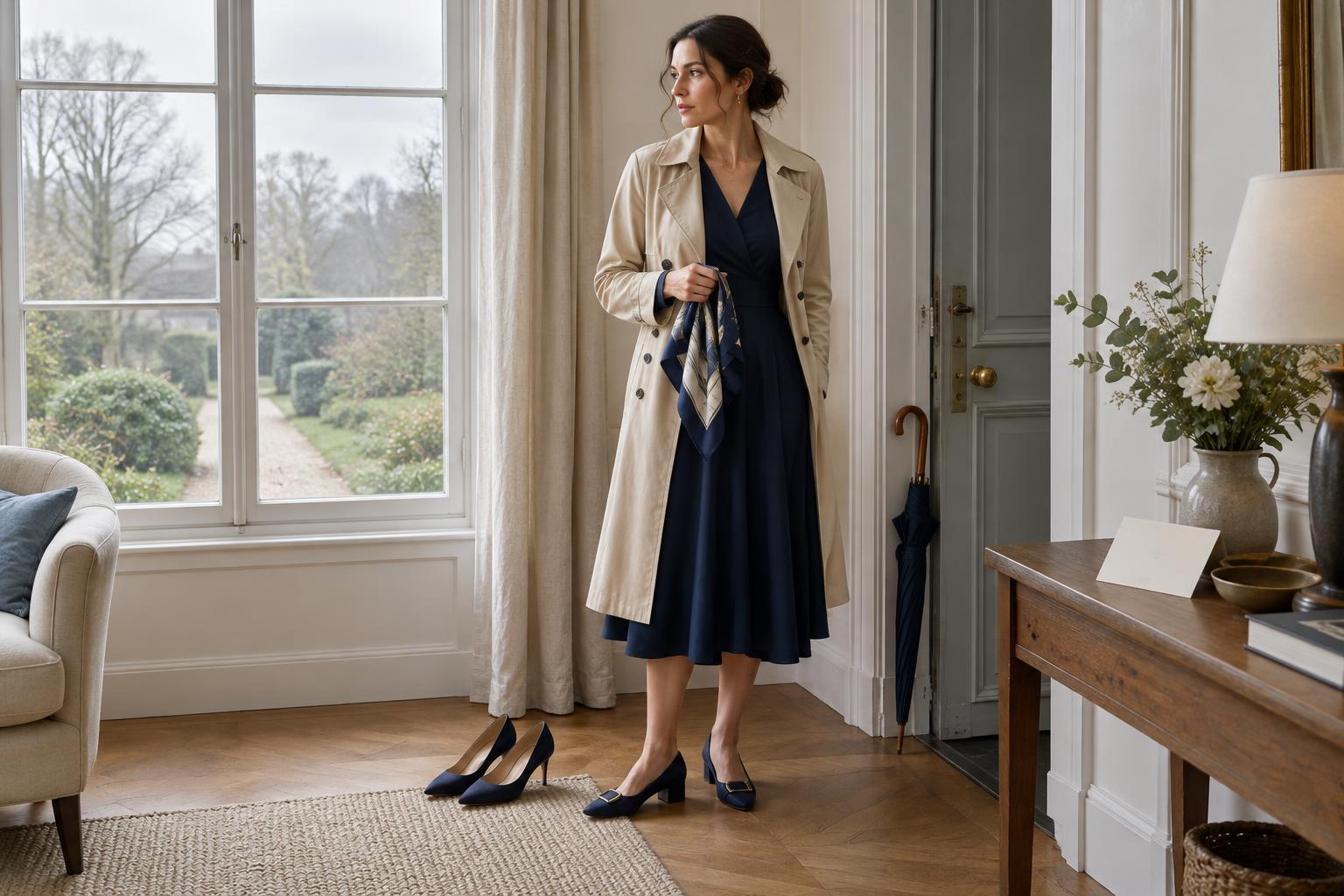
Shoes often reveal the mismatch first. A delicate heel may be lovely but difficult on grass, gravel or uneven paving. A comfortable alternative does not have to look casual: a stable heel, dressy flat or polished loafer may suit the outfit and the setting better. Try the shoes with the full ensemble, including the coat or bag you plan to carry, so you can see whether the proportions still feel balanced.
Plan for weather without letting it dictate everything
Dressing for the season is helpful, but weather can vary across a single day. An outdoor ceremony may feel cool while an indoor reception feels warm. Instead of relying on one heavy piece, consider layers you can add or remove without disrupting the outfit. A neat jacket, wrap or lightweight coat can be part of the look rather than an afterthought grabbed on the way out.
Fabric choices also make a difference. A garment that creases noticeably during travel or feels uncomfortable in heat may need more attention than the occasion allows. That does not mean avoiding delicate fabrics; it means knowing what you are willing to manage. If rain is possible, think about the hem of your trousers or dress, the shoes you will walk in and where a damp outer layer can go once you arrive. Check the forecast close to the event, then make a practical final adjustment.
Avoid dressing for just one moment of the event
It is tempting to build an outfit for the entrance or the photographs. Occasion dressing works better when it carries you through the whole plan. Ask whether you can sit comfortably, eat, move and stay at ease for several hours. A neckline that needs constant adjustment or a bag that must be held all evening can become distracting, no matter how good either looks at first.
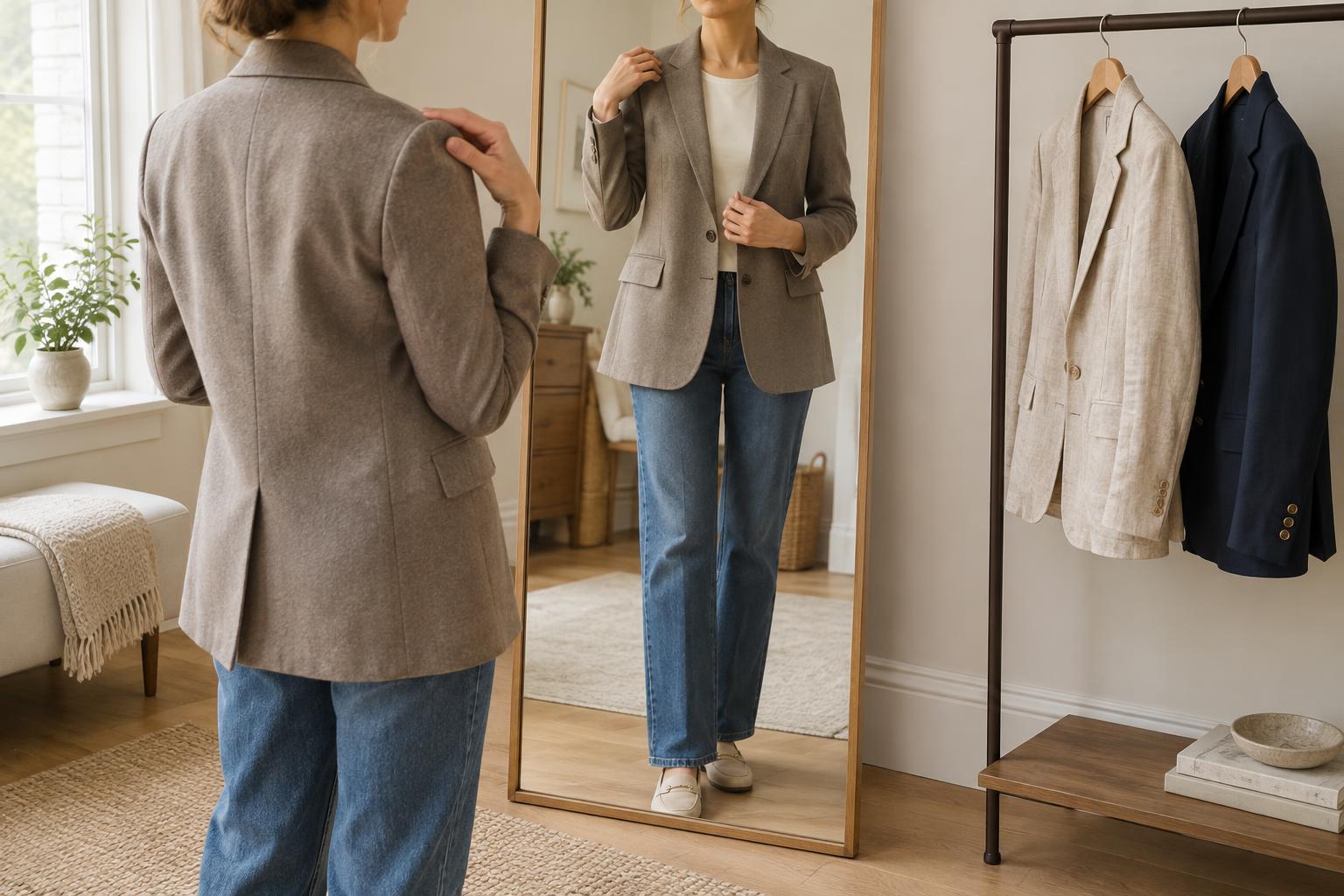
Give yourself a short wear test at home. Walk, sit and reach for your belongings while wearing the complete outfit. Check that your layers fit over one another and that you have somewhere practical for essentials. This is also a chance to notice whether an accessory feels too fussy. A silk scarf, for example, can add colour to a restrained outfit, but it should be tied in a way that stays comfortable as you move.
Make a final check that leaves room for yourself
Before you go, review the outfit against three questions: Does it respect the invitation? Does it work at the venue? Will it keep you reasonably comfortable in the expected weather? If the answer to one is no, a small change may be enough. Switching shoes, adding a layer or choosing a less delicate bag can solve a problem without starting again.
The most successful occasion outfit is not necessarily the most elaborate. It gives attention to the host’s plans while allowing you to participate without fussing over your clothes. Once the practical details are settled, a familiar colour, a favourite accessory or a silhouette you enjoy can make the look feel like your own.