Start with the venue, not a dress code
There is no single outfit that works for every trip to the theater. A grand auditorium may invite a more dressed-up look, while a small neighborhood venue can feel comfortable in smart everyday clothes. Unless the venue or event specifies a dress code, aim for an outfit that feels appropriate to the setting without treating the evening as a costume occasion.
Before choosing clothes, think through the whole visit: how you will get there, whether you will have dinner first, how long you will be seated and what you might need to carry. A beautiful outfit becomes less enjoyable if your shoes make the walk difficult or your jacket has nowhere convenient to go. A useful starting formula is one polished piece, such as tailored trousers, a fluid skirt or a well-cut jacket, paired with simpler items you already wear confidently.
For a grand auditorium or opening-night feel
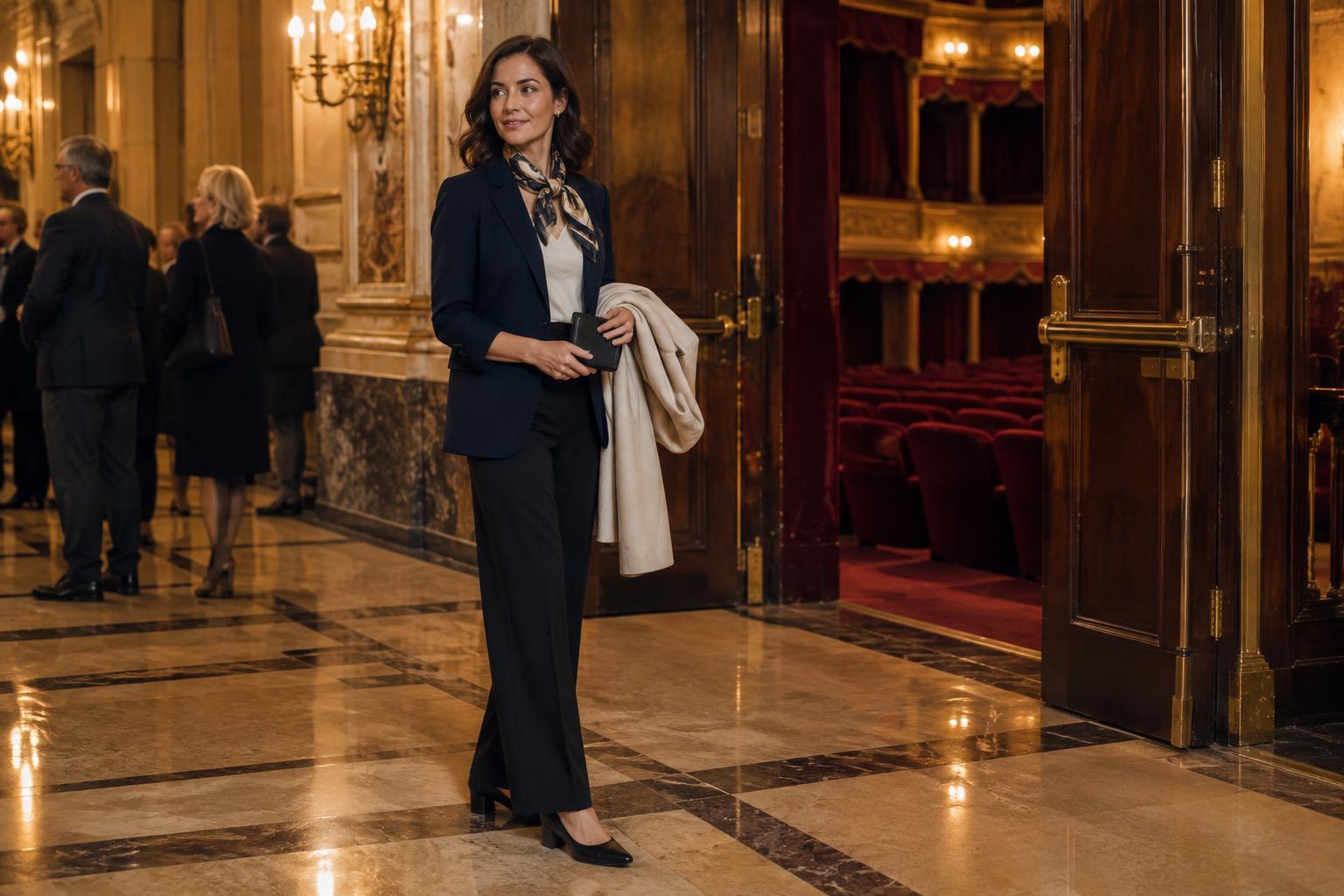
If the venue feels formal, try a dark dress with a jacket, or tailored trousers with a blouse and a blazer. A coordinated top and skirt can work just as well. These combinations look considered without depending on elaborate details, and they leave room to adjust the level of dressiness with accessories.
Choose one finishing touch rather than several competing ones: a silk scarf at the neck, sculptural earrings or a compact evening bag. If you plan to wear a scarf during the performance, tie it so it stays in place when you turn your head. Shoes with a stable sole are a practical choice even for a dressy evening; you may encounter stairs, a standing queue or a longer walk than expected.
A coat is part of the outfit on the way in and out, but it may spend the performance on your lap or under your seat. A streamlined layer that is easy to fold or carry can be more useful than a bulky one. Check whether the venue offers a cloakroom if that will affect what you bring.
For an intimate theater or casual matinee
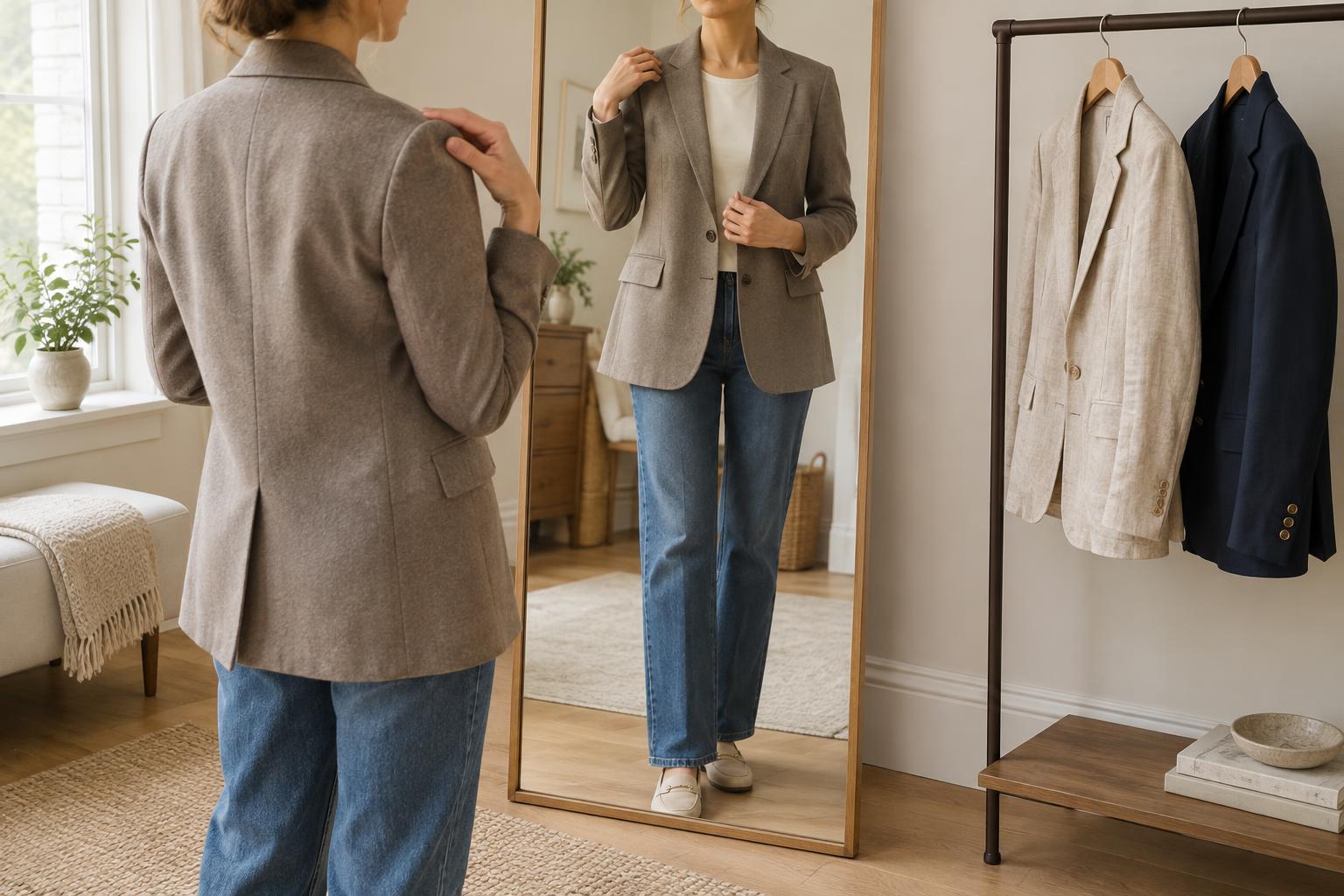
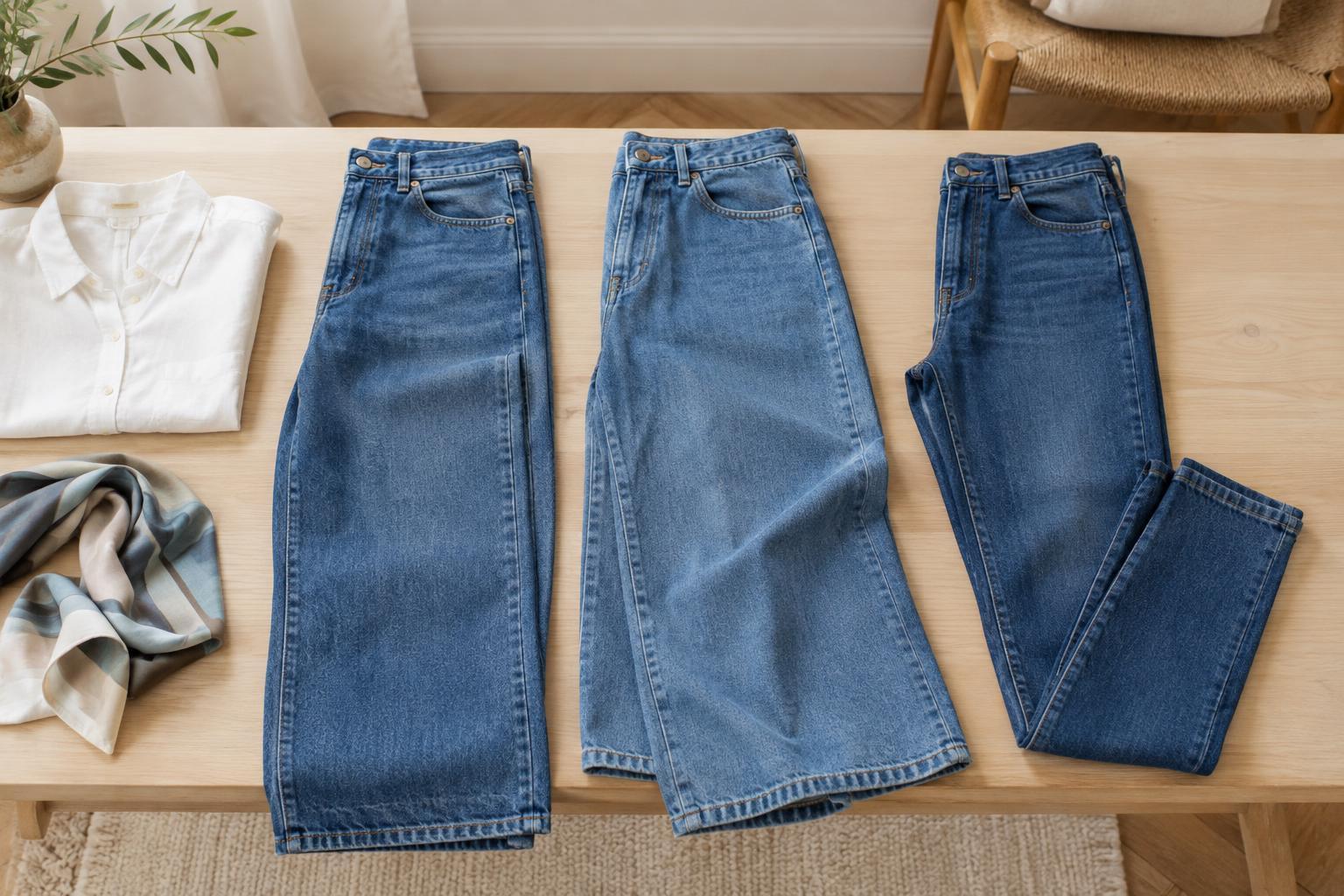
A smaller venue or daytime performance often suits relaxed polish. Straight-leg jeans without heavy distressing, a fine-knit top and a jacket make an easy combination. Alternatively, try a midi skirt with a tucked-in shirt and flat shoes. The goal is not to dress down by default, but to choose pieces that feel natural in a less formal space.
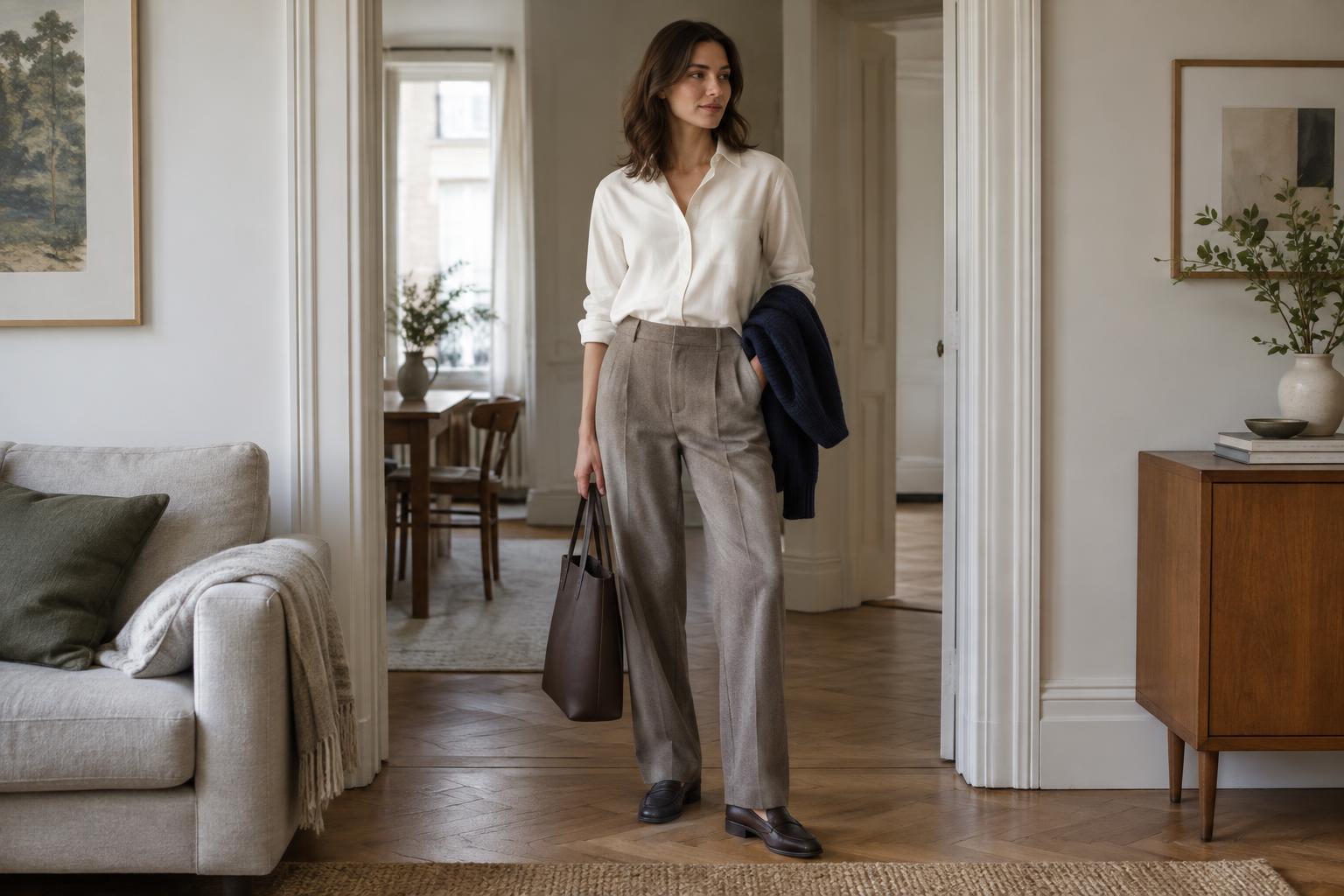
For a matinee that leads into lunch or errands, build around clothes that can move between settings. A simple dress with a cardigan, or trousers with a crisp shirt, can be refreshed by adding a scarf or changing from a roomy daytime bag to a smaller one. If you prefer a French-inspired approach, keep the base uncomplicated and let texture, fit and one accessory do the work.
Intimate venues can still vary in temperature. A removable layer is useful whether the room feels cool when you arrive or warm once it fills. Soft fabrics and a comfortable waistband also make a difference when you will be seated for a full performance.
For outdoor performances and unfamiliar spaces
An outdoor show calls for a slightly different plan. Check the expected conditions before leaving, then consider the temperature later in the performance as well as at the start. A light layer, a scarf that can double as a wrap and shoes suited to the ground are often more valuable than a particularly formal outfit. For grass or uneven paths, stable flats may be easier to manage than narrow heels.
A small crossbody bag keeps your hands free for a ticket, program or extra layer. If rain is possible, look at the venue’s guidance on umbrellas and covered seating before packing; an umbrella may obstruct someone else’s view. When attending a performance in an unfamiliar building, practical choices still apply: wear shoes you can walk in and avoid accessories that need frequent adjustment.
The final comfort check
Once you have an outfit in mind, sit down in it for a moment. Check whether the jacket pulls, the skirt rides up or the collar feels restrictive. Make sure a long scarf will not trail over a neighboring seat, and choose a bag that fits comfortably at your feet or on your lap. Quiet accessories can be considerate in a close seating arrangement; stacked bangles or noisy hardware may be distracting during a performance.
The most reliable theater outfit is one you can largely forget about once the lights go down. Dress for the venue’s atmosphere, prepare for the journey and give yourself enough comfort to focus on what is happening onstage. Polish can come from good proportions and a thoughtful finishing touch, not from wearing the most formal thing you own.