Read the invitation for clues
When an invitation says nothing about dress, start with the information it does give you. A dinner in someone’s home calls for different practical choices than a celebration in a restaurant or an afternoon gathering outdoors. Consider the venue, the time of day, the weather and what you will be doing. If you may walk between locations or stand for a long time, shoes deserve as much thought as the rest of the outfit.
The occasion also provides a useful clue. A birthday lunch may allow more ease than a ceremony followed by dinner, even if neither invitation specifies an outfit. You do not need to solve for one perfect level of formality. Instead, aim for a look that acknowledges the gathering without making you feel costumed. If an obvious detail matters, such as whether the event is outside, it is reasonable to ask the host a simple practical question.
Start with a flexible base
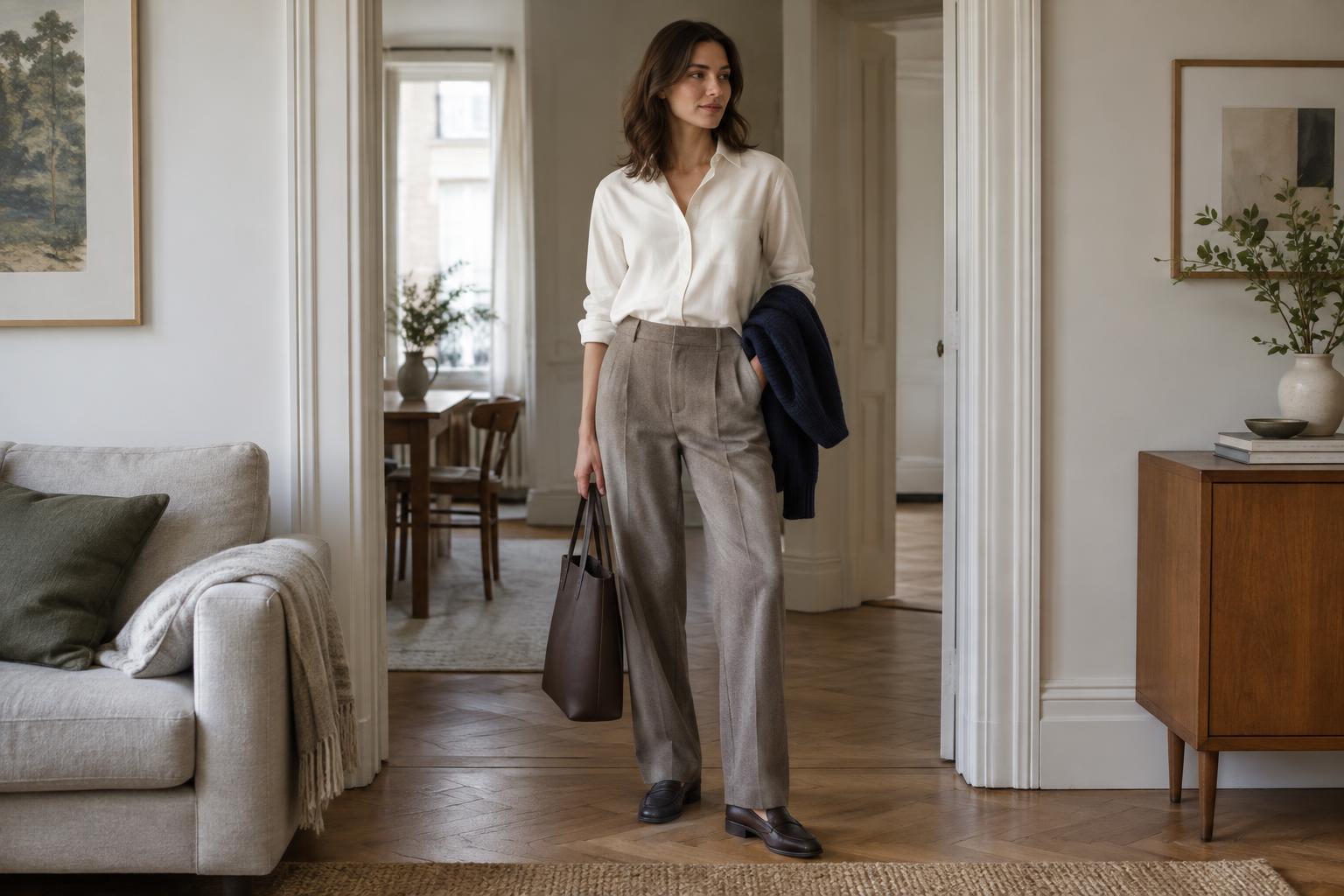
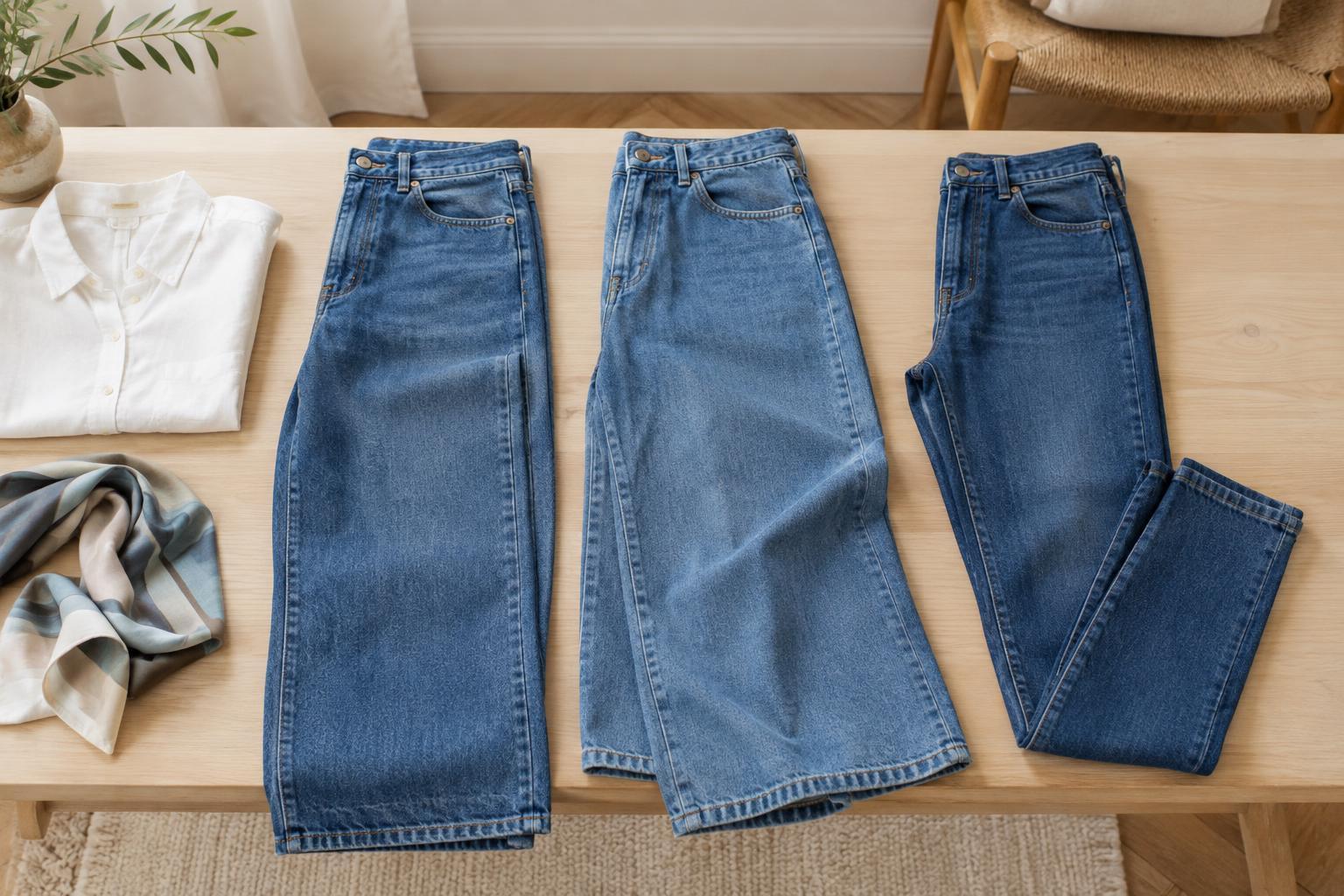
A reliable approach is to begin somewhere between everyday casual and formalwear. Well-fitting trousers with a shirt or fine knit, a simple dress with a layer, or a skirt with an unfussy top can each serve as a starting point. Choose pieces you can sit, move and eat in comfortably. An outfit that needs constant adjustment is unlikely to feel more polished as the event goes on.
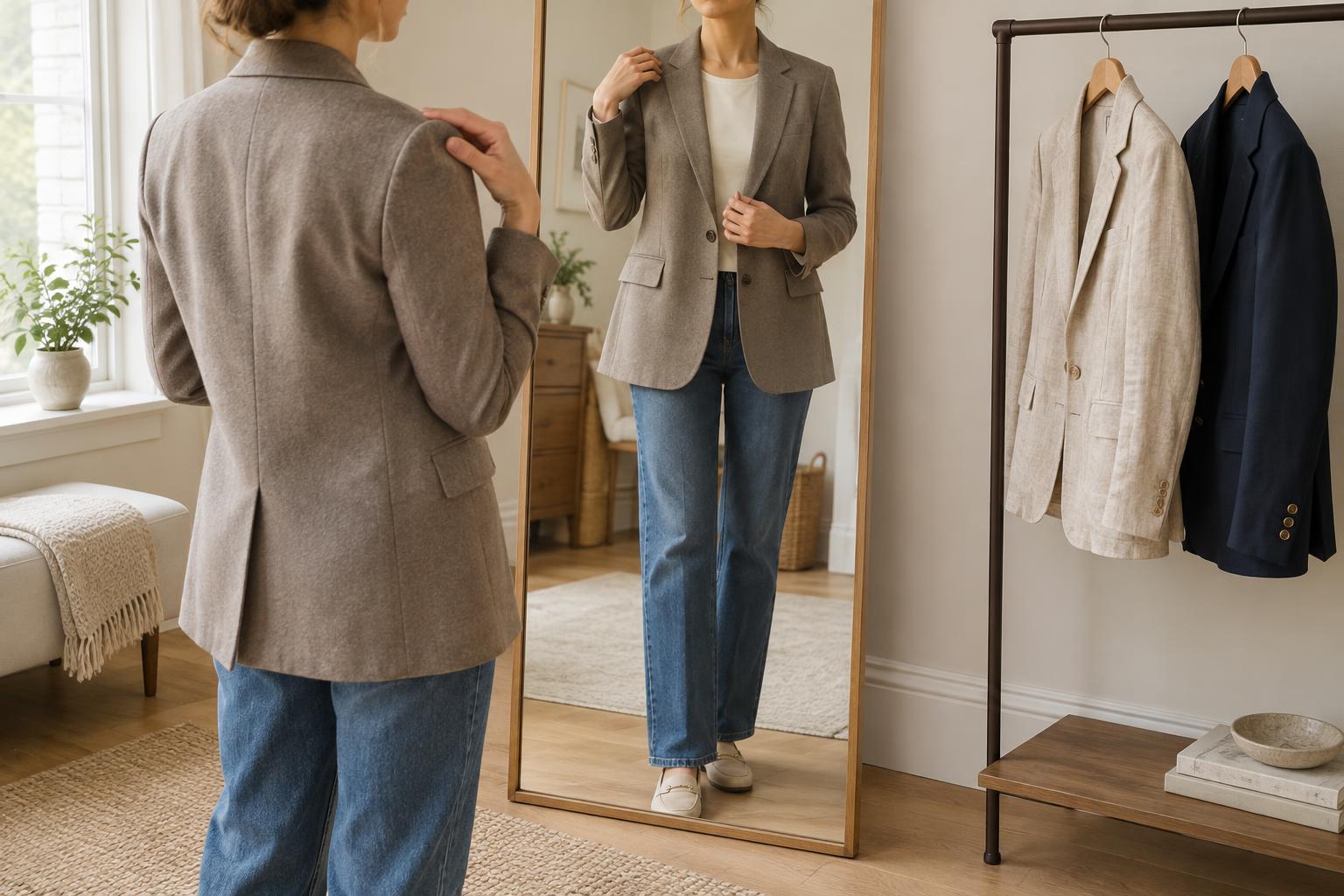
Pay attention to the whole silhouette rather than treating each garment as a separate decision. If the trousers are relaxed, a more structured jacket can add definition. If the dress is tailored, softer shoes or a less formal bag can keep it from feeling too severe. This kind of balance lends itself to a French-inspired approach: make a few considered choices and let them work together, rather than adding every dressy item you own.
Use details to adjust the formality
Once the base outfit feels right, change one or two details to suit the setting. Leather shoes may make familiar trousers feel ready for dinner; clean, simple flats can make a dress feel appropriate for daytime. A jacket adds structure, while a cardigan can soften the same combination. Fabric matters too: a crisp cotton shirt, a smooth knit or a neatly pressed pair of trousers often reads more intentional than an outfit that is technically dressy but rumpled.
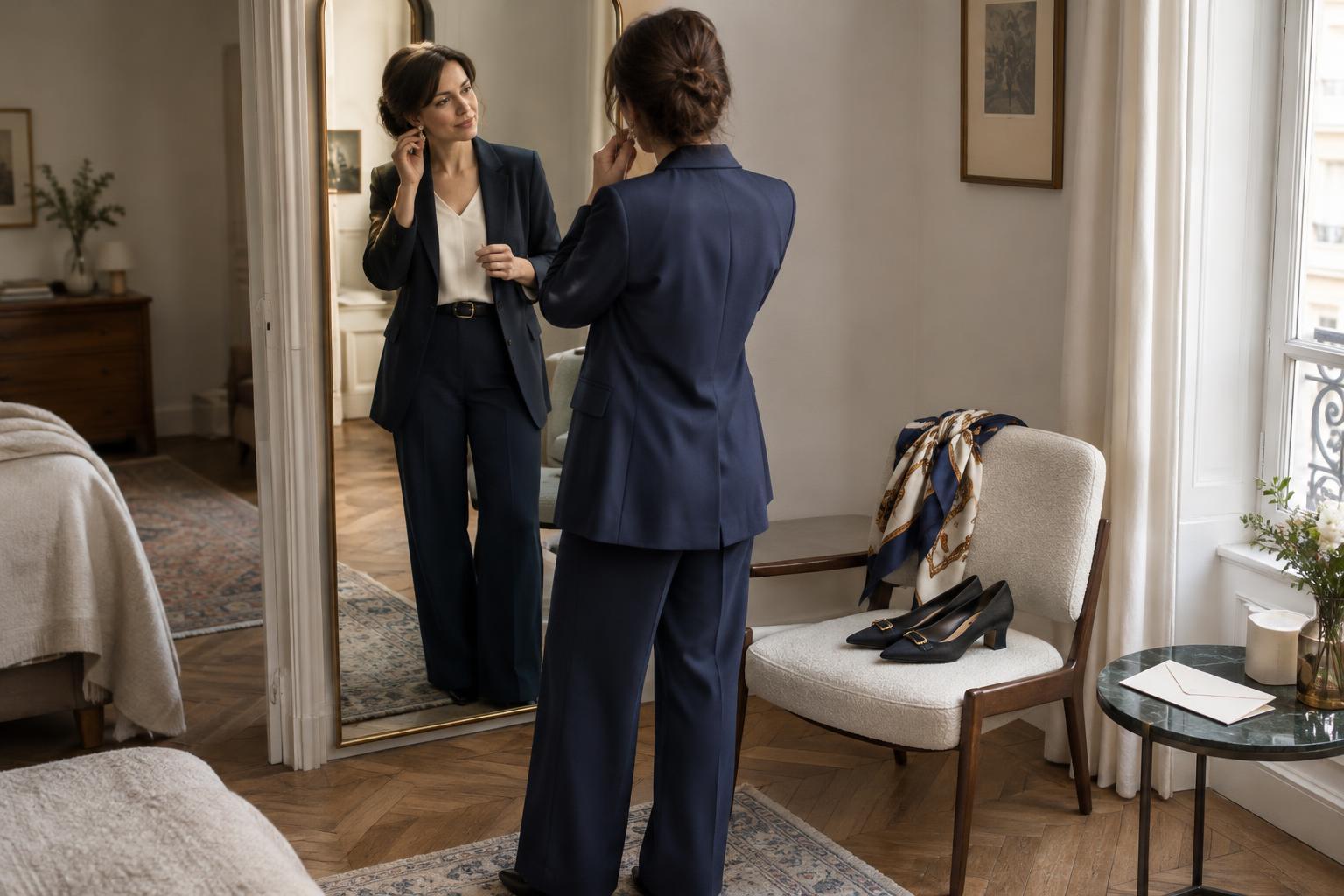
Accessories are especially useful when the dress code is unclear because they are easy to adjust. A silk scarf can add color near the face or give a plain outfit a focal point. A small bag or understated jewelry can do similar work. You do not need all three. If you are unsure, bring a removable layer or tuck a scarf into your bag; either gives you an option without requiring a complete change.
Match your choices to the gathering
For a casual dinner at a friend’s home, consider dark trousers or a comfortable skirt with a knit, then add shoes that feel a step above your weekday pair. For an afternoon celebration at a café or restaurant, a simple dress or coordinated separates can feel festive without becoming elaborate. If the gathering is outdoors, let the ground and temperature guide you: a secure shoe and a layer you can carry may be more useful than a delicate accessory.
For an event that could be more formal, such as a milestone celebration at an unfamiliar venue, lean slightly more polished while keeping the outfit adaptable. A jacket over a simple base, or a refined shoe with a dress you already wear confidently, offers room to fit in without guessing at a strict code. You can take off a jacket or change how you wear a scarf; it is harder to make an uncomfortable outfit feel natural.
Make a final check before you go
Try the complete outfit on before the event, including your coat and bag. Walk around, sit down and check whether anything pulls, slips or needs special attention. Look at the practical details: are the shoes suitable for the route, and will you be comfortable if the room is warmer or cooler than expected? A quick check of hems, buttons and wrinkles can do more for an outfit than a last-minute purchase.
If you are still uncertain, choose the combination that feels most like you at your slightly more dressed-up best. An unspecified dress code is not a test of whether you guessed the host’s outfit. It is an invitation to show up thoughtfully, ready to take part in the occasion.