Begin with your week, not a shopping list
The most useful wardrobe is not necessarily the smallest one. It is the one that helps you get dressed for your actual days without much friction. Before deciding what to keep or buy, think through an ordinary week: where you go, how you travel, how long you spend sitting or walking, and whether you need to change clothes between activities. A wardrobe built for an imagined lifestyle can look appealing on a hanger while leaving you short of clothes for a normal Tuesday.
Write down the situations you dress for most often, such as working from home, commuting, errands, casual meals or time outdoors. Then note what each situation demands. You might need washable layers, shoes comfortable enough for a long walk, or clothes that feel appropriate in both a meeting and a café. Include weather and laundry habits. If you wash clothes once a week, a plan that depends on wearing the same shirt every other day may not be practical.
Find the pieces already doing the work
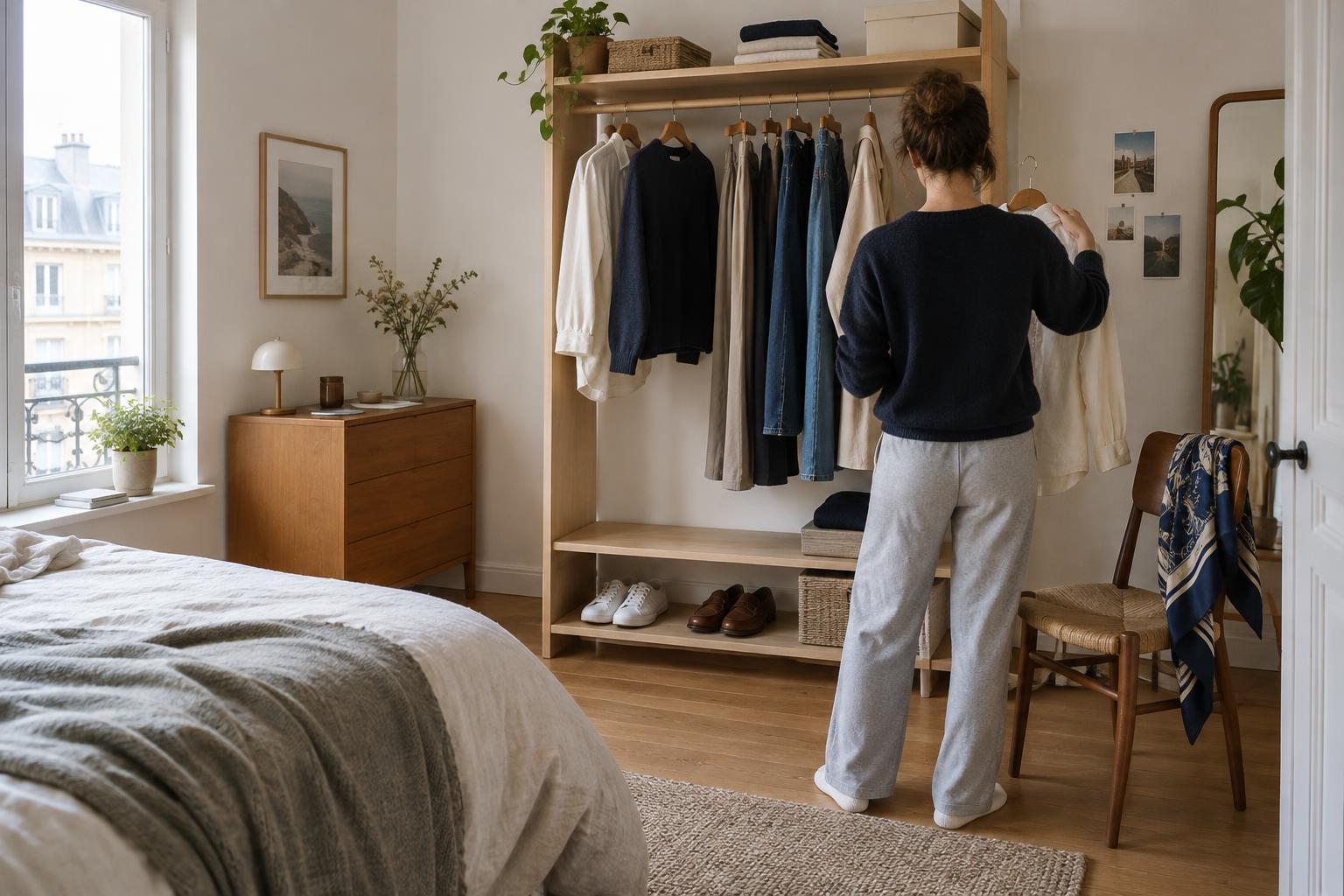
Look at what you have worn recently rather than judging your wardrobe only by what you like in theory. Which trousers do you reach for when you are in a hurry? Which top feels comfortable all day? Which jacket works over several outfits? These frequently worn pieces offer clues about your preferred fit, fabric, colour and level of formality. They are a better starting point than a universal list of supposed essentials.
Set aside items that almost work and identify the obstacle. A skirt may be useful but need a top that balances its shape. A beautiful blouse may need gentler care than your routine allows. Other pieces may simply belong to occasional dressing rather than your everyday wardrobe. You do not have to discard them to recognize the difference. The goal is to understand what earns its place in regular rotation.
Build outfits before adding items
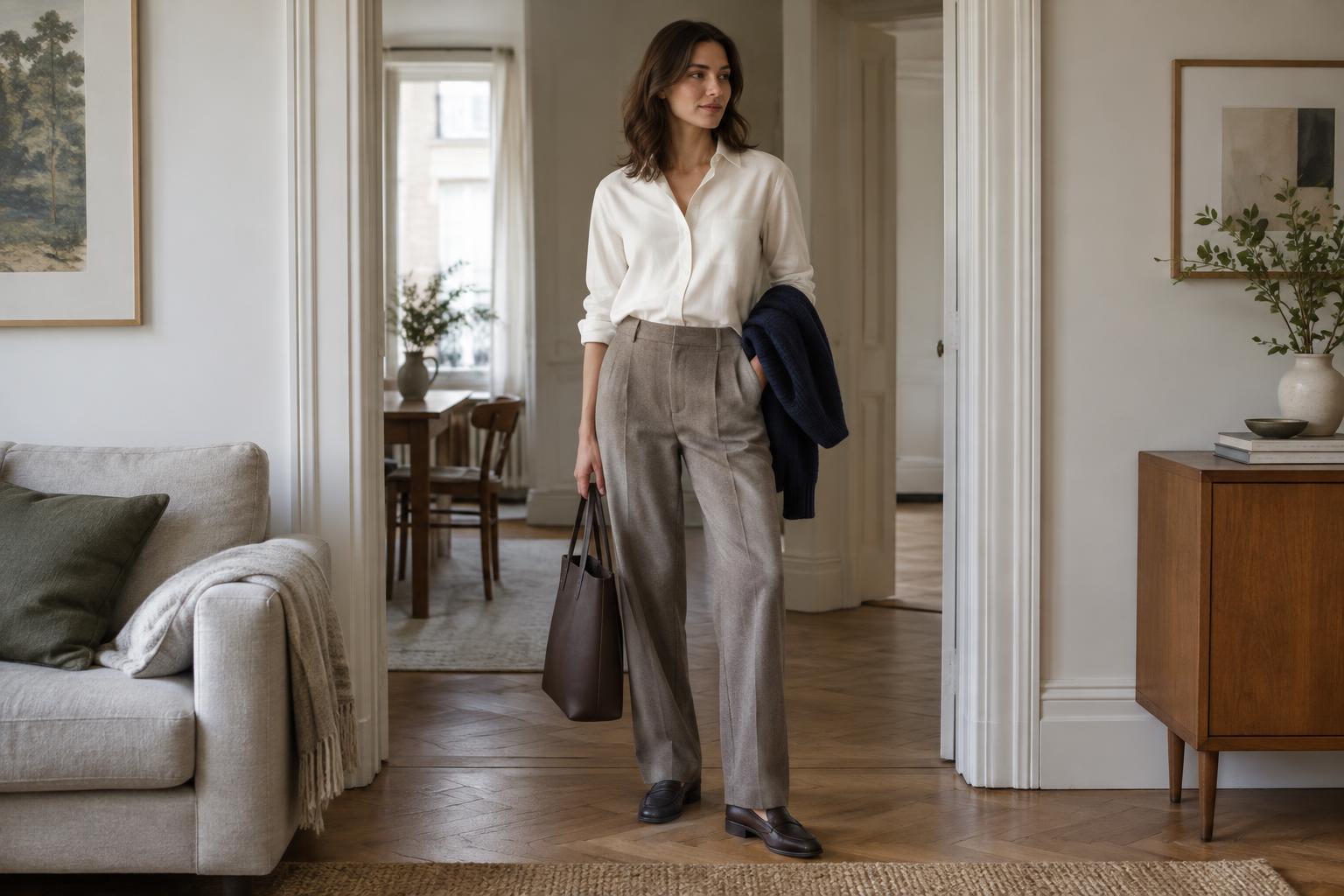
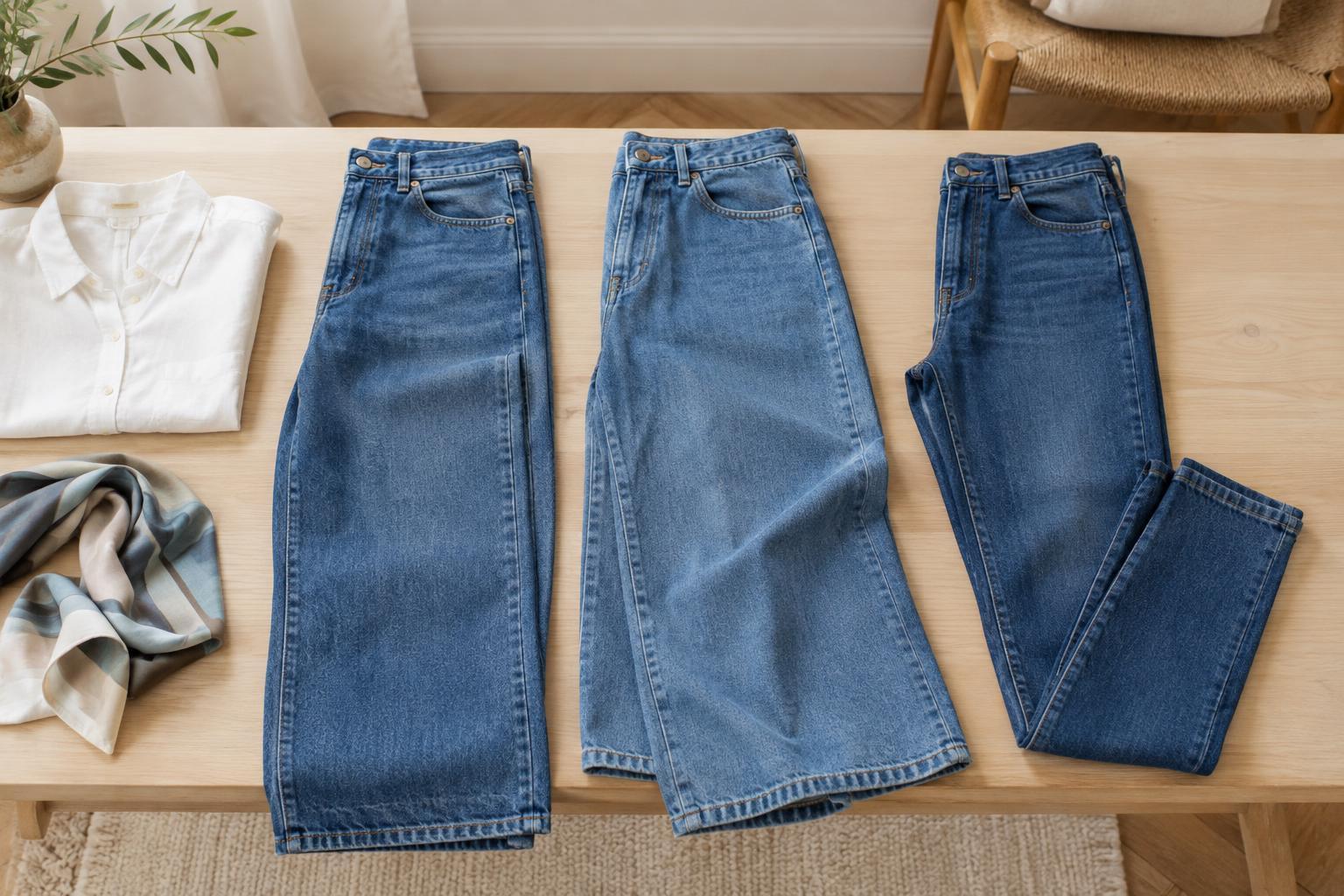
Choose a few dependable outfit combinations for your most common activities. For example, straight-leg trousers, a comfortable knit and a jacket might cover workdays and relaxed dinners with a change of shoes. Jeans, a shirt and a lightweight layer might handle errands and weekends. Thinking in complete outfits reveals gaps more clearly than counting garments. If three favourite tops only work with one pair of trousers, the useful addition may be another bottom, not another top.
A limited colour range can make combinations easier, but it need not mean dressing entirely in neutrals. Start with colours you enjoy wearing near your face and a few base shades that work together. A scarf, belt or pair of earrings can change the mood of a familiar outfit without requiring a separate set of clothes. This kind of considered repetition has a French-inspired ease: the interest comes from proportion, texture and small choices rather than constant novelty.
Choose versatility that suits your life
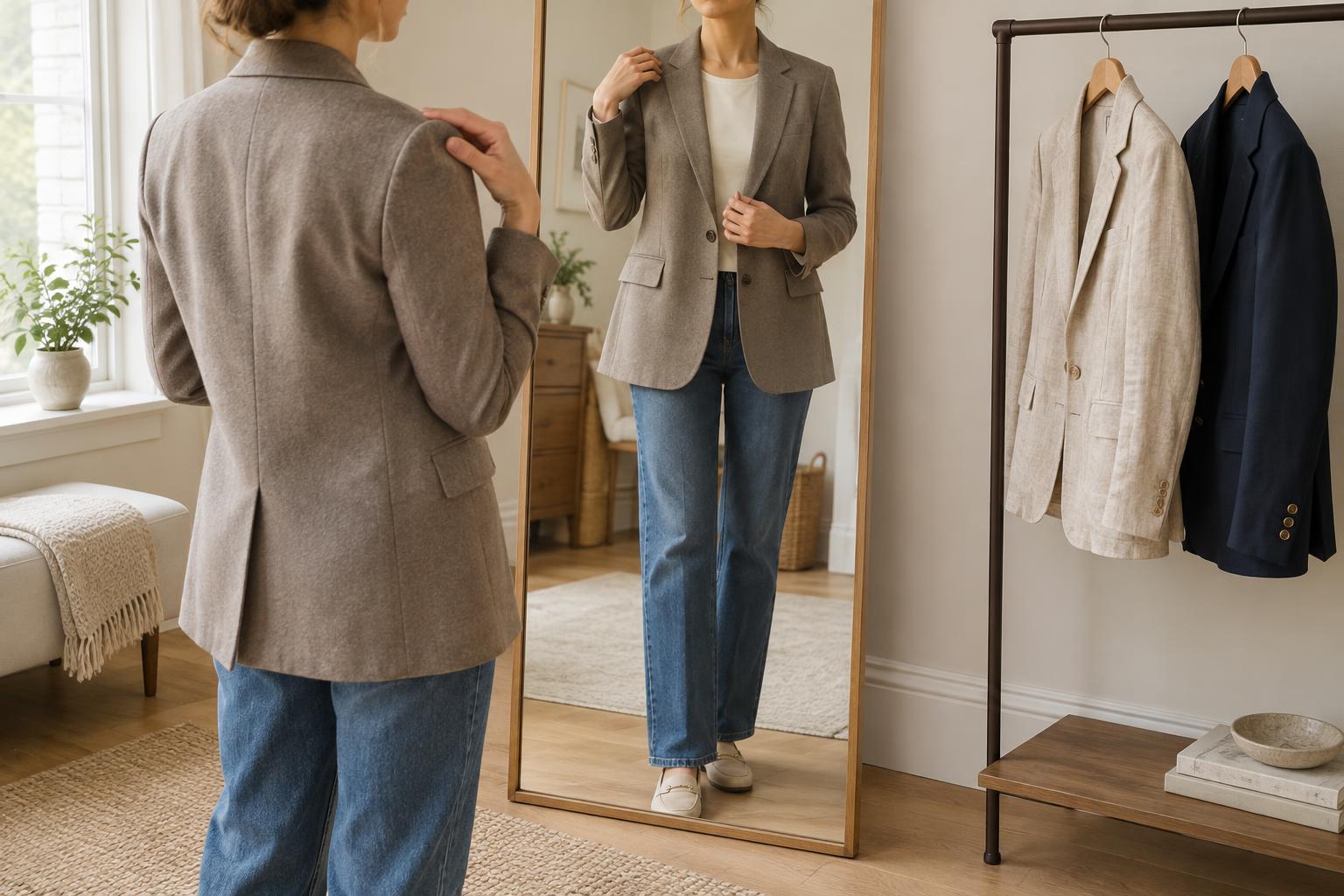
A versatile piece should serve more than one real purpose, not merely look adaptable in a photograph. Before buying something, picture at least a couple of outfits you could make with clothes you already own. Check whether the fit lets you move, sit and layer comfortably. Notice details that affect wear: a waistband that stays comfortable, pockets you will use, a hem that works with your usual shoes, or a fabric that does not demand more maintenance than you can give it.
Balance is useful, but perfect interchangeability is not required. You may need sturdy walking shoes even if they do not suit a dressier outfit. You may also want one polished layer for appointments or meals out. Let the frequency of an activity guide how much wardrobe space it receives. Pieces for rare occasions can remain separate from the everyday core, so they do not distort your decisions about what you wear most.
Test, adjust and care for what you wear
Try living with a small group of everyday outfits for a while before making major changes. Notice when you repeat an outfit happily and when you avoid it. Is the problem the colour combination, the temperature, the fit or the care involved? A minor adjustment, such as changing a shoe or adding a layer, may solve more than a new purchase. Keep a short list of genuine gaps so that an appealing item does not become an accidental substitute for what you need.
Finally, make upkeep part of the plan. Read care labels, allow garments to air when appropriate, and address loose buttons or worn hems before they keep a favourite piece out of rotation. A small wardrobe asks more of each item, so comfort and manageable care matter as much as appearance. Over time, the aim is not to reach a fixed number of garments. It is to have enough useful choices for your routine, with less uncertainty each morning.