Start with the clothes you already wear
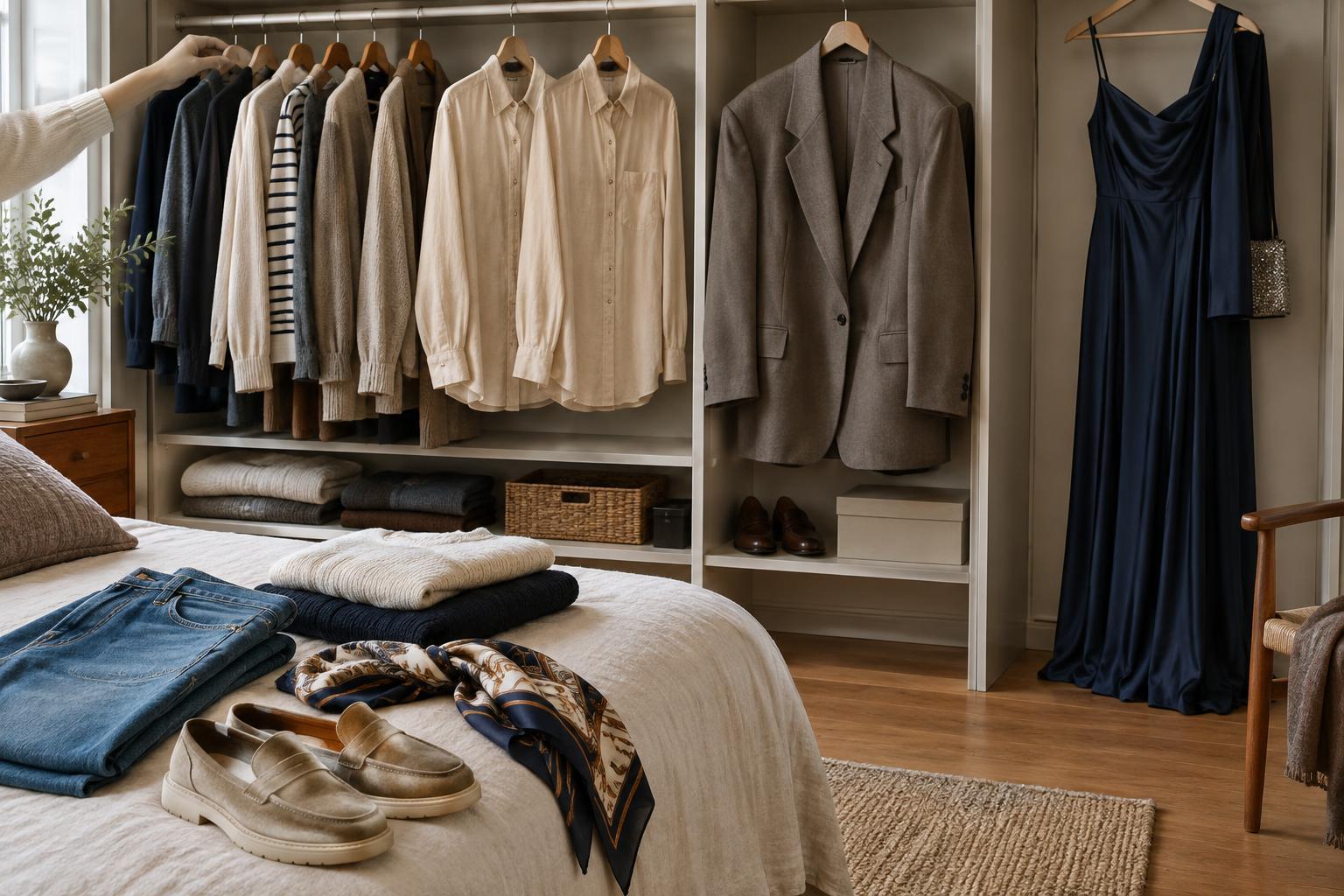
The most versatile ankle boots are not necessarily the plainest pair in the shop. They are the pair that works with the clothes you reach for most often. Before choosing a style, picture three or four familiar outfits: perhaps straight-leg jeans and a knit, tailored trousers and a shirt, or a midi skirt and a coat. If the boots look at home with all of them, they are more likely to earn regular wear.
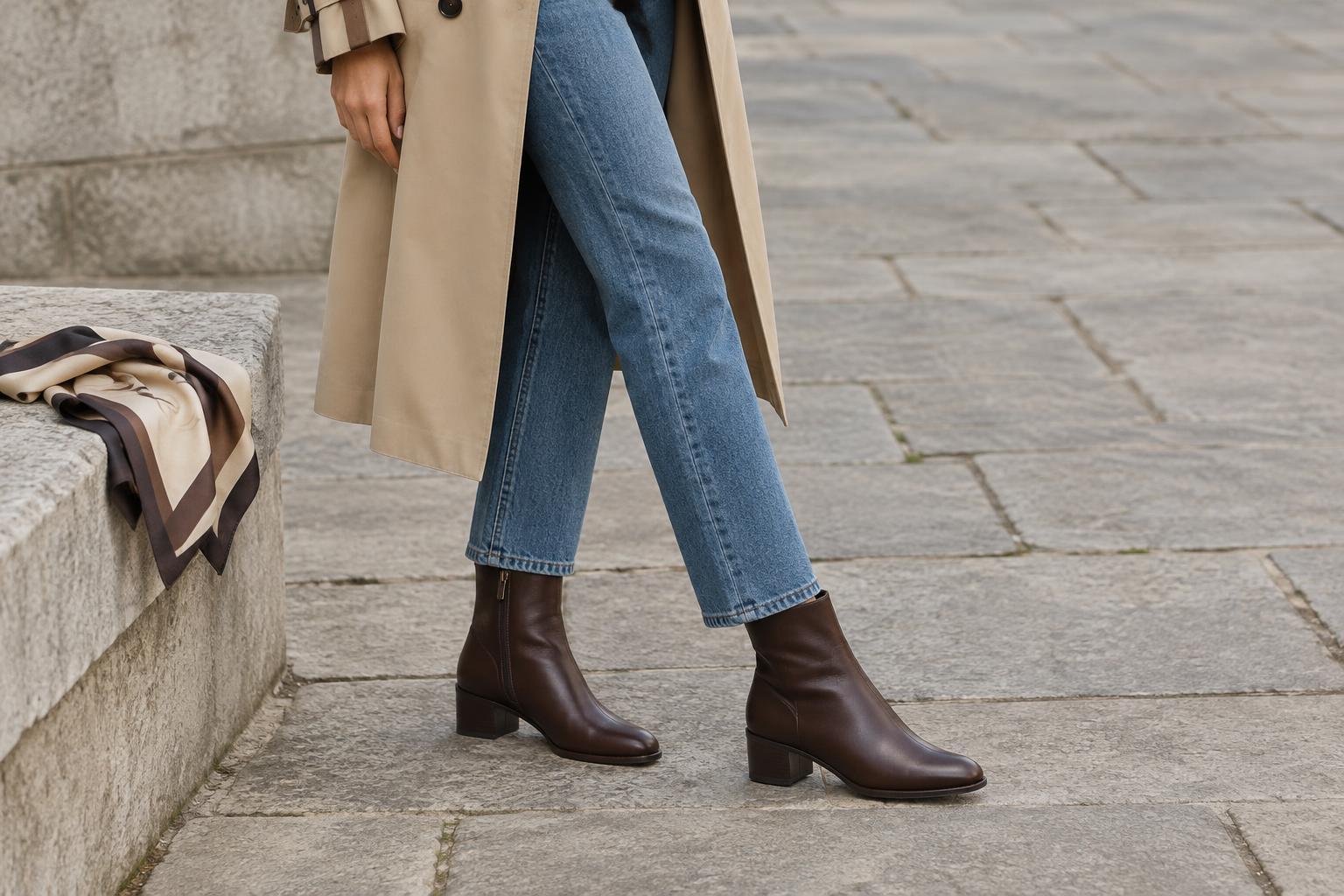
Colour is a useful starting point. Black can create a continuous line with dark trousers or tights, while deep brown often sits comfortably beside denim, cream and warmer neutrals. Neither is universally more versatile. Look at the colours of your bags, belts and outerwear, but do not feel that every accessory must match exactly. A restrained boot can bring an outfit together even when its colour is not repeated elsewhere.
Pay attention to shaft height and shape
An ankle boot changes the outline of an outfit at the point where the leg meets the shoe. A close-fitting shaft can slip beneath some trouser hems and give skirts a neat finish. A wider shaft may offer more room for thicker socks or make a deliberate contrast with a slim trouser, but it can also bunch under a narrow hem. If you wear several trouser shapes, try the boots with more than one pair before deciding.
The top of the boot matters as much as its height. Notice whether it rubs your ankle when you walk and whether it catches on the hem of your trousers. With skirts and dresses, look at the gap between the boot and the hem rather than judging the boot in isolation. Small changes in sock or tights colour can make that transition feel softer or more defined.
Choose a toe and heel you can live with
A softly rounded or almond-shaped toe can move easily between casual and polished outfits. A sharper toe may give wide trousers or a simple dress a more deliberate finish, provided it leaves enough room for your feet. Toe shape is partly a styling choice, but comfort should settle the decision: your toes should not need to curl or press together to fit.
For a pair intended for frequent wear, think about the heel on the journeys you actually make. A low block heel can add a little height while providing a broad base; a flat boot may be preferable if you spend long periods on your feet. In either case, walk on a firm surface and check that the boot does not slip at the heel or force your foot forward. The right heel is the one that lets you move naturally, not merely stand comfortably for a moment.
Inspect the sole, closure and material
Turn the boot over. A sole with some grip is worth considering if you regularly walk on wet or smooth pavements, while an extremely stiff sole may feel awkward until it flexes with your stride. Check that the boot feels stable when you turn a corner and that the sole suits the surfaces you encounter. Weather resistance varies by material and construction, so do not assume an ankle boot will keep out rain simply because it looks substantial.
Try the fastening, too. A side zip can make a close-fitting boot easier to put on, but it should run smoothly and sit flat. Pull-on styles need enough opening to get your foot in without a struggle. Leather and suede offer different textures and care needs; either can be useful if you are willing to maintain it. Smooth leather is often easier to wipe clean, while suede generally calls for more attention to marks and moisture. A soft lining, tidy seams and a footbed that feels supportive to you are practical details worth checking.
Test versatility before you commit
When trying on boots, wear the socks you expect to use with them. Stand, walk, sit and climb a step if possible. Then consider how they look with trouser hems at different lengths. A boot that works only when one pair of jeans is cuffed just so may still be a lovely choice, but it is less likely to be your everyday pair.
Once you find a pair, keep its care routine simple and consistent. Let damp boots dry away from direct heat, brush off surface dirt and use care products appropriate to the material. If the soles or heels begin to wear unevenly, dealing with that early may help you get more use from them. Versatility is not only about how many outfits a boot completes; it is also about whether its fit, construction and upkeep suit your everyday life.