Start with the shape of the outfit
Tucking is less a rule than a way to adjust proportion. A tuck can reveal a waistband, define the middle of an outfit or keep a loose top from overwhelming a narrower bottom. Leaving a top untucked can create a longer, softer line. None of the three choices is automatically more polished; the best one depends on the clothes and the look you want.
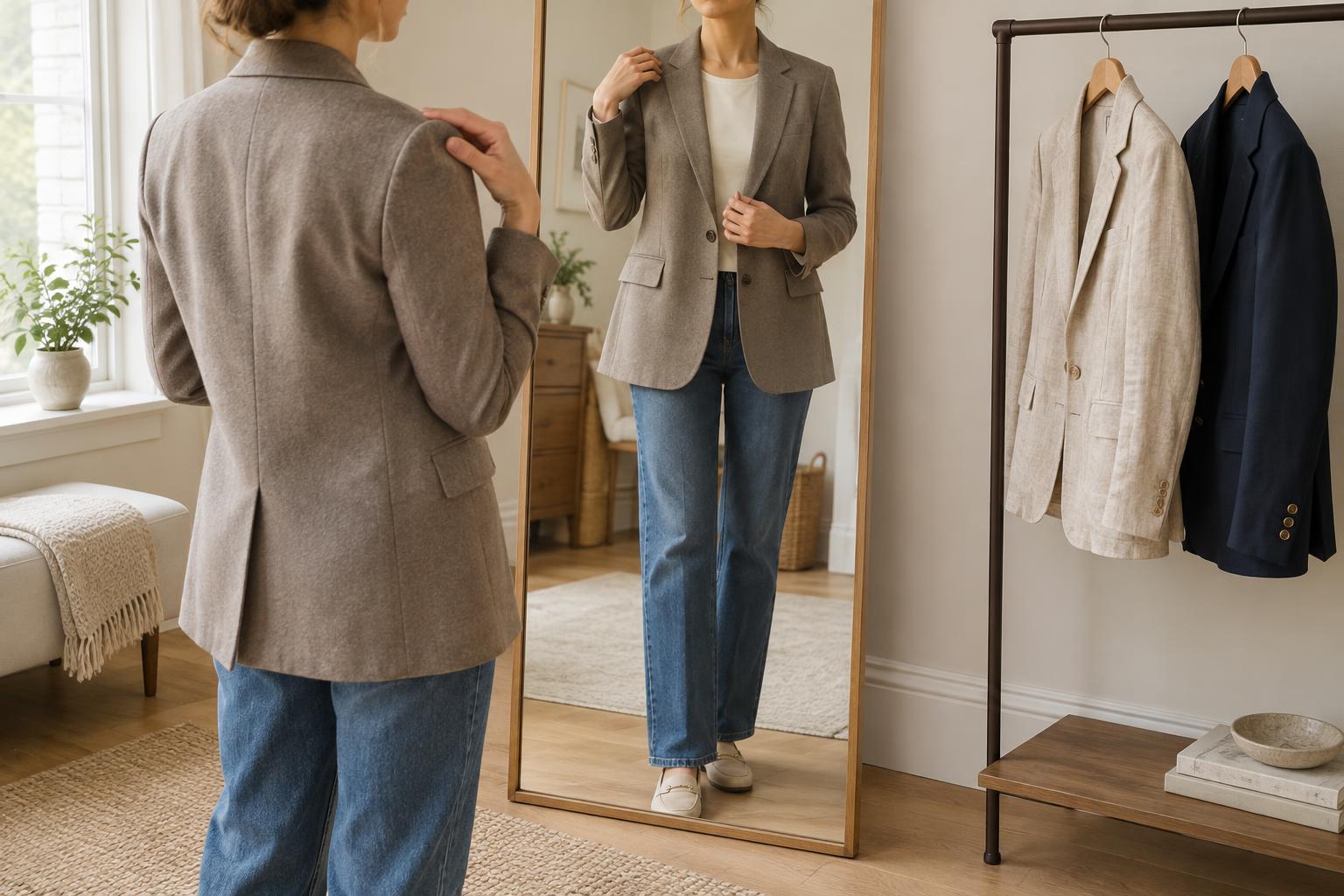
Before deciding, stand in front of a mirror with your outer layers and shoes on. Notice where the top ends, where the trousers or skirt sit, and whether the outfit feels balanced from head to toe. An easy, French-inspired approach is to change one detail at a time rather than trying to make every piece look carefully arranged.
The half-tuck: relaxed definition
A half-tuck places a small section of the front hem inside the waistband while leaving the sides and back loose. It works particularly well when a shirt or lightweight knit has enough drape to fall naturally but enough length to hide the waist entirely when worn loose. The visible waistband gives the outfit a little structure without making the top look fitted.
Try it with a button-down shirt and straight-leg jeans, or a fine-gauge sweater and relaxed trousers. Tuck only a hand-width of fabric near the front center, then let the rest settle. If the top bunches around the waist or the untucked portion falls unevenly, use less fabric or choose another option. A half-tuck tends to be less effective with very stiff shirts or thick sweaters, which may form a bulky fold.
The full tuck: a clear waistline
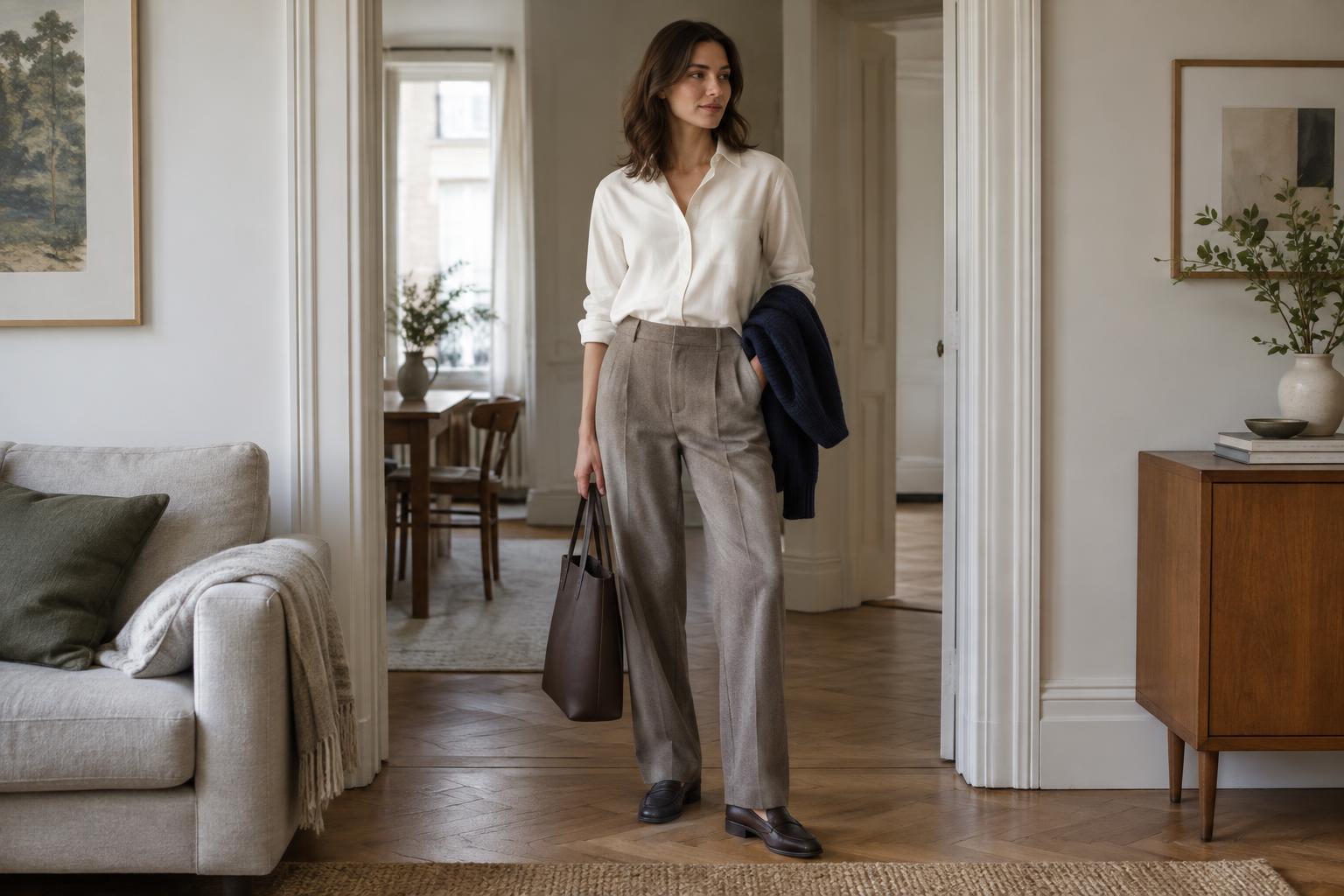
A full tuck brings the entire hem inside the waistband. It is useful when you want to show the shape of high-waisted trousers or a skirt, give a roomy shirt a defined waist, or keep a top neatly in place under a jacket. A tucked tee with wide-leg trousers, for example, makes the waistband visible and lets the volume of the trousers become the main feature.
Comfort matters as much as appearance. Smooth the fabric down before fastening the waistband, then raise your arms and sit down to see how the tuck behaves. You can pull a little fabric back out to soften the line instead of keeping it perfectly flat. If a top repeatedly escapes or creates bulk, it may be too short, too heavy or too loose for that particular waistband. A belt can add definition, but it is optional.
No tuck: an intentional long line
Leaving a top untucked works when its hem falls at a pleasing point and the silhouette still feels clear. A shorter, boxy shirt can sit neatly over high-waisted trousers; a fluid blouse can skim a straight skirt; a longer knit can balance slim trousers. This choice can also be more comfortable when a waistband is snug or when you prefer not to draw attention to the waist.
The key is to look at the hem rather than treating no tuck as the absence of styling. A top that ends at the widest part of a loose bottom may make both pieces appear shapeless, while one that ends a little higher or lower may give the outfit more direction. Rolling a sleeve, opening the top button of a shirt or adding a simple necklace can introduce definition without changing the hem.
Choose by fabric, layers and the day ahead
Lightweight cotton, silk and fine knits are often easier to tuck than chunky or structured fabrics. With delicate material, avoid forcing too much fabric into a tight waistband; a gentle half-tuck or no tuck may preserve its drape. Check the result after putting on a blazer, cardigan or coat, since an outer layer can change how much of the waist is visible.
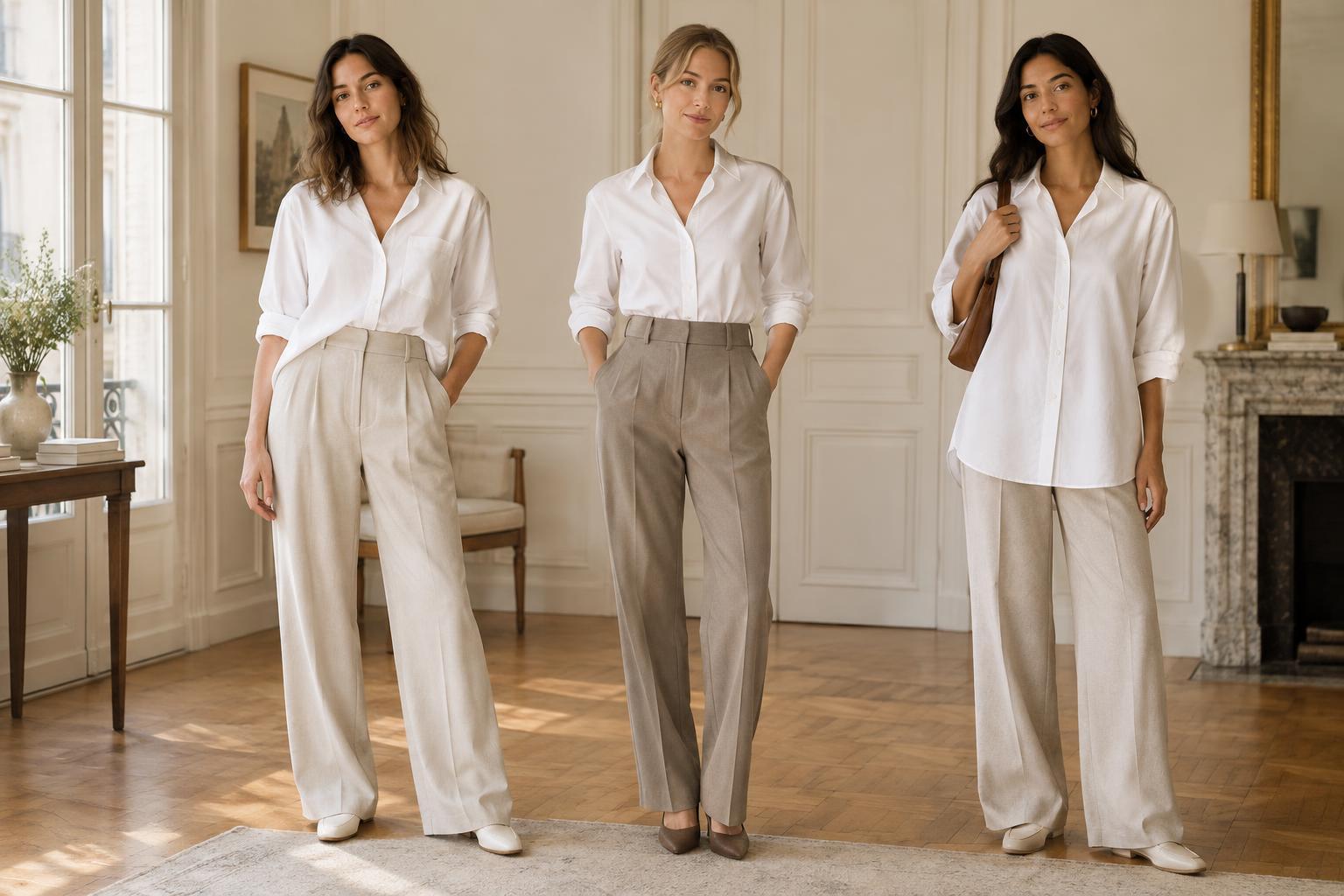
Let the occasion guide the final adjustment. A full tuck can give a shirt-and-trouser combination a crisp finish, while a half-tuck may make the same pieces feel more casual. No tuck may be the simplest choice for a day of movement. If you are unsure, try all three, take a step back and keep the version that feels comfortable and suits the proportions of the whole outfit.