Start with the invitation, not the outfit
Dress codes are guides to the level of polish an event calls for, not rigid lists of approved garments. The same word may be interpreted differently at a garden party, a restaurant dinner or an evening celebration. Before choosing clothes, note the venue, time, weather and activities. Will you stand for hours, walk outdoors or sit down to a meal? Those details can be as useful as the dress code itself.
If an invitation gives a specific request, such as a color theme or a note about footwear, treat it as more useful than a general rule. When the wording remains unclear, it is reasonable to ask the host or organizer a short question. Otherwise, choose a neat, comfortable outfit and adjust its formality through fabric, shoes and accessories.
Casual: relaxed, but considered
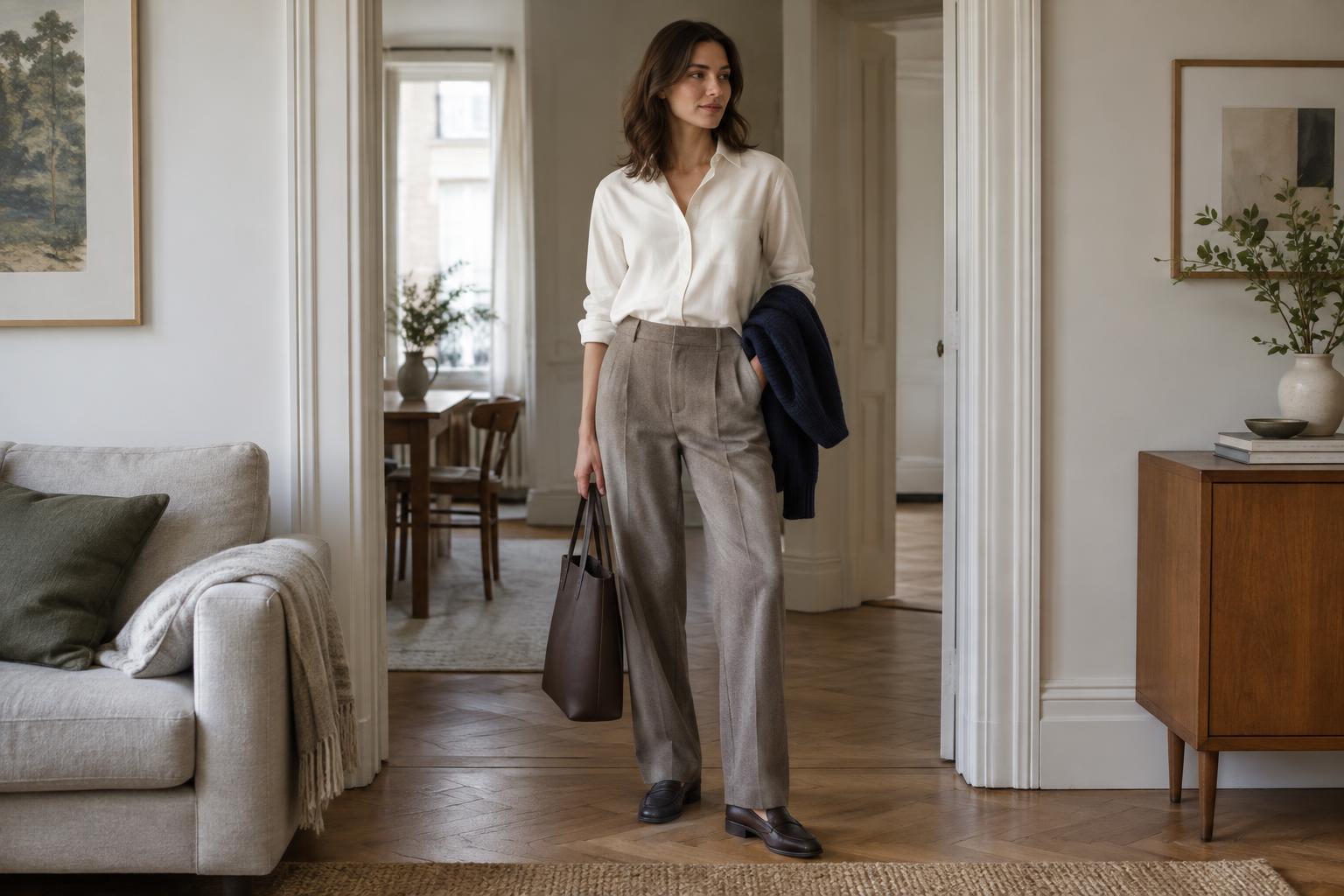
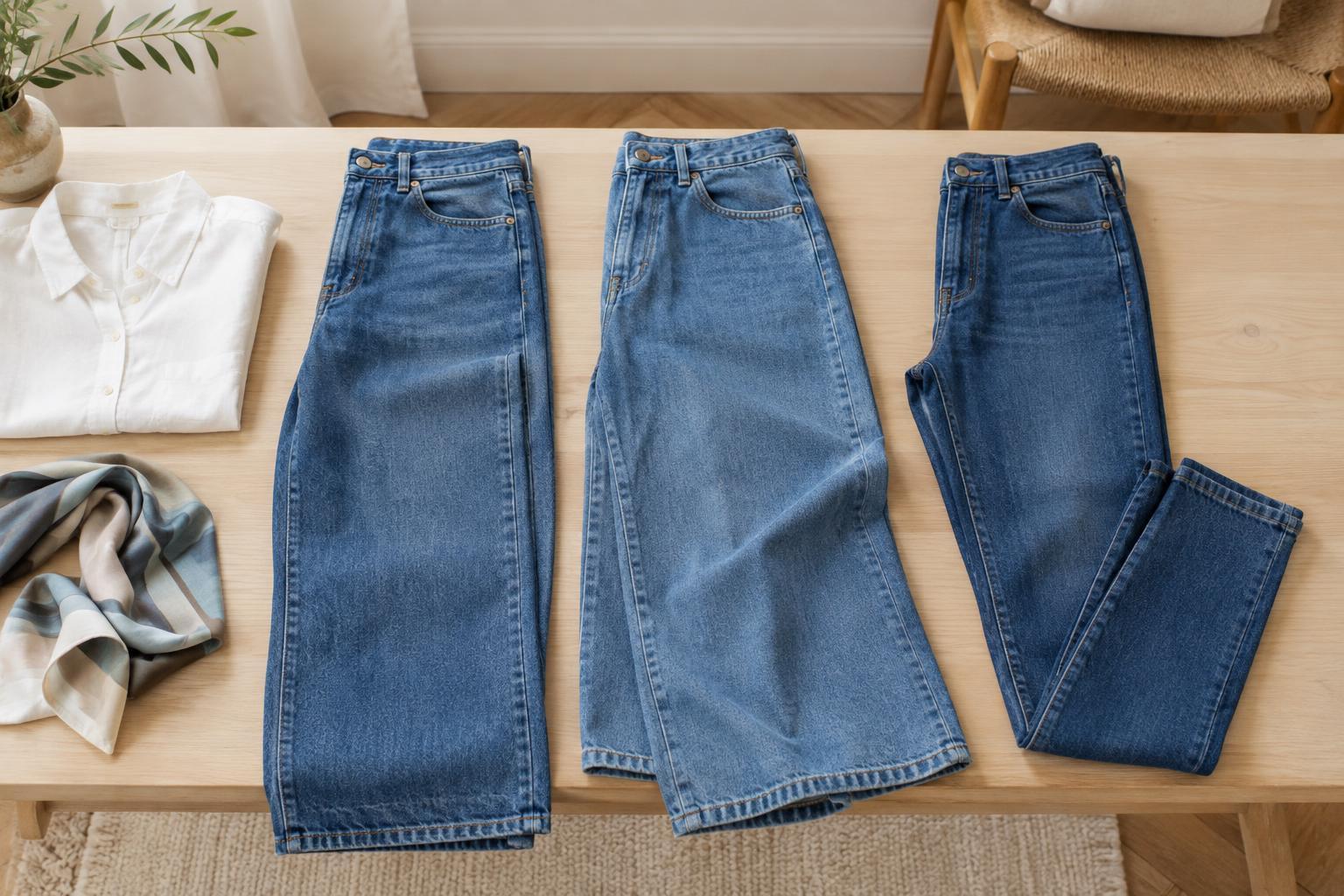
Casual usually means you do not need occasionwear, but it does not always mean the clothes you would wear to do errands. A useful starting point is an outfit that feels easy while looking intentional: well-fitting trousers with a knit, a simple dress with a jacket, or a shirt with dark, clean jeans if denim suits the setting. For an outdoor gathering, practical shoes and an extra layer may matter more than a dressy finish.
Look for small choices that bring the outfit together. Clean shoes, a comfortable fit and clothes in good condition often do more work than a statement piece. A silk scarf can add color to a plain top, while a belt or tidy bag can make familiar separates feel ready for a gathering. If the invitation says “smart casual,” move one step more polished: swap a T-shirt for a shirt or fine knit, or choose tailored trousers instead of jeans.
Cocktail: dressed up without going all the way to formal
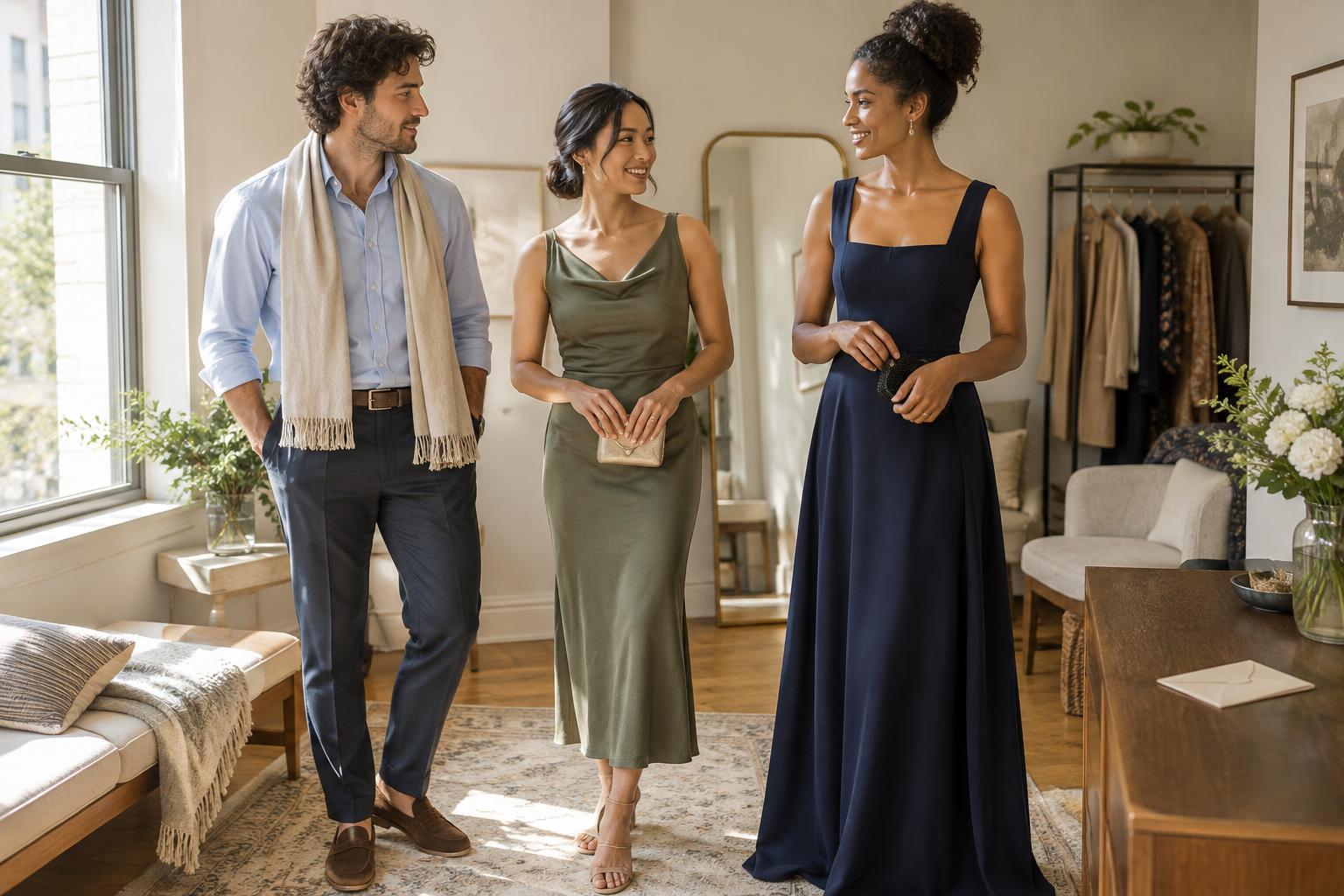
Cocktail generally calls for an evening-ready outfit, though it can appear on invitations for daytime events too. You might choose a knee-length or midi dress, a tailored jumpsuit, a suit, or dressy separates such as wide-leg trousers and a polished top. There is no required silhouette or single correct color. What matters is that the combination looks more deliberate than everyday work or weekend clothing.
Fabric and finish can make a simple shape feel right for the occasion. Crepe, satin, velvet or a crisp suiting fabric may lend polish, depending on the season and setting. Choose shoes you can wear for the event rather than the most dramatic pair you own. Accessories can be restrained: earrings, a compact bag or a silk scarf tied at the neck can provide a focal point without competing with the rest of the outfit. If your clothes are understated, a sharper shoe or richer texture can do the dressing up.
Formal: let the setting guide the level of ceremony
Formal usually asks for a more elevated look than cocktail. A long dress, an elegant suit or a similarly refined outfit may be appropriate, depending on the event. Yet “formal” on its own leaves room for interpretation: a daytime ceremony and an evening gala need not call for identical clothes. If the invitation says “black tie,” seek clarification if needed rather than assuming that every formal event follows the same expectations.
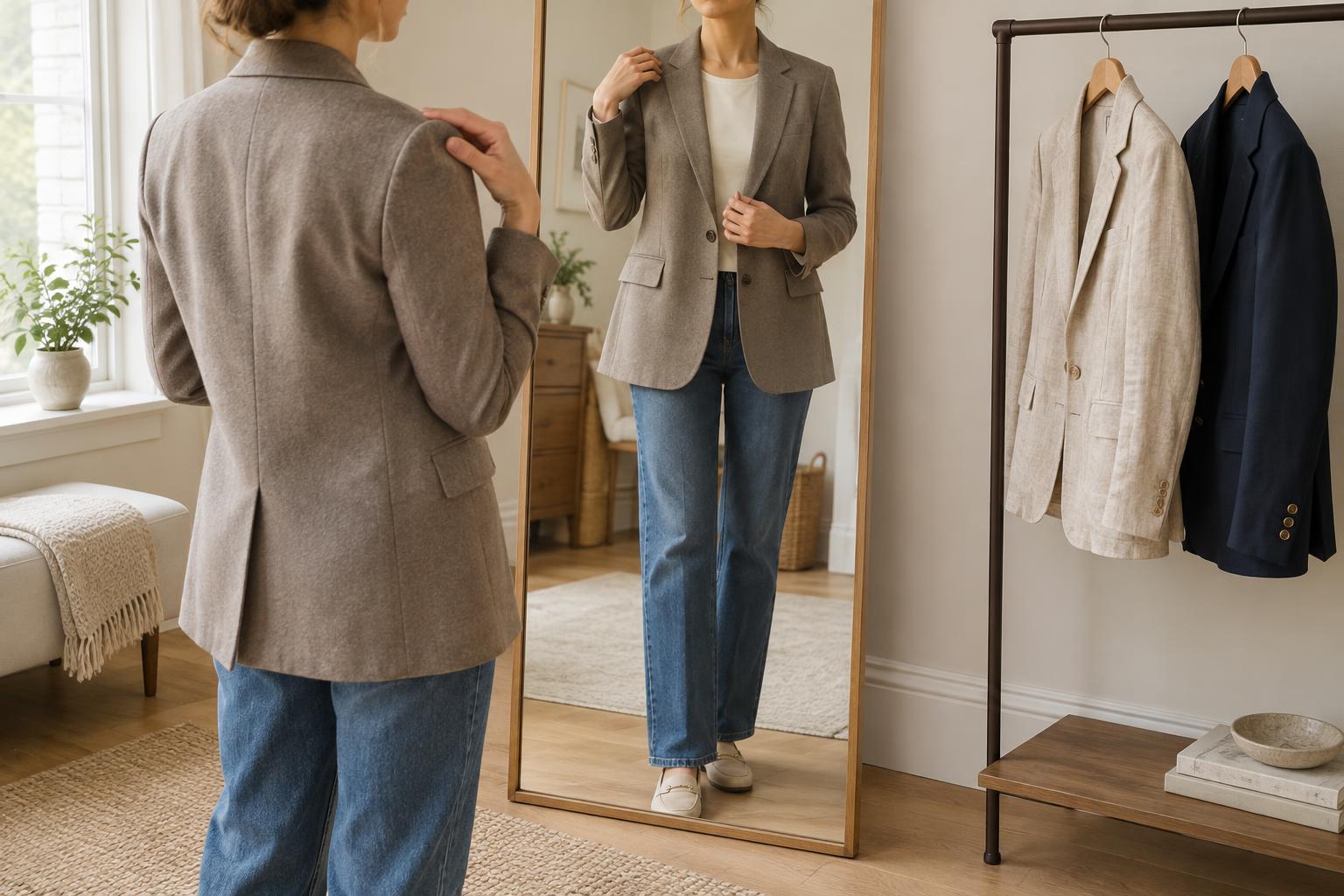
For a formal outfit, pay attention to fit, fabric condition and the complete look. Check that hems work with your shoes and that you can sit, walk and move comfortably. Keep outerwear in mind if you will arrive in cold or wet weather. You do not have to buy something new: a well-fitting piece you already own can often be adapted with dressier shoes, a thoughtful accessory or careful pressing.
When in doubt, aim for adaptable polish
If the dress code sits between categories, build from versatile pieces and adjust one element at a time. A simple dress can feel casual with flat shoes and a cardigan, or more like cocktail attire with refined shoes and jewelry. Tailored trousers can shift in the same way when you change a relaxed knit for a dressy top. This approach makes it easier to get dressed without maintaining a separate wardrobe for every kind of invitation.
Try the full outfit on before the day, including shoes, layers and anything you plan to carry. Notice whether fabrics crease easily, whether straps stay in place and whether you feel at ease. The best interpretation of a dress code respects the event while still allowing you to participate comfortably.