Start with the invitation, not a universal rule
There is no single outfit that suits every funeral or memorial service. Before choosing clothes, read the invitation or service details for requests about colour, formality or religious customs. A family might welcome traditional dark clothing, ask guests to wear a particular colour, or prefer the relaxed dress that suited the person being remembered. Follow an explicit request where you reasonably can; it is more useful than any general style rule.
If the guidance is unclear, consider the venue and what you know of the family. A service in a place of worship may call for more coverage or a head covering, while an outdoor gathering may make weather-ready shoes essential. If you need to ask, a brief question to the organiser or someone close to the arrangements is appropriate. Avoid placing that decision on a person who is actively grieving if another contact is available.
Build a reliable outfit for a traditional service
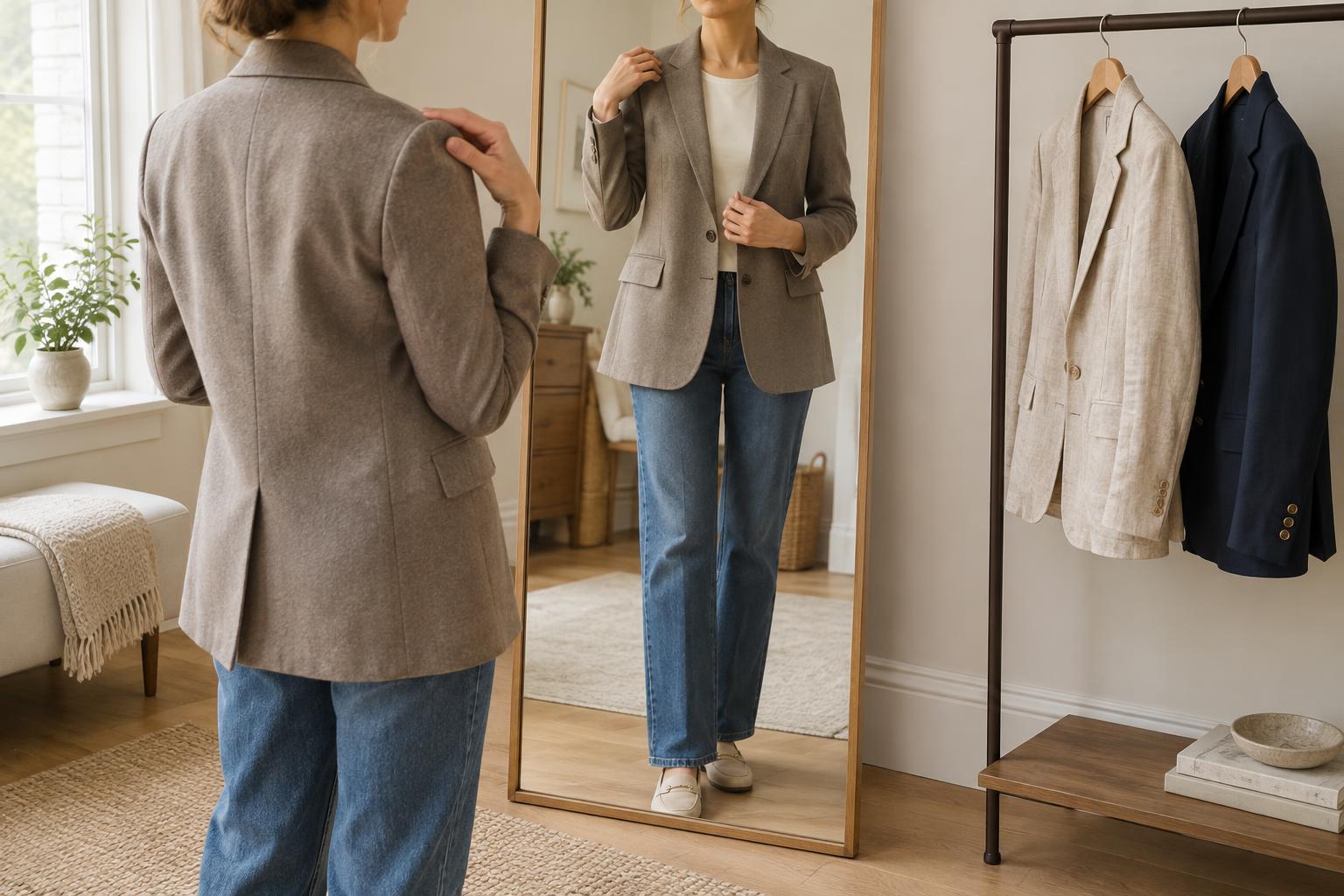
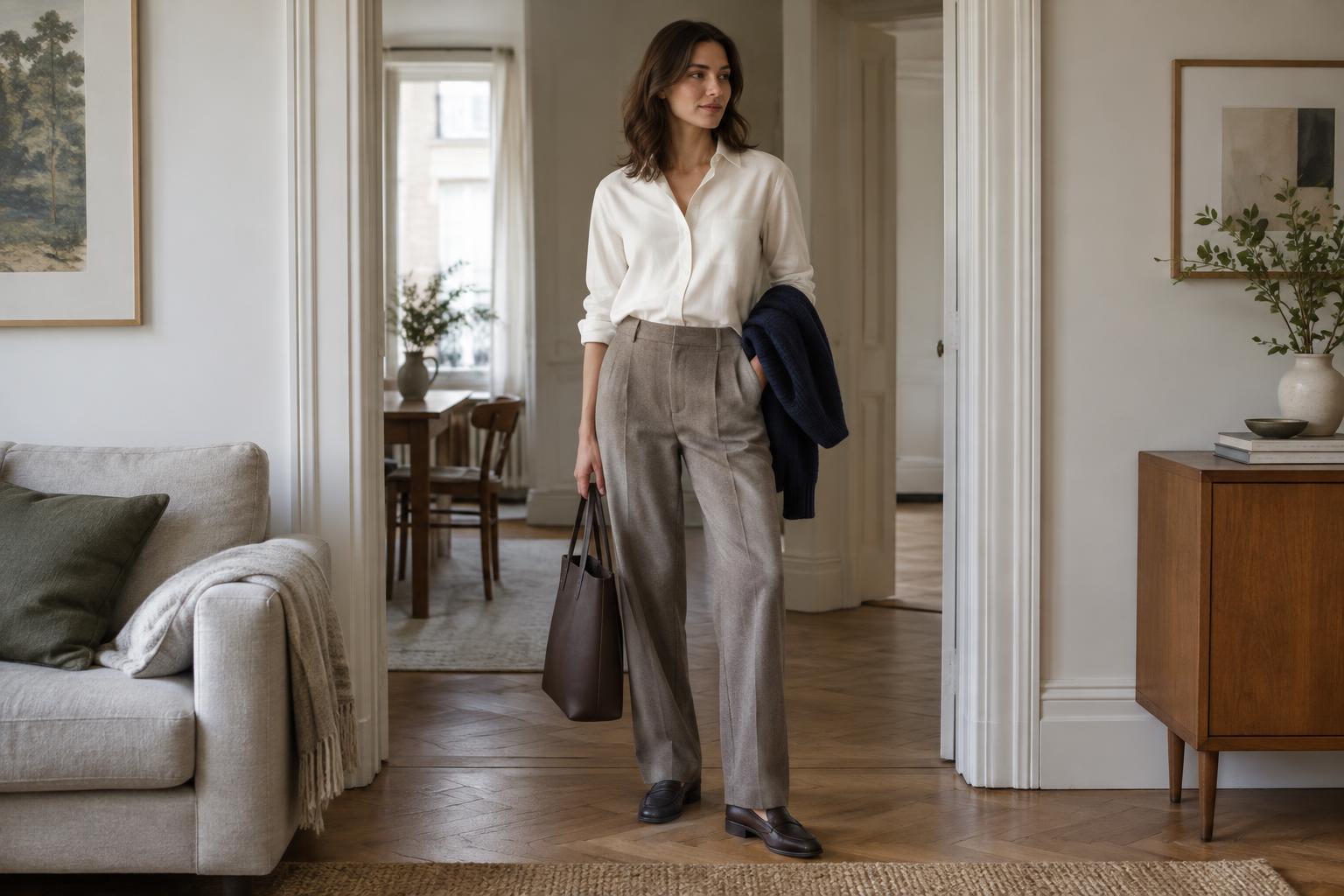
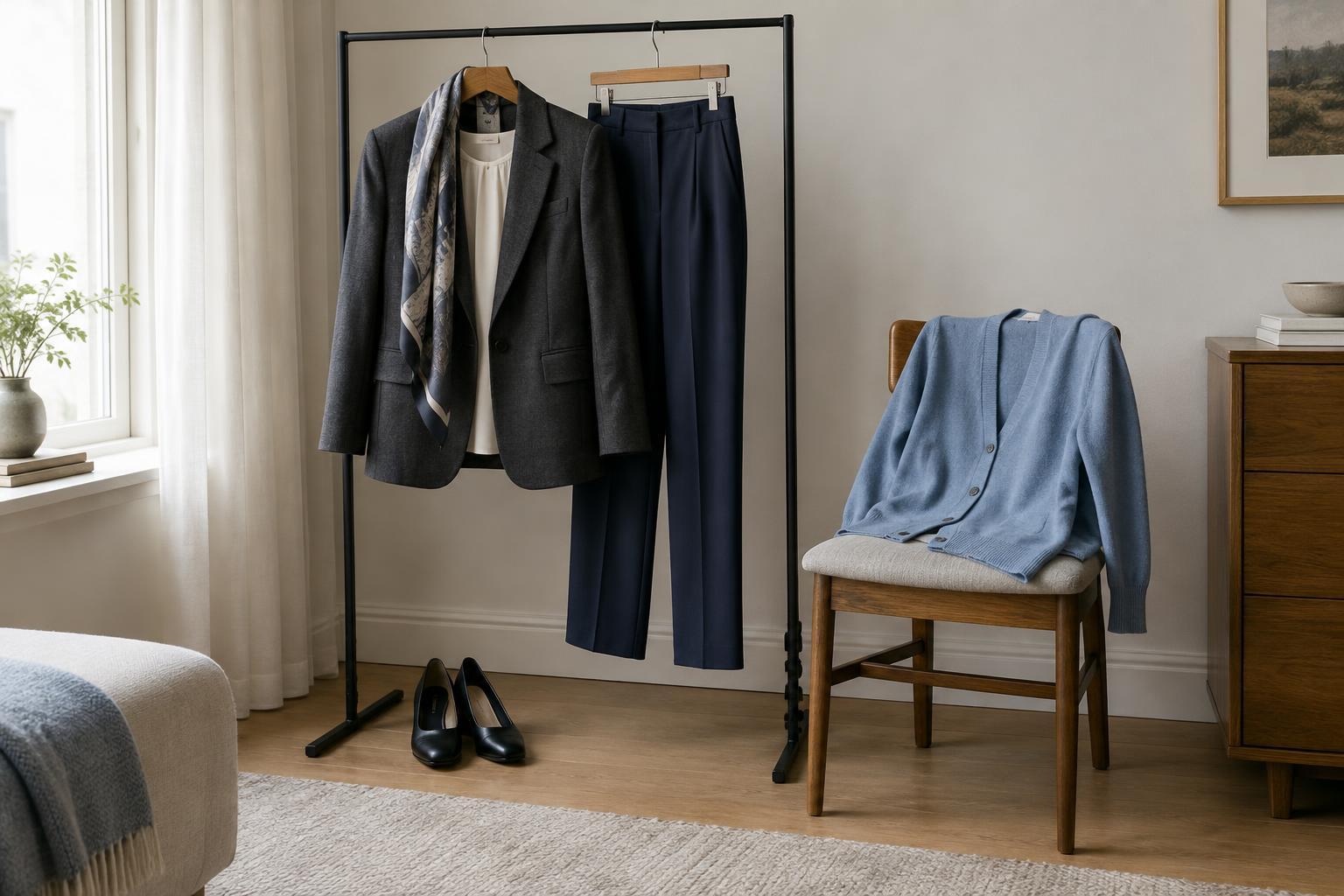
For a service described as traditional or formal, understated separates offer a dependable starting point. A dark suit, a simple dress with a jacket, or tailored trousers with a modest top can all work. Black is familiar in many settings, but navy, charcoal and other muted shades may be equally suitable unless the family has specified otherwise. Aim for clothes that are clean, in good repair and comfortable enough to wear while sitting, standing and greeting people.
Keep the overall effect quiet rather than treating any single garment as a test of respect. A plain coat can make a casual base outfit feel more considered; conversely, a dramatic accessory can draw attention away from otherwise restrained clothes. If you are choosing between two options, the one that needs less adjusting, makes less noise and lets you focus on the service is often the better choice.
Adapt when the dress code is colourful or casual
A request for bright colours or informal clothing is an invitation to respond to the family’s wishes, not a reason to ignore the occasion. You might wear a colourful blouse with tailored trousers, a patterned dress with a simple layer, or a sweater in the requested shade. If you own nothing that matches, a scarf, tie or other small accessory can acknowledge the request without requiring a new outfit.
For a casual memorial, choose tidy, comfortable clothing suited to the location and planned activities. A well-kept shirt and trousers may feel right for a community hall; sturdy shoes and layers may matter more for a garden gathering. If a celebration of life includes stories, food or a walk, think about the full visit rather than only the seated portion. Casual does not have to mean careless.
Use accessories to support the outfit
Accessories are best chosen for ease and discretion. A silk scarf can soften a dark outfit, provide light coverage where appropriate or carry a requested colour. Tie it so it stays in place without frequent attention. Simple jewellery, a practical bag and shoes you can walk in are usually more helpful than pieces that are heavy, noisy or difficult to manage. You do not need to buy something special to look respectful.
Plan for the conditions as well as the dress code. Bring a coat or umbrella if you may be outside, and choose footwear that can handle paths, steps or grass if the gathering includes a graveside visit. An extra layer can help in a cool venue. If a particular place of worship has clothing requirements you are unfamiliar with, check those details ahead of time rather than guessing.
When you have limited options, keep the focus on being present
Travel, short notice, mobility needs and budget can limit what you can wear. In those circumstances, choose the neatest suitable clothes available and make any easy adjustments: clean your shoes, add a plain layer or remove an accessory that feels distracting. There is no need to apologise for an outfit that does not perfectly match an unspoken expectation. Attendance, when welcome, is not a fashion performance.
If you are attending alongside children, apply the same practical approach. Clothes should be tidy enough for the setting but comfortable enough that a child can move and sit without a struggle. Whether you are dressing yourself or helping someone else, a respectful choice is one that considers the family’s request, the gathering’s customs and the practical demands of the day.