Start with the idea behind the outfit
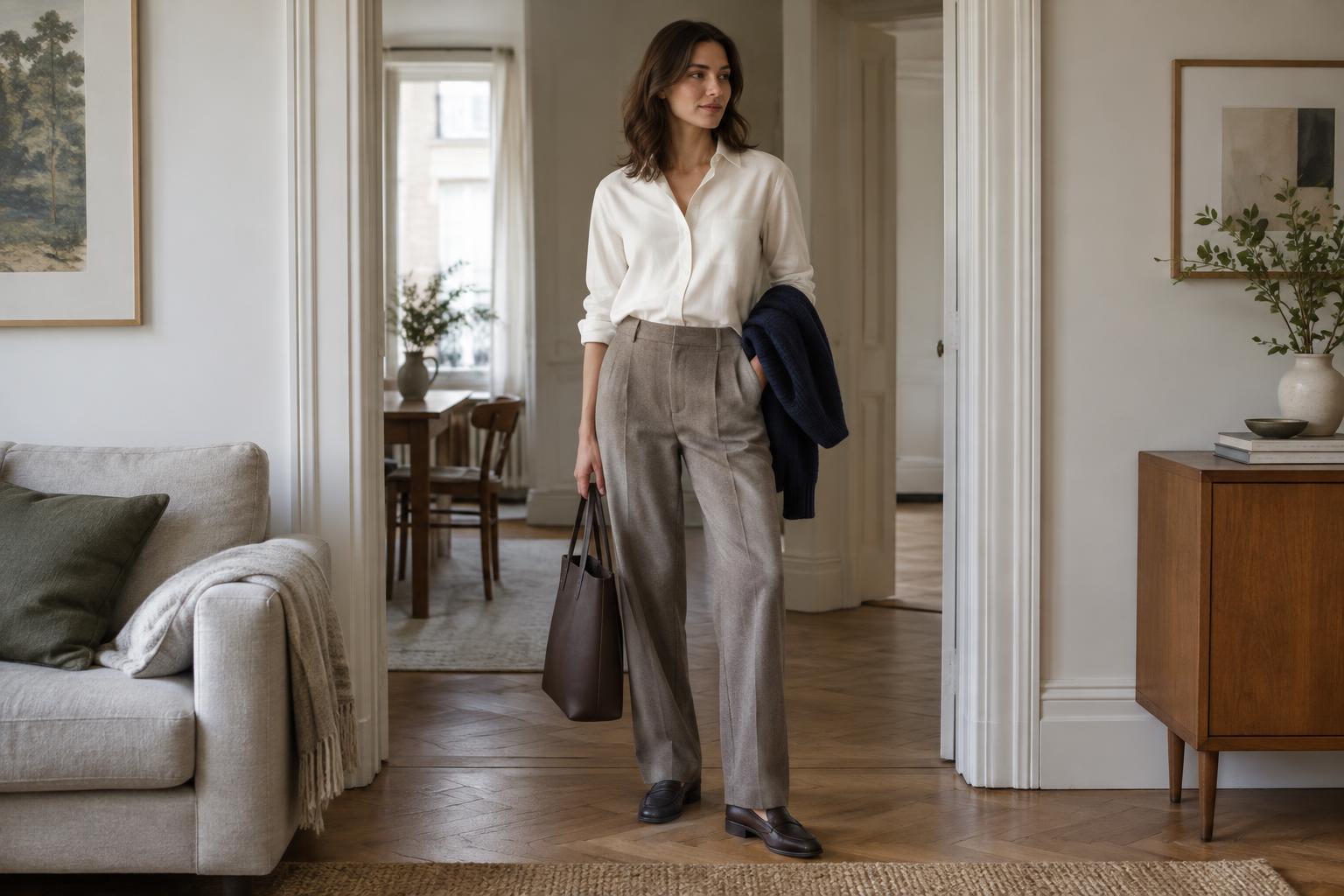
A favorite outfit formula is more useful than a favorite outfit. It might be a relaxed shirt with straight trousers and loafers, a fitted top with a full skirt, or a simple dress under a jacket. The exact pieces can change while the combination still feels like you. That flexibility is especially helpful when a warm-weather version becomes too light for autumn, or a winter version feels too heavy in spring.
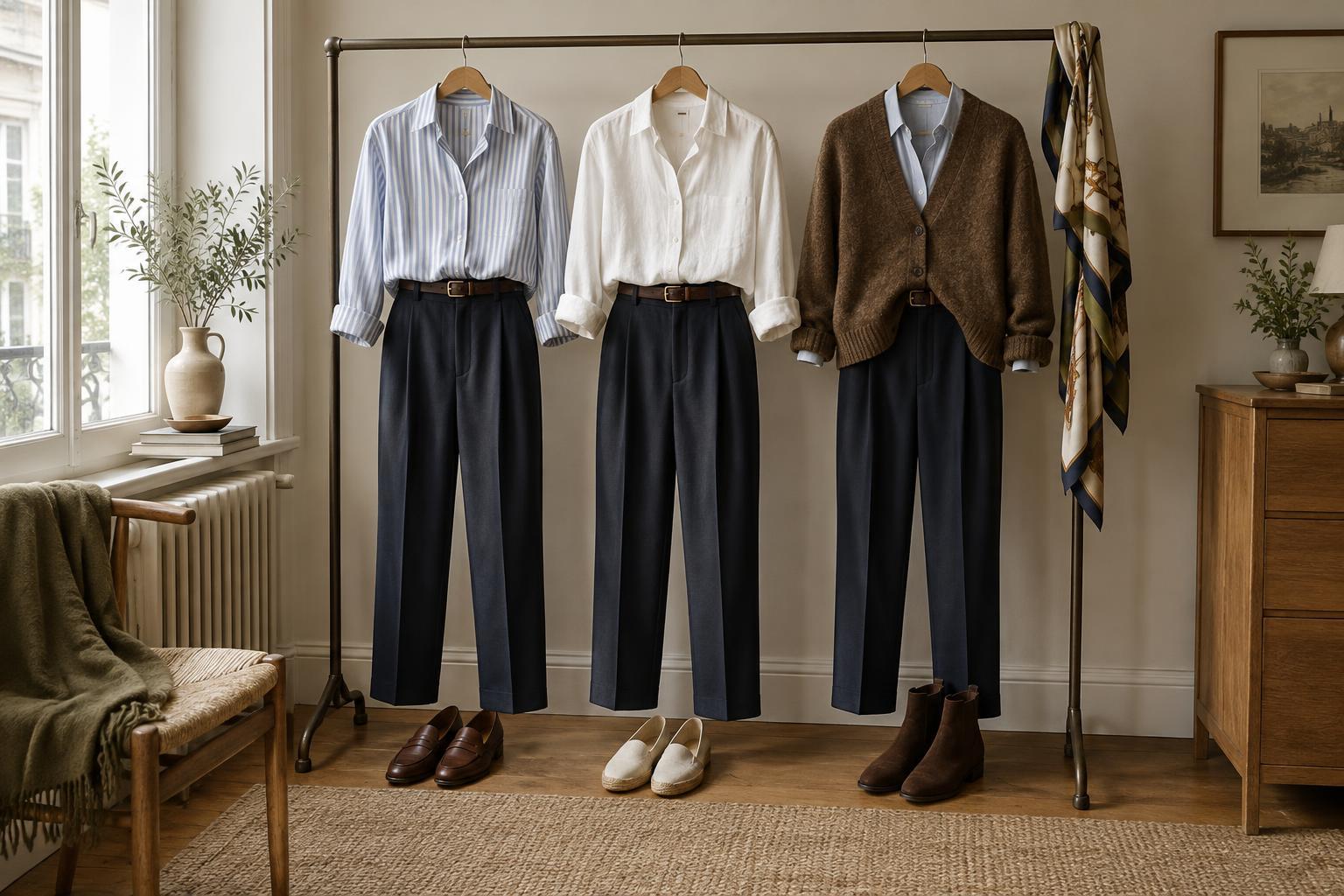
Before swapping anything, identify what makes the outfit work. Is it the balance between a loose top and a neat lower half? The contrast of soft fabric against structured tailoring? A narrow color palette finished with one expressive accessory? Write the formula in broad terms, such as “easy shirt, tailored trousers, flat shoes, small scarf.” This gives you a clear starting point without requiring the same garments in every season.
Keep the proportions; change the fabric
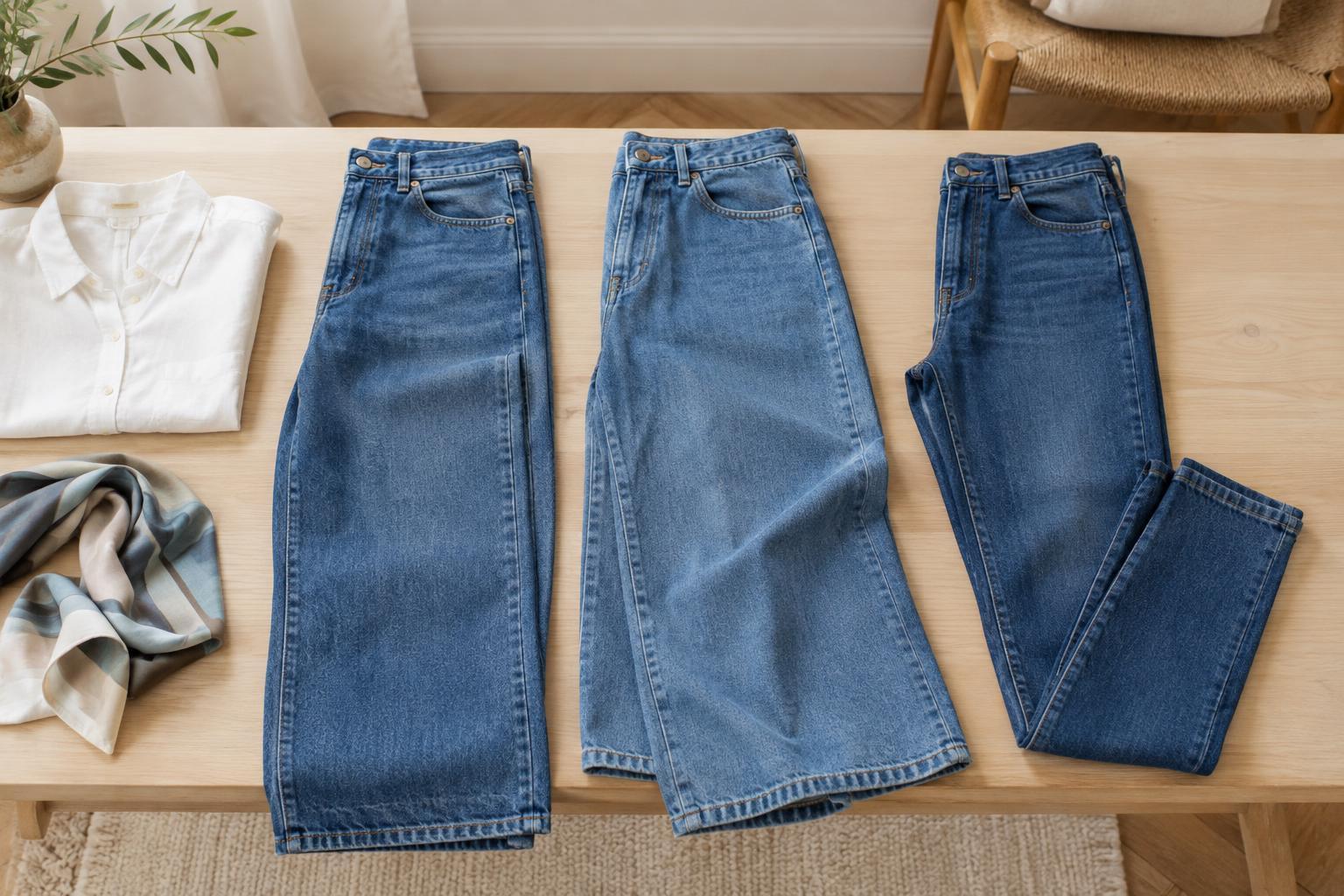
Fabric is often the simplest seasonal adjustment. A crisp cotton shirt can give way to a lighter linen blend in warm weather or a fine knit when temperatures drop. Tailored trousers might move from a breathable weave to a denser one. If you love the shape of a particular outfit, look for pieces with a similar drape rather than insisting on identical materials. A very stiff replacement may change the silhouette even if its cut looks familiar.
Consider how the whole outfit feels, not just whether each item seems seasonally appropriate. A light top can work in cooler weather beneath an insulating layer; a substantial skirt may still feel comfortable in mild weather with a breathable top. Try the combination on and move around. If fabric clings, bunches or leaves you too warm indoors, a different weight or weave may serve the formula better.
Use layers without losing the shape
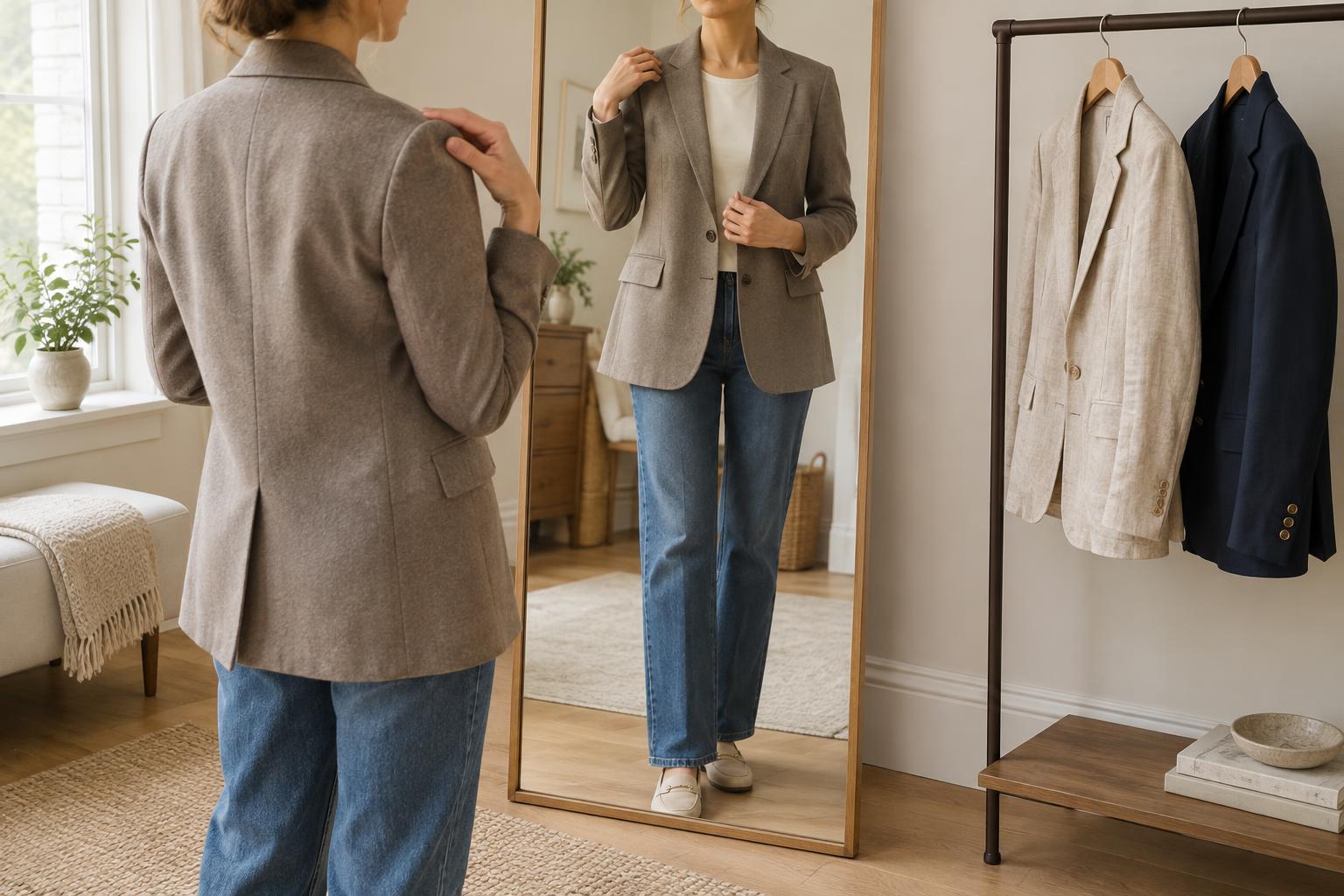
In transitional weather, layers let you keep a familiar base outfit. A shirt-and-trouser combination can take a cardigan, an unstructured blazer or a coat, depending on the temperature. To preserve a clean line, pay attention to where each layer ends. A short jacket can define the waist over wide trousers, while a longer, open layer can create a vertical line over a simple dress.
Layering works best when it leaves room to move. If a blazer strains over a thick sweater, replace the sweater with a finer knit or wear a roomier outer layer. In warmer months, make the removable piece lighter: an open shirt over a tank, for example, offers a similar sense of structure without the weight of a jacket. The goal is not to recreate the outfit exactly, but to retain its balance.
Let shoes and accessories do seasonal work
Footwear can change the practical use of an outfit without changing its core. Straight trousers and a shirt may feel relaxed with sandals, polished with loafers, or ready for colder streets with ankle boots. Check the trouser hem with each pair: a length that looks tidy above one shoe may drag over another. For a skirt or dress, shoe shape can also alter the mood, so choose the level of contrast you enjoy.
Accessories offer smaller adjustments. A silk scarf tied at the neck or to a bag can bring color to a light outfit; worn beneath a coat, it can add a finished detail without much bulk. In colder weather, a warmer scarf may be the more useful choice. You can also repeat a favorite accent color in a belt, bag or pair of socks. That continuity helps different seasonal versions feel like the same personal formula.
Make a version for your actual routine
Rather than planning four rigid seasonal wardrobes, build a few versions of one formula around the conditions you encounter. For a mild day, you might wear the shirt, trousers and loafers on their own. For rain or cold, switch to a fine knit, suitable outerwear and practical shoes. For heat, keep the trousers-and-top outline but choose lighter fabrics and less coverage. Dress for your local weather, commute and indoor temperatures, not for an imagined seasonal calendar.
Take a quick photo or note when a variation feels comfortable and looks right to you. Record the details that matter: sleeve length, trouser hem, layer weight or the accessory that pulls it together. Over time, these small observations make getting dressed easier. You are not building a uniform with strict rules; you are giving a dependable idea enough room to work all year.