Start with a color family, not a perfect match
Tonal dressing means building an outfit from variations of one color. A look might combine ivory, oatmeal and warm beige, or move from pale blue to navy. The pieces do not have to match exactly. In fact, slight differences often make the outfit more interesting. The aim is to create a clear relationship between the colors while giving the eye somewhere to travel.
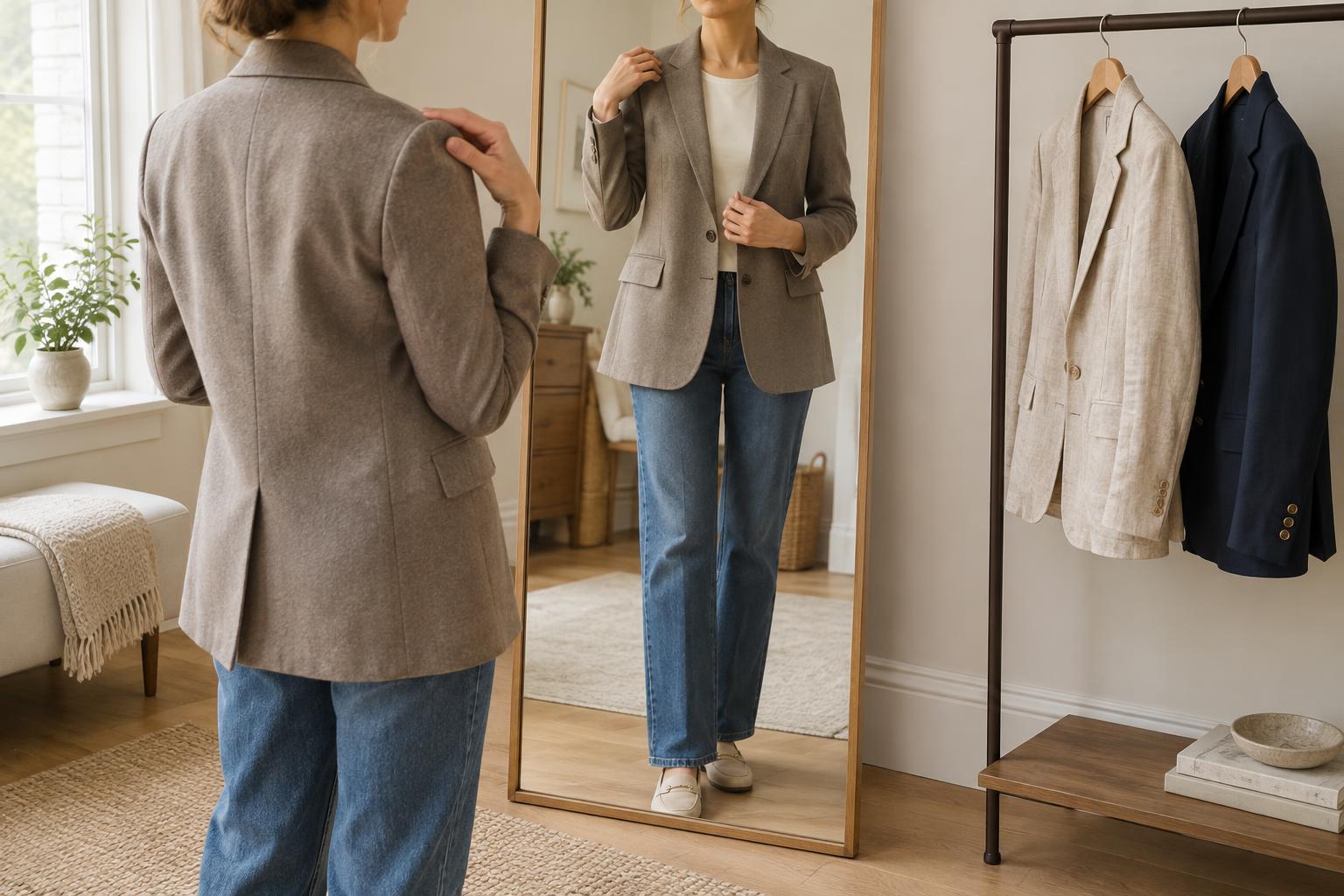
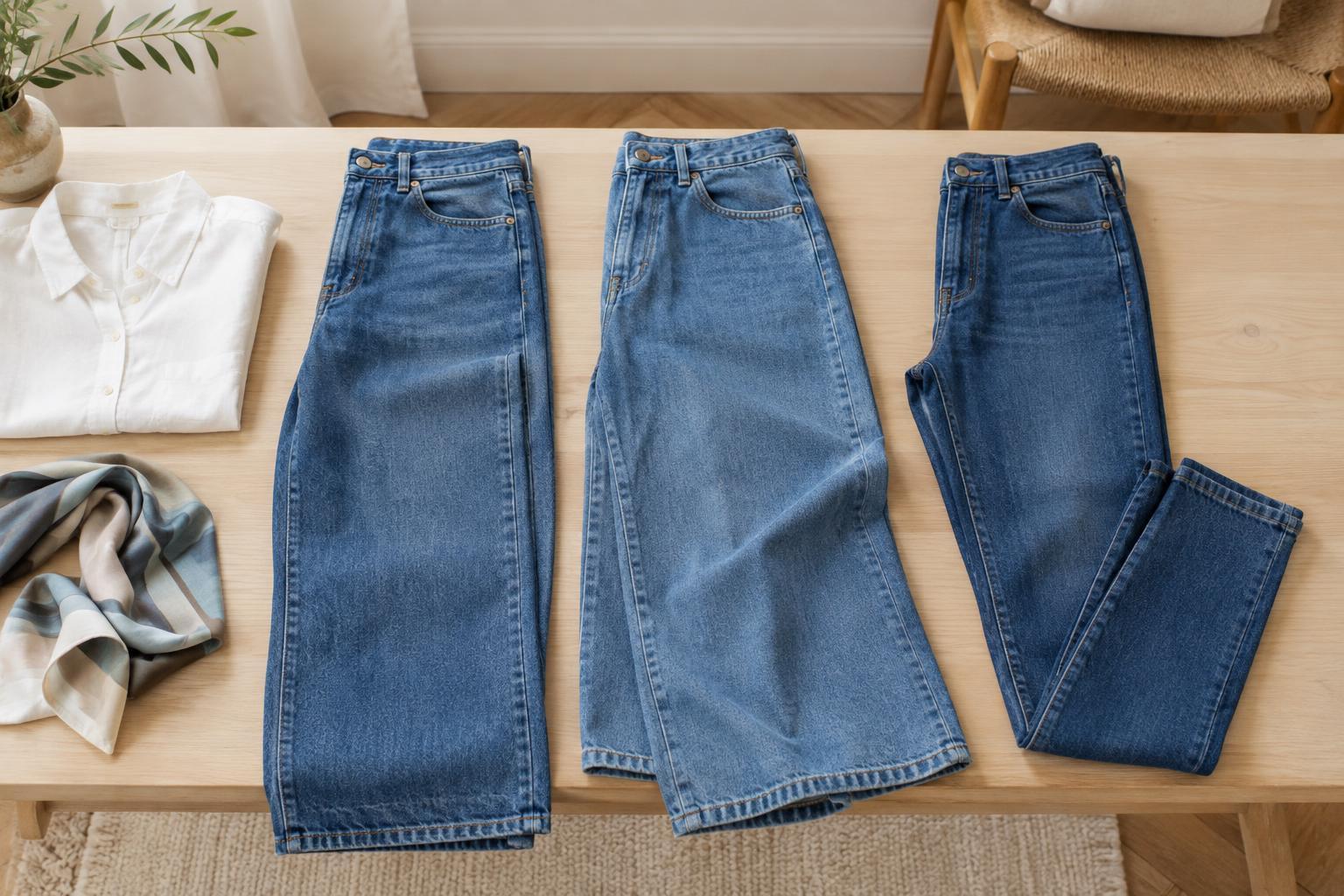
Begin with one piece you already enjoy wearing, such as trousers, a knit or a jacket. Then look for a lighter and a darker version of its color. If you are new to the idea, neutrals can be an approachable starting point: charcoal with soft gray, or chocolate with tan. Lay the pieces together in daylight before getting dressed. This makes it easier to see whether their undertones feel harmonious.
Use contrast to give the outfit shape
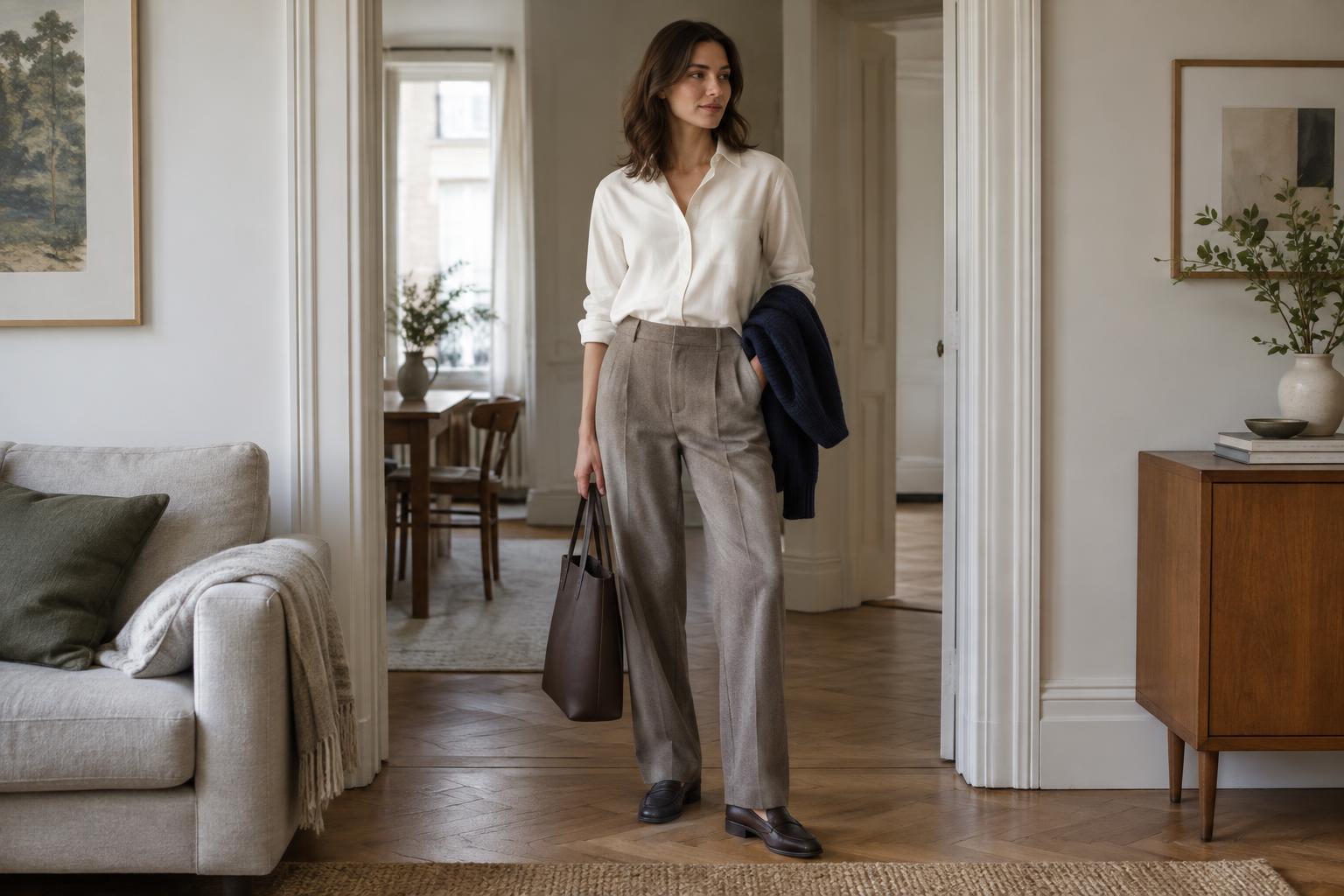
A tonal outfit can look flat when every piece is similar in both color and visual weight. Create some separation by placing a light shade next to a deeper one. For example, a cream shirt under a camel cardigan has a clearer outline than two nearly identical beige layers. Darker trousers beneath a lighter top can also anchor the look without introducing another color.
Contrast can come from where a garment begins and ends, too. Leave the neckline of a shirt visible beneath a sweater, turn back a cuff or let a longer layer show under a cropped jacket. These small breaks help define each piece. If the outfit still feels indistinct, try changing just one item rather than starting again: a darker belt, lighter top or deeper-colored shoe may be enough.
Mix textures while keeping the palette calm
Texture adds depth when color is doing less of the work. A smooth cotton shirt beside a soft wool knit, or matte trousers beneath a gently lustrous blouse, creates variation without disrupting the palette. Denim, linen, leather and ribbed knitwear can play similar roles. You do not need every surface to be different; two or three distinct textures are usually enough to make the combination feel intentional.
Consider the season and the occasion when choosing those surfaces. A crisp shirt and structured trousers can make a tonal look feel polished, while a relaxed knit and washed denim make it more casual. For an evening outfit, a subtle sheen can catch the light against matte pieces. Let fabric care guide the choice as well: an outfit is easier to repeat when its components suit your routine.
Balance the proportions, not just the colors
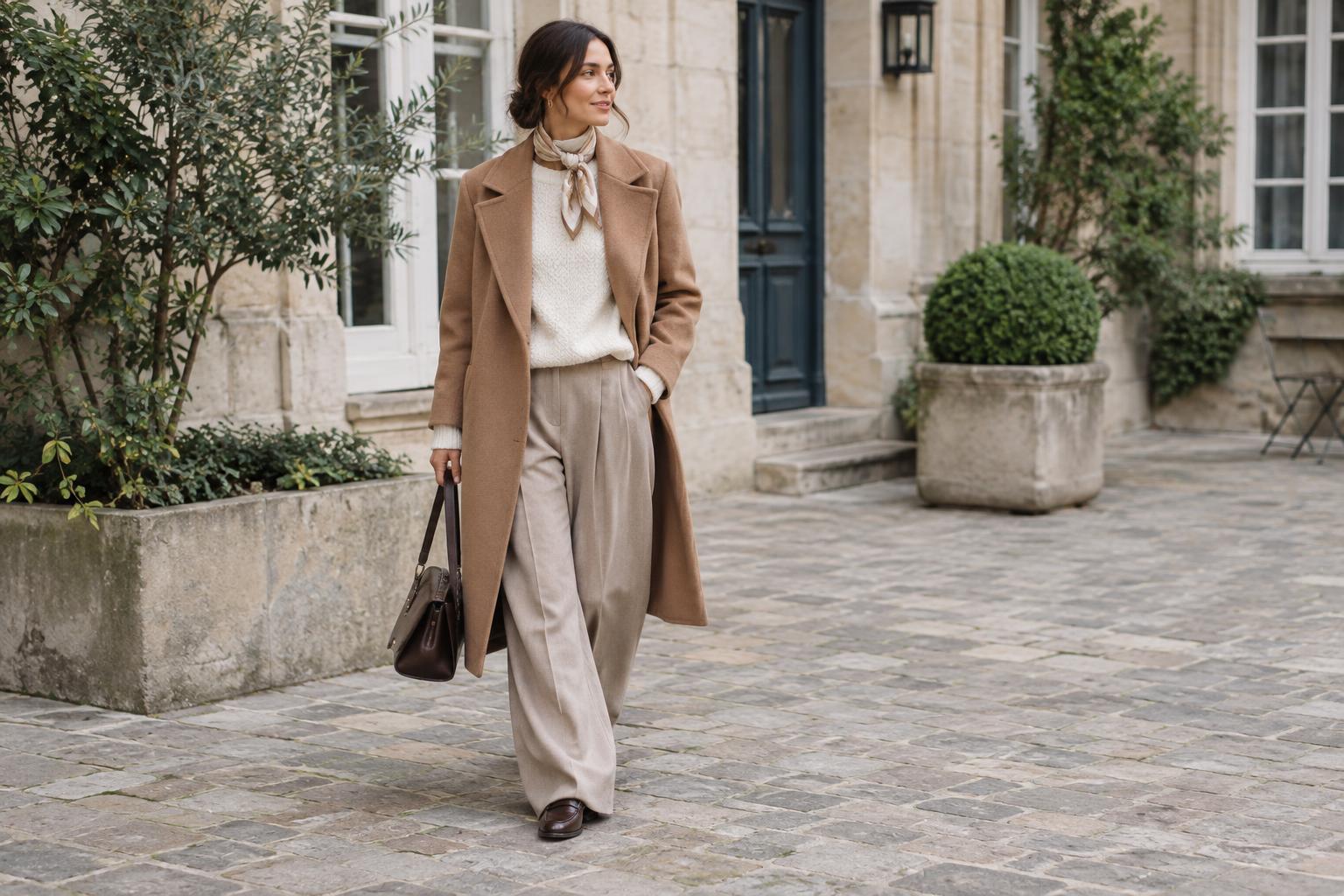
When several garments share a palette, their shapes become more noticeable. Pairing a roomy sweater with wide trousers can work, but the outfit may benefit from a defined waist, a visible wrist or a sleeker shoe. Equally, a close-fitting top can balance a fuller skirt or relaxed trousers. These are options rather than fixed rules; the useful question is whether the overall outline feels deliberate to you.
Try looking at the outfit from a few steps back. Can you distinguish the main shapes, or do the layers blend into one block? A half-tuck, an open jacket or a change in hem length may bring the proportions into focus. Keeping one piece relatively simple also gives more distinctive items room to stand out.
Finish with accessories that have a purpose
Shoes, bags and scarves can reinforce a tonal palette or provide a gentle point of contrast. A scarf that contains two of the shades already in your outfit can make the combination feel connected. A shoe in the deepest shade can ground pale layers, while a small metal detail can add brightness. Accessories do not need to match one another exactly to belong together.
Before adding more, decide what the outfit needs. If it already has varied textures and strong shapes, a simple bag and understated shoes may be enough. If it feels quiet, try one expressive accessory rather than several competing ones. The appeal of tonal dressing is its flexibility: once you find a color family you like, you can change the mood by swapping a single layer, fabric or finishing detail.