Start with the piece you want to wear
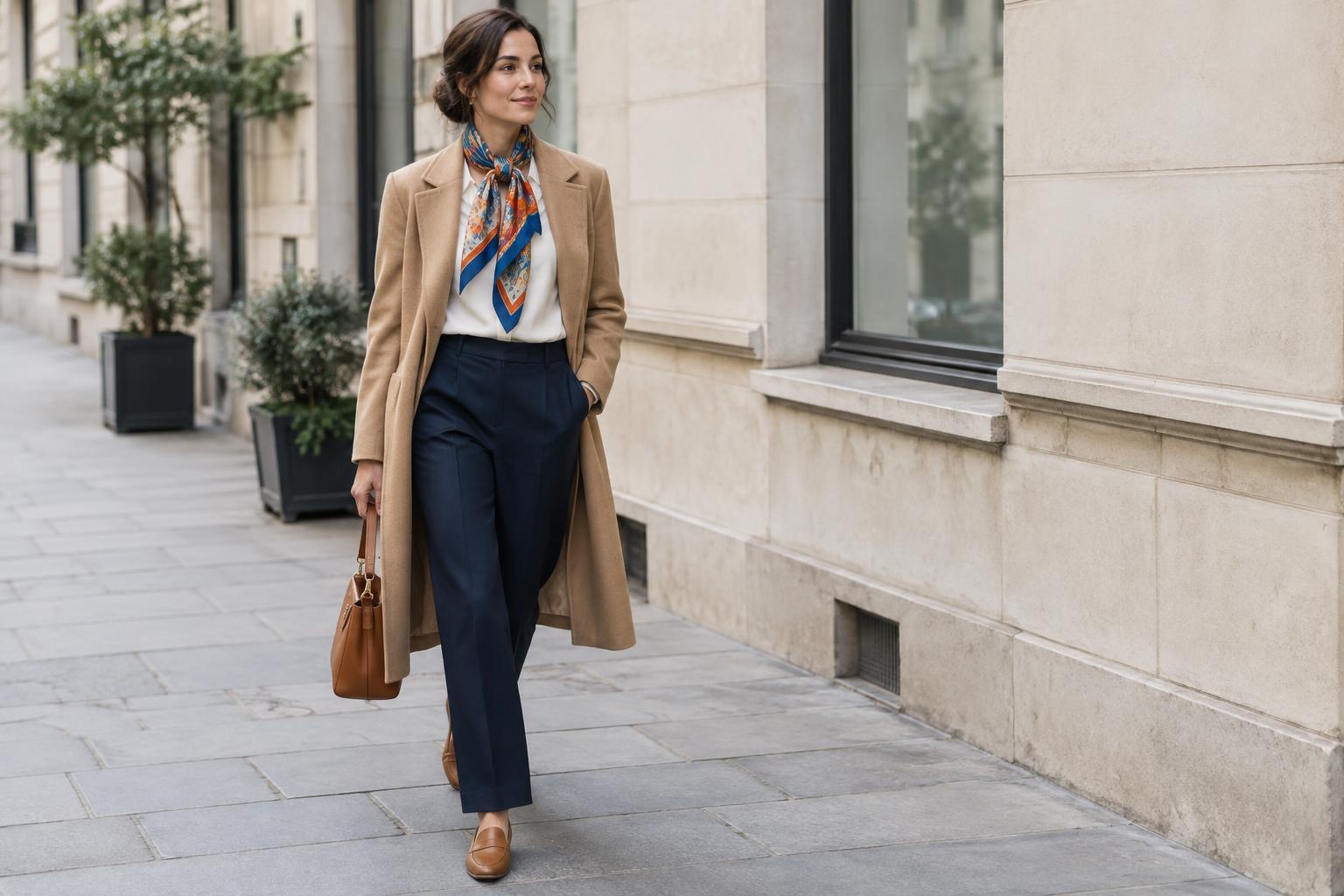
Some outfits begin with a practical need: comfortable shoes for a long day or a jacket for cool weather. Others begin with the pleasure of wearing something distinctive. A printed silk scarf, bright coat, textured bag or pair of unusual shoes can be the starting point. The goal is not to make everything else disappear, but to give that piece room to be noticed.
Before pulling clothes from your wardrobe, look closely at the item. Is its strongest feature color, pattern, shape or texture? A red coat draws attention differently from a softly patterned scarf or a pair of sculptural earrings. Naming what makes the piece distinctive helps you decide which other elements should stay quiet and which can offer a subtle echo. This measured approach suits a French-inspired wardrobe: expressive detail set against useful, wearable clothes rather than a head-to-toe theme.
Build a calm foundation
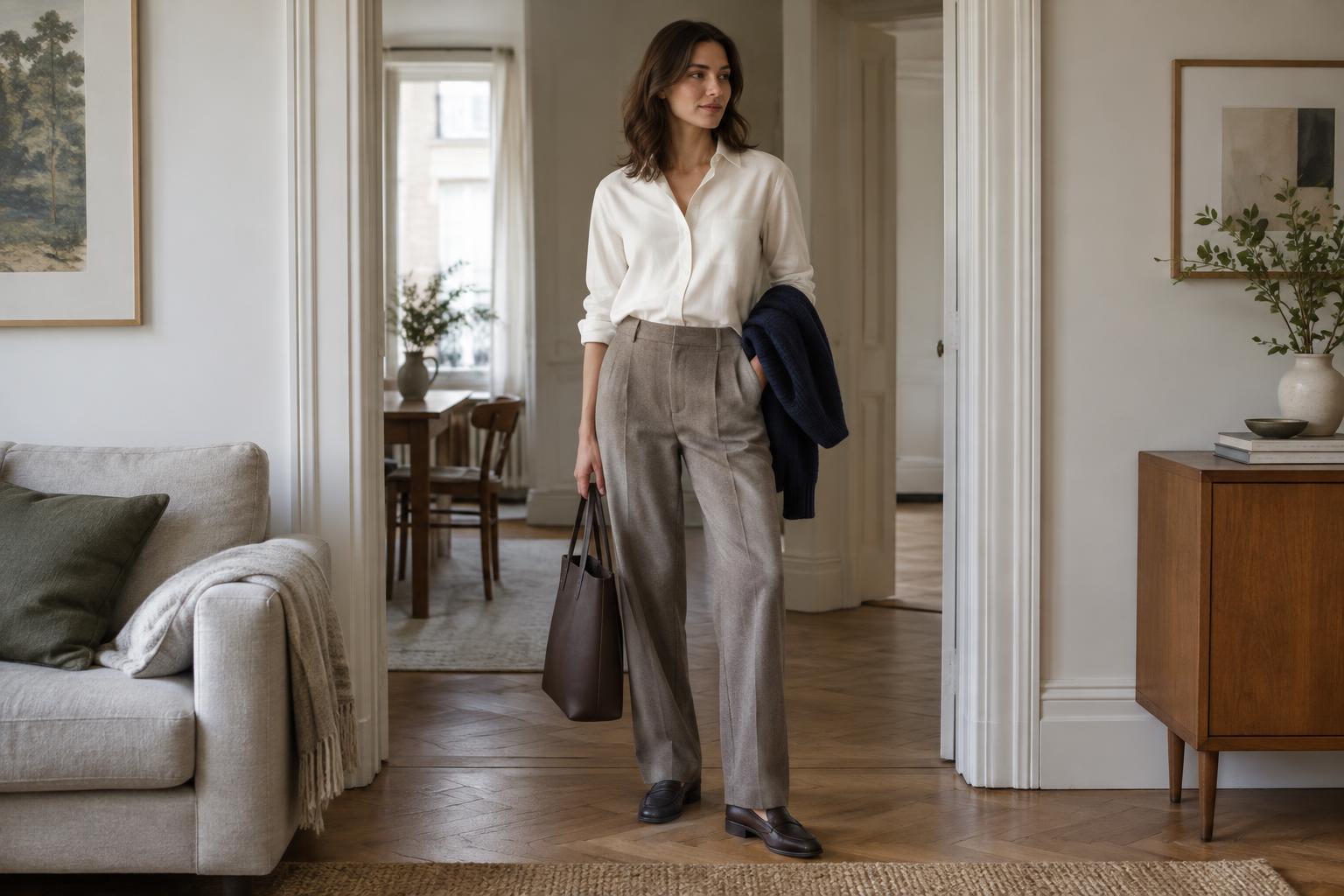
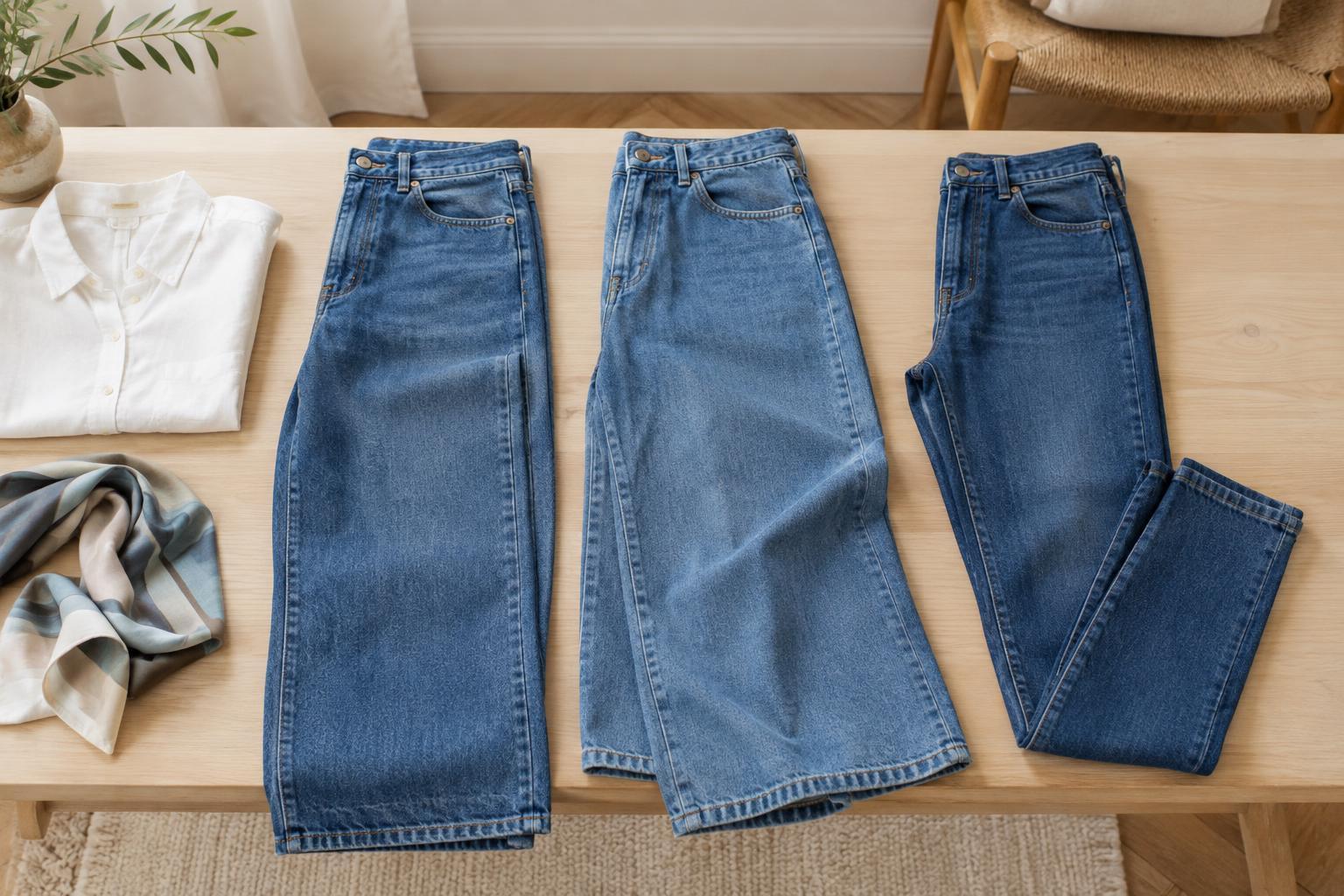
Choose the simplest supporting pieces first. A crisp shirt and straight-leg trousers can ground a vivid scarf; a plain knit and dark jeans can make embellished flats feel deliberate. Neutrals are helpful, but they need not mean only black and white. Navy, cream, chocolate brown, gray and olive can each provide a softer background, depending on the colors in your statement piece.
Pay attention to visual weight as well as color. If the focal point is a voluminous jacket, try a cleaner line underneath so the outfit does not feel crowded. If it is a small but bright bag, an otherwise relaxed silhouette may give it enough contrast to stand out. You do not need to remove every interesting detail. A well-cut collar or a pleasing trouser shape can support the look without competing for first place.
Repeat one detail, not the whole pattern
A gentle connection between pieces can make an outfit feel composed. If a scarf contains a little burgundy, you might pick up that shade in a belt or a knit. If your statement item has warm hardware, similarly warm-toned earrings can create a quiet link. One repeated detail is often enough; matching every color and finish can make the outfit feel overly planned.
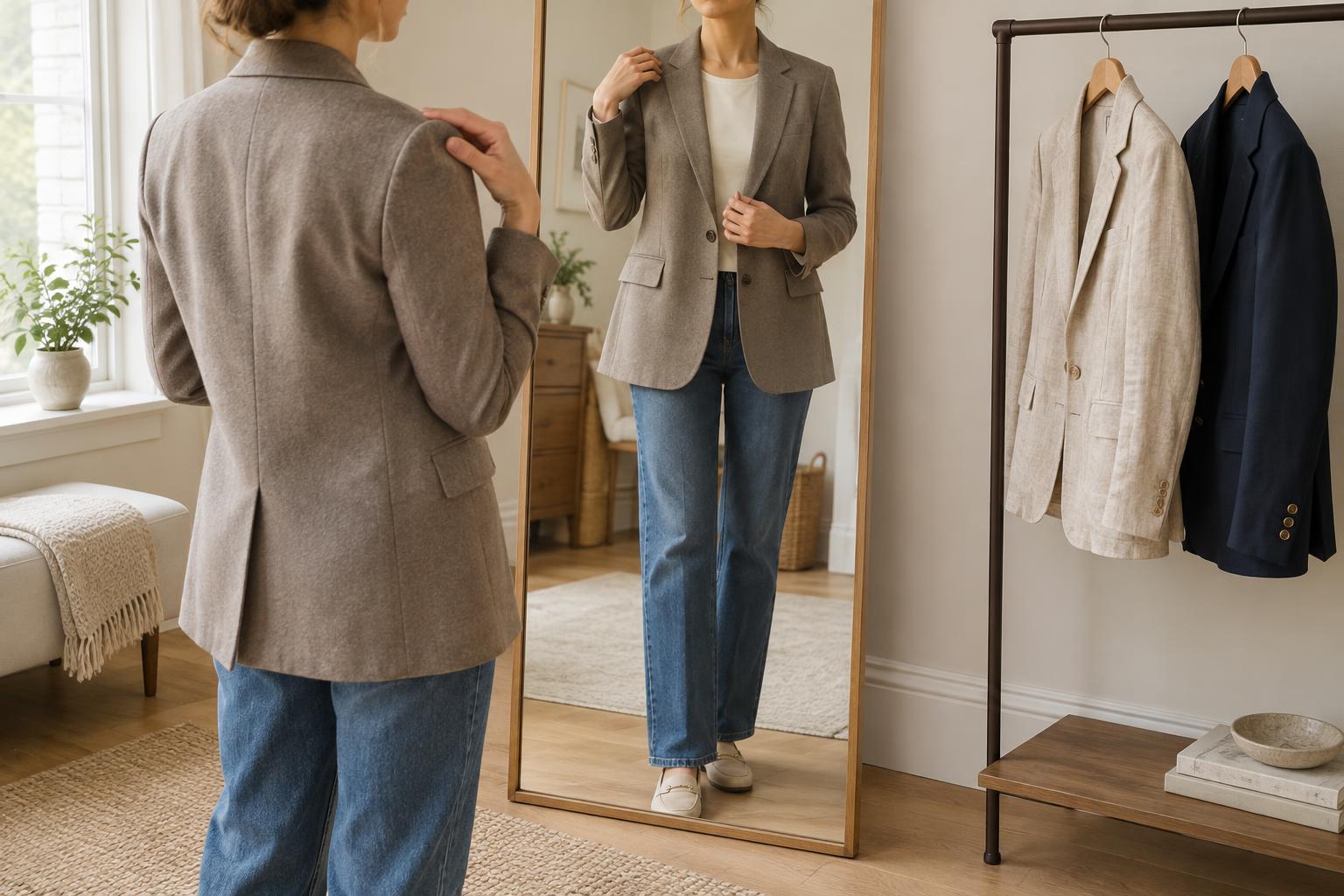
You can also connect pieces through texture instead of color. A glossy silk scarf against a matte cotton shirt creates contrast, while a leather bag can lend structure to a soft wool outfit. When the focal piece has a busy print, keep nearby textures relatively simple. When it is a single bold color, a subtle ribbed knit or brushed fabric can add depth without introducing another competing motif. Try the combination in a mirror, then remove an element if your eye cannot settle on the piece you meant to feature.
Consider placement and proportion
Where you wear the statement piece changes how the outfit reads. A scarf tied close to the face draws attention upward; the same scarf on a bag feels more casual and less central. Bold shoes work well when the hem leaves them visible. Large earrings may need an open neckline or hair tucked back to show their shape. These are options, not rules: the useful question is whether the piece can be seen as you intended.
Proportion also helps an expressive item feel comfortable in everyday life. A wide trouser can balance a substantial shoe, while a compact top can keep an oversized skirt from overwhelming the silhouette. For a dramatic coat, check the outfit both with the coat closed and with it open. You may spend part of the day indoors, and the clothes beneath should still feel complete. Small adjustments to a sleeve, hem or scarf knot can often do more than adding another accessory.
Finish for the day you are actually having
A statement piece is most useful when it fits the occasion as well as your taste. For work or a daytime appointment, a patterned scarf with familiar tailoring may offer enough personality. For dinner, the same restrained base could support a more striking bag or earrings. If you will be walking, sitting or carrying things, check that your chosen piece stays comfortable and does not require constant adjustment.
Before leaving, look at the outfit from a little distance. Is there a clear focal point? Do you feel like yourself in the supporting clothes? If the answer to either question is no, change one thing rather than starting over: swap a patterned top for a plain one, loosen a precise scarf knot or choose a quieter shoe. Building around a statement piece is less about following a formula than giving something you love a practical place in your wardrobe.