Start with the setting, not an imagined dress code
Baby showers vary widely. One may be a relaxed afternoon in someone’s home; another may involve a seated meal at a restaurant. Before choosing an outfit, check the invitation for a stated dress code, location, start time and planned activities. If there is a theme or a request to wear a particular color, you can take part without buying an entirely new look. If the details remain unclear, ask the host a simple question about how dressed up guests are likely to be.
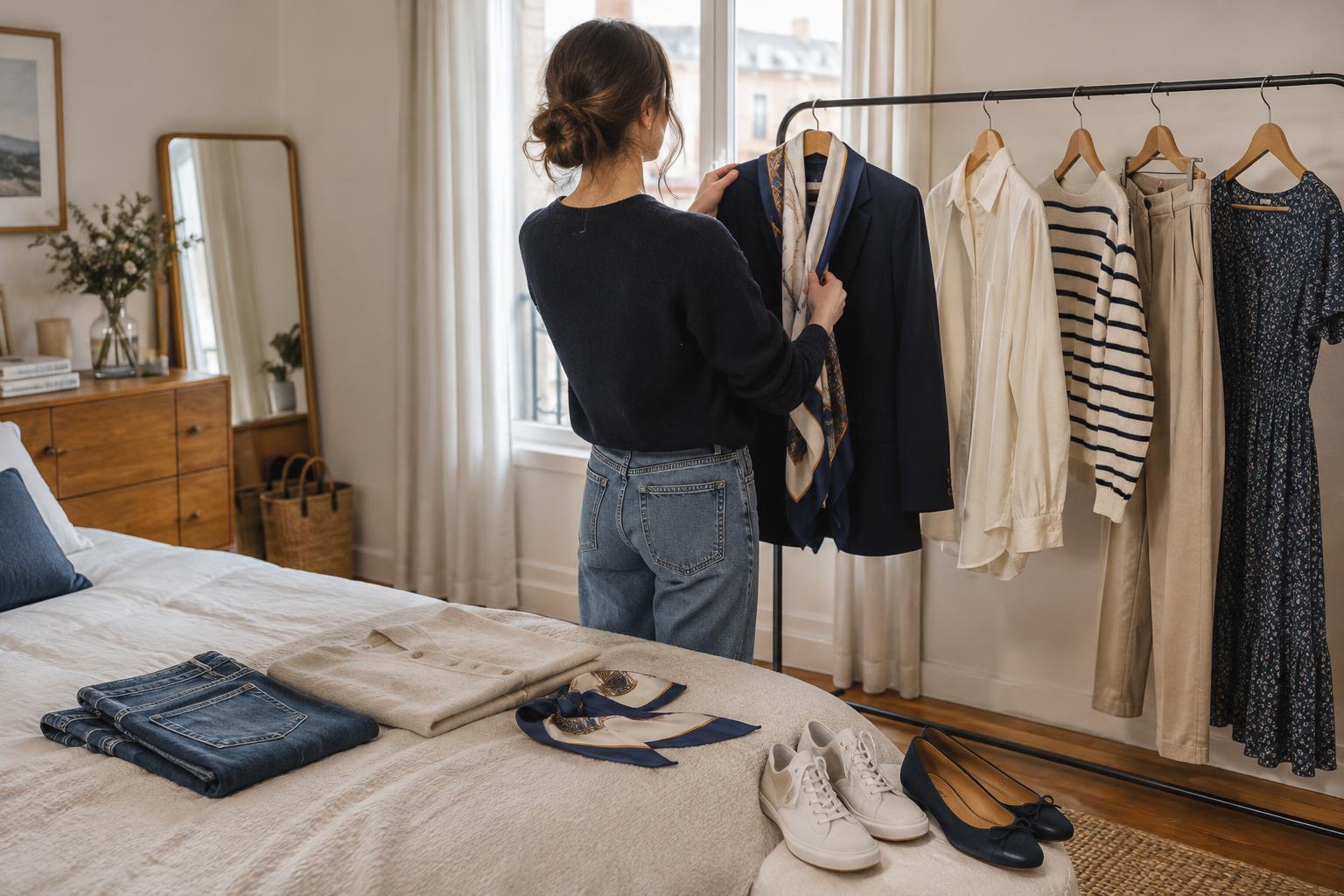
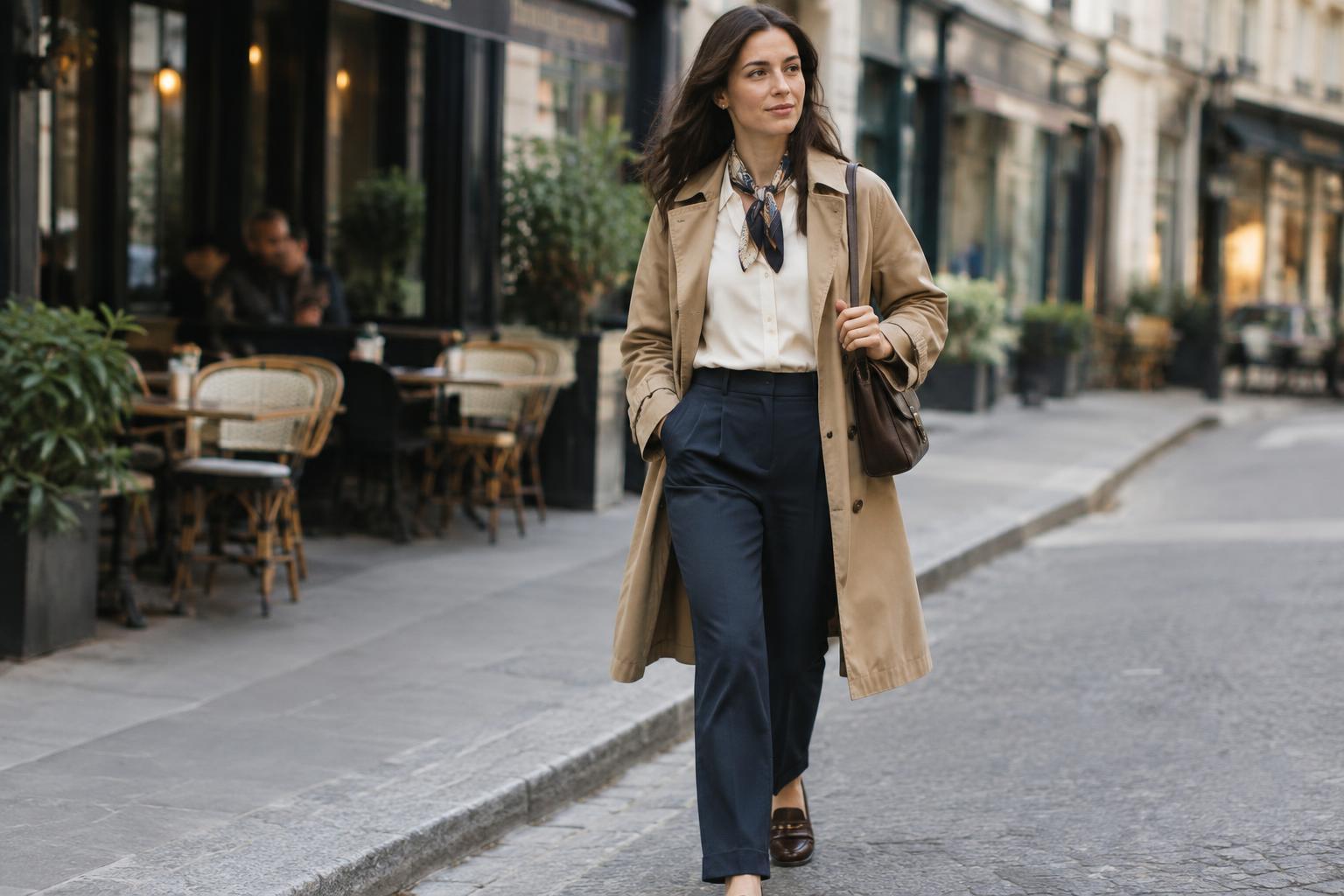
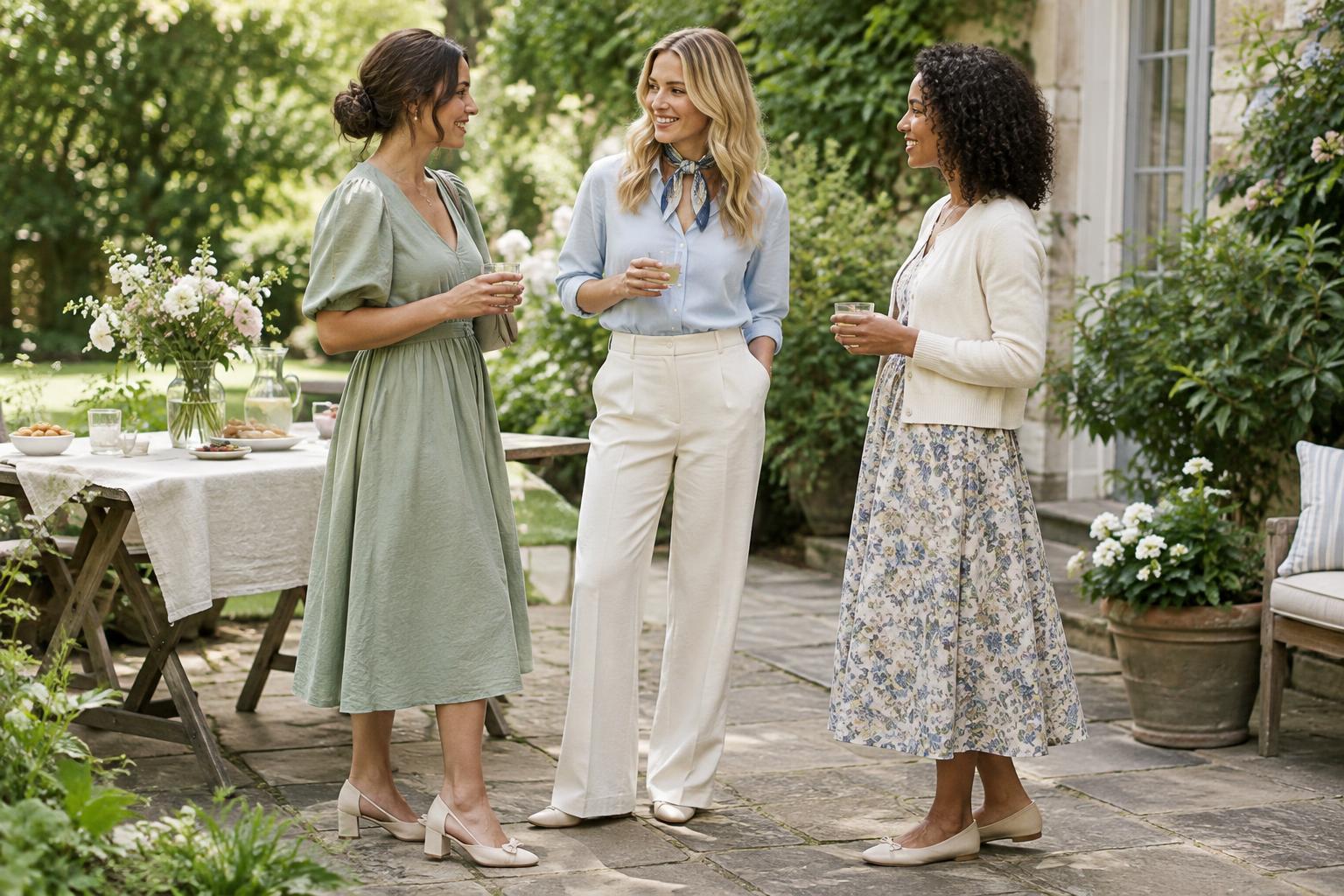
For an event with no dress code, aim for the middle ground: a neat outfit that feels more considered than everyday errands but less formal than eveningwear. Tailored trousers with a soft blouse, a simple dress with a cardigan, or a skirt and fine knit can all fit that brief. Choose colors you enjoy wearing rather than assuming guests must dress in pastels. The goal is to look ready to celebrate while still feeling like yourself.
Adjust your outfit for a home, restaurant or outdoor venue
At someone’s home, comfort matters because you may spend time sitting on a sofa, moving between rooms or helping with small tasks. Straight-leg trousers and a shirt, a relaxed midi dress, or a coordinated knit and skirt make it easy to settle in. Consider whether you would be comfortable removing your shoes if the household requests it; socks or hosiery that work with your outfit can make that moment feel less awkward.
A restaurant shower may call for a slightly sharper finish, particularly if the venue has its own dress expectations. A jacket over a dress, pressed trousers with an elegant top, or a simple jumpsuit can look polished without feeling ceremonial. For a garden or patio gathering, plan around the ground as well as the forecast. Stable flats or block heels are often easier on grass or gravel than narrow heels, and a light layer is useful if you will be sitting outdoors.
Let fabric and fit support a long afternoon
A baby shower often includes conversation, food, photographs and stretches of sitting. Try your outfit on before the day and check how it feels when you sit, reach and walk. A waistband that pinches or a neckline that needs constant adjustment can become distracting even if the outfit looks good in a mirror. If you are wearing a new piece, give yourself time to test it with the shoes and underlayers you plan to use.
Fabrics can help set the tone. Crisp cotton, a smooth knit or a fluid woven fabric can look put together while remaining easy to wear. Linen offers a relaxed look, though it tends to crease; decide whether that suits the event rather than treating every wrinkle as a problem. If the gathering includes an outdoor portion or a cool indoor space, bring a cardigan, light jacket or wrap that complements the outfit instead of relying on a coat you will need to carry.
Finish with details that do not get in your way
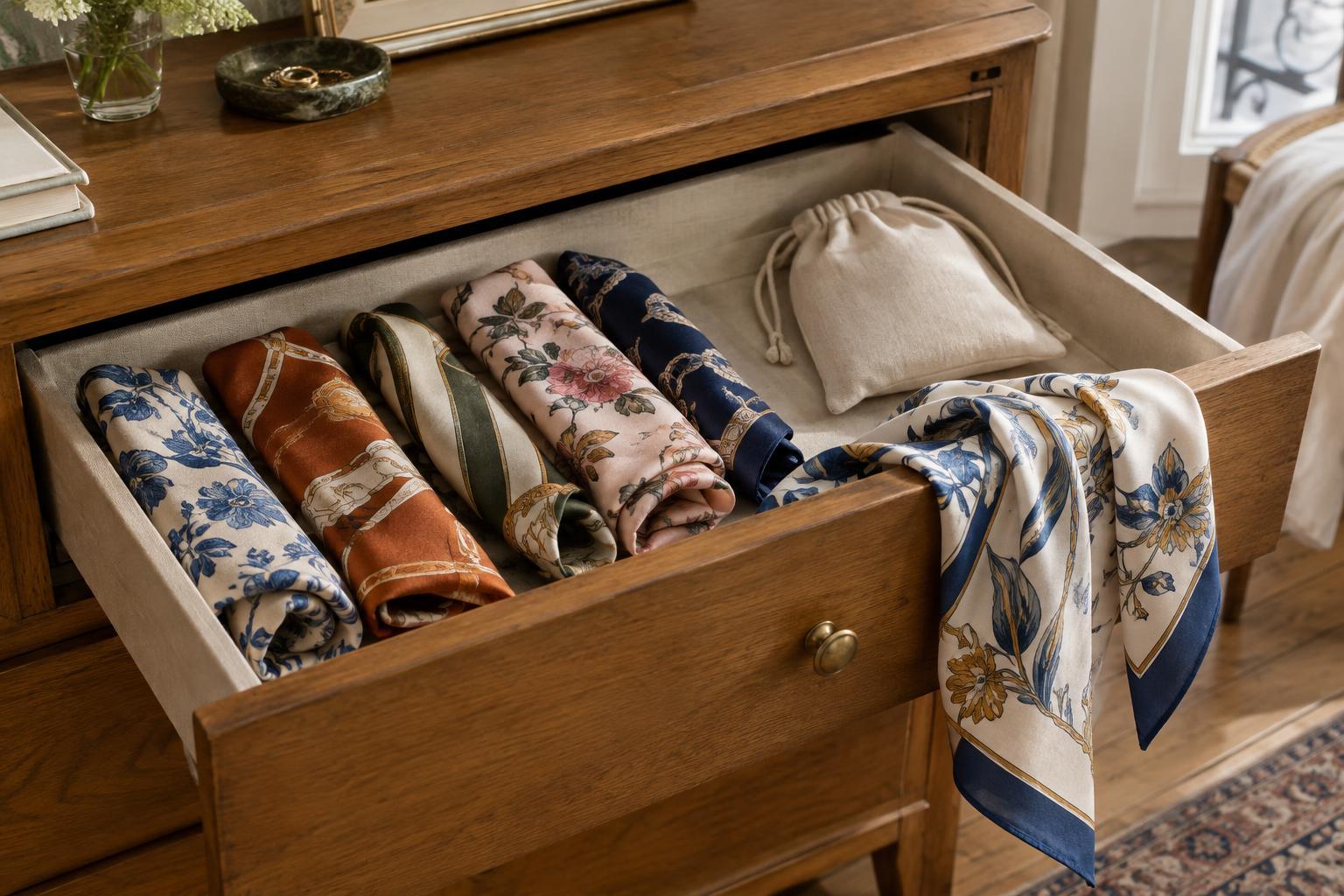
Accessories are an easy place to add a personal touch. A silk scarf tied at the neck, on a bag handle or in your hair can give a simple outfit more character. Small earrings or one distinctive piece of jewelry may be enough if your clothes already have color or pattern. There is no need to match the event’s decorations unless the host has specifically invited guests to follow a theme.
Think through what you will carry. A bag with room for your essentials leaves your hands free for greeting people, holding a plate or carrying a gift. If you are bringing something bulky, keep the rest of your belongings compact. Before leaving, check that your shoes suit the journey and the venue, and that your layers will work through any change in temperature. A successful guest outfit lets you focus on the gathering rather than on fixing your clothes.